

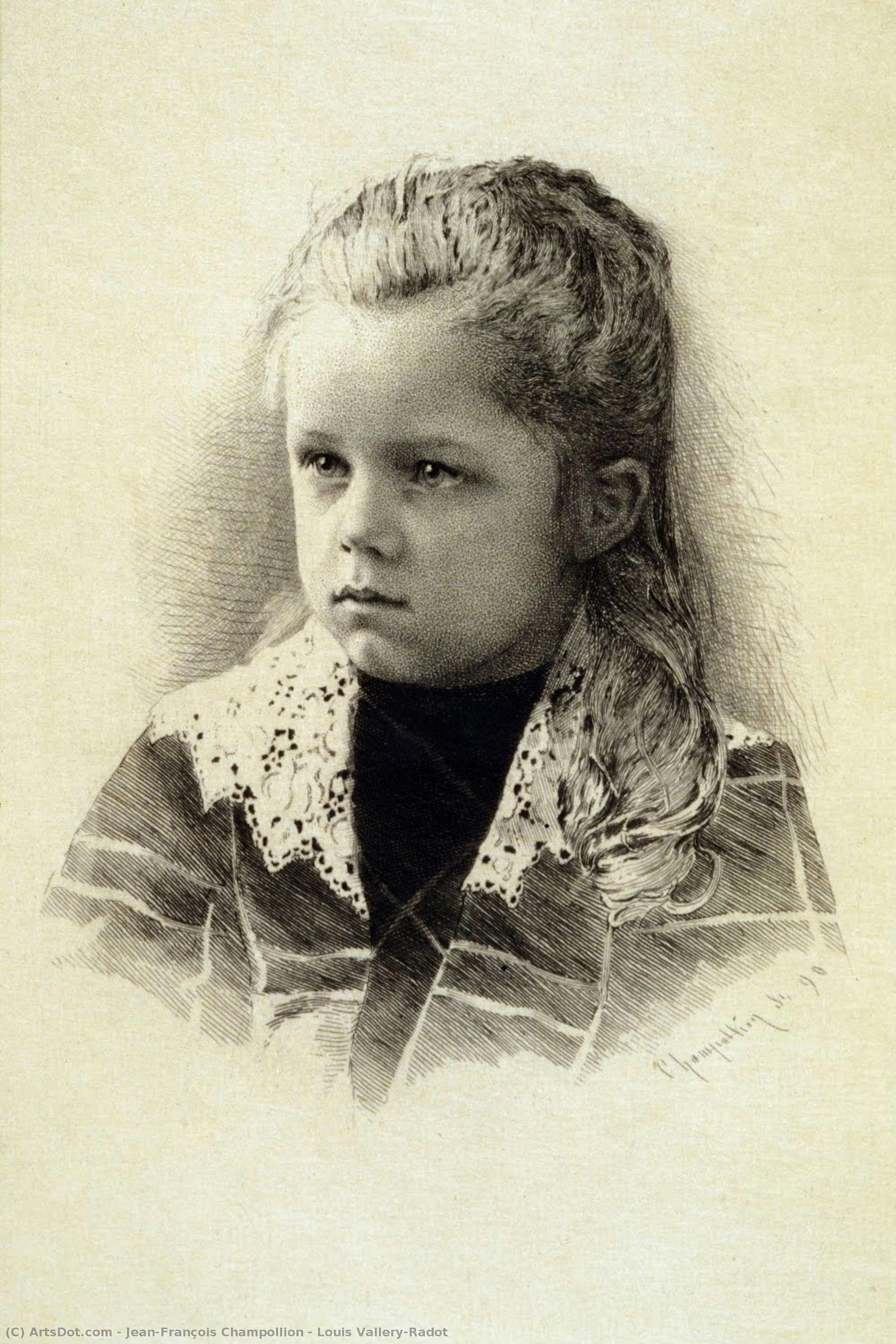
 プレビュー
プレビュー
 シェアする
シェアする シェアする
シェアする
 詳細を見る
詳細を見る

 ダウンロード
 似ている作品
 X線調査
X線調査 スライドショー
 統計情報
統計情報Louis Vallery-Radot

 詳細を見る
詳細を見る
オンラインプレビューをはるかに凌ぐ、高解像度で鮮明なデジタル画像をご購入いただけます。
各ファイルは、社内の専門家が高度なツールと熟練した手作業によるレタッチを用いて、細心の注意を払って準備されています。すべての画像において、卓越した鮮明度、正確な色彩再現性、そして繊細なディテールを保証いたします。
最終ファイルは、プロフェッショナルな編集・印刷環境ですぐにご利用いただけるよう最適化された状態で、72時間以内にメールにてお届けいたします。これは、一流のデザインスタジオ、出版社、ギャラリーから信頼されているものと同等の品質です。
デジタルアート
個人での鑑賞、印刷、クリエイティブなプロジェクト用に、高解像度ファイルをダウンロードできます。 ( プリント版に切り替え 手描きの絵画を購入)
デジタル画像のご注文に付随する特典
高品質なデジタル画像配信を、確かな品質で。
ArtsDot.com を選ぶことは、単に画像を手に入れることではありません。それは、プロの手によって精密に仕上げられ、満足保証が付いた高品質なデジタルアートワークを受け取ることを意味します。ご注文いただいた際に自動的に付随する内容は、以下の通りです:

メールですぐにお届け
ご注文から72時間以内に、高解像度のデジタル画像ファイルがメールでお手元に届きます。すぐにそのままご利用いただけます。

AI技術で最適化されたデジタルファイル
お客様の作品は、高度なAIツールと専門家による手作業の編集を組み合わせてプロフェッショナルに最適化されており、細部のディテール、鮮明さ、そして正確な色再現性を最大限に引き出しています。

一生涯無料の再送サービス
ファイルを誤って削除したり、紛失してしまったりしましたか?ご安心ください。いつでも無料で再送いたします。

輸入手数料は一切かかりません
関税や手数料、配送料を気にすることなく、お気に入りのアートワークをすぐにお楽しみいただけます。デジタルダウンロードは常に免税です。

色彩再現の保証
プロ仕様のツールとカラーマネジメント技術を用いることで、デジタル画像が元の色を最大限に忠実に再現することを保証いたします。

100日間満足保証
ご購入いただいたデジタル画像にご満足いただけない場合は、100日以内であれば、理由を問わず修正または100%の返金対応をさせていただきます。

100% 返金保証
ご満足いただけない場合は、デジタルファイルを受け取ってから100日以内であれば、理由を問わず全額返金いたします。

まとめ買い割引
3枚購入で10%OFF - 5枚購入で15%OFF - 10枚以上購入で20%OFF。クリエイティブなプロジェクト、ギャラリー、エージェンシーに最適です。
関連作品







作家の略歴
Jean-François Champollion: Unlocking the Secrets of Ancient Egypt
The name Jean-François Champollion resonates through the halls of archaeology and linguistics, inextricably linked to a pivotal moment in our understanding of human history. More than just a scholar, he was a revolutionary – a man who dared to challenge centuries of assumptions and, with painstaking dedication and brilliant insight, unveiled the intricate language and culture of ancient Egypt. Born in Figeac, France, in 1790, Champollion’s life was shaped by circumstance, intellectual curiosity, and an unwavering passion for deciphering the enigmatic hieroglyphs that adorned temples and tombs across the Nile Valley. His legacy isn't simply about translating symbols; it’s about opening a window into a civilization that had been shrouded in mystery for millennia.
Champollion’s early life was marked by personal tragedy and unusual upbringing. The death of his father, a book seller, at a young age left him largely raised by his elder brother, Jacques Joseph Champollion-Figeac – a scholar himself deeply immersed in the study of ancient languages. This environment fostered an extraordinary intellectual development from a remarkably young age. While traditional schooling proved inadequate for his burgeoning talents, Champollion’s prodigious memory and linguistic aptitude quickly surpassed any formal instruction. By the age of sixteen, he had already mastered six ancient Oriental languages – Latin, Greek, Hebrew, Chaldean, Arabic, and Syriac – demonstrating an unparalleled capacity for language acquisition that would later prove crucial to his groundbreaking work.
The Rosetta Stone and a Revolutionary Approach
The discovery of the Rosetta Stone in 1799 during Napoleon’s Egyptian campaign proved to be the catalyst for Champollion's career. This remarkable slab of granodiorite bore inscriptions in three scripts: hieroglyphic, demotic (a cursive form of Egyptian), and ancient Greek. Recognizing its potential significance, the French government entrusted the stone to scholars for study. While Thomas Young, a British scientist, made initial progress in identifying some of the hieroglyphs as phonetic symbols – representing sounds rather than ideas – Champollion recognized a more fundamental key. He hypothesized that the hieroglyphic script wasn’t solely symbolic but also contained an alphabetic component, utilizing royal names enclosed within cartouches (oval frames) to represent specific individuals.
Unlike Young's approach, which focused on deciphering individual words, Champollion systematically compared the Greek text with the corresponding hieroglyphic and demotic versions. He meticulously identified recurring patterns and established a direct correspondence between the names of Egyptian pharaohs – particularly Ptolemy and Cleopatra – and their hieroglyphic representations. This breakthrough allowed him to establish a phonetic value for many hieroglyphs, effectively unlocking the core of the ancient Egyptian language. It was a revolutionary approach, shifting the focus from purely symbolic interpretation to a more dynamic understanding of how the script functioned.
A Life Dedicated to Egyptology
Champollion’s work extended far beyond simply deciphering hieroglyphs; he became a leading figure in the nascent field of Egyptology. He meticulously documented his findings, publishing groundbreaking works such as *Précis du système hiéroglyphique des anciens Égyptiens* (1824) and *Panthéon égyptien* (1831-1836), which outlined the structure and grammar of the ancient Egyptian language. He also undertook an archaeological expedition to Egypt in 1828, further enriching his understanding of the culture and its material remains. Despite facing political challenges – including periods of exile due to his Bonapartist leanings – Champollion remained steadfast in his pursuit of knowledge, establishing a professorship at the Collège de France in 1831.
However, Champollion’s life was tragically cut short in 1832 at the age of forty-one. He died suddenly from tuberculosis, leaving behind an unfinished Egyptian grammar and dictionary – projects that would have undoubtedly further illuminated our understanding of this ancient civilization. Despite his untimely death, his legacy endures as the founder of modern Egyptology, forever changing our perception of ancient Egypt and its remarkable contribution to human history.
Champollion’s Enduring Significance
Jean-François Champollion's impact on the world is immeasurable. His decipherment of hieroglyphs didn't just provide access to Egyptian texts; it opened a gateway to an entire civilization, revealing its complex religious beliefs, political structures, and artistic achievements. It allowed historians to move beyond speculation and myth, accessing firsthand accounts of ancient Egyptian life. Furthermore, his methodology – emphasizing comparative linguistics and systematic analysis – became the cornerstone of Egyptological research, shaping the field for generations to come.
Beyond the academic realm, Champollion’s work has captured the public imagination, inspiring countless books, films, and documentaries. His story serves as a testament to the power of human curiosity, intellectual rigor, and the enduring quest to understand our past. The Rosetta Stone, now housed in the British Museum, stands as a potent symbol of his achievement – a tangible reminder that even the most impenetrable mysteries can be unlocked through dedication and insight.
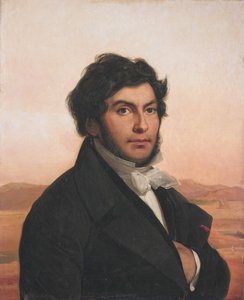
jean-françois champollion
1790 - 1832 , France
プロフィール概要
- Artistic Movement Or Style: Egyptology, Philology
- Artists Or Movements Influenced By This Artist:
- Léon Cogniet
- Egyptology
- Artists Who Influenced This Artist: ['Jacques Joseph Champollion-Figeac']
- Date Of Birth: December 23, 1790
- Date Of Death: March 4, 1832
- Full Name: Jean-François Champollion
- Nationality: French
- Notable Artworks: ['Rosetta Stone decipherment']
- Place Of Birth: Figueres, France