

 プレビュー
プレビュー
 プリントを購入
 シェアする
シェアする シェアする
シェアする
 詳細を見る
詳細を見る

 ダウンロード
 似ている作品
 X線調査
X線調査 スライドショー
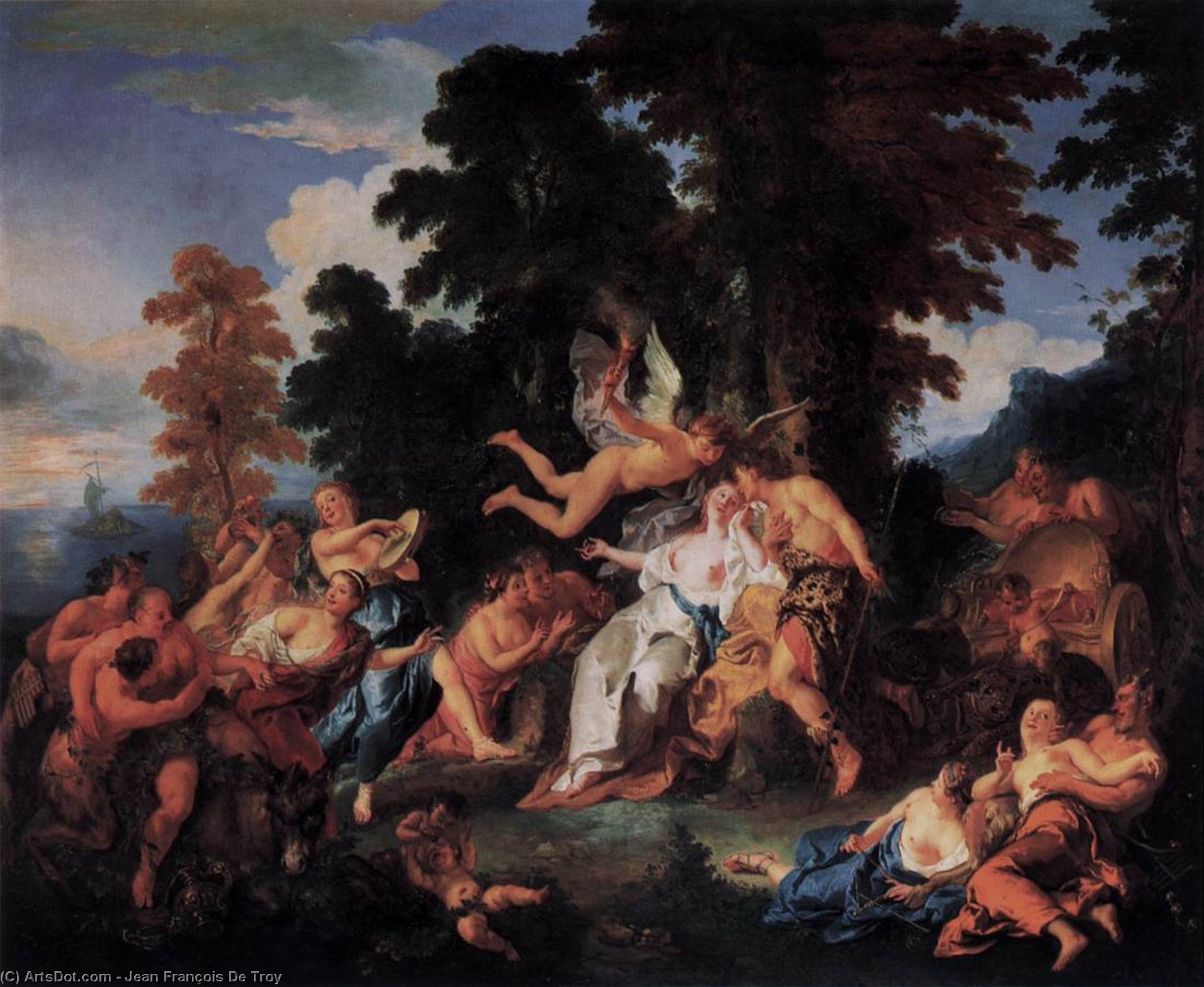
Bacchus and Ariadne
 Acrylic On Canvas
- WallArt
- Rococo
 1717
1717 140.0 x 165.0 cm
 国立博物館群
 詳細を見る
詳細を見る




P118B $10

P118H $10

P118W $10

P438Z $10

P508JH $12

P508YH $12

P805H $10

P805Z $10

P919BZ $10

P919G $10

P919XJ $10

P959ZH $10

P968JZ $12

W106C $8

W218G $10

W218JH $8

W218Y $10

W307PJ $10

W316G $10

W316PJ $8

W316Y $10

W398PJ $8

W4111J $10

W500HY $15

W500JH $15

W692G $12

W849H $8

W940BG $15

W953PJ $8




作品のオリジナル比率に合わせた、当店の規定サイズからお選びください。

特定のフレームやスペースに合わせて、ご希望のサイズをご入力いただけます。選択されたサイズが元の画像の比率と異なる場合、アートワークをトリミングするか、手描きで要素を追加して絵画を拡張いたします。デジタルモックアップ を制作し、制作開始前にご確認(承認)をいただきます。
画面上のプレビューは、実際のトリミングや拡張を正確に反映しているものではありません。最終的な構図は、モックアップによってのみ正確にご確認いただけます。
カスタムサイズもご利用いただけますが、元の比率を維持するためには、あらかじめ用意されたリストからサイズを選択することをお勧めいたします。
ご注文後、ArtsDot.com チームより詳細な指示をお送りするとともに、仕上がりイメージ(モックアップ)をご提供いたします。


 ガラスオプションは、110cm未満のサイズでのみご利用いただけます。

Bacchus and Ariadne
複製技法
複製画のサイズ
-


合計金額
$ 263
作品解説
A Dance with Gods and Nymphs: Jean-François de Troy’s “Bacchus and Ariadne”
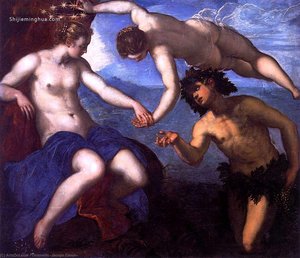
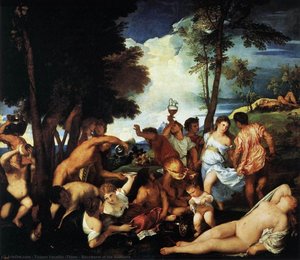
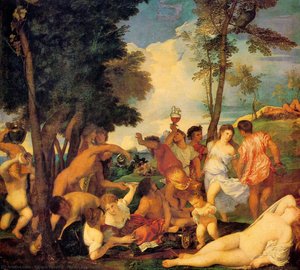
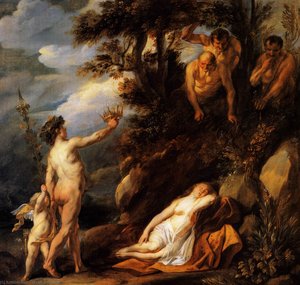
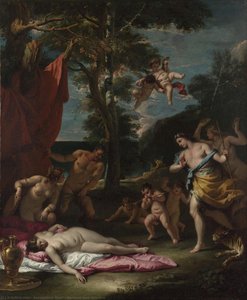
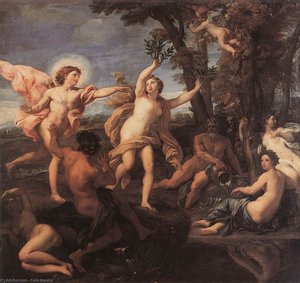
Jean-François de Troy's "Bacchus and Ariadne," painted in 1717, is not merely a depiction of a classical myth; it’s an immersive experience—a vibrant tableau brimming with sensual energy, theatrical drama, and the intoxicating allure of the Bacchanalian revelry. Measuring a substantial 140 x 165 cm on canvas, this masterpiece transports the viewer to a sun-drenched Sicilian shore, where the god Bacchus, in a moment of impulsive passion, sweeps the radiant Ariadne into his ecstatic embrace. More than just a narrative scene, it’s a distillation of Roman poetry and Venetian artistic sensibilities, expertly blended under de Troy's discerning hand.
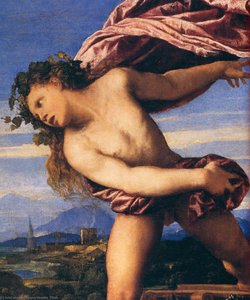
The painting immediately captivates with its dynamic composition. De Troy masterfully employs diagonal lines—the sweeping gesture of Bacchus leaping towards Ariadne, the receding shoreline, and the implied path leading to the distant ship – creating a sense of movement that pulls the eye through the scene. The figures themselves are rendered with an exquisite blend of realism and idealized beauty. Bacchus, depicted in mid-air, is not simply a god; he’s a force of nature—a whirlwind of limbs and ecstatic expression. Ariadne, initially caught by surprise, yields to his passion with a graceful surrender, her pose suggesting both vulnerability and delight. The supporting figures – satyrs, nymphs, and revelers – contribute to the chaotic yet harmonious atmosphere, each contributing to the overall sense of joyous abandon.
The Venetian Influence: Color, Light, and Texture
De Troy’s artistic lineage is deeply rooted in Venice, a city renowned for its vibrant color palettes and masterful use of light. This influence is strikingly evident in “Bacchus and Ariadne.” The painting explodes with rich hues—deep blues and greens dominate the sky and landscape, contrasted by the warm ochres and reds of Bacchus’s chariot and the figures surrounding him. De Troy skillfully employs chiaroscuro – the dramatic interplay of light and shadow – to sculpt the forms and heighten the sense of drama. Notice how the sunlight glints off the water, illuminating the scene with an almost palpable warmth. The artist's meticulous attention to texture is equally impressive; from the rough bark of the trees to the flowing drapery of the figures, every surface seems to possess a tactile quality.
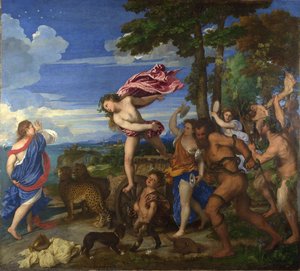
Furthermore, de Troy’s technique demonstrates a sophisticated understanding of Venetian painting principles. He utilizes loose brushstrokes and a vibrant color scheme reminiscent of Titian, while simultaneously incorporating elements of Baroque dynamism. This fusion creates a unique visual language—a harmonious blend of elegance and energy that is both captivating and deeply satisfying to the eye.
A Mythic Tapestry: Symbolism and Interpretation
Beyond its aesthetic beauty, “Bacchus and Ariadne” is rich in symbolic meaning. The scene draws upon the tales of Ovid and Catullus, portraying Bacchus’s impulsive love for Ariadne after she was abandoned by Theseus. This narrative explores themes of passion, loss, and redemption—a potent combination that resonated deeply with audiences of the era. The inclusion of the constellation Corona Borealis above Ariadne's head is a particularly poignant detail, symbolizing her elevation to the heavens as a reward for her beauty and grace.
The presence of the satyr, often depicted as a mischievous trickster, adds another layer of complexity to the scene. He represents the wildness and untamed nature of Bacchus’s domain, while also hinting at the potential dangers of unchecked passion. The distant ship, carrying Theseus away, serves as a stark reminder of Ariadne's abandonment and the fleeting nature of earthly love.
A Legacy of Elegance: De Troy’s Place in Art History
Jean-François de Troy stands as a pivotal figure bridging the Baroque and Rococo periods. His work exemplifies the elegance and sophistication that defined this era, while simultaneously retaining a strong connection to the artistic traditions of Venice. “Bacchus and Ariadne” is arguably his most celebrated masterpiece—a testament to his technical skill, compositional genius, and profound understanding of human emotion. It’s a painting that continues to captivate viewers centuries later, offering a glimpse into a world of gods, nymphs, and passionate encounters – a timeless celebration of beauty, drama, and the enduring power of myth.
アーティストの略歴
貴族の華やぎに浸された生涯
1645年、フランスのトゥールーズにて芸術の伝統が息づく家庭に生を受けたジャン=フランソワ・ド・トロワは、バロックからロココへと移り変わる時代の架け橋となる重要な役割を果たしました。彼の父アントワーヌ・ド・トロワは名高い画家であり、幼きジャン=フランソワに芸術の基礎を叩き込む最初の師となりました。この幼少期の経験に加え、パリでクロード・ルフェーヴルやニコラ=ピエール・ロワの下で学んだ研鑽が、後の彼のキャリアの礎となったのです。彼は単なる名高い肖像画家にとどまらず、ヨーロッパの王侯貴族から愛される芸術家へと登り詰めました。父や師匠たちから受け継いだ緻密な技法と、外見的な類似性のみならず人物の細やかな性格までも捉える審美眼は、彼が生涯を通じて磨き続けた至高の技術でした。また、ロワの義妹であるジャンヌ・コテルとの結婚は、パリの芸術界における彼の地位をより確固たるものにしました。王室の依頼から亡命宮廷へ
ド・トロワが初期に収めた成功は、天賦の才能と巧みな人脈形成の賜物でした。彼はルイ14世の寵姫として知られるモンテスパン夫人のような有力者たちの寵愛を瞬く間に受け、タペストリーのデザインや絵画制作を通じて、その成長著しい技量を披露していきました。宗教画や神話画を優雅かつ正確に描き出す能力は、彼が多様な主題をこなせる多才な芸術家であることを証明しました。しかし、彼を真の地位へと押し上げたのは、肖像画における卓越した技術、とりわけ当時の流行を追う社交界の描写でした。彼は貴族たちが選ぶ「至高の画家」となり、キャンバスの上に彼らの優雅さと社会的地位を永遠に刻み込んだのです。この時期、彼はメイン公ルイ・オーギュストとその妻ルイーズ=ベネディクト・ド・ブルボンを描き、貴族生活の記録者としての名声を不動のものにしました。その後、彼のキャリアは劇的な転換を迎えます。ジェームズ2世がサン=ジェルマン=アン=レーへ亡命した際、ド・トロワは亡命宮廷の首席画家へと任命されました。この地位は彼に経済的な安定をもたらしただけでなく、ヨーロッパの政治的陰謀と芸術的パトロンが交錯する中心地へと彼を導いたのです。「タブロ・ド・モード」と芸術的革新
伝統的な肖像画において熟達していた一方で、ジャン=フランソワ・ド・トロワが今日最も記憶されているのは、革新的な「タブロ・ド・モード(流行の情景)」を手掛けたことかもしれません。これらは単なる肖像画ではありませんでした。当時のフランス上流階級の余暇、社交習慣、そして豪華絢爛な周囲の環境を鮮やかに切り取った、時代の一瞬の断片だったのです。「狩りの朝食」(1737年)や「牡蠣の昼食」(1735年)といった作品はその代表例であり、洗練された享楽とゆったりとした時間の流れを描き出しています。これらの絵画は単なる装飾品ではなく、貴族たちの価値観や憧れを垣間見せる窓となり、それ自体が極めて価値の高いステータスシンボルとなりました。この独自のジャンルによって、ド・トロワは絹やサテン、磁器、そして銀の輝きといった質感を見事に再現する技量を披露し、細かな物語性に満ちたダイナミックな構図を生み出しました。彼は単に人々を描いたのではありません。彼は一つの「ライフスタイル」そのものを描き出したのです。遺産と永続する影響力
ド・トロワの影響は、彼自身の芸術的成果の枠を超えて広がっていました。1738年からはローマ・フランス・アカデミーのディレクターを務め、次世代の芸術家たちの形成に寄与しました(その任期中には私的な放蕩による論争もありましたが)。彼は息子であるジャン=フランソワ・ド・トロワ(子)をはじめ、アンドレ・ブワやジョン・クロスターマンといった多くの弟子を育成し、自らの技術的専門知識と芸術的感性を継承させました。彼の作品は18世紀を通じて称賛され続け、ヨーロッパ全土の肖像画や風俗画に影響を与えました。晩年には個人的な葛藤によるローマからの召還といった挫折も経験しましたが、フランス美術への彼の貢献は極めて重大なものです。1730年、パリにて85歳でその生涯を閉じましたが、彼が遺した優雅な肖像画と魅惑的なタブロ・ド・モードは、当時の芸術界に消えることのない足跡を残しました。技術的な輝き、洞察に満ちた社会批評、そして不変の美しさを湛えた彼の絵画は、ある時代の栄華を捉えることに捧げられた生涯の証として、今なお人々の心を捉えて離しません。彼の作品は、フランス貴族の世界への魅惑的な窓であり、彼らがどのような姿をしていたかだけでなく、いかに生きていたかを私たちに語りかけてくれるのです。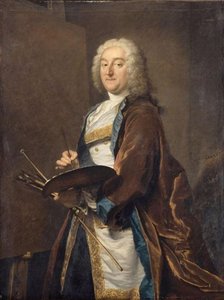
ジャン=フランソワ・ド・トロワ
1645 - 1730 , フランス
基本情報
- Artistic Movement Or Style: ロココ、バロック
- Artists Or Movements Influenced By This Artist:
- アンドレ・ブワ
- ジョン・クロスターマン
- Artists Who Influenced This Artist:
- クロード・ルフェーヴル
- ニコラ=ピエール・ロワ
- Date Of Birth: 1645年1月9日
- Date Of Death: 1730年
- Full Name: ジャン=フランソワ・ド・トロワ
- Nationality: フランス
- Notable Artworks:
- リチャード・タルボット、第1代伯爵...
- ダイアナとしてのレディ・メアリー・ハーバート
- ジュール・アルドゥアン=マンサール
- エリザベート・ジャケ・ド・ラ...
- 肖像画:...
- Place Of Birth: フランス、トゥールーズ
関連記事

華麗なるロココ:芸術史を彩る10大傑作の世界
華麗なるロココ美術の世界へ。バロックから生まれた優雅な芸術、その10大傑作を徹底解説!ブーシェ、フロマンなど巨匠たちの技と物語を紐解き、お部屋を彩るアートを見つけよう。ArtsDot.comで至高の美術館品質レプリカとインテリアアイデアを発見。
Neo-Classicism's Greatest Hits: 10 Masterpieces for Your Home |
Journey through Neo-Classicism's finest! Explore 10 iconic masterpieces by David, Ingres & Canova. Discover art history, techniques & timeless beauty – perfect for inspiring your home decor. Find museum-quality reproductions at
Echoes of Olympus: Mythological Narratives in Western Art Through the Ages
Explore the captivating history of mythological narratives in Western art! From ancient Greece to modern masterpieces, discover iconic artworks & symbolism. Expert analysis and high-quality reproductions at ArtsDot.
The Enduring Legacy of Classicism: Principles, Evolution & Influence in Western Art
Explore the enduring legacy of Classicism in Western art! Discover its historical context, key principles, iconic masterpieces & lasting influence. Learn about Renaissance and Neoclassical movements with ArtsDot.

The Rococo Aesthetic: Opulence, Rebellion & the Pursuit of Pleasure in 18th-Century Art
Explore the opulent world of Rococo art! Discover its origins, key artists like Watteau & Boucher, and lasting influence on design. Expert insights for collectors & enthusiasts.

