

 プレビュー
プレビュー
 シェアする
シェアする シェアする
シェアする
 詳細を見る
詳細を見る

 ダウンロード
 似ている作品
 X線調査
X線調査 スライドショー
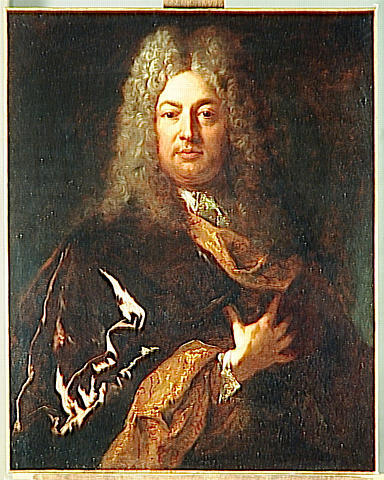
PORTRAIT D'HOMME


 詳細を見る
詳細を見る
ジークレー/アートプリント
迅速な制作と多彩な仕上げオプションを備えた、ミュージアムクオリティのジークレーまたはキャンバスプリント。 ( 手描きの絵画を購入 画像を購入)




P118B $10

P118H $10

P118W $10

P438Z $10

P508JH $12

P508YH $12

P805H $10

P805Z $10

P919BZ $10

P919G $10

P919XJ $10

P959ZH $10

P968JZ $12

W106C $8

W218G $10

W218JH $8

W218Y $10

W307PJ $10

W316G $10

W316PJ $8

W316Y $10

W398PJ $8

W4111J $10

W500HY $15

W500JH $15

W692G $12

W849H $8

W940BG $15

W953PJ $8




作品のオリジナル比率に合わせた、当店の規定サイズからお選びください。

特定のフレームやスペースに合わせて、ご自身でサイズを指定することも可能です。選択されたサイズが元の画像の比率と一致しない場合、作品をトリミングするか、鏡面反射または単色での塗りつぶしによって画像を拡張いたします。制作を開始する前に、ご確認用のデジタルモックアップをお送りいたします。
画面上のプレビューには、実際のトリミングや拡張は反映されませんのでご注意ください。最終的な構図を正確に確認できるのは、モックアップのみとなります。
カスタムサイズも承っておりますが、元の比率を維持するためには、あらかじめ用意されたリストからサイズを選択することをお勧めいたします。


 ガラスオプションは、110cm未満のサイズでのみご利用いただけます。

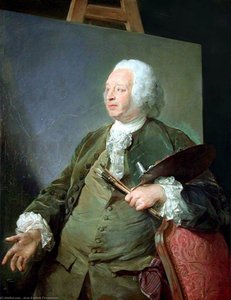
PORTRAIT D'HOMME
ジークレー/アートプリント
複製画のサイズ
-


合計金額
$ 62
作品詳細説明
Jean-François de Troy: A Master of Baroque Elegance
Jean-François de Troy (1645–1730) stands as a pivotal figure in the artistic landscape of late 17th and early 18th century France, bridging the opulent grandeur of the Baroque era with the burgeoning sensibilities of the Rococo style. His legacy resides primarily in his remarkable portraits—particularly those commissioned by European royalty—where he achieved an unparalleled level of realism combined with a profound understanding of psychological nuance.
The Artist's Origins and Influences
Born into a family steeped in artistic tradition in Toulouse, France, Troy’s formative years were shaped by the presence of his father, Antoine de Troy, a painter who instilled within him a meticulous technique and an appreciation for capturing both physical likeness and the inner character of his subjects. This early exposure extended beyond familial guidance; Troy diligently studied under Claude Lefèbvre and Nicolas-Pierre Loir in Paris, absorbing the stylistic innovations that would define his artistic trajectory.
A Portraitist's Signature Style: Baroque Precision Meets Rococo Grace
Troy’s distinctive style embodies a harmonious blend of Baroque precision and Rococo grace. Like many artists of his time, he adhered to classical principles of composition—centering the figure against a subdued background—yet infused his canvases with subtle decorative elements characteristic of the Rococo movement. The artist skillfully employed chiaroscuro, manipulating light and shadow to sculpt form and heighten dramatic effect, mirroring techniques prevalent in Baroque painting.
Detailed Analysis: Composition & Technique
- Composition: Troy’s portraits are meticulously balanced, with the subject positioned slightly off-center—a deliberate choice that creates dynamism within the frame. The gaze of the sitter directs towards the viewer, establishing a powerful connection and conveying confidence. Drapery is strategically draped to add visual interest and texture, enhancing the overall aesthetic appeal.
- Technique: Primarily utilizing oil paint on canvas, Troy achieved remarkable realism through layering colors and blending brushstrokes with painstaking precision. Glazes were skillfully applied to imbue depth and luminosity into the skin tones and fabrics—a hallmark of Baroque artistry. The artist’s meticulous attention to detail ensured that every nuance was captured accurately.
Historical Context & Artistic Influences
“Portrait d'homme” stands as a testament to the artistic fervor of the late 17th century, firmly rooted in the Baroque period—a movement characterized by grandeur, emotion, and dramatic ornamentation. Troy’s work reflects the prevailing stylistic trends of his time, drawing inspiration from masters like Rembrandt and Rubens. The portrait exemplifies the humanist ideals championed during this era, celebrating human dignity and intellect.
Detailed Analysis: Composition & Color Palette
The painting's composition is deliberately centered around the subject’s face—a technique common in Baroque portraits designed to convey authority and introspection. The subtle off-center placement of the figure introduces a dynamic balance, guiding the viewer’s gaze directly towards his eyes. Troy skillfully employs a warm earth tone palette dominated by browns, golds, and creams—colors that evoke warmth, richness, and sophistication. These hues are subtly modulated to create depth and dimension within the portrait.
Technique & Material Considerations
Troy’s masterful use of oil paint on canvas exemplifies Baroque artistic excellence. Layers of pigment were meticulously blended to achieve smooth transitions and realistic textures—a hallmark of the period. Glazes, translucent washes of color applied over underlying layers, further enhanced luminosity and depth, capturing the subtle nuances of light and shadow. The artist's meticulous attention to detail is evident in every brushstroke.
Historical Context & Artistic Significance
Created during the Baroque era (approximately 1670-1730), “Portrait d’homme” reflects the artistic sensibilities of its time—characterized by grandeur, drama, and an obsession with realism. Jean-François de Troy's work stands as a testament to the enduring legacy of European portraiture, capturing not only physical likeness but also conveying profound psychological insight. It exemplifies the stylistic conventions prevalent in aristocratic circles during Louis XIV’s reign, showcasing refined taste and artistic ambition.
- Subject Matter: The artwork depicts a male figure presented in a three-quarter pose against a dark, indistinct background—a typical compositional choice for portraits of nobility during the Baroque period.
- Style: “Portrait d’homme” adheres to the Baroque style, prioritizing dramatic lighting and meticulous detail to convey both physical appearance and inner character. Its influence can be traced back to artists like Rembrandt and Rubens.
- Technique: Executed in oil paint on canvas, the piece demonstrates a masterful blending of brushstrokes—a hallmark of Baroque painting—resulting in smooth transitions and realistic textures. Glazes were likely employed to enhance luminosity and depth.
- Historical Context: Created around 1700-1800 (XVIIIe siècle), “Portrait d’homme” reflects the opulent artistic patronage of European royalty, particularly Louis XIV in France. It embodies the grandeur and sophistication associated with the Baroque era.
- Symbolism & Emotional Impact: The man's direct gaze communicates confidence and authority—a deliberate stylistic element intended to convey prestige and social status. The elaborate wig and clothing symbolize wealth and aristocratic lineage, evoking feelings of admiration and contemplation.
- Provenance & Context The painting’s origins lie in Toulouse, France, where Jean-François de Troy honed his artistic skills under the tutelage of masters like Claude Lefebvre and Nicolas Pierre Loir. This formative period instilled within him a meticulous approach to observation and representation—a hallmark of Baroque artistry that would continue to inform his oeuvre.
- Subject Matter & Composition The central figure is presented in a three-quarter pose against a subtly textured dark background, emphasizing the face and upper torso. De Troy skillfully employs compositional balance, positioning the subject slightly off-center to create dynamism while directing the viewer’s gaze—a technique common in portraits designed to convey confidence and authority.
A Window into the Baroque Era
“Portrait d’homme,” attributed to Jean-François de Troy (1645–1730), stands as a quintessential example of Rococo portraiture—a transitional style bridging the dramatic grandeur of the Baroque and the playful elegance of its successor. Painted sometime between 1700 and 1800, this artwork captures not merely likeness but also embodies the spirit of its time: an era defined by aristocratic patronage, refined sensibilities, and a fascination with illusionistic beauty.関連作品




![Three Studies Of A Woman's Head And A Study Of Hands [recto], — ワトー, Rococo Style](/media/artworks/images-thumb/65/73/65730255a762c06e3235059db7ffcb5f.jpg)
アーティストの略歴
貴族の華やぎに浸された生涯
1645年、フランスのトゥールーズにて芸術の伝統が息づく家庭に生を受けたジャン=フランソワ・ド・トロワは、バロックからロココへと移り変わる時代の架け橋となる重要な役割を果たしました。彼の父アントワーヌ・ド・トロワは名高い画家であり、幼きジャン=フランソワに芸術の基礎を叩き込む最初の師となりました。この幼少期の経験に加え、パリでクロード・ルフェーヴルやニコラ=ピエール・ロワの下で学んだ研鑽が、後の彼のキャリアの礎となったのです。彼は単なる名高い肖像画家にとどまらず、ヨーロッパの王侯貴族から愛される芸術家へと登り詰めました。父や師匠たちから受け継いだ緻密な技法と、外見的な類似性のみならず人物の細やかな性格までも捉える審美眼は、彼が生涯を通じて磨き続けた至高の技術でした。また、ロワの義妹であるジャンヌ・コテルとの結婚は、パリの芸術界における彼の地位をより確固たるものにしました。王室の依頼から亡命宮廷へ
ド・トロワが初期に収めた成功は、天賦の才能と巧みな人脈形成の賜物でした。彼はルイ14世の寵姫として知られるモンテスパン夫人のような有力者たちの寵愛を瞬く間に受け、タペストリーのデザインや絵画制作を通じて、その成長著しい技量を披露していきました。宗教画や神話画を優雅かつ正確に描き出す能力は、彼が多様な主題をこなせる多才な芸術家であることを証明しました。しかし、彼を真の地位へと押し上げたのは、肖像画における卓越した技術、とりわけ当時の流行を追う社交界の描写でした。彼は貴族たちが選ぶ「至高の画家」となり、キャンバスの上に彼らの優雅さと社会的地位を永遠に刻み込んだのです。この時期、彼はメイン公ルイ・オーギュストとその妻ルイーズ=ベネディクト・ド・ブルボンを描き、貴族生活の記録者としての名声を不動のものにしました。その後、彼のキャリアは劇的な転換を迎えます。ジェームズ2世がサン=ジェルマン=アン=レーへ亡命した際、ド・トロワは亡命宮廷の首席画家へと任命されました。この地位は彼に経済的な安定をもたらしただけでなく、ヨーロッパの政治的陰謀と芸術的パトロンが交錯する中心地へと彼を導いたのです。「タブロ・ド・モード」と芸術的革新
伝統的な肖像画において熟達していた一方で、ジャン=フランソワ・ド・トロワが今日最も記憶されているのは、革新的な「タブロ・ド・モード(流行の情景)」を手掛けたことかもしれません。これらは単なる肖像画ではありませんでした。当時のフランス上流階級の余暇、社交習慣、そして豪華絢爛な周囲の環境を鮮やかに切り取った、時代の一瞬の断片だったのです。「狩りの朝食」(1737年)や「牡蠣の昼食」(1735年)といった作品はその代表例であり、洗練された享楽とゆったりとした時間の流れを描き出しています。これらの絵画は単なる装飾品ではなく、貴族たちの価値観や憧れを垣間見せる窓となり、それ自体が極めて価値の高いステータスシンボルとなりました。この独自のジャンルによって、ド・トロワは絹やサテン、磁器、そして銀の輝きといった質感を見事に再現する技量を披露し、細かな物語性に満ちたダイナミックな構図を生み出しました。彼は単に人々を描いたのではありません。彼は一つの「ライフスタイル」そのものを描き出したのです。遺産と永続する影響力
ド・トロワの影響は、彼自身の芸術的成果の枠を超えて広がっていました。1738年からはローマ・フランス・アカデミーのディレクターを務め、次世代の芸術家たちの形成に寄与しました(その任期中には私的な放蕩による論争もありましたが)。彼は息子であるジャン=フランソワ・ド・トロワ(子)をはじめ、アンドレ・ブワやジョン・クロスターマンといった多くの弟子を育成し、自らの技術的専門知識と芸術的感性を継承させました。彼の作品は18世紀を通じて称賛され続け、ヨーロッパ全土の肖像画や風俗画に影響を与えました。晩年には個人的な葛藤によるローマからの召還といった挫折も経験しましたが、フランス美術への彼の貢献は極めて重大なものです。1730年、パリにて85歳でその生涯を閉じましたが、彼が遺した優雅な肖像画と魅惑的なタブロ・ド・モードは、当時の芸術界に消えることのない足跡を残しました。技術的な輝き、洞察に満ちた社会批評、そして不変の美しさを湛えた彼の絵画は、ある時代の栄華を捉えることに捧げられた生涯の証として、今なお人々の心を捉えて離しません。彼の作品は、フランス貴族の世界への魅惑的な窓であり、彼らがどのような姿をしていたかだけでなく、いかに生きていたかを私たちに語りかけてくれるのです。
ジャン=フランソワ・ド・トロワ
1645 - 1730 , フランス
基本情報
- Artistic Movement Or Style: ロココ、バロック
- Artists Or Movements Influenced By This Artist:
- アンドレ・ブワ
- ジョン・クロスターマン
- Artists Who Influenced This Artist:
- クロード・ルフェーヴル
- ニコラ=ピエール・ロワ
- Date Of Birth: 1645年1月9日
- Date Of Death: 1730年
- Full Name: ジャン=フランソワ・ド・トロワ
- Nationality: フランス
- Notable Artworks:
- リチャード・タルボット、第1代伯爵...
- ダイアナとしてのレディ・メアリー・ハーバート
- ジュール・アルドゥアン=マンサール
- エリザベート・ジャケ・ド・ラ...
- 肖像画:...
- Place Of Birth: フランス、トゥールーズ
関連記事

The Rococo Aesthetic: Opulence, Rebellion & the Pursuit of Pleasure in 18th-Century Art
Explore the opulent world of Rococo art! Discover its origins, key artists like Watteau & Boucher, and lasting influence on design. Expert insights for collectors & enthusiasts.

ゴヤ傑作25選:スペインの魂を揺さぶる、深遠な芸術の世界 | ArtsDot
ゴヤ傑作25選:ロマン主義を代表するスペインの巨匠、フランシスコ・デ・ゴヤの世界へ。黒衣の女からマハまで、魂を揺さぶる絵画の物語と技法を紐解きます。ArtsDotで高品質なアートレプリカを見つけ、インテリアに深みと風格を。今すぐコレクションをご覧ください。
From Grandeur to Grace: Exploring the Evolution of Baroque & Rococo Art
Explore the captivating evolution from Baroque's drama to Rococo's grace! Discover key artists, characteristics & lasting influence of these art movements with expert insights at ArtsDot.

華麗なるロココ:芸術史を彩る10大傑作の世界
華麗なるロココ美術の世界へ。バロックから生まれた優雅な芸術、その10大傑作を徹底解説!ブーシェ、フロマンなど巨匠たちの技と物語を紐解き、お部屋を彩るアートを見つけよう。ArtsDot.comで至高の美術館品質レプリカとインテリアアイデアを発見。
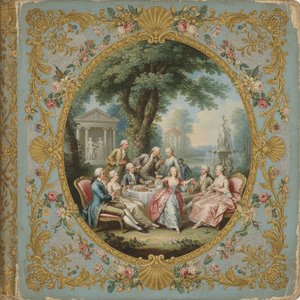
The Rococo Style: Aristocratic Leisure & the Pursuit of Delight in 18th-Century Art
Explore the opulent world of Rococo art! Discover Watteau, Boucher & Nattier's masterpieces. Expert insights for collectors seeking museum-quality reproductions and custom portraits at ArtsDot.

