

 プレビュー
プレビュー
 プリントを購入
 シェアする
シェアする シェアする
シェアする
 詳細を見る
詳細を見る

 ダウンロード
 似ている作品
 X線調査
X線調査 スライドショー
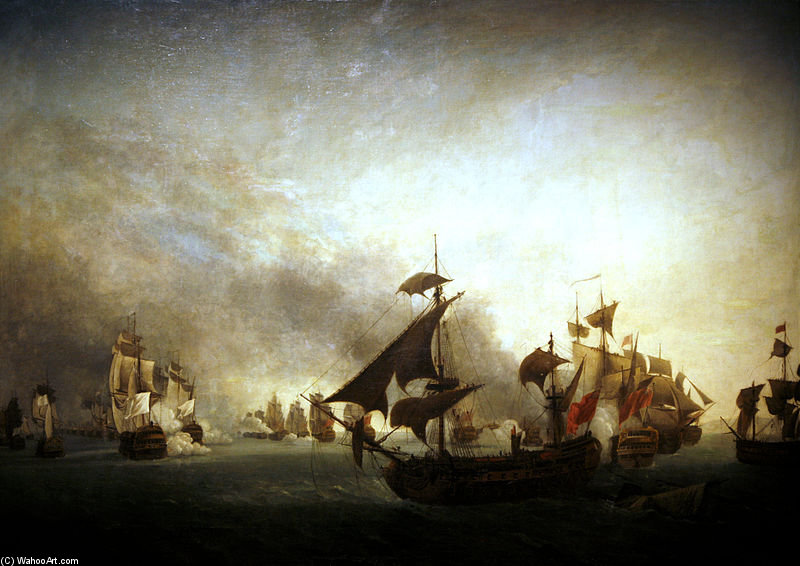
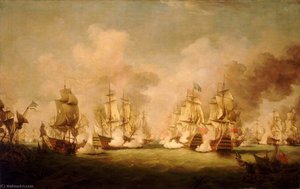
Battle Of Granada
 詳細を見る
詳細を見る




































作品のオリジナル比率に合わせた、当店の規定サイズからお選びください。

特定のフレームやスペースに合わせて、ご希望のサイズをご入力いただけます。選択されたサイズが元の画像の比率と異なる場合、アートワークをトリミングするか、手描きで要素を追加して絵画を拡張いたします。デジタルモックアップ を制作し、制作開始前にご確認(承認)をいただきます。
画面上のプレビューは、実際のトリミングや拡張を正確に反映しているものではありません。最終的な構図は、モックアップによってのみ正確にご確認いただけます。
カスタムサイズもご利用いただけますが、元の比率を維持するためには、あらかじめ用意されたリストからサイズを選択することをお勧めいたします。
ご注文後、ArtsDot.com チームより詳細な指示をお送りするとともに、仕上がりイメージ(モックアップ)をご提供いたします。


 ガラスオプションは、110cm未満のサイズでのみご利用いただけます。

Battle Of Granada
複製技法
複製画のサイズ
-


合計金額
$ 263
関連作品

アーティストの略歴
The Painter of Ethereal Light: The Life and Legacy of Jean-François Hue
In the grand tapestry of French art history, certain names shine with a blinding brilliance, while others exist as subtle, evocative threads that provide depth and texture to the era. Jean-François Hue (1751–1823) belongs to that second, more intimate category—a master whose brush captured the quiet transitions of light and the profound stillness of the landscape. Born in the serene surroundings of Saint-Arnoult-en-Yvelines, France, Hue’s life spanned one of the most turbulent yet creatively fertile periods in European history. While his early years were shaped by the structured elegance of the late 18th century, his artistic soul was destined to wander through the emotive landscapes of the Romantic movement, finding beauty in both the classical order and the untamed sublime.
The foundation of Hue’s technical prowess can be traced back to his formative training under the legendary Jean-Baptiste Oudry. A master of Neoclassical precision and botanical accuracy, Oudry instilled in his pupil a rigorous discipline regarding observation. From this mentorship, Hue inherited an uncanny ability to render the minute details of nature—the delicate curve of a leaf or the precise texture of stone. However, as the winds of change swept through France, so too did they sweep through Hue’s aesthetic sensibilities. He began to move away from the rigid, idealized forms of Neoclassicism, gravitating instead toward the burgeoning Romantic spirit that sought to evoke emotion and awe through the depiction of nature's grandeur.
A Journey Through Light and Landscape
Hue’s oeuvre is a testament to his travels and his deep fascination with the atmospheric qualities of the European countryside. He became particularly renowned for his depictions of Italy, where the Mediterranean light offered a new vocabulary for his palette. His works centered around locations such as Castel Gandolfo, where he demonstrated a remarkable sensitivity to the ephemeral glow of sunset over Lake Albano. In these canvases, one does not merely see a landscape; one feels the warmth of the fading sun and the cooling shadows of the approaching dusk. This mastery of light allowed him to bridge the gap between mere topographical recording and true emotional storytelling.
His artistic development was characterized by a seamless blending of his early training with his later Romantic inclinations. While his compositions often retained a sense of classical balance, his use of color and brushwork grew increasingly fluid and atmospheric. This duality is perhaps most evident in his more monumental works, such as “Visiting The Camp At Boulogne,” where he utilized a Neoclassical tableau to commemorate significant historical moments, yet infused the scene with a sense of movement and drama that hinted at the shifting tides of the era. His ability to navigate between the structured and the spontaneous allowed him to capture both the permanence of the earth and the fleeting nature of a moment.
Historical Significance and Artistic Enduring Spirit
Though much of his legacy resides in the quiet corners of art history, the significance of Jean-François Hue lies in his role as a transitional figure. He stood at the crossroads of two worlds: the disciplined, observational tradition of the 18th century and the emotive, subjective passion of the 19th century. His work serves as a vital link in understanding how landscape painting evolved from a secondary genre into a primary vehicle for human expression. Through his eyes, we see the European landscape not just as scenery, but as a mirror to the human spirit—capable of both profound tranquility and overwhelming majesty.
Today, the works of Hue continue to captivate collectors and historians alike, offering a window into a lost era of painterly grace. His ability to find the extraordinary within the ordinary—a garden view, a distant mountain, or a sun-drenched lake—remains his greatest achievement. As we look upon his canvases, we are reminded that true artistry does not always require loud proclamations; sometimes, it is found in the softest light and the most silent landscapes.
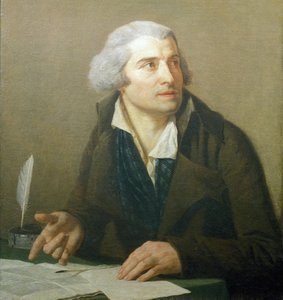
jean francois hue
1751 - 1823 , France
基本情報
- Artistic Movement Or Style: Romanticism
- Date Of Birth: Saint-Arnoult-en-Yvelines, France (1751)
- Date Of Death: 1823
- Full Name: Jean François Hue
- Nationality: French
- Notable Artworks:
- Visiting The Camp At Boulogne
- Port De Brest
- Italian landscape, setting sun
- Place Of Birth: France

