 プレビュー
プレビュー
 シェアする
シェアする シェアする
シェアする
 詳細を見る
詳細を見る

 ダウンロード
 似ている作品
 X線調査
X線調査 スライドショー
 Stats
StatsA stonemason
 Acrylic On Canvas
- WallArt
- Barbizon School
 36.0 x 21.0 cm
 詳細を見る
詳細を見る
ジークレー/アートプリント
迅速な制作と多彩な仕上げオプションを備えた、ミュージアムクオリティのジークレーまたはキャンバスプリント。 ( 手描きの絵画を購入 Switch to Digital Image)




P118B $10

P118H $10

P118W $10

P438Z $10

P508JH $12

P508YH $12

P805H $10

P805Z $10

P919BZ $10

P919G $10

P919XJ $10

P959ZH $10

P968JZ $12

W106C $8

W218G $10

W218JH $8

W218Y $10

W307PJ $10

W316G $10

W316PJ $8

W316Y $10

W398PJ $8

W4111J $10

W500HY $15

W500JH $15

W692G $12

W849H $8

W940BG $15

W953PJ $8




作品のオリジナル比率に合わせた、当店の規定サイズからお選びください。

特定のフレームやスペースに合わせて、ご自身でサイズを指定することも可能です。選択されたサイズが元の画像の比率と一致しない場合、作品をトリミングするか、鏡面反射または単色での塗りつぶしによって画像を拡張いたします。制作を開始する前に、ご確認用のデジタルモックアップをお送りいたします。
画面上のプレビューには、実際のトリミングや拡張は反映されませんのでご注意ください。最終的な構図を正確に確認できるのは、モックアップのみとなります。
カスタムサイズも承っておりますが、元の比率を維持するためには、あらかじめ用意されたリストからサイズを選択することをお勧めいたします。


 ガラスオプションは、110cm未満のサイズでのみご利用いただけます。

A stonemason
ジークレー/アートプリント
複製画のサイズ
-


合計金額
$ 62
The Weight of Labor: An Encounter with Millet’s “A Stonemason”
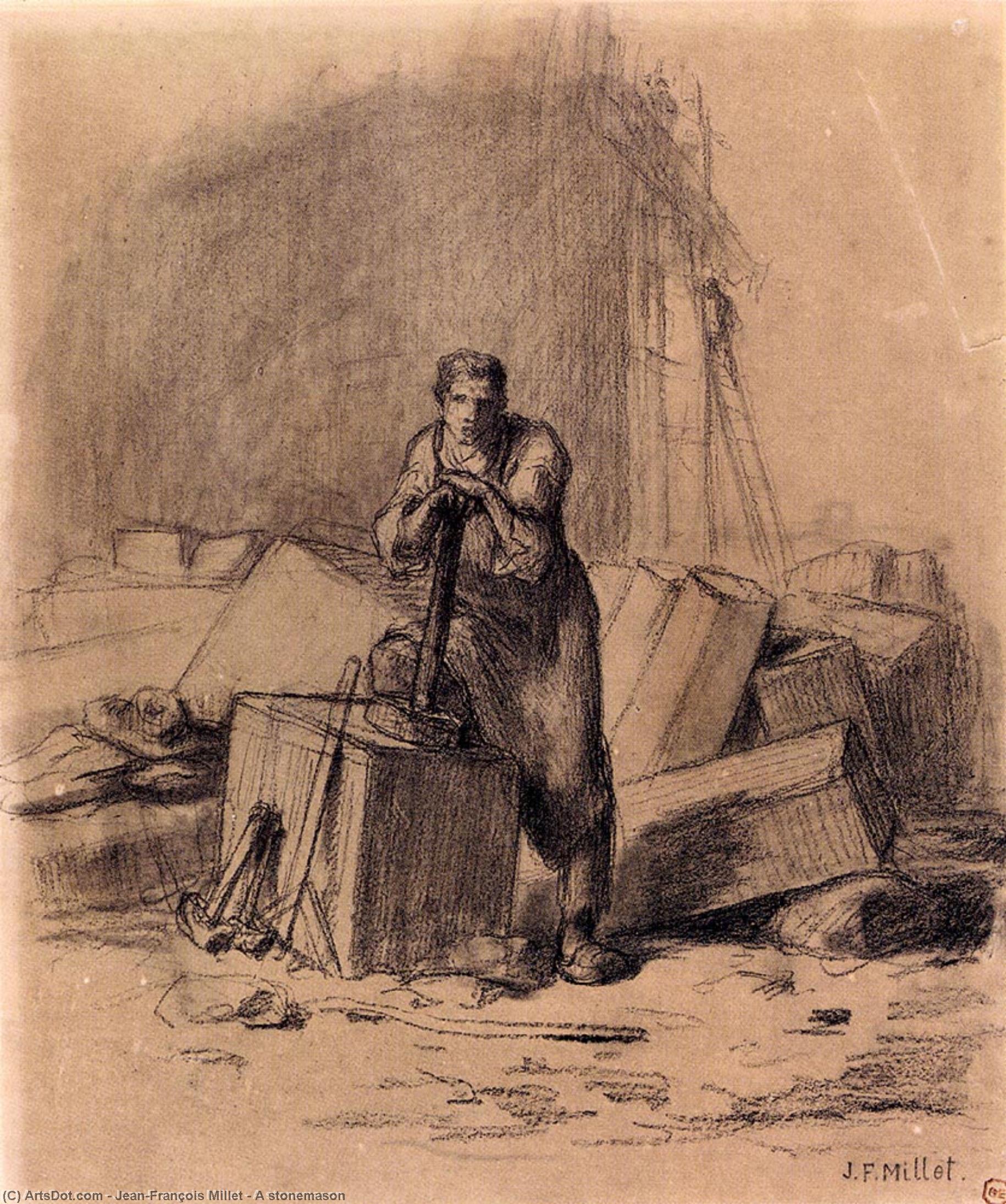
Jean-François Millet's "A Stonemason," rendered here as a meticulously hand-painted reproduction, isn’t merely a depiction of a man at work; it’s a profound meditation on the dignity and hardship inherent in rural life. Created around 1850, this evocative black and white drawing transports us to the heart of 17th-century Normandy, capturing a moment of quiet intensity within the rhythmic cycle of agricultural labor. The image presents a solitary stonemason, his weathered face etched with years of toil, holding a hammer poised above a pile of rubble – a testament to both physical strength and enduring resilience.
Millet’s artistic journey was inextricably linked to the land he depicted. Born in Gruchy, a small Norman village steeped in farming traditions, Millet's early life was defined by the rhythms of harvest and the demands of rural existence. This intimate connection profoundly shaped his artistic vision, driving him to portray the lives of peasants with an unprecedented level of realism and empathy. Unlike many artists of his time who idealized rural subjects, Millet sought to capture the honest, unvarnished truth of their daily struggles – a radical departure that would ultimately define the Barbizon School’s approach to landscape painting.
Barbizon Realism: A Shift in Artistic Perspective
“A Stonemason” stands as a cornerstone of the Barbizon School, an artistic movement that emerged in the mid-19th century. Rejecting the polished surfaces and theatrical compositions favored by the established Salon artists, the Barbizon painters sought to capture the essence of nature – and humanity’s relationship with it – through direct observation and a commitment to portraying everyday life. Millet's work exemplifies this shift, eschewing romanticized ideals in favor of a starkly realistic portrayal of a working man. The muted tones, the rough textures of the stone and clothing, and the unadorned simplicity of the scene all contribute to a sense of authenticity that resonates deeply with the viewer.
The composition itself is carefully constructed to convey both the physical exertion and the quiet determination of the stonemason. The figure dominates the frame, his broad shoulders and powerful stance suggesting immense strength. Yet, there’s also an undeniable vulnerability in his posture – a hint of weariness etched into every line of his face. The scattered rubble around him isn't just debris; it represents the ongoing process of creation, the constant cycle of destruction and renewal that defines rural life.
Symbolism and Emotional Resonance
Beyond its realistic depiction of labor, “A Stonemason” is rich in symbolic meaning. The stonemason’s solitary figure speaks to themes of isolation and resilience – a common experience for those who toil tirelessly in the fields or quarries. The hammer, held with unwavering focus, represents not just the act of construction but also the enduring spirit of human endeavor. Millet masterfully captures a moment of quiet contemplation amidst the demands of physical labor, inviting us to reflect on the dignity and value of honest work.
Furthermore, the scene’s muted palette – dominated by grays, browns, and ochres – evokes a sense of melancholy and timelessness. It's a painting that doesn't offer easy answers or sentimental pronouncements; instead, it presents a raw, unvarnished portrait of human existence—a powerful reminder of our connection to the land and the enduring spirit of those who shape it.
This hand-painted reproduction offers a unique opportunity to bring Millet’s poignant vision into your home or office. Experience the weight of labor, the dignity of rural life, and the timeless beauty of a masterwork – all within the confines of this exquisite print.
関連作品
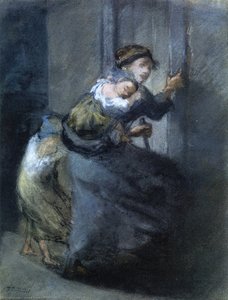
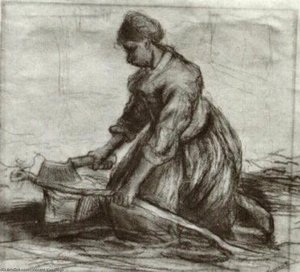
アーティストの略歴
土壌に根ざした生涯:ジャン=フランソワ・ミレーの世界
ジャン=フランソワ・ミレーの名は、農村生活の尊厳と19世紀フランスで台頭してきた写実主義運動を象徴する言葉として知られています。彼は芸術的な特権ではなく、彼がキャンバスに永遠に刻むことになる世界そのものの中に生まれました。1814年10月4日、ノルマンディー地方の小さな村グルシで新たな命を迎えたミレーは、単なる背景ではなく、彼の人生そのものであり、社会の急速な変化の中で深く共鳴する真実味を彼の芸術に吹き込みました。彼の両親、ジャン=ルイ=ニコラとアミー・アンリエット・アダラード・ヘンリー・ミレー夫妻もまた農家であり、若いジャン=フランソワに土地と労働者の深い繋がりを植え付けました。初期の教育は、知識ある司祭たちによって支えられる正式な学校での学習だけでなく、農作業のリズムからも得られました。種まき、収穫、脱穀といった仕事は、後に彼の絵画の中心的なモチーフとなるでしょう。この親密な知識は単なる観察ではなく、苦難と回復力に対する生きた理解なのです。学問的願望から農村への啓示へ
ミレーの芸術的旅路は、まずショーブールで肖像画家ボン・デュ・ムーシェルの下、そしてさらにテオフィル・ラングロワ・ド・シャヴリルというバロン・グローの弟子の下で正式な訓練を受けながら始まりました。1837年にはパリに出て、名門 École des Beaux-Arts に入学し、ポール・ドラローシュのもとで学びます。しかし、サロン体制の学術的な期待は彼を窒息させました。初期の成功に続いて拒絶が続き、ミレーは芸術的幻滅感に苦悩しました。1840年代には、妻ポーリーヌ=ヴァージニー・オノを亡くした個人的な悲劇と、農村生活の一般的なロマンチックな描写に対する不満が増大し、転換点が生じました。彼は理想化された田園風景を拒絶し始め、代わりに揺るぎない誠実さで農村生活を描こうとしました。この変化は、コンスタント・トロヨン、ナルシス・ディアス、シャルル・ジャック、テオドール・ルソーといった芸術家たちとの交流によってさらに強固になりました。彼らは自然からの直接的な作業—プレアル絵画—へのコミットメントを共有し、学術的偽善を拒否しました。1849年にミレーがバルビゾンに移ったことは、パリの慣習との決別と、彼の芸術的な運命に対する確信を表したものであり、彼を取り巻く風景と生活に深く根ざしていました。労働の詩:テーマと技法
ミレーの作品は、特に農民を対象とした労働者階級への深い共感によって特徴づけられています。彼は単に彼らの労働を描写するのではなく、前例のないレベルで尊厳と精神的な重要性へと高めました。彼の絵画は、ロマンチックな理想化ではなく、苦難、回復力、そして静かな献身の正直な描写です。グリーナ―(1857年)は、おそらく彼の最も象徴的な作品の一つであり、収穫後の残った穀物を集める三人の女性を描いています。彼らはロマンチックな人物ではなく、労働者であり、疲労によって曲がっていますが、敬意を催す静かな尊厳を持っています。アンジェルス(1850-1861年)は、もう一つの傑作で、夕暮れ時に祈りを捧げる農夫の夫婦という日常的な行為を神聖なものへと変貌させます。種まき人(1850年)は、農業労働の循環と人間が土地とのつながりを示す象徴的なイメージです。技術的には、ミレーはオランダの巨匠からインスピレーションを得て、光と影の巧みな使用を学びました。また、古典彫刻からも影響を受け、彼の人物に記念碑的な質を与えています。彼は限られたパレットを使用し、田園風景の色合いを反映した土壌色に焦点を当て、層状に絵具を積み重ねてテクスチャと奥行きを生み出しました。永続する遺産:ミレーの影響と歴史的意義
ジャン=フランソワ・ミレーは1875年1月20日にバルビゾンで亡くなり、現代美術の進路に深く影響を与えた作品群を残しました。彼は写実主義を絵画における支配的な勢力として確立する上で重要な役割を果たし、学術的芸術の慣習に挑戦し、印象派や社会写実主義などの将来の運動への道を開きました。彼の日常生活と社会問題への焦点は、彼らの周りの世界を誠実に表現しようとした芸術家たちとの共鳴を生み出しました。彼の影響力は絵画を超えて広がり、作家、詩人、政治思想家にインスピレーションを与え、農村の美徳と労働者階級の連帯の象徴となりました。コレア・ベニート・レボリョのような芸術家たちは、ミレーの例に直接触発され、農村生活と社会正義のテーマを探求し続けました。今日、ミレーの絵画は、その時代を超越した美しさ、感情的な深さ、そして人間の尊厳という永続的なメッセージで観客を魅了し続けています。彼の作品は、苦難に直面しても、最も単純な生活の中にさえ優雅さ、回復力、そして深い精神的な意味を見出すことができることを思い出させる強力なリマインダーとして機能します。主要作品
- グリーナ― (1857年): 女性が残った穀物を集める、心に響く描写。
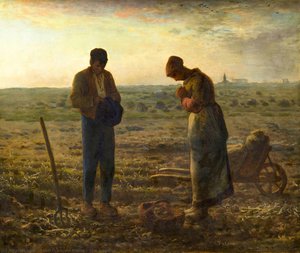
- アンジェルス (1850-1861年): 農村の敬虔さの象徴であり、静かな献身の瞬間。
- 種まき人 (1850年): 農業労働のサイクルを表す象徴的なイメージ。
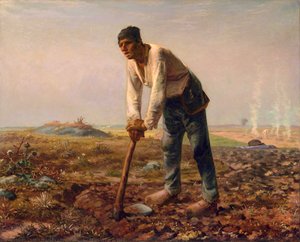
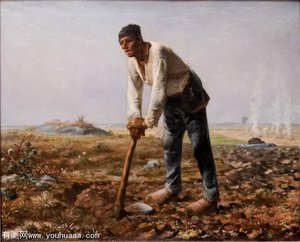
- Hoe を持つ男: 肉体的な苦労と人間の忍耐力を表現する力強い描写。
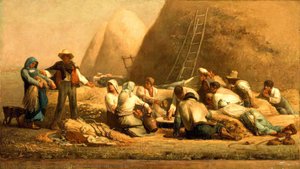
- 休憩中の収穫者: 困難な仕事の中での休息の瞬間を捉えています。
- パンを焼く女性: 尊厳に満ちた家庭労働の描写。
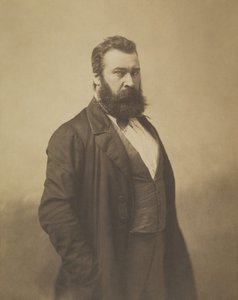
ジャン=フランソワ・ミレー
1814 - 1875 , フランス
基本情報
- フルネーム: ジャン=フランソワ・ミレー
- 主な作品:
- グレイニングをする農婦たち
- 天使の祈り
- 種まく人
- 鍬を持つ男
- 出生地: グルシー、フランス
- 国籍: フランス
- 影響を与えたアーティストまたは運動:
- 印象派
- 社会写実主義
- 影響を受けたアーティスト:
- オランダ絵画家
- ポール・ドラローシュ
- 死亡年月日: 1875年1月20日
- 生年月日: 1814年10月4日
- 芸術運動またはスタイル: 写実主義、バルビゾン学派
関連記事
Echoes of Rural Life: Art's Enduring Representations of the Countryside
Explore the rich history of rural life in art! Discover masterpieces from Millet to Mauve & beyond. Learn about Realism, Barbizon School & find inspiration for your home with ArtsDot.

ジョン・コンスタブルの傑作25選:英国風景画の巨匠が描く自然と光の詩 | ArtsDot
ジョン・コンスタブルの傑作25選。英国風景画の巨匠が描く自然と光の詩の世界へ。ロマン主義を代表する絵画、デダム・ヴェールやヘイ・ウェインなど、ArtsDotで高品質なアートプリントをお楽しみください。インテリアに深みと感動を。コレクションはこちら。

Romantic Realism's Finest: 10 Masterpieces for Your Home | ArtsDot
Explore 10 defining masterpieces of Romantic Realism! Discover Courbet, Millet & Daumier's powerful paintings—capturing emotion and social realities. Find museum-quality reproductions for your home at ArtsDot.com.
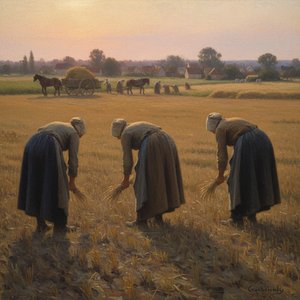
Jean-François Millet: Realism, Rural Life & the Poetic Depiction of Labor
Explore the life & work of Jean-François Millet, a founder of Realism. Discover his poignant depictions of rural France, iconic paintings like 'The Angelus,' and lasting influence on art history. Learn more at ArtsDot.
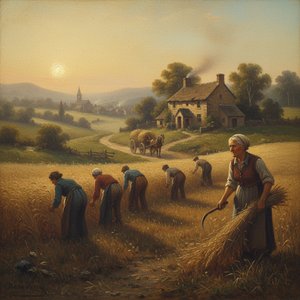
Echoes of Rural Life: Nostalgia, Labor & Identity in Art History
Explore the rich history of rural life in art! Discover how Realism captured labor & identity through masterpieces by Van Gogh, Millet & more. Expert analysis for collectors and enthusiasts.