

 プレビュー
プレビュー
 プリントを購入
 シェアする
シェアする シェアする
シェアする
 詳細を見る
詳細を見る

 ダウンロード
 似ている作品
 X線調査
X線調査 スライドショー
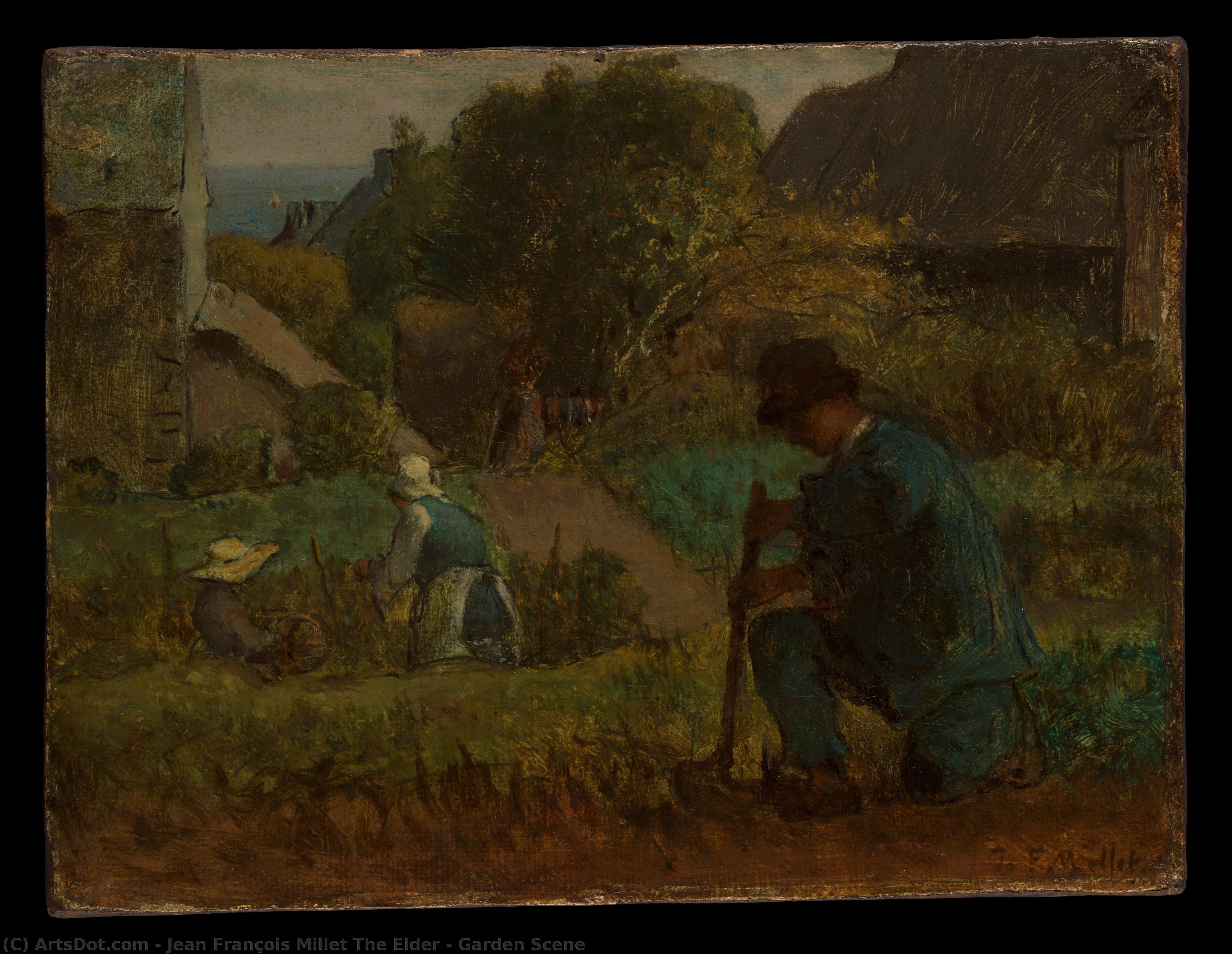
Garden Scene
 Oil
Oil- WallArt
- Barbizon School
 1854
1854- 19th Century
 17.0 x 21.0 cm
 メトロポリタン美術館
 詳細を見る
詳細を見る




P118B $10

P118H $10

P118W $10

P438Z $10

P508JH $12

P508YH $12

P805H $10

P805Z $10

P919BZ $10

P919G $10

P919XJ $10

P959ZH $10

P968JZ $12

W106C $8

W218G $10

W218JH $8

W218Y $10

W307PJ $10

W316G $10

W316PJ $8

W316Y $10

W398PJ $8

W4111J $10

W500HY $15

W500JH $15

W692G $12

W849H $8

W940BG $15

W953PJ $8




作品のオリジナル比率に合わせた、当店の規定サイズからお選びください。

特定のフレームやスペースに合わせて、ご希望のサイズをご入力いただけます。選択されたサイズが元の画像の比率と異なる場合、アートワークをトリミングするか、手描きで要素を追加して絵画を拡張いたします。デジタルモックアップ を制作し、制作開始前にご確認(承認)をいただきます。
画面上のプレビューは、実際のトリミングや拡張を正確に反映しているものではありません。最終的な構図は、モックアップによってのみ正確にご確認いただけます。
カスタムサイズもご利用いただけますが、元の比率を維持するためには、あらかじめ用意されたリストからサイズを選択することをお勧めいたします。
ご注文後、ArtsDot.com チームより詳細な指示をお送りするとともに、仕上がりイメージ(モックアップ)をご提供いたします。


 ガラスオプションは、110cm未満のサイズでのみご利用いただけます。

Garden Scene
複製技法
複製画のサイズ
-


合計金額
$ 263
作品解説
A Moment Frozen in Normandy: The Serenity of Garden Scene
In the quiet, sun-drenched corners of 1854, Jean-François Millet captured more than just a landscape; he captured the very essence of peace. Garden Scene serves as a tender window into the summer months spent at Gruchy, the ruggedly beautiful village where the artist’s roots ran deep. Set against the backdrop of the granite cliffs and the shimmering expanse of the English Channel, this intimate work invites the viewer to step into a world where time slows down. The composition breathes with the gentle rhythm of rural life, presenting a tableau of figures that seem to exist in perfect harmony with the natural environment. It is a painting that does not shout for attention but rather whispers of a simpler, more grounded existence.
The artistry within this piece lies in its ability to weave human presence into the fabric of the landscape. At the heart of the garden, a woman sits poised and tranquil, her silhouette softened by the shade of an umbrella, acting as an anchor for the viewer's eye. Flanking her, two men stand as silent sentinels of the afternoon, their postures suggesting a shared, quiet companionship. Even the smallest details—the delicate presence of birds fluttering near the periphery—contribute to a sense of a living, breathing ecosystem. For the collector or interior designer, this work offers a profound sense of equilibrium, making it an ideal centerpiece for spaces designed for contemplation and relaxation.
Technique and the Spirit of Realism
Millet’s approach in Garden Scene reflects the burgeoning spirit of the Barbizon School, where the focus shifted from grand, idealized mythologies to the honest beauty of the everyday. The technique is characterized by a masterful handling of light and atmosphere, creating a soft, almost hazy quality that mimics the humid warmth of a summer day on the Normandy coast. Through subtle brushwork, Millet achieves a texture that feels organic; one can almost feel the coolness of the shade and the gentle breeze coming off the Channel. The color palette, though grounded in earthy tones, is elevated by the luminous light that permeates the scene, lending a poetic glow to the figures and the foliage alike.
Beyond its visual charm, the painting carries a deep emotional resonance. It symbolizes the dignity of domesticity and the profound beauty found in the mundane. There is no drama here, only the profound weight of presence. For those looking to adorn a home with art that inspires tranquility, this reproduction offers an unparalleled opportunity to bring the soulful realism of Millet into a modern setting. It is a piece that transcends mere decoration, serving as a continuous reminder of the beauty that persists when we take the time to simply exist within nature.
関連作品

アーティストの略歴
Jean-François Millet: The Poet of the Peasants
Jean-François Millet, a name synonymous with the Barbizon School and profoundly evocative depictions of rural life in 19th-century France, was more than just an artist; he was a chronicler of the dignity and hardship of the working class. Born in Gruchy, a small village in Normandy, on October 4, 1814, Millet’s early life was inextricably linked to the rhythms of agricultural labor. His father, a farmer, instilled in him a deep respect for the land and its people – experiences that would profoundly shape his artistic vision. Unlike many artists of his era who sought fame through grand historical or mythological subjects, Millet deliberately chose to portray the lives of peasants, a decision that initially met with skepticism but ultimately cemented his legacy as one of France’s most important realist painters.Early Life and Artistic Training
Millet's childhood was far from idyllic. He spent his youth working on the family farm, developing an intimate understanding of rural existence – the backbreaking labor, the cyclical seasons, and the quiet resilience of those who toiled within them. This direct engagement with peasant life would later become a defining characteristic of his art. Seeking formal artistic training, Millet moved to Cherbourg in 1837 and enrolled at the École des Beaux-Arts in Paris. He studied under Paul Delaroche, a prominent academic painter known for his historical works, but Millet’s own inclinations leaned towards a more direct observation of reality. Initially, he attempted to navigate the conventions of the Salon system, producing portraits that, while technically proficient, lacked the emotional depth and social commentary that would later become central to his work. However, rejection from the 1840 Salon marked a turning point, prompting him to return to Normandy and begin his journey towards a truly independent artistic voice.The Barbizon School and a New Vision
Millet’s return to Normandy proved transformative. He embraced the principles of the Barbizon School, a movement that championed painting *en plein air* (outdoors) and sought to capture the essence of nature with unprecedented accuracy. Rejecting the polished surfaces and idealized compositions favored by the established Salon artists, Millet and his fellow Barbizon painters – including Théodore Rousseau and Jean-Baptiste Camille Corot – focused on depicting landscapes and peasant life as they truly were: weathered, honest, and imbued with a quiet dignity. This shift was not merely stylistic; it represented a fundamental change in artistic priorities—a move away from grand narratives towards the intimate portrayal of everyday experience. Millet’s work began to resonate deeply with a growing public interest in social justice and the plight of the working class.Iconic Works: ‘The Gleaners,’ ‘Angelus,’ and Beyond
Millet's most celebrated paintings—‘The Gleaners’ (1857) and ‘The Angelus’ (1869)—are testaments to his artistic skill and profound empathy. ‘The Gleaners,’ depicting three women gathering the remnants of a harvested field, is arguably his most famous work. It's not simply a depiction of rural labor; it’s a poignant meditation on poverty, resilience, and the dignity of those who toil in obscurity. The figures are rendered with remarkable detail and emotional honesty, their faces etched with hardship yet radiating an undeniable strength. ‘The Angelus,’ showing a peasant couple praying at the graveside of their child, is equally powerful. It captures a moment of profound grief and spiritual solace, highlighting the deeply rooted faith of the rural population. Beyond these iconic works, Millet produced numerous other paintings that explored similar themes—farmers harvesting wheat, women drawing water from the well, children playing in the fields—each imbued with a quiet intensity and a deep respect for his subjects.Legacy and Influence
Jean-François Millet’s impact on art history is undeniable. He played a crucial role in shaping the Barbizon School and influencing generations of artists. His commitment to realism, his focus on social issues, and his ability to capture the emotional depth of ordinary people paved the way for Impressionism and later movements that sought to depict the realities of modern life. Artists like Claude Monet, Vincent van Gogh, and Georges Seurat were deeply inspired by Millet’s work, recognizing in it a profound connection between art and social consciousness. Millet died in Barbizon on January 20, 1875, leaving behind a body of work that continues to resonate with viewers today—a testament to the enduring power of an artist who dared to look beyond the grand narratives of history and find beauty and meaning in the lives of the humble. His paintings remain powerful reminders of the dignity of labor and the importance of empathy and social awareness.
jean françois millet the elder
1642 - 1679
基本情報
- Artistic Movement Or Style: Barbizon School
- Artists Or Movements Influenced By This Artist:
- Salvador Dalí
- Claude Monet
- Artists Who Influenced This Artist:
- Poussin
- Dughet
- Date Of Birth: 1642
- Date Of Death: 1679
- Full Name: Jean-François Millet the elder
- Nationality: Flemish
- Notable Artworks:
- Mountain Landscape with Lightning
- The Winnower
- Place Of Birth: Antwerp, Belgium
関連記事
Cultivating Paradise: A Historical & Artistic Exploration of Gardens in Painting
Explore the rich history of gardens in painting! Discover masterpieces from Renaissance to Impressionism & beyond. Learn about symbolism, artists like Monet & Klimt, and find your perfect artwork at ArtsDot.

Romantic Realism's Finest: 10 Masterpieces for Your Home | ArtsDot
Explore 10 defining masterpieces of Romantic Realism! Discover Courbet, Millet & Daumier's powerful paintings—capturing emotion and social realities. Find museum-quality reproductions for your home at ArtsDot.com.

Echoes of Society: Exploring Social Realism's Enduring Legacy in Art
Explore the powerful world of Social Realism art! Discover key artists, masterpieces & its profound social commentary. Expert insights into this influential movement's history and enduring legacy.
The Barbizon School: Pioneering Realism & the Pastoral Vision in 19th-Century French Painting
Explore the Barbizon School's pivotal role in 19th-century French painting. Discover how these artists revolutionized landscape art with their commitment to Realism and a profound connection to nature. Learn about key figures like Rousseau, Millet & Corot.
American Realism's Defining Works: 10 Masterpieces for Your Home
Explore 10 defining American Realism masterpieces – Hopper, Homer & more. Discover the stories behind these iconic paintings and bring timeless art to your home with ArtsDot's museum-quality reproductions. Explore the full collection online.

