

 プレビュー
プレビュー
 プリントを購入
 シェアする
シェアする シェアする
シェアする
 詳細を見る
詳細を見る

 ダウンロード
 似ている作品
 X線調査
X線調査 スライドショー
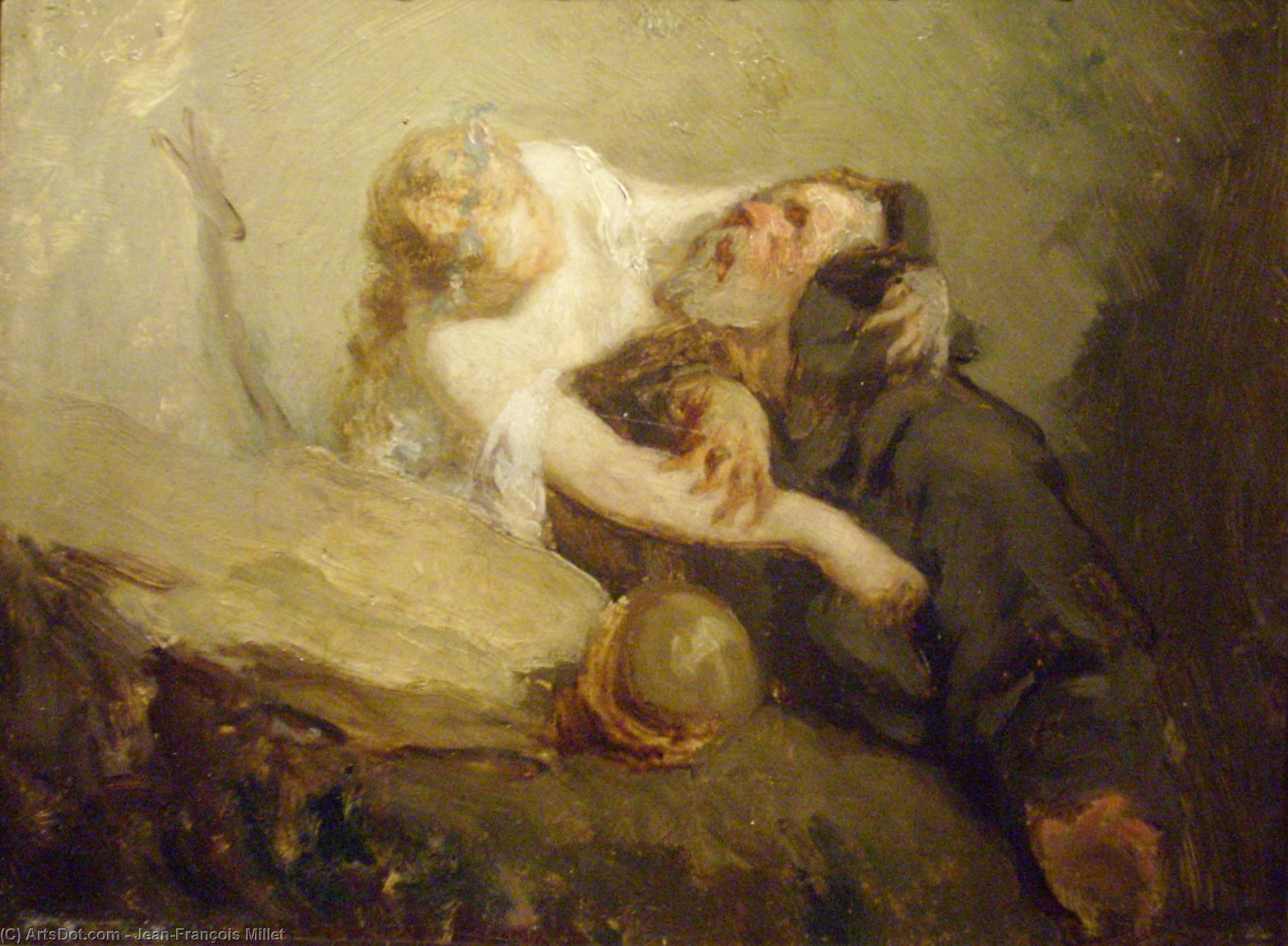
The Temptation of St. Anthony

 詳細を見る
詳細を見る
オンラインプレビューをはるかに凌ぐ、高解像度で鮮明なデジタル画像をご購入いただけます。
各ファイルは、社内の専門家が高度なツールと熟練した手作業によるレタッチを用いて、細心の注意を払って準備されています。すべての画像において、卓越した鮮明度、正確な色彩再現性、そして繊細なディテールを保証いたします。
最終ファイルは、プロフェッショナルな編集・印刷環境ですぐにご利用いただけるよう最適化された状態で、72時間以内にメールにてお届けいたします。これは、一流のデザインスタジオ、出版社、ギャラリーから信頼されているものと同等の品質です。
デジタル画像のご注文に付随する特典
高品質なデジタル画像配信を、確かな品質で。
ArtsDot.com を選ぶことは、単に画像を手に入れることではありません。それは、プロの手によって精密に仕上げられ、満足保証が付いた高品質なデジタルアートワークを受け取ることを意味します。ご注文いただいた際に自動的に付随する内容は、以下の通りです:

メールですぐにお届け
ご注文から72時間以内に、高解像度のデジタル画像ファイルがメールでお手元に届きます。すぐにそのままご利用いただけます。

AI技術で最適化されたデジタルファイル
お客様の作品は、高度なAIツールと専門家による手作業の編集を組み合わせてプロフェッショナルに最適化されており、細部のディテール、鮮明さ、そして正確な色再現性を最大限に引き出しています。

一生涯無料の再送サービス
ファイルを誤って削除したり、紛失してしまったりしましたか?ご安心ください。いつでも無料で再送いたします。

輸入手数料は一切かかりません
関税や手数料、配送料を気にすることなく、お気に入りのアートワークをすぐにお楽しみいただけます。デジタルダウンロードは常に免税です。

色彩再現の保証
プロ仕様のツールとカラーマネジメント技術を用いることで、デジタル画像が元の色を最大限に忠実に再現することを保証いたします。

60日間満足保証
ご購入いただいたデジタル画像にご満足いただけない場合は、60日以内であれば、修正または100%の返金(理由を問う必要はありません)をさせていただきます。

100% 返金保証
ご満足いただけない場合は、デジタルファイルを受け取ってから60日以内であれば、理由を問わず全額返金いたします。

まとめ買い割引
3枚購入で10%OFF - 5枚購入で15%OFF - 10枚以上購入で20%OFF。クリエイティブなプロジェクト、ギャラリー、エージェンシーに最適です。
作品の詳細
Jean-François Millet’s ‘The Temptation of St. Anthony’: A Chronicle of Spiritual Struggle
Jean-François Millet's “The Temptation of St. Anthony” is not merely a depiction of a biblical narrative; it’s a profound meditation on human vulnerability and the relentless battle between good and evil. Painted in 1863, this work exemplifies Millet’s commitment to Realism, eschewing idealized beauty for an unflinching portrayal of rural life and its attendant spiritual anxieties. The scene unfolds within a rugged Norman landscape – a deliberate choice by Millet, grounding the fantastical elements of the story in the tangible reality of the French countryside. The composition itself is deliberately unsettling, with figures caught in a moment of intense struggle, their gestures conveying both physical exertion and profound emotional turmoil.
- Subject Matter: The painting directly addresses the biblical episode from the *Life of St. Anthony*, where the saint is lured away from his ascetic life by demons and seductive temptations.
- Compositional Tension: Millet masterfully employs diagonal lines to create a sense of dynamism and instability, mirroring the chaotic nature of the temptation itself. The figures are not arranged in a harmonious manner; rather, they are thrust together, amplifying the feeling of conflict.
A Masterclass in Realist Technique
Millet’s technique is characterized by its meticulous observation and earthy palette. He employed a dry brushstroke method, building up layers of paint to create a textured surface that captures the rough quality of the stone, the weathered wood of the trees, and the palpable tension between the figures. The use of muted browns, ochres, and grays reflects the harsh realities of rural life and contributes to the painting’s somber mood. Notably, Millet's attention to detail – the individual strands of hair, the worn clothing, the subtle expressions on the faces – elevates this scene beyond a simple illustration and transforms it into a powerful psychological study.
- Brushwork: Millet’s signature dry brushstroke technique creates a tactile surface, emphasizing the materiality of the landscape and figures.
- Color Palette: The muted earth tones evoke a sense of austerity and reinforce the painting's themes of struggle and temptation.
Symbolism and Interpretation
The symbolism within “The Temptation of St. Anthony” is layered and open to interpretation. The three figures represent distinct forces at play: Saint Anthony, wrestling with his inner demons; the demon, embodying worldly desires and corrupting influences; and the woman, a potent symbol of temptation – perhaps representing earthly pleasures or even a fallen angel. The two swords are particularly significant, representing both spiritual defense and the potential for self-destruction. The bowl on the ground could symbolize the fleeting nature of material possessions or the emptiness of worldly pursuits. Millet’s deliberate ambiguity invites viewers to contemplate their own struggles with temptation and the enduring human condition.
- Saint Anthony: Represents spiritual resistance and the pursuit of virtue.
- The Demon: Embodies earthly desires, sin, and the corrupting influence of evil.
- The Woman: Symbolizes temptation, allure, and the potential for deviation from a righteous path.
Historical Context and Artistic Significance
“The Temptation of St. Anthony” was created during a period of significant social and artistic change in France. Millet’s work aligned with the burgeoning Realist movement, which sought to depict everyday life and human experiences without idealization or romanticism. This painting reflects Millet's deep connection to rural France and his desire to portray the dignity and struggles of its people. It stands as a testament to his ability to infuse religious narratives with profound psychological depth and social commentary, solidifying his place as one of the most important artists of the 19th century.
関連作品
作家の略歴
土壌に根ざした生涯:ジャン=フランソワ・ミレーの世界
ジャン=フランソワ・ミレーの名は、農村生活の尊厳と19世紀フランスで台頭してきた写実主義運動を象徴する言葉として知られています。彼は芸術的な特権ではなく、彼がキャンバスに永遠に刻むことになる世界そのものの中に生まれました。1814年10月4日、ノルマンディー地方の小さな村グルシで新たな命を迎えたミレーは、単なる背景ではなく、彼の人生そのものであり、社会の急速な変化の中で深く共鳴する真実味を彼の芸術に吹き込みました。彼の両親、ジャン=ルイ=ニコラとアミー・アンリエット・アダラード・ヘンリー・ミレー夫妻もまた農家であり、若いジャン=フランソワに土地と労働者の深い繋がりを植え付けました。初期の教育は、知識ある司祭たちによって支えられる正式な学校での学習だけでなく、農作業のリズムからも得られました。種まき、収穫、脱穀といった仕事は、後に彼の絵画の中心的なモチーフとなるでしょう。この親密な知識は単なる観察ではなく、苦難と回復力に対する生きた理解なのです。学問的願望から農村への啓示へ
ミレーの芸術的旅路は、まずショーブールで肖像画家ボン・デュ・ムーシェルの下、そしてさらにテオフィル・ラングロワ・ド・シャヴリルというバロン・グローの弟子の下で正式な訓練を受けながら始まりました。1837年にはパリに出て、名門 École des Beaux-Arts に入学し、ポール・ドラローシュのもとで学びます。しかし、サロン体制の学術的な期待は彼を窒息させました。初期の成功に続いて拒絶が続き、ミレーは芸術的幻滅感に苦悩しました。1840年代には、妻ポーリーヌ=ヴァージニー・オノを亡くした個人的な悲劇と、農村生活の一般的なロマンチックな描写に対する不満が増大し、転換点が生じました。彼は理想化された田園風景を拒絶し始め、代わりに揺るぎない誠実さで農村生活を描こうとしました。この変化は、コンスタント・トロヨン、ナルシス・ディアス、シャルル・ジャック、テオドール・ルソーといった芸術家たちとの交流によってさらに強固になりました。彼らは自然からの直接的な作業—プレアル絵画—へのコミットメントを共有し、学術的偽善を拒否しました。1849年にミレーがバルビゾンに移ったことは、パリの慣習との決別と、彼の芸術的な運命に対する確信を表したものであり、彼を取り巻く風景と生活に深く根ざしていました。労働の詩:テーマと技法
ミレーの作品は、特に農民を対象とした労働者階級への深い共感によって特徴づけられています。彼は単に彼らの労働を描写するのではなく、前例のないレベルで尊厳と精神的な重要性へと高めました。彼の絵画は、ロマンチックな理想化ではなく、苦難、回復力、そして静かな献身の正直な描写です。グリーナ―(1857年)は、おそらく彼の最も象徴的な作品の一つであり、収穫後の残った穀物を集める三人の女性を描いています。彼らはロマンチックな人物ではなく、労働者であり、疲労によって曲がっていますが、敬意を催す静かな尊厳を持っています。アンジェルス(1850-1861年)は、もう一つの傑作で、夕暮れ時に祈りを捧げる農夫の夫婦という日常的な行為を神聖なものへと変貌させます。種まき人(1850年)は、農業労働の循環と人間が土地とのつながりを示す象徴的なイメージです。技術的には、ミレーはオランダの巨匠からインスピレーションを得て、光と影の巧みな使用を学びました。また、古典彫刻からも影響を受け、彼の人物に記念碑的な質を与えています。彼は限られたパレットを使用し、田園風景の色合いを反映した土壌色に焦点を当て、層状に絵具を積み重ねてテクスチャと奥行きを生み出しました。永続する遺産:ミレーの影響と歴史的意義
ジャン=フランソワ・ミレーは1875年1月20日にバルビゾンで亡くなり、現代美術の進路に深く影響を与えた作品群を残しました。彼は写実主義を絵画における支配的な勢力として確立する上で重要な役割を果たし、学術的芸術の慣習に挑戦し、印象派や社会写実主義などの将来の運動への道を開きました。彼の日常生活と社会問題への焦点は、彼らの周りの世界を誠実に表現しようとした芸術家たちとの共鳴を生み出しました。彼の影響力は絵画を超えて広がり、作家、詩人、政治思想家にインスピレーションを与え、農村の美徳と労働者階級の連帯の象徴となりました。コレア・ベニート・レボリョのような芸術家たちは、ミレーの例に直接触発され、農村生活と社会正義のテーマを探求し続けました。今日、ミレーの絵画は、その時代を超越した美しさ、感情的な深さ、そして人間の尊厳という永続的なメッセージで観客を魅了し続けています。彼の作品は、苦難に直面しても、最も単純な生活の中にさえ優雅さ、回復力、そして深い精神的な意味を見出すことができることを思い出させる強力なリマインダーとして機能します。主要作品
- グリーナ― (1857年): 女性が残った穀物を集める、心に響く描写。
- アンジェルス (1850-1861年): 農村の敬虔さの象徴であり、静かな献身の瞬間。
- 種まき人 (1850年): 農業労働のサイクルを表す象徴的なイメージ。
- Hoe を持つ男: 肉体的な苦労と人間の忍耐力を表現する力強い描写。
- 休憩中の収穫者: 困難な仕事の中での休息の瞬間を捉えています。
- パンを焼く女性: 尊厳に満ちた家庭労働の描写。
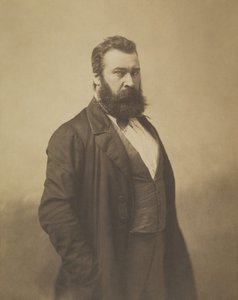
ジャン=フランソワ・ミレー
1814 - 1875 , フランス
プロフィール概要
- フルネーム: ジャン=フランソワ・ミレー
- 主な作品:
- グレイニングをする農婦たち
- 天使の祈り
- 種まく人
- 鍬を持つ男
- 出生地: グルシー、フランス
- 国籍: フランス
- 影響を与えたアーティストまたは運動:
- 印象派
- 社会写実主義
- 影響を受けたアーティスト:
- オランダ絵画家
- ポール・ドラローシュ
- 死亡年月日: 1875年1月20日
- 生年月日: 1814年10月4日
- 芸術運動またはスタイル: 写実主義、バルビゾン学派

