

 プレビュー
プレビュー
 プリントを購入
 シェアする
シェアする シェアする
シェアする
 詳細を見る
詳細を見る

 ダウンロード
 似ている作品
 X線調査
X線調査 スライドショー
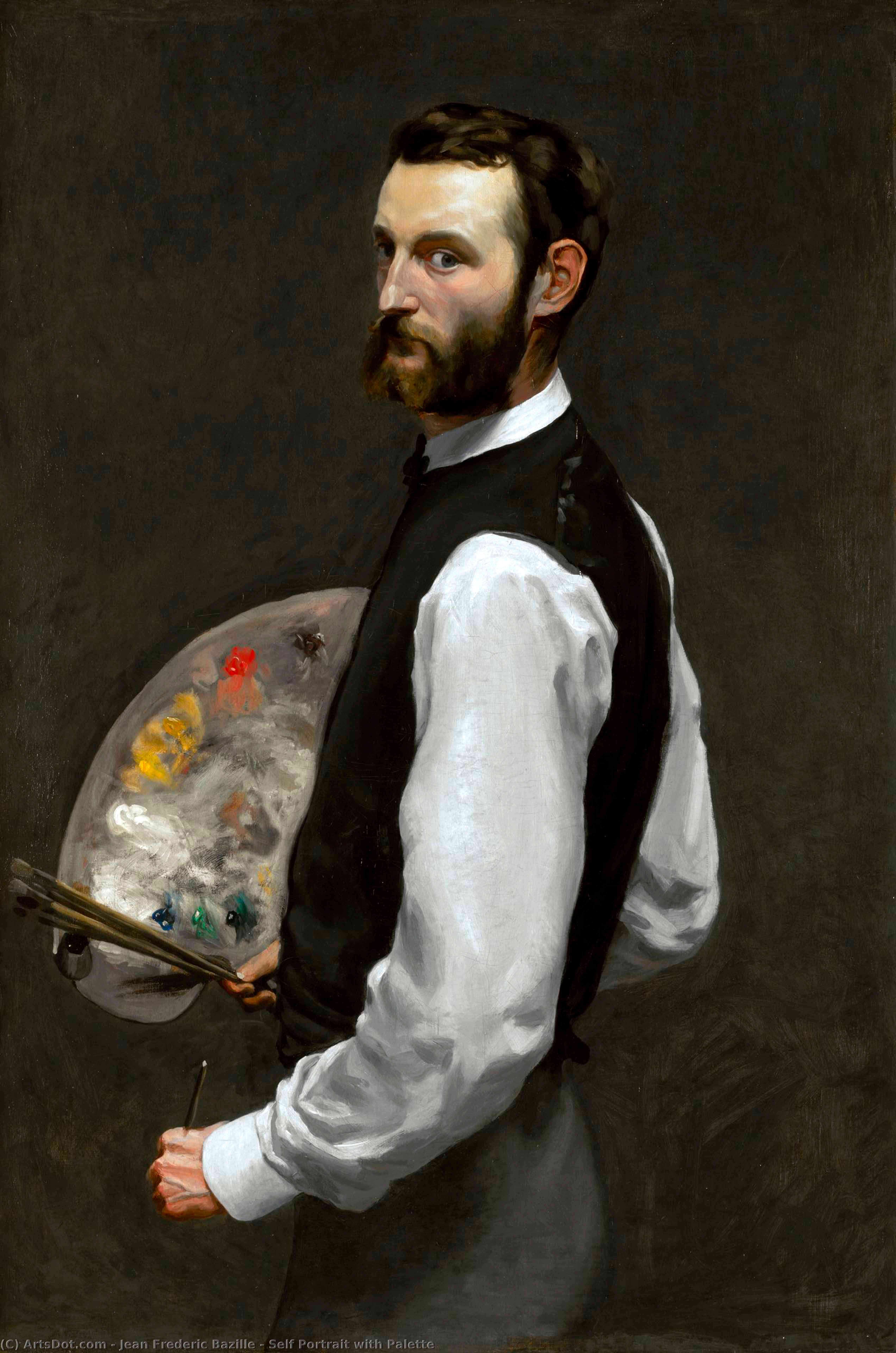
Self Portrait with Palette


 詳細を見る
詳細を見る
オンラインプレビューをはるかに凌ぐ、高解像度で鮮明なデジタル画像をご購入いただけます。
各ファイルは、社内の専門家が高度なツールと熟練した手作業によるレタッチを用いて、細心の注意を払って準備されています。すべての画像において、卓越した鮮明度、正確な色彩再現性、そして繊細なディテールを保証いたします。
最終ファイルは、プロフェッショナルな編集・印刷環境ですぐにご利用いただけるよう最適化された状態で、72時間以内にメールにてお届けいたします。これは、一流のデザインスタジオ、出版社、ギャラリーから信頼されているものと同等の品質です。
デジタル画像のご注文に付随する特典
高品質なデジタル画像配信を、確かな品質で。
ArtsDot.com を選ぶことは、単に画像を手に入れることではありません。それは、プロの手によって精密に仕上げられ、満足保証が付いた高品質なデジタルアートワークを受け取ることを意味します。ご注文いただいた際に自動的に付随する内容は、以下の通りです:

メールですぐにお届け
ご注文から72時間以内に、高解像度のデジタル画像ファイルがメールでお手元に届きます。すぐにそのままご利用いただけます。

AI技術で最適化されたデジタルファイル
お客様の作品は、高度なAIツールと専門家による手作業の編集を組み合わせてプロフェッショナルに最適化されており、細部のディテール、鮮明さ、そして正確な色再現性を最大限に引き出しています。

一生涯無料の再送サービス
ファイルを誤って削除したり、紛失してしまったりしましたか?ご安心ください。いつでも無料で再送いたします。

輸入手数料は一切かかりません
関税や手数料、配送料を気にすることなく、お気に入りのアートワークをすぐにお楽しみいただけます。デジタルダウンロードは常に免税です。

色彩再現の保証
プロ仕様のツールとカラーマネジメント技術を用いることで、デジタル画像が元の色を最大限に忠実に再現することを保証いたします。

60日間満足保証
ご購入いただいたデジタル画像にご満足いただけない場合は、60日以内であれば、修正または100%の返金(理由を問う必要はありません)をさせていただきます。

100% 返金保証
ご満足いただけない場合は、デジタルファイルを受け取ってから60日以内であれば、理由を問わず全額返金いたします。

まとめ買い割引
3枚購入で10%OFF - 5枚購入で15%OFF - 10枚以上購入で20%OFF。クリエイティブなプロジェクト、ギャラリー、エージェンシーに最適です。
作品の詳細
A Moment Frozen in Time: Jean Frédéric Bazille’s “Self Portrait with Palette”
Jean Frédéric Bazille's "Self Portrait with Palette," painted in 1865, is more than just a depiction of an artist; it’s a poignant snapshot of ambition, vulnerability, and the burgeoning spirit of Impressionism. Created during a remarkably brief but intensely productive period in his career, this oil-on-canvas work offers a rare glimpse into the mind of a young man grappling with his artistic aspirations amidst the vibrant, transformative atmosphere of Paris. The painting resides within the esteemed collection of the Art Institute of Chicago, a testament to its enduring quality and significance.
The composition is strikingly direct and unadorned. Bazille, dressed in a dark suit and tie – attire indicative of his medical studies before embracing art full-time – stands before a simple, dark background. His gaze meets the viewer head-on, an almost disconcerting level of intimacy that immediately draws us into the scene. In his hand, he holds a palette brimming with vibrant pigments, hinting at the creative energy simmering beneath the surface. The subtle inclusion of brushes further emphasizes his profession and the tools of his trade. The painting’s stark simplicity—a deliberate choice by Bazille—forces us to confront the artist himself, stripping away any romanticized notions of artistic genius and presenting a raw, honest portrayal.
Impressionism in Miniature: Technique and Light
Bazille's technique is firmly rooted in the principles of Impressionism, though with a distinctly personal touch. He employs loose brushstrokes and a broken color palette—a hallmark of the movement—to capture the fleeting effects of light and atmosphere. Notice how he doesn’t meticulously render every detail; instead, he uses dabs and dashes of paint to suggest form and texture. The lighting is particularly noteworthy – it's diffused and naturalistic, casting soft shadows that contribute to the painting’s overall sense of immediacy. The artist was experimenting with *plein air* painting—working outdoors directly from nature—a technique championed by Monet and others during this period, aiming to capture the transient qualities of light and color.
Interestingly, Bazille utilized a mirror to create this self-portrait, a common practice among artists seeking to accurately represent their own features. This method allowed him to observe his posture, expression, and overall appearance with meticulous detail, ensuring a truthful representation of himself. The subtle asymmetry in the composition—a slight tilt of the head, for instance—adds to the painting’s sense of spontaneity and immediacy.
A Life Cut Short: Context and Symbolism
Understanding the historical context surrounding Bazille's life is crucial to appreciating this work fully. Born in Montpellier, France, in 1841, he initially pursued a medical career alongside his artistic inclinations, a compromise dictated by his family’s desire for financial security. However, drawn to the vibrant artistic community of Paris, he abandoned medicine in favor of painting, a decision that ultimately proved tragically short-lived. Bazille was killed during the Franco-Prussian War in 1870, at just twenty-eight years old – a devastating loss for the burgeoning Impressionist movement.
The “Self Portrait with Palette” can be interpreted as a symbolic representation of this young artist’s aspirations and anxieties. The palette itself represents his creative potential, while his direct gaze suggests a desire to connect with the viewer—to share his artistic vision. Some art historians suggest that Bazille's melancholy expression hints at the pressures he faced, balancing his artistic ambitions with societal expectations and the looming shadow of war. It’s a portrait not just of an artist, but of a man on the cusp of greatness, grappling with mortality and the uncertainties of his future.
A Legacy of Light: The Painting's Enduring Appeal
Despite its brevity, Bazille’s career left an indelible mark on the Impressionist movement. His work exemplifies the movement’s focus on capturing fleeting moments of light and color, as well as its rejection of traditional academic painting techniques. “Self Portrait with Palette” remains a powerful testament to his talent and vision—a poignant reminder of a brilliant artist whose life was tragically cut short. Reproductions of this iconic piece continue to resonate with art lovers today, offering a glimpse into the heart and soul of an Impressionist master.
関連作品


作家の略歴
ジャン=フレデリック・バジールの生涯:輝きを放った短い軌跡
ジャン=フレデリック・バジル(1841年12月6日 - 1870年11月28日)の物語は、芽吹き始めたばかりに突然途絶えてしまった、印象派運動における重要な貢献を秘めた悲劇的な運命です。フランス南部のモンペリエで裕福なプロテスタントのワイン醸造家の一家に生まれたバジルは、当初、芸術とはかけ離れた人生を送るよう定められていました。両親は彼に経済的安定を求め、芸術への傾倒と並行して医学研究を続けることを強く勧めました。この二面性は彼の初期のキャリアを形作り、解剖学的な探求と色彩と光の魅力の間で彼の注意が分かれることになりました。しかし、1862年に医学研究のためにパリに移り住んだことで、バジールの芸術的道が開かれ始めました。巨匠たちの間での道の開拓
パリは若いバジルにとって試練の場となりました。彼はすぐにクロード・モネ、ピエール=オーギュスト・ルノワール、アルフレッド・シスレーといった、後に印象派を代表する芸術家たちと親交しました。シャルル・グレーレのもとでの正式な訓練は彼に基礎的な技術を与えましたが、友人たちとの間で共有された情熱と革新的なアイデアが彼の芸術的ビジョンを真に刺激しました。バジールの経済的な安定は、しばしば不安定な生活を送る仲間たちにとって大きな支えとなり、彼らにアトリエのスペースや画材を提供しました。この寛大さは単なる実用的なものではなく、彼らの共同潜在能力への深い共感から生まれたものでした。初期の作品である『ピンクのドレス』(1864年頃)は、すでに印象派を特徴づける瞬間を捉える鋭い眼と光の効果に対する感受性を示しています。彼は確立されたスタイルを模倣するのではなく、全く新しいものを創造することに積極的に参加していました。光と友情によって定義される様式
バジールの芸術的様式は急速に発展しましたが、より広範な印象派の美学の中で独自の個性を持ち合わせていました。モネやルノワールと同様に、*プレ・エール*絵画(屋外で直接自然光を捉えること)への関心を共有していましたが、彼の構図はしばしば彼らよりも構造化された質を持っていました。彼は人物画と風景を頻繁に組み合わせ、被写体を環境の中に慎重に配置しました。『家族の再会』(1867-1868年)のような傑作はその一例です。この作品は単なる家族団らんを描いたものではなく、木漏れ日がシーンを照らし、暖かさと親密さを与えている光の探求なのです。彼の絵画は彼が見た*もの*だけでなく、*どのように*見たか、色彩、形、光によって喚起される感情的な共鳴についてでした。彼はウジェーヌ・ドラクロワから深い影響を受けました。ドラクロワの鮮やかな色彩使いは自身の芸術的感性に響き、しかし彼はアカデミックな慣習を超えてより現代的な感覚を受け入れました。中断された人生:遺産と記憶
ジャン=フレデリック・バジールの花開いたばかりのキャリアは、1870年の普仏戦争によって無残にも中断されました。愛国心に駆られた彼は、戦争勃発から数ヶ月後にズアーヴ連隊に入隊しました。悲劇的に、1870年11月28日、ボーヌ=ラ=ロランド近くで戦死し、わずか28歳という若さでした。彼の死は芸術界に衝撃を与え、才能ある友人であり寛大な恩人の喪失となりました。彼の早すぎる死により、彼の作品は長年にわたり比較的知られていませんでした。しかし、近年、バジールの貢献はますます認識され称賛されています。今日、彼の絵画はパリのオルセー美術館のような権威のある博物館に所蔵されており、複製を通じて世界中のアート愛好家が彼のビジョンの美しさと革新を体験することができます。バジールの遺産は彼の芸術的成果を超えて、印象派の初期の日々を定義した若者の理想主義、揺るぎない献身、友情の力を体現しています。彼は失われた可能性を思い出させる存在であると同時に、短いながらも輝かしいキャリアが永続的な影響を与えた証でもあります。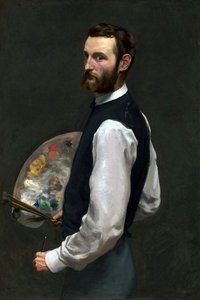
ジャン=フレデリック・バジール
1841 - 1870 , フランス
プロフィール概要
- Artistic Movement Or Style: 印象派
- Artists Or Movements Influenced By This Artist: ['印象派']
- Artists Who Influenced This Artist: ['ウジェーヌ・ドラクロワ']
- Date Of Birth: 1841年12月6日
- Date Of Death: 1870年11月28日
- Full Name: ジャン・フレデリック・バジル
- Nationality: フランス人
- Notable Artworks:
- ピンクのドレス
- 家族の再会
- フュルステンベルクのスタジオ
- Place Of Birth (City And Country): フランス、モンペリエ

