

 プレビュー
プレビュー
 シェアする
シェアする シェアする
シェアする
 詳細を見る
詳細を見る

 ダウンロード
 似ている作品
 X線調査
X線調査 スライドショー
 Stats
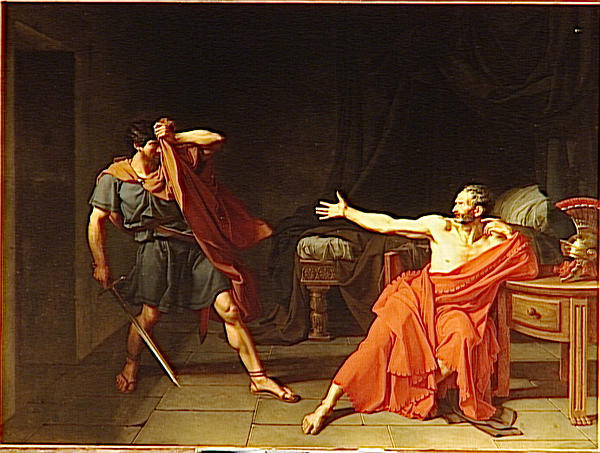
StatsMARIUS PRISONNIER A MINTURNES


 詳細を見る
詳細を見る
手描き油彩複製画
当社のアーティストが、お客様のご希望のサイズと額縁に合わせて、キャンバスに手描きで制作する油彩画です。 ( Switch to Print Switch to Digital Image)




P118B $10

P118H $10

P118W $10

P438Z $10

P508JH $12

P508YH $12

P805H $10

P805Z $10

P919BZ $10

P919G $10

P919XJ $10

P959ZH $10

P968JZ $12

W106C $8

W218G $10

W218JH $8

W218Y $10

W307PJ $10

W316G $10

W316PJ $8

W316Y $10

W398PJ $8

W4111J $10

W500HY $15

W500JH $15

W692G $12

W849H $8

W940BG $15

W953PJ $8




作品のオリジナル比率に合わせた、当店の規定サイズからお選びください。

特定のフレームやスペースに合わせて、ご希望のサイズをご入力いただけます。選択されたサイズが元の画像の比率と異なる場合、アートワークをトリミングするか、手描きで要素を追加して絵画を拡張いたします。デジタルモックアップ を制作し、制作開始前にご確認(承認)をいただきます。
画面上のプレビューは、実際のトリミングや拡張を正確に反映しているものではありません。最終的な構図は、モックアップによってのみ正確にご確認いただけます。
カスタムサイズもご利用いただけますが、元の比率を維持するためには、あらかじめ用意されたリストからサイズを選択することをお勧めいたします。
ご注文後、ArtsDot.com チームより詳細な指示をお送りするとともに、仕上がりイメージ(モックアップ)をご提供いたします。


 ガラスオプションは、110cm未満のサイズでのみご利用いただけます。

MARIUS PRISONNIER A MINTURNES
複製技法
複製画のサイズ
-


合計金額
$ 288
A Dramatic Encounter: Jean-Germain Drouais’s “Marius at Minturnes”
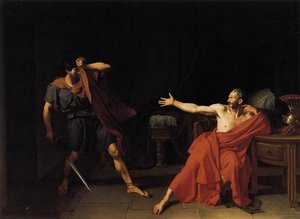
Jean-Germain Drouais's "Marius at Minturnes," painted in 1786, is more than just a historical scene; it’s a visceral portrayal of power, defiance, and the agonizing weight of duty. This monumental canvas, now residing within the hallowed halls of the Louvre Museum in Paris, captures a pivotal moment from Roman history – the attempted execution of Consul Caius Marius after his defeat by Germanic tribes. Drouais masterfully employs the tenets of Neoclassicism to deliver an image brimming with dramatic tension and profound emotional resonance, instantly transporting the viewer into the heart of this fraught encounter.
The painting depicts a scene of stark contrast: a young, resolute Marius, clad in a striking blue tunic accented with red, stands poised before a captive prisoner. The older man, seated on a simple chair, extends his arm in a gesture of pleading or perhaps defiant resistance – an image that speaks volumes about the precarious balance between submission and rebellion. The background is deliberately obscured, drawing all attention to these two central figures and amplifying their struggle. Drouais’s choice to focus so intently on this specific interaction elevates it beyond a mere historical record; it becomes a timeless meditation on conflict, justice, and the human condition.
A Masterclass in Neoclassical Technique
Drouais's technical skill is immediately apparent. The composition is meticulously balanced, utilizing strong diagonal lines to create a dynamic sense of movement that pulls the eye across the canvas. The figures are rendered with remarkable anatomical precision and attention to detail – from the folds of Marius’s tunic to the texture of the prisoner’s robe. Notice how Drouais expertly employs chiaroscuro, using dramatic contrasts of light and shadow to sculpt the forms and heighten the sense of drama. The lighting, originating from the right side, casts a powerful glow on the prisoner's face, emphasizing his vulnerability and desperation.
The artist’s use of color is equally deliberate. The cool blues and greens of Marius’s attire contrast sharply with the warmer reds and oranges of the prisoner’s garment, visually representing the inherent power dynamics at play. Furthermore, Drouais demonstrates a sophisticated understanding of perspective, creating a convincing illusion of depth within the confined space of the room. Linear perspective guides the viewer's eye towards the receding doorway, anchoring the scene and reinforcing its historical context.
Symbolism and Emotional Depth
Beyond its technical brilliance, “Marius at Minturnes” is rich in symbolic meaning. The painting isn’t simply a depiction of an event; it’s an exploration of complex themes – duty versus compassion, power versus mercy, and the consequences of political ambition. Marius's stance, though resolute, hints at a moral struggle, suggesting that even the most powerful figures are not immune to the weight of difficult decisions. The prisoner’s outstretched arm embodies a plea for understanding or perhaps a desperate attempt to assert his humanity in the face of overwhelming authority.
The painting resonates with echoes of classical themes – particularly the concept of *piety* and *justice*. It invites contemplation on the nature of leadership, the responsibilities that come with power, and the enduring questions about morality and human behavior. The scene evokes a sense of melancholy and foreboding, reminding us of the often-tragic consequences of conflict and political intrigue.
A Legacy of Neoclassical Grandeur
“Marius at Minturnes” stands as a testament to Drouais’s artistic talent and his mastery of the Neoclassical style. Influenced by the works of Poussin and Raphael, Drouais created an image that is both historically accurate and emotionally compelling. The painting's enduring appeal lies in its ability to capture a dramatic moment with remarkable clarity and sensitivity. It remains a powerful example of how art can illuminate not only historical events but also the complexities of human experience.
関連作品
アーティストの略歴
ジョージ・モランド:素朴な魅力とスキャンダラスな放蕩の生涯
ジョージ・モランド(1763-1804)は、イギリス美術史において今なお人々を魅了してやまない存在です。一見すると素朴で穏やかな田園風景を描きながら、その裏側には放蕩な生活という影がつきまとっていました。ロンドンに生まれた彼は、肖像画や空想的な主題を得意とし、同時に巧妙な偽造品ビジネスでも財を成していた画家ヘンリー・モランドの息子として、特権と苦難の両方を背負ってその芸術的歩みを始めました。わずか8歳で絵を描き始めたその類まれなる才能は、美術商として活動する家族の中で育まれましたが、父が抱えたギャン動の負債や不安定な家計という現実によって、常に制約を受けていたのです。
モランドの画風は、ひと目でそれと分かるほど独特です。小規模な風俗画の中に、酒場や厩舎、そして田園風景といった、当時の庶民の営みを鮮やかに描き出しました。理想化された牧歌的な風景に重きを置いた同時代の画家たちとは異なり、モランドが捉えたのは、より生々しい現実でした。賑わう居酒屋の客たちの喧騒、運命を待つ疲れ果てた動物たち、そして労働者階級の日常的なルーチン。彼の技法は、自由で表情豊かな筆致、鮮やかな色彩、そして空気感や情緒を伝える驚異的な能力によって特徴づけられます。彼は壮大な物語や英雄的な人物には関心がありませんでした。むしろ、人間同士の交流や動物の振る舞いといった、ありふれた日常の細部にこそ、美と興味を見出していたのです。
モランドの美学:細部への観察と感情的な共鳴
モランドの作品を際立たせているのは、単にその題材だけではありません。それは、対象へのアプローチの仕方にあります。彼は細部に対する極めて緻密な観察者であり、粗く削り出された木の質感、濡れた毛並みの光沢、そして登場人物たちの表情を驚くべき正確さで捉えました。彼の絵画は、一見すると些細なディテールで満たされていますが、それらが集まることで、その場所の空気感や情景が鮮明に立ち上がってくるのです。彼は写真のような写実性を求めたのではなく、丹念な観察を通じて、見る者の感情を揺さぶることを目的としていました。
また、モランドの色彩感覚も特筆すべき点です。赤、黄、緑を主調とした、時に少し派手とも言える明るいパレットを用いることで、作品に即時性と生命力を吹き込みました。その筆致は自由で躍動感にあふれ、動きやエネルギーを伝えます。さらに、彼は光を巧みに操り、劇的な効果を生み出しました。場面内の重要な要素を際立たせ、影を落とすことで、画面に奥行きと立体感を与えたのです。
描かれた場面がしばしば混沌としているにもかかわらず、モランドの絵画には驚くべき調和とバランスが存在します。彼は画面の中に人物や物体を巧みに配置し、視覚的に惹きつけられるだけでなく、感情的な共鳴を呼ぶ構図を作り上げました。喜び、苦難、そしてささやかな悦びといった、日常の真髄を捉える彼の力こそが、時代を超えて今なお私たちを魅了し続けているのです。
繋がりと影響:ガートイン、そしてその先へ
ジョージ・モランドの仕事は、同時代の画家トーマス・ガートインに多大な影響を与えました。緻密な風景画や都市生活の描写で知られるガートインは、風景の中に人物を配置するモランドの手法に深く感銘を受けていました。二人がいくつかのプロジェクトで協力していた証拠も残っており、例えばエッチング作品『The Earth Stopper』では、ガートインによる風景要素とモランドによる人物構成が見事に融合しています。
さらに、モランドの人気は多くの版画家たちに彼のスタイルを模倣させ、イングランド全土に膨大な数の模倣品が流通する結果となりました。この広範な複製作業は、小規模なスケール、自由な筆致、そして田園生活への焦点という特徴を持つ、独自の「モランド派」とも呼べる絵画様式の発展に寄与したのです。
ガートインとモランドの関係性は非常に興味深く、北東部での共通の経験や共同作業のエピソードが語り継がれています。細かな部分には憶測も含まれますが、この関係は、18世紀後半から19世紀初頭のイギリス美術界における、芸術家同士の複雑な相互作用を象徴しています。
遺産と歴史的意義
スキャンダラスな評判や偽造品の蔓濫という側面がありながらも、ジョージ・モランドの作品はイギリス風俗画への重要な貢献として、その価値を保ち続けています。彼の絵画は、社会経済が急速に変化していた時代における、普通の人々の暮らしを覗き見る貴重な窓となっています。ユーモア、苦難、そして日常のささやかな喜び――生活の精神を捉える彼の力は、現代の鑑賞者の心にも響き続けています。
今日、彼の作品は技術的な卓越性、感情的な深み、そして独自の芸術的ビジョンによって高く評価されています。モランドの遺産は、個々の作品の枠を超え、庶民の生活を写実的かつ魅力的に描くという、イギリス美術における新しいジャンルの確立に貢献しました。観察眼、技術、そしてどこかスキャンダラスな魅力。それらが織りなす力強さを証明する存在として、彼はイギリス絵画史において、永遠に色あせることのない魅力的な人物であり続けています。
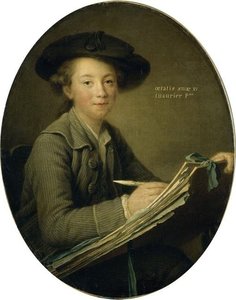
ジャン=ジェルマン・ドルワ
1763 - 1788 , フランス
基本情報
- Artistic Movement Or Style: 風俗画
- Artists Or Movements Influenced By This Artist: ['トーマス・ガートリン']
- Artists Who Influenced This Artist: ['ヘンリー・モランド']
- Date Of Birth: 1763年6月26日
- Date Of Death: 1804年10月29日
- Full Name: ジョージ・モランド
- Nationality: イギリス
- Notable Artworks:
- 嵐の中の郵便馬車
- ためらう犬たち
- Place Of Birth: イングランド、ロンドン
関連記事
Timeless Resonance: Exploring Classic Vibe in Art – A Historical & Aesthetic Analysis
Explore the rich history & enduring aesthetic of Classicism art! Discover key movements, iconic artists like Raphael & David, and its lasting influence on Western art. Deepen your appreciation today.
The Enduring Legacy of Classicism: Principles, Evolution & Influence in Western Art
Explore the enduring legacy of Classicism in Western art! Discover its historical context, key principles, iconic masterpieces & lasting influence. Learn about Renaissance and Neoclassical movements with ArtsDot.

The Revival of Antiquity: Exploring Neoclassical Art's Ideals & Enduring Legacy
Explore the revival of classical ideals in Neoclassical art! Discover Jacques-Louis David & the movement's impact on painting, sculpture & architecture. Expert insights & high-quality reproductions at ArtsDot.
Neo-Classicism's Greatest Hits: 10 Masterpieces for Your Home |
Journey through Neo-Classicism's finest! Explore 10 iconic masterpieces by David, Ingres & Canova. Discover art history, techniques & timeless beauty – perfect for inspiring your home decor. Find museum-quality reproductions at
Echoes of Antiquity: Exploring Themes & Techniques in Classical Art Masterpieces
Explore the timeless beauty & profound themes of Classical art! Discover Greek & Roman masterpieces, Neoclassical revivals, and the enduring influence on artistic movements. Expert insights & high-quality reproductions at ArtsDot.