

 プレビュー
プレビュー
 プリントを購入
 シェアする
シェアする シェアする
シェアする
 詳細を見る
詳細を見る

 ダウンロード
 似ている作品
 X線調査
X線調査 スライドショー
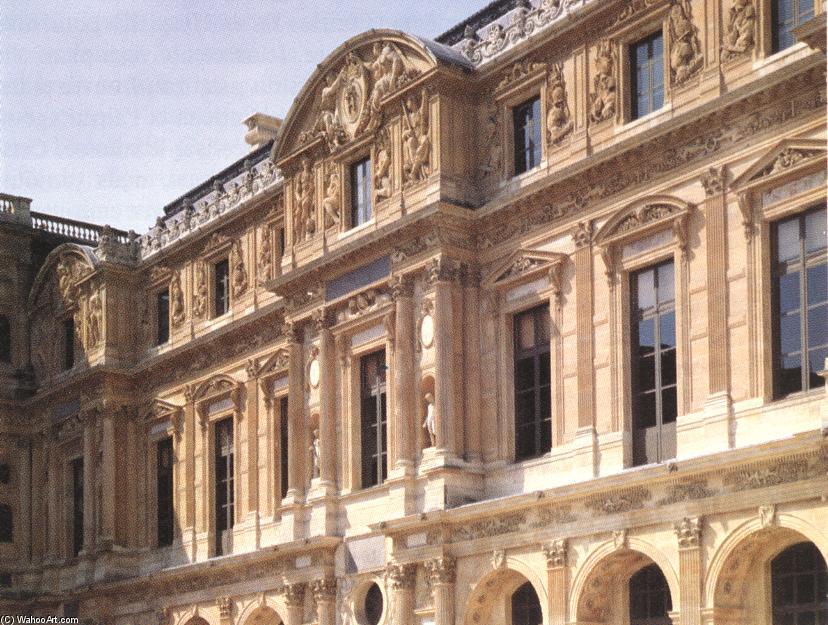
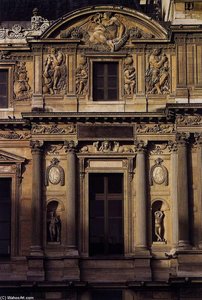
Façade of the Cour Carrée (wing Lescot)


 詳細を見る
詳細を見る




P118B $10

P118H $10

P118W $10

P438Z $10

P508JH $12

P508YH $12

P805H $10

P805Z $10

P919BZ $10

P919G $10

P919XJ $10

P959ZH $10

P968JZ $12

W106C $8

W218G $10

W218JH $8

W218Y $10

W307PJ $10

W316G $10

W316PJ $8

W316Y $10

W398PJ $8

W4111J $10

W500HY $15

W500JH $15

W692G $12

W849H $8

W940BG $15

W953PJ $8




作品のオリジナル比率に合わせた、当店の規定サイズからお選びください。

特定のフレームやスペースに合わせて、ご希望のサイズをご入力いただけます。選択されたサイズが元の画像の比率と異なる場合、アートワークをトリミングするか、手描きで要素を追加して絵画を拡張いたします。デジタルモックアップ を制作し、制作開始前にご確認(承認)をいただきます。
画面上のプレビューは、実際のトリミングや拡張を正確に反映しているものではありません。最終的な構図は、モックアップによってのみ正確にご確認いただけます。
カスタムサイズもご利用いただけますが、元の比率を維持するためには、あらかじめ用意されたリストからサイズを選択することをお勧めいたします。
ご注文後、ArtsDot.com チームより詳細な指示をお送りするとともに、仕上がりイメージ(モックアップ)をご提供いたします。


 ガラスオプションは、110cm未満のサイズでのみご利用いただけます。

Façade of the Cour Carrée (wing Lescot)
複製技法
複製画のサイズ
-


合計金額
$ 263
作品解説
The Cour Carrée’s Echoes: Jean Goujon's Facade of the Lescot Wing
Within the labyrinthine heart of the Louvre Museum lies a space that whispers tales of Renaissance grandeur and royal ambition – the Cour Carrée, specifically its western wing designed by Pierre Lescot and adorned with the masterful sculptures of Jean Goujon. This isn’t merely a façade; it's a meticulously crafted dialogue between classical ideals, Mannerist dynamism, and the burgeoning spirit of French art. The image presented here captures a pivotal moment within this conversation: a section of the Cour Carrée bathed in the warm glow of sunlight, revealing the intricate stonework, the proud stance of its columns, and the subtle drama of Goujon’s figures – a testament to his profound influence on Parisian architecture and sculpture.
Goujon's work here transcends simple decoration. He was tasked with breathing life into Lescot’s ambitious design, transforming a purely structural framework into a vibrant tapestry of allegorical narratives and classical references. The late 16th century in France was a period of intense artistic exchange, fueled by the rediscovery of Roman sculpture and the influence of Italian Renaissance masters. Goujon skillfully absorbed these influences, adapting them to his own unique vision while firmly establishing himself as a leading voice within the French art world. The photograph’s lighting emphasizes the textures of the stone – the rough-hewn surfaces contrasting with the polished details of the Corinthian capitals and the delicate carvings adorning the pediments.
A Dance Between Classicism and Mannerism
Goujon's style is characterized by a captivating tension between the restraint of classical principles and the expressive exuberance of Mannerism. While rooted in Roman sculpture, his figures possess an undeniable sense of movement and dynamism – elongated limbs, subtly twisted poses, and a heightened emotional intensity that departs from the more static depictions favored by earlier Renaissance artists. This isn’t a slavish imitation; it's a sophisticated synthesis, reflecting the evolving artistic sensibilities of the time. Notice how the drapery, particularly in the depiction of the figures above the windows, flows with an almost liquid quality, hinting at the influence of Italian Mannerist sculptors like Rosso Fiorentino and Giulio Romano.
The architectural elements further contribute to this dynamic interplay. The deep recesses of the arches, the projecting pavilions, and the sloping Mansard roof – all hallmarks of Lescot’s design – are subtly enhanced by Goujon's sculptural embellishments. The oeil-de-boeuf windows, with their distinctive arched openings, become focal points for the allegorical figures, creating a visual rhythm that guides the eye across the façade. The placement and scale of these elements demonstrate a keen understanding of spatial relationships and a masterful command of architectural form.
Symbolism and Royal Authority
Beyond its aesthetic qualities, Goujon’s sculpture is laden with symbolic meaning, reflecting the power and authority of the French monarchy. The figures adorning the façade – warriors, goddesses, allegorical representations of virtues – were not merely decorative; they served as visual pronouncements of royal legitimacy and divine right. The depiction of Victory, for example, embodies the triumph of France under Henry II, while the presence of classical deities underscores the connection between French royalty and the legacy of Roman civilization. The careful selection and arrangement of these symbols reinforced the image of a strong, stable, and divinely ordained kingdom.
The photograph’s composition subtly reinforces this sense of grandeur. The sunlight illuminating the façade creates a dramatic effect, highlighting the richness of the materials and the intricate details of the sculptures. It's as if the light itself is celebrating the power and majesty of the French monarchy. The watermark on the image – “© Waheeda Art” – serves as a reminder that this artwork, like so many others within the Louvre’s collection, has been carefully preserved and presented for public enjoyment.
A Legacy in Stone
Jean Goujon's Facade of the Cour Carrée is more than just a beautiful building; it’s a profound statement about the artistic and cultural landscape of 16th-century France. His work represents a pivotal moment in the development of French Renaissance architecture and sculpture, bridging the gap between classical ideals and Mannerist dynamism. Reproductions of this iconic façade offer a unique opportunity to bring this masterpiece into your own space, allowing you to experience firsthand the beauty, symbolism, and historical significance of one of Paris’s most treasured landmarks.
関連作品

アーティストの略歴
パリのエレガンスを形作った彫刻家
ジャン・グジョン(1510年頃 – 1567年頃)は、フランス・ルネサンスにおける彫刻と建築の礎石として君臨しています。彼の作品は、マニエリスム特有の様式的な熱情を体現しながらも、同時に古典的な理想に深く根ざしたものでした。ノルマンディーに生まれた彼の若き日は、霧に包まれたかのように謎に満ちていますが、その多作な活動は、彼を瞬く間にこの時代の最も重要な芸術的表現者の一人へと押し上げました。それは、彼の類まれなる才能と、職人技への揺るぎない献身の証でもあります。グジョンの芸術的な旅路はイタリアでの形成期から始まりました。そこで彼はローマ彫刻の壮大さを吸収し、その原理を自身の独特な様式へと融合させていったのです。この影響は彼の全作品を通じて肌で感じることができ、特に衣襞(ドレーパリー)の見事な扱いと、解剖学的な精密さにおいて顕著に現れています。
彼の芸術的な飛躍は、ルーアン大聖堂(1541-42年)での活動から始まりました。そこで彼は、アネ領主ルイ・ド・ブレゼの墓碑彫刻という記念碑的な任務を引き受けます。この依頼は、彼の芽生えつつあった技術と野心を世に知らしめるものとなりました。この意欲的なプロジェクトによって、彼はフランス彫刻界における新星としての地位を確固たるものにしたのです。同時に、彼はサン・マクロ教会において建築家としての腕を磨き、芸術的ビレンと構造工学を融合させる天賦の才を発揮しました。完成した建造物は、ルネサンス期における教会建築の壮麗な模範であり、美的な美しさと機能的な誠実さの両方に対するグジョンの情熱を今に伝えています。
先見的な壮大さを分かち合うパートナーシップ
1544年にパリへと移ったグジョンは、サン=ジェルマン=レクスロワ教会の野心的な再建を指揮していた建築家ピエール・レスコと、極めて重要なパートナーシップを結びました。二人は共に、息をのむような彫刻装飾を構想し、実行に移しました。その白眉とも言えるのが説教壇です。これはレスコの新古典主義的な感性と、グジョンの卓越した衣襞技法が見事に融合した傑作でした。この共同作業の時代はフランス・ルネサンスの視覚的言語を定義づけ、グジョンは石に流動的な動きと、この世のものとは思えない優美さを吹き込み始めたのです。
彼の影響力の頂点は、おそらくルーヴル美術館への貢献において最も顕著に見ることができます。クール・カレ(レスコ翼)のファサードにおける彼の仕事は、フランス芸術の輝きを反映した緻密な彫刻を通じて古典的なエレガンスを披露しており、今なお象徴的な業績として残っています。これらの作品では、彫り込まれた人物像に落ちる光と影の繊細な相互作用を観察することができ、それは冷たい大理石に生命を吹き込む彼の卓越した能力の証です。その熟練の技はルーヴルのファサード(細部)にも及び、そこでは細部への極めて精緻なこだわりがマニエリスム様式の傑作を生み出し、古典的な優雅さと複雑な彫刻を融合させ、数世紀を経た今も見る者を魅了し続けています。
優美さと古典的形式の遺産
グジョンの遺産は、マニエリスムの緊張感と古典主義の静謐さを調和させる比類なき能力によって定義されます。彼の彫刻には、建築的な背景の中に浮かんでいるかのようなニンフや寓意像がしばしば登場しますが、その技法が最も有名な形で結実しているのがカリアティード(女像柱)です。これら10体の見事な人物像は、16世紀フランス・ルネサンス彫刻の頂点を象徴しており、見る者に古典的な壮大さと洗練されたエレガンスをもたらします。これらの作品を通じて、グジョンは単に建物を装飾しただけではありません。彼はフランス的な美意識の洗練という、そのアイデンティティそのものを彫り上げたのです。
解剖学や衣襞への彼のアプローチは、後の世代のヨーロッパの芸術家たちに多大な影響を与えたため、彼の作品の歴史的重要性はいくら強調してもしすぎることはありません。重厚な石を流動的でリズム感のある形態へと変貌させる彼の能力は、彼の死後も長く続くフランス古典主義の基準を確立しました。今日、ルーヴルの翼に見られる緻密な細部から、建築装飾への深い影響に至るまで、彼の天才の残滓は、真にパリのエレガンスを形作った人物への永続的な証として存在しています。
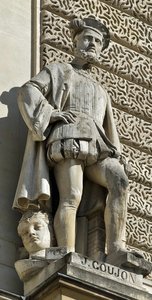
ジャン・グジョン
1510 - 1567 , フランス
基本情報
- Artistic Movement Or Style: マニエリスム
- Artists Or Movements Influenced By This Artist: ['フランス古典主義']
- Artists Who Influenced This Artist: ['ミケランジェロ']
- Date Of Birth: 1510年頃、フランス・ノルマンディー
- Date Of Death: 1567年頃
- Full Name: ジャン・グジョン
- Nationality: フランス
- Notable Artworks:
- ニンフ(細部)
- ピエタ
- 戦争と平和
- イノサン教会噴水
- ルーヴル美術館の彫刻
- Place Of Birth: フランス、ノルマンディー
関連記事

Bronze Sculptures That Defined Art History | ArtsDot
Journey through art history with our Top 10 bronze sculptures! Explore masterpieces by Rodin, Michelangelo & more. Discover stories behind iconic statues and find museum-quality reproductions for your home decor at ArtsDot.com.

The Enduring Form: Exploring Themes & Techniques in Sculpture Across Historical Periods
Explore the rich history of sculpture from ancient masterpieces to contemporary innovations. Discover key techniques, influential artists & investment potential for discerning art collectors.

Bronze Age to Modern Masters: 10 Sculptures That Redefined Art | ArtsDot
Journey through art history with 10 legendary bronze sculptures – from Michelangelo's David to Rodin’s Thinker. Explore the stories, techniques & timeless beauty of these masterpieces. Find museum-quality reproductions & elevate your home decor on ArtsDot.com.
The Enduring Form: Sculpture Across History, Technique & Emotional Resonance
Explore the rich history of sculpture with ArtsDot. Discover key techniques, influential artists & investment potential for discerning collectors. Expert insights into valuing and collecting timeless masterpieces.
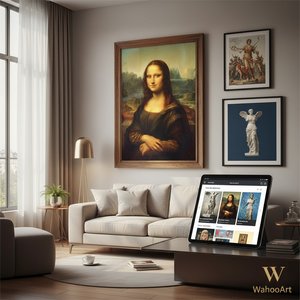
ルーブル美術館の至宝25選:名画と芸術史を巡る旅 | ArtsDot
ルーブル美術館の至宝25選。レオナルド・ダ・ヴィンチ、ミロのヴィーナス…名画の歴史と感動を紐解きます。複製画やインテリアアートも豊富に。ArtsDotで、あなただけの芸術空間を。

