

 プリントを購入
 シェアする
シェアする シェアする
シェアする
 詳細を見る
詳細を見る

 ダウンロード
 似ている作品
 スライドショー
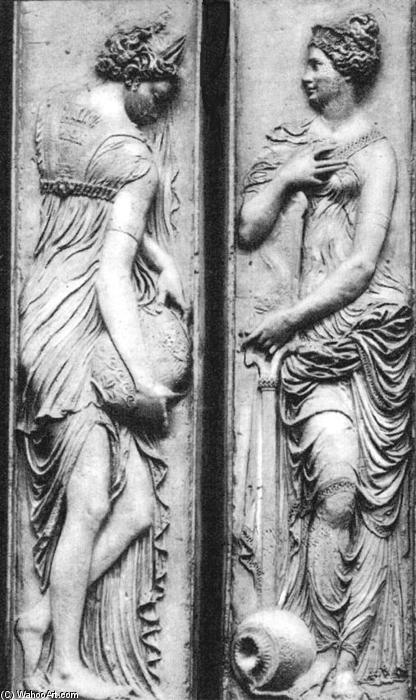
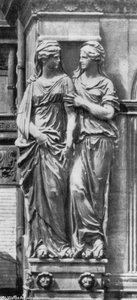
Nymphs (detail) (12)


 詳細を見る
詳細を見る
オンラインプレビューをはるかに凌ぐ、高解像度で鮮明なデジタル画像をご購入いただけます。
各ファイルは、社内の専門家が高度なツールと熟練した手作業によるレタッチを用いて、細心の注意を払って準備されています。すべての画像において、卓越した鮮明度、正確な色彩再現性、そして繊細なディテールを保証いたします。
最終ファイルは、プロフェッショナルな編集・印刷環境ですぐにご利用いただけるよう最適化された状態で、72時間以内にメールにてお届けいたします。これは、一流のデザインスタジオ、出版社、ギャラリーから信頼されているものと同等の品質です。
デジタル画像のご注文に付随する特典
高品質なデジタル画像配信を、確かな品質で。
ArtsDot.com を選ぶことは、単に画像を手に入れることではありません。それは、プロの手によって精密に仕上げられ、満足保証が付いた高品質なデジタルアートワークを受け取ることを意味します。ご注文いただいた際に自動的に付随する内容は、以下の通りです:

メールですぐにお届け
ご注文から72時間以内に、高解像度のデジタル画像ファイルがメールでお手元に届きます。すぐにそのままご利用いただけます。

AI技術で最適化されたデジタルファイル
お客様の作品は、高度なAIツールと専門家による手作業の編集を組み合わせてプロフェッショナルに最適化されており、細部のディテール、鮮明さ、そして正確な色再現性を最大限に引き出しています。

一生涯無料の再送サービス
ファイルを誤って削除したり、紛失してしまったりしましたか?ご安心ください。いつでも無料で再送いたします。

輸入手数料は一切かかりません
関税や手数料、配送料を気にすることなく、お気に入りのアートワークをすぐにお楽しみいただけます。デジタルダウンロードは常に免税です。

色彩再現の保証
プロ仕様のツールとカラーマネジメント技術を用いることで、デジタル画像が元の色を最大限に忠実に再現することを保証いたします。

60日間満足保証
ご購入いただいたデジタル画像にご満足いただけない場合は、60日以内であれば、修正または100%の返金(理由を問う必要はありません)をさせていただきます。

100% 返金保証
ご満足いただけない場合は、デジタルファイルを受け取ってから60日以内であれば、理由を問わず全額返金いたします。

まとめ買い割引
3枚購入で10%OFF - 5枚購入で15%OFF - 10枚以上購入で20%OFF。クリエイティブなプロジェクト、ギャラリー、エージェンシーに最適です。
作品の詳細
Jean Goujon: The Sculptor Who Shaped Parisian Elegance
Jean Goujon (c. 1510 – c. 1567) stands as a cornerstone of French Renaissance sculpture and architecture, embodying the stylistic fervor of Mannerism while simultaneously grounding itself in classical ideals. Born in Normandy, his early life remains shrouded in obscurity, yet his prolific output quickly established him as one of the era’s foremost artistic voices—a testament to his prodigious talent and unwavering dedication to craft. Goujon's journey began with formative experiences in Italy, where he absorbed the grandeur of Roman sculpture and integrated its principles into his own distinctive style. This influence is palpable throughout his oeuvre, particularly evident in his masterful handling of drapery and anatomical precision. He became a celebrated figure during Louis XIV’s reign, overseeing monumental projects at Versailles and cementing his legacy as an architect who elevated French artistic standards.The Tomb Monument to Louis de Brézé: A Masterpiece of Rouen Cathedral
Goujon's most ambitious undertaking was undoubtedly the tomb monument to Louis de Brézé, seigneur d’Aiguillon—a commission that would define his artistic maturity and solidify his reputation as a sculptor of unparalleled skill. Constructed between 1541 and 1542 at Rouen Cathedral, this monumental sculpture depicts Louis kneeling in prayer, surrounded by drapery that cascades downwards with breathtaking grace. The sheer scale of the piece demanded meticulous planning and execution, showcasing Goujon’s mastery of spatial illusion and his ability to convey profound emotion through sculpted form. It exemplifies the Mannerist style—characterized by exaggerated proportions, stylized poses, and a deliberate distortion of naturalism—yet retains an underlying reverence for classical harmony.A Celebration of Classical Ideals: The Influence of Roman Sculpture
Goujon’s artistic sensibilities were profoundly shaped by his exposure to Roman sculpture during his travels in Italy. Artists like Michelangelo and Bernini had revived the traditions of antiquity, prioritizing anatomical accuracy and idealized beauty—principles that Goujon wholeheartedly embraced. This influence is evident in every aspect of his work, from the meticulous rendering of musculature to the elegant drapery folds that mimic the flowing robes of Roman emperors. He skillfully employed techniques honed during his formative years abroad, ensuring that his sculptures resonated with the spirit of classical art.Symbolism and Emotion: The Fallen Amphora at Nymphs’ Feet
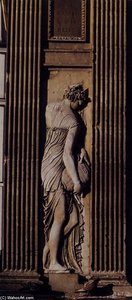
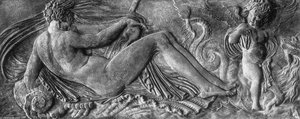
The sculpture's composition is imbued with symbolic significance. The fallen amphora resting at the feet of one nymph serves as a poignant reminder of mortality—a motif frequently employed in Renaissance art to convey themes of contemplation and acceptance. Simultaneously, the graceful poses and flowing drapery express serenity and nobility, reflecting Goujon’s belief that sculpture could elevate the human spirit. The diffused lighting enhances the three-dimensional effect, creating soft shadows that illuminate the sculpted figures with an ethereal glow—a testament to Goujon's technical prowess and his ability to capture fleeting moments of beauty.Versailles: Shaping the Vision of French Baroque
Goujon’s contribution to Versailles extended beyond architectural ornamentation; he oversaw the creation of monumental sculptures adorning the palace gardens, furthering the baroque aesthetic's grandeur and theatricality. His sculptures at Versailles are considered among the finest examples of French Baroque sculpture, demonstrating his ability to synthesize classical ideals with dramatic expression—a hallmark of Louis XIV’s artistic patronage. Goujon’s legacy continues to inspire artists today, securing his place as one of France’s most influential sculptors and architects.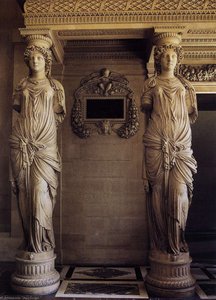
作家の略歴
パリのエレガンスを形作った彫刻家
ジャン・グジョン(1510年頃 – 1567年頃)は、フランス・ルネサンスにおける彫刻と建築の礎石として君臨しています。彼の作品は、マニエリスム特有の様式的な熱情を体現しながらも、同時に古典的な理想に深く根ざしたものでした。ノルマンディーに生まれた彼の若き日は、霧に包まれたかのように謎に満ちていますが、その多作な活動は、彼を瞬く間にこの時代の最も重要な芸術的表現者の一人へと押し上げました。それは、彼の類まれなる才能と、職人技への揺るぎない献身の証でもあります。グジョンの芸術的な旅路はイタリアでの形成期から始まりました。そこで彼はローマ彫刻の壮大さを吸収し、その原理を自身の独特な様式へと融合させていったのです。この影響は彼の全作品を通じて肌で感じることができ、特に衣襞(ドレーパリー)の見事な扱いと、解剖学的な精密さにおいて顕著に現れています。
彼の芸術的な飛躍は、ルーアン大聖堂(1541-42年)での活動から始まりました。そこで彼は、アネ領主ルイ・ド・ブレゼの墓碑彫刻という記念碑的な任務を引き受けます。この依頼は、彼の芽生えつつあった技術と野心を世に知らしめるものとなりました。この意欲的なプロジェクトによって、彼はフランス彫刻界における新星としての地位を確固たるものにしたのです。同時に、彼はサン・マクロ教会において建築家としての腕を磨き、芸術的ビレンと構造工学を融合させる天賦の才を発揮しました。完成した建造物は、ルネサンス期における教会建築の壮麗な模範であり、美的な美しさと機能的な誠実さの両方に対するグジョンの情熱を今に伝えています。
先見的な壮大さを分かち合うパートナーシップ
1544年にパリへと移ったグジョンは、サン=ジェルマン=レクスロワ教会の野心的な再建を指揮していた建築家ピエール・レスコと、極めて重要なパートナーシップを結びました。二人は共に、息をのむような彫刻装飾を構想し、実行に移しました。その白眉とも言えるのが説教壇です。これはレスコの新古典主義的な感性と、グジョンの卓越した衣襞技法が見事に融合した傑作でした。この共同作業の時代はフランス・ルネサンスの視覚的言語を定義づけ、グジョンは石に流動的な動きと、この世のものとは思えない優美さを吹き込み始めたのです。
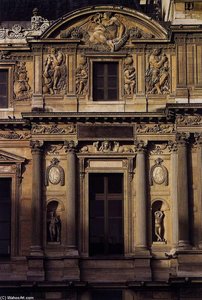
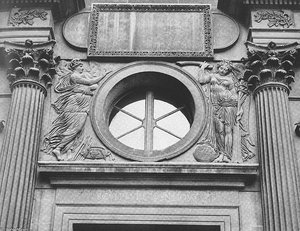
彼の影響力の頂点は、おそらくルーヴル美術館への貢献において最も顕著に見ることができます。クール・カレ(レスコ翼)のファサードにおける彼の仕事は、フランス芸術の輝きを反映した緻密な彫刻を通じて古典的なエレガンスを披露しており、今なお象徴的な業績として残っています。これらの作品では、彫り込まれた人物像に落ちる光と影の繊細な相互作用を観察することができ、それは冷たい大理石に生命を吹き込む彼の卓越した能力の証です。その熟練の技はルーヴルのファサード(細部)にも及び、そこでは細部への極めて精緻なこだわりがマニエリスム様式の傑作を生み出し、古典的な優雅さと複雑な彫刻を融合させ、数世紀を経た今も見る者を魅了し続けています。
優美さと古典的形式の遺産
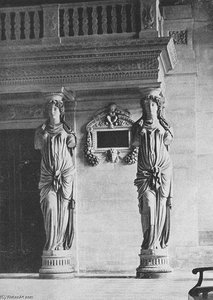
グジョンの遺産は、マニエリスムの緊張感と古典主義の静謐さを調和させる比類なき能力によって定義されます。彼の彫刻には、建築的な背景の中に浮かんでいるかのようなニンフや寓意像がしばしば登場しますが、その技法が最も有名な形で結実しているのがカリアティード(女像柱)です。これら10体の見事な人物像は、16世紀フランス・ルネサンス彫刻の頂点を象徴しており、見る者に古典的な壮大さと洗練されたエレガンスをもたらします。これらの作品を通じて、グジョンは単に建物を装飾しただけではありません。彼はフランス的な美意識の洗練という、そのアイデンティティそのものを彫り上げたのです。
解剖学や衣襞への彼のアプローチは、後の世代のヨーロッパの芸術家たちに多大な影響を与えたため、彼の作品の歴史的重要性はいくら強調してもしすぎることはありません。重厚な石を流動的でリズム感のある形態へと変貌させる彼の能力は、彼の死後も長く続くフランス古典主義の基準を確立しました。今日、ルーヴルの翼に見られる緻密な細部から、建築装飾への深い影響に至るまで、彼の天才の残滓は、真にパリのエレガンスを形作った人物への永続的な証として存在しています。
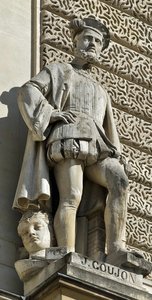
ジャン・グジョン
1510 - 1567 , フランス
プロフィール概要
- Artistic Movement Or Style: マニエリスム
- Artists Or Movements Influenced By This Artist: ['フランス古典主義']
- Artists Who Influenced This Artist: ['ミケランジェロ']
- Date Of Birth: 1510年頃、フランス・ノルマンディー
- Date Of Death: 1567年頃
- Full Name: ジャン・グジョン
- Nationality: フランス
- Notable Artworks:
- ニンフ(細部)
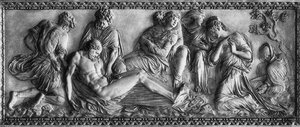
- ピエタ
- 戦争と平和
- イノサン教会噴水
- ルーヴル美術館の彫刻
- Place Of Birth: フランス、ノルマンディー

