

 プレビュー
プレビュー
 シェアする
シェアする シェアする
シェアする
 詳細を見る
詳細を見る

 ダウンロード
 似ている作品
 X線調査
X線調査 スライドショー
 Stats
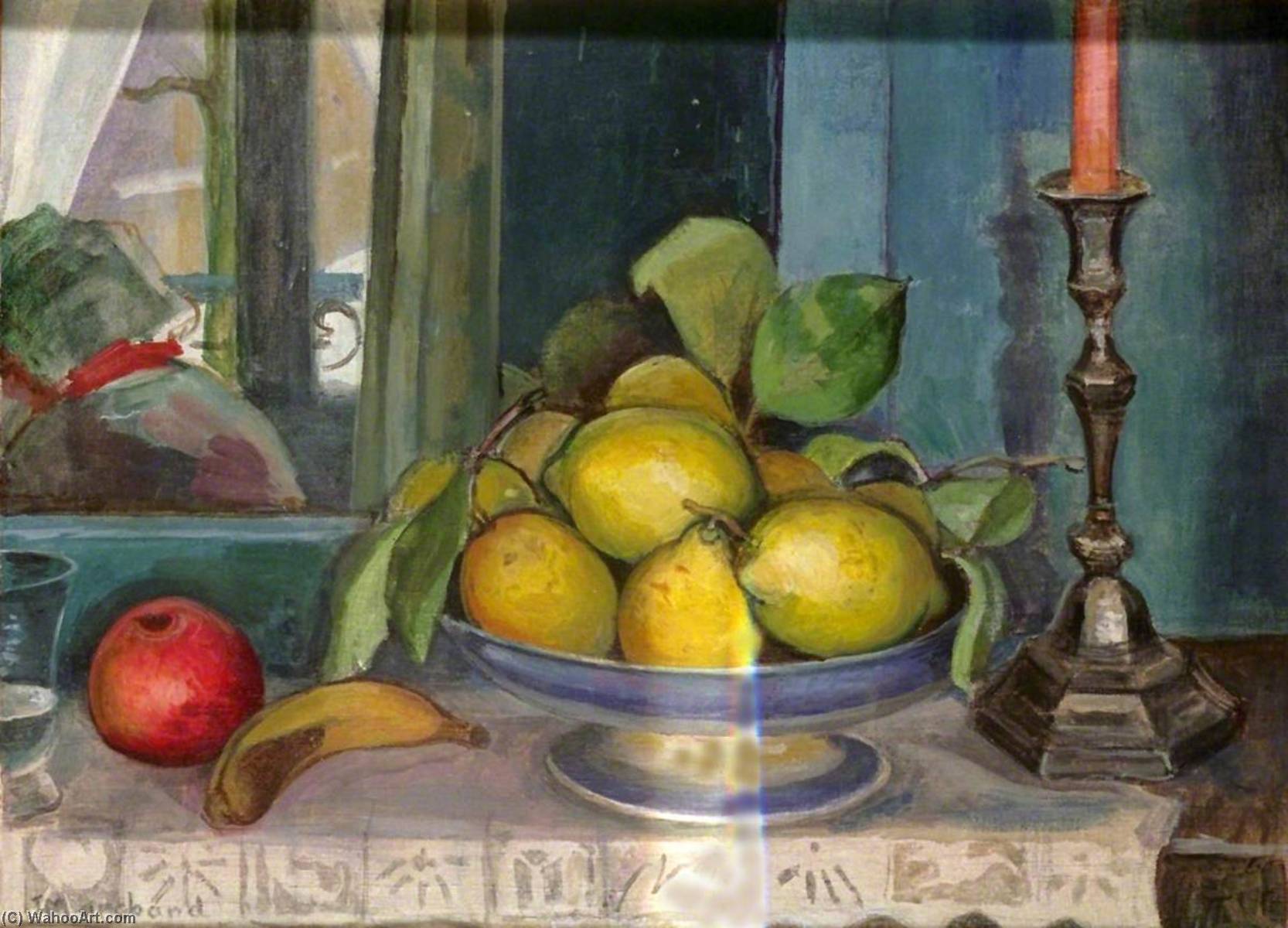
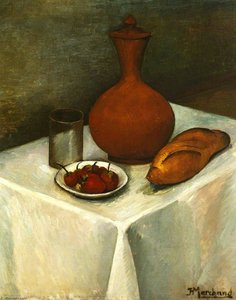
StatsStill Life with Fruit and Candlestick
 1930
1930 46.0 x 61.0 cm
 Courtauld Gallery
 詳細を見る
詳細を見る
ジークレー/アートプリント
迅速な制作と多彩な仕上げオプションを備えた、ミュージアムクオリティのジークレーまたはキャンバスプリント。 ( 手描きの絵画を購入 Switch to Digital Image)




































作品のオリジナル比率に合わせた、当店の規定サイズからお選びください。

特定のフレームやスペースに合わせて、ご自身でサイズを指定することも可能です。選択されたサイズが元の画像の比率と一致しない場合、作品をトリミングするか、鏡面反射または単色での塗りつぶしによって画像を拡張いたします。制作を開始する前に、ご確認用のデジタルモックアップをお送りいたします。
画面上のプレビューには、実際のトリミングや拡張は反映されませんのでご注意ください。最終的な構図を正確に確認できるのは、モックアップのみとなります。
カスタムサイズも承っておりますが、元の比率を維持するためには、あらかじめ用意されたリストからサイズを選択することをお勧めいたします。


 ガラスオプションは、110cm未満のサイズでのみご利用いただけます。

Still Life with Fruit and Candlestick
ジークレー/アートプリント
複製画のサイズ
-


合計金額
$ 62
関連作品







アーティストの略歴
The Parisian Pulse: The Life and Vision of Jean Hyppolyte Marchand
Jean Hyppolyte Marchand emerged from the vibrant, shifting currents of the early 20th-century Parisian art scene, a period defined by the tension between classical tradition and radical modernity. Born on November 21, 1883, Marchand’s artistic journey began within the prestigious halls of the École des Beaux-Arts. Under the rigorous guidance of Léon Bonnat, he absorbed the foundational principles of classical technique, yet his spirit was far too restless to remain tethered to the past. His early explorations were deeply rooted in the Impressionist tradition, finding profound beauty in the tranquil landscapes of the Midi region. In these early works, one can observe a meticulous devotion to tonal harmony and light, reminiscent of the masters Cézanne and Sisley, as he sought to capture the quiet, sun-drenched essence of rural France.
Beyond the canvas, Marchand’s formative years were enriched by a diverse engagement with the decorative arts. His experience in jewelry design and textiles provided him with a unique tactile understanding of pattern and form, an expertise that would later inform the structural integrity of his more experimental compositions. This intersection of fine art and decorative elegance allowed him to approach the canvas not just as a window into nature, and but as a space for complex geometric interplay.
A Convergence of Minds: The Bloomsbury Connection
One of the most defining chapters in Marchand’s biography was his profound association with the Bloomsbury Group. This legendary circle of intellectuals and artists—including Roger Fry, Clive Bell, Virginia Woolf, and Leonard Woolf—served as a catalyst for his artistic evolution. Through this connection, Marchand was thrust into an environment that championed aesthetic experimentation and challenged the rigid boundaries of Victorian morality and academic art. It was within this influential orbit that his work began to move away from the soft edges of Impressionism toward something far more intellectually rigorous.
The impact of Fry and Bell on Marchand’s trajectory cannot be overstated. Their advocacy for Post-Impressionism provided him with the conceptual framework to embrace the fractured planes and multiple perspectives that were beginning to redefine European art. This period of his life was marked by a daring intellectual fervor, as he grappled with the concepts of simultaneity and spatial ambiguity, seeking to represent the complexity of modern perception through a more structured, analytical lens.
The Cubist Breakthrough and Artistic Legacy
Around 1912, Marchand underwent a transformative stylistic shift, fully embracing the revolutionary language of Cubism. Drawing inspiration from the pioneering techniques of Picasso and Braque, he began to deconstruct his subjects into a series of overlapping planes and geometric facets. His still lifes from this era, such as the celebrated Still Life with Bananas (1910), demonstrate a masterful command of this new vocabulary. These works were not merely exercises in abstraction but were deeply engaged with the physical presence of objects, using light and shadow to navigate the tension between two-dimensional surfaces and three-dimensional depth.
His versatility extended well beyond oil painting into the delicate realms of printmaking and illustration. A notable achievement includes his evocative collaboration with the poet Paul Claudel on Le Chemin de la Croix, where Marchand’s ability to translate spiritual and emotional narratives into visual form was brilliantly displayed. Whether capturing the serene, sun-soaked atmosphere of a Mediterranean village in View in the Midi or exploring the poignant, structured forms of Maternity (La Maternité), Marchand’s oeuvre remains a testament to a life spent at the crossroads of tradition and innovation. His legacy persists as a vital link between the pastoral beauty of the 19th century and the fractured, exhilarating energy of the modern age.
jean hyppolyte marchand
1883 - 1940
基本情報
- Artistic Movement Or Style: Cubism
- Artists Or Movements Influenced By This Artist: ['Bloomsbury Group']
- Artists Who Influenced This Artist: ['Léon Bonnat']
- Date Of Death: 1940
- Full Name: Jean Hippolyte Marchand
- Nationality: French
- Notable Artworks:
- Still Life with Bananas
- Olive Trees, Vence
- Place Of Birth: Paris, France