

 プレビュー
プレビュー
 プリントを購入
 シェアする
シェアする シェアする
シェアする
 詳細を見る
詳細を見る

 ダウンロード
 似ている作品
 X線調査
X線調査 スライドショー
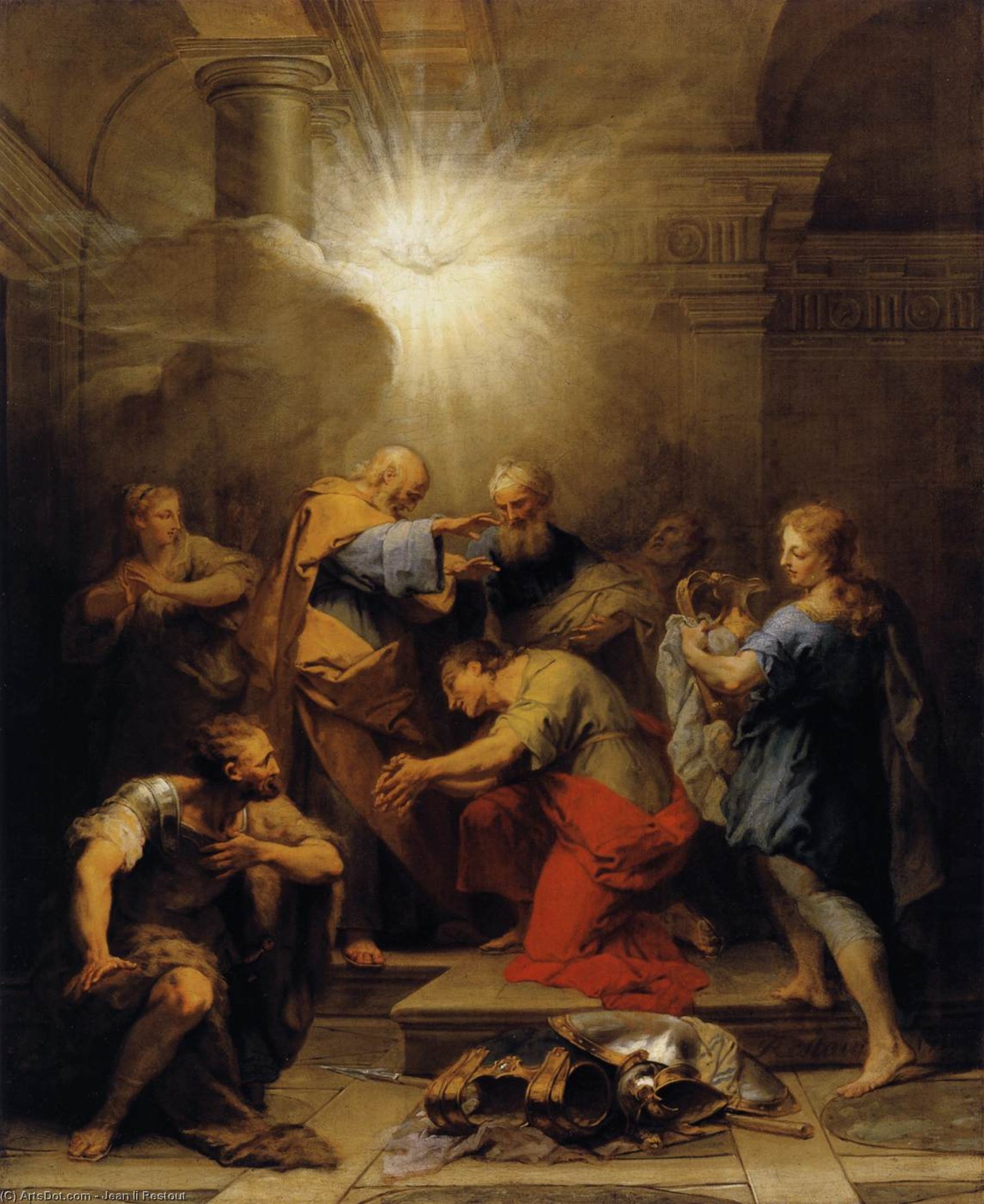
Ananias Restoring the Sight of St Paul
 Oil On Canvas
- WallArt
- Baroque Classicism
 1719
1719 90.0 x 80.0 cm
 ルーブル美術館
 詳細を見る
詳細を見る
オンラインプレビューをはるかに凌ぐ、高解像度で鮮明なデジタル画像をご購入いただけます。
各ファイルは、社内の専門家が高度なツールと熟練した手作業によるレタッチを用いて、細心の注意を払って準備されています。すべての画像において、卓越した鮮明度、正確な色彩再現性、そして繊細なディテールを保証いたします。
最終ファイルは、プロフェッショナルな編集・印刷環境ですぐにご利用いただけるよう最適化された状態で、72時間以内にメールにてお届けいたします。これは、一流のデザインスタジオ、出版社、ギャラリーから信頼されているものと同等の品質です。
デジタル画像のご注文に付随する特典
高品質なデジタル画像配信を、確かな品質で。
ArtsDot.com を選ぶことは、単に画像を手に入れることではありません。それは、プロの手によって精密に仕上げられ、満足保証が付いた高品質なデジタルアートワークを受け取ることを意味します。ご注文いただいた際に自動的に付随する内容は、以下の通りです:

メールですぐにお届け
ご注文から72時間以内に、高解像度のデジタル画像ファイルがメールでお手元に届きます。すぐにそのままご利用いただけます。

AI技術で最適化されたデジタルファイル
お客様の作品は、高度なAIツールと専門家による手作業の編集を組み合わせてプロフェッショナルに最適化されており、細部のディテール、鮮明さ、そして正確な色再現性を最大限に引き出しています。

一生涯無料の再送サービス
ファイルを誤って削除したり、紛失してしまったりしましたか?ご安心ください。いつでも無料で再送いたします。

輸入手数料は一切かかりません
関税や手数料、配送料を気にすることなく、お気に入りのアートワークをすぐにお楽しみいただけます。デジタルダウンロードは常に免税です。

色彩再現の保証
プロ仕様のツールとカラーマネジメント技術を用いることで、デジタル画像が元の色を最大限に忠実に再現することを保証いたします。

60日間満足保証
ご購入いただいたデジタル画像にご満足いただけない場合は、60日以内であれば、修正または100%の返金(理由を問う必要はありません)をさせていただきます。

100% 返金保証
ご満足いただけない場合は、デジタルファイルを受け取ってから60日以内であれば、理由を問わず全額返金いたします。

まとめ買い割引
3枚購入で10%OFF - 5枚購入で15%OFF - 10枚以上購入で20%OFF。クリエイティブなプロジェクト、ギャラリー、エージェンシーに最適です。
The Divine Touch: Ananias Restoring the Sight of St Paul
To stand before this depiction of Ananias Restoring the Sight of St Paul is to be enveloped in an atmosphere thick with divine intervention and profound human vulnerability. The scene, rendered by Jean II Restout in 1719, transcends a mere narrative illustration; it is a vibrant tableau vivant capturing the precise moment grace pierces through darkness. One can almost feel the palpable energy emanating from the central figure as his hands hover over the afflicted man’s eyes—a gesture that speaks volumes of faith, healing, and miraculous restoration. The composition draws the eye immediately to this nexus of action, grounding the viewer in the immediacy of the miracle.
Mastery of Late Baroque Classicism
Jean II Restout stands as a compelling example of late Baroque classicism, an artistic current that favored clarity, noble emotion, and structured grandeur over the airy frivolity of the Rococo. His dedication to this style is evident in the controlled drama of the painting. While the subject matter—a biblical miracle—allows for high emotional pitch, Restout tempers it with a classical restraint. Observe the arrangement of the figures; they are not haphazardly placed but seem orchestrated around the central act of healing. The artist utilizes deep compositional lines and rich drapery to give weight and permanence to the moment, suggesting that this divine intervention is an eternal truth.
Symbolism of Light and Sight
The symbolism within this work is deeply resonant for any collector or admirer of sacred art. Blindness, in religious iconography, has long served as a potent metaphor for spiritual ignorance or sin. Conversely, the restoration of sight represents enlightenment, divine favor, and salvation. The interplay between shadow and illumination throughout the canvas mirrors this struggle: the darkness surrounding the afflicted contrasts sharply with the implied brilliance emanating from the act of healing itself. For those decorating a space meant for contemplation or devotion, this piece offers not just decoration, but a visual meditation on spiritual awakening.
Technique and Emotional Resonance
Restout’s technique, characteristic of his period, suggests a meticulous handling of paint that allows the textures—the folds of the robes, the skin tones, the varied expressions on the faces—to breathe. The depth achieved in the painting gives it an almost three-dimensional presence, inviting close study. Emotionally, the piece is overwhelmingly uplifting. It speaks to the human yearning for redemption and the unwavering belief in benevolent forces greater than ourselves. Owning a reproduction of this work allows one to bring home not just a beautiful object, but a sustained feeling of hope and profound spiritual connection.
関連作品

作家の略歴
Jean II Restout: Life and Legacy
Jean II Restout (1692 – 1768) was a French painter who distinguished himself through his late Baroque classicism, particularly in the realm of religious altarpieces. He stood as a notable figure resisting the prevailing Rococo style of his era.
Early Life and Family Background
Born in Rouen, France, in 1692, Jean II Restout came from an artistic family. His father was Jean I Restout, also a painter. Importantly, his mother, Marie M. Jouvenet, was the sister and pupil of the well-known painter Jean Jouvenet, who would become a significant influence on young Restout’s development.
Artistic Training and Early Career
In 1717, Restout achieved an early milestone by being elected to the Académie Royale de Peinture et de Sculpture based on his work for the prestigious Prix de Rome. However, unlike many recipients, he chose to remain in Paris rather than proceeding to Italy for further study. This decision allowed him to consistently exhibit at the Salons and steadily climb the ranks within the academic hierarchy.
Artistic Style and Major Works
Restout’s artistic style is characterized by a deliberate return to classical principles, even as Rococo flourished around him. His works are marked by their solemnity, dramatic composition, and meticulous detail. He excelled in large-scale altar pieces, ceilings, and designs for the Gobelin tapestries.
- The Death of St Scholastica: Considered an “isolated achievement” that contrasted sharply with contemporary Rococo trends.
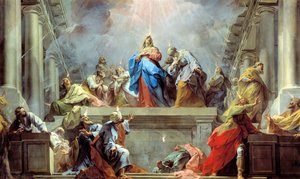
- Pentecost: A powerful depiction showcasing his mastery of composition and religious narrative.
- Ananias Restoring the Sight of St Paul: Demonstrates his skill in portraying dramatic biblical scenes.
- The Disciples at Emmaus (or Lunch at Emmaus): Another example of his talent for rendering religious subjects with emotional depth.
Influences and Artistic Development
Jean Jouvenet, his maternal uncle, was a crucial early influence on Restout’s artistic development. Jouvenet's emphasis on classical form and dramatic lighting profoundly shaped Restout’s approach to painting. Restout also studied the works of earlier masters, absorbing their techniques and principles.
Later Life and Legacy
Restout held various positions within the Académie throughout his career, demonstrating his standing in the artistic community. His son, Jean-Bernard Restout (1732–1797), also became a painter and won the Prix de Rome in 1758, though he later faced difficulties with the Academy due to disagreements over its rules.
Historical Significance
Jean II Restout occupies a unique position in French art history. While his work doesn’t possess the widespread fame of some of his contemporaries, his steadfast commitment to classical principles during the height of Rococo makes him a significant figure. He represents a resistance to fleeting trends and a dedication to enduring artistic values. His altarpieces remain important examples of late Baroque classicism in France.
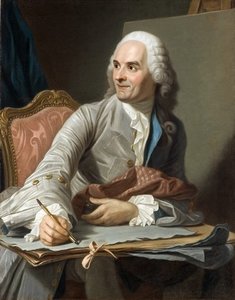
Jean II Restout
1692 - 1768

