

 シェアする
シェアする シェアする
シェアする
 詳細を見る
詳細を見る

 ダウンロード
 似ている作品
 スライドショー
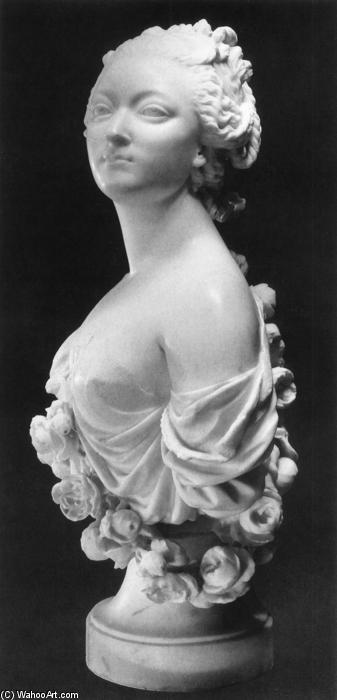
Madame du Barry


 詳細を見る
詳細を見る
ジークレー/アートプリント
迅速な制作と多彩な仕上げオプションを備えた、ミュージアムクオリティのジークレーまたはキャンバスプリント。 ( 手描きの絵画を購入 画像を購入)




































作品のオリジナル比率に合わせた、当店の規定サイズからお選びください。

特定のフレームやスペースに合わせて、ご自身でサイズを指定することも可能です。選択されたサイズが元の画像の比率と一致しない場合、作品をトリミングするか、鏡面反射または単色での塗りつぶしによって画像を拡張いたします。制作を開始する前に、ご確認用のデジタルモックアップをお送りいたします。
画面上のプレビューには、実際のトリミングや拡張は反映されませんのでご注意ください。最終的な構図を正確に確認できるのは、モックアップのみとなります。
カスタムサイズも承っておりますが、元の比率を維持するためには、あらかじめ用意されたリストからサイズを選択することをお勧めいたします。


 ガラスオプションは、110cm未満のサイズでのみご利用いただけます。

Madame du Barry
ジークレー/アートプリント
複製画のサイズ
-


合計金額
$ 62
作品詳細説明
The Enigmatic Beauty: Jean-Jacques Caffieri’s “Madame du Barry”
Jean-Jacques Caffiéri's 1770 marble bust of Madame du Barry is more than a mere portrait; it’s a carefully constructed tableau vivant, a frozen moment brimming with the opulence and calculated charm of the French court. Carved by the master sculptor himself, this piece captures not just the physical likeness of the famed courtesan but also her aura – a potent blend of allure, power, and subtle melancholy. The sculpture resides within the Hermitage Museum in St. Petersburg, a testament to its enduring artistic merit and historical significance.
Caffiéri’s genius lies not simply in anatomical accuracy, though it is undeniably impressive, but in his ability to imbue stone with a sense of movement and personality. The slight tilt of the head, the delicate curve of the neck, and the suggestion of a playful smile all contribute to an impression of life captured in stillness. The choice of marble itself – cool, luminous, and possessing a remarkable capacity for detail – perfectly complements the subject’s refined beauty and the overall Rococo aesthetic.
A Masterpiece of the Rococo Era
Caffiéri was a pivotal figure in French sculpture during the Rococo period, an era defined by its embrace of naturalism, ornamentation, and playful extravagance. His work exemplifies this style perfectly, moving away from the rigid formality of Neoclassicism towards a more sensual and emotionally expressive approach. The bust is a prime example of the Rococo’s fascination with luxurious materials – gold leaf, silk, lace – all rendered in exquisite detail within the confines of marble. It's a visual feast, mirroring the lavish interiors and decadent court life that defined Louis XV’s reign.
- Technique: Caffiéri masterfully employed the technique of *subtractive sculpture*, carefully removing material to reveal the form beneath. The delicate carving of the lace collar, the intricate folds of the hair, and the subtle modeling of the face demonstrate a remarkable level of skill and precision.
- Materials: Crafted from Carrara marble, renowned for its purity and translucence, the bust showcases the stone’s natural beauty while highlighting Caffiéri's ability to manipulate it with exceptional artistry.
Symbolism and Context
Madame du Barry was a figure of immense fascination during her time – a celebrated courtesan who rose to prominence at the French court, captivating Louis XV with her beauty, wit, and political influence. The sculpture subtly reflects this complex narrative. The garland of roses encircling her head is not merely decorative; it symbolizes both beauty and fleeting pleasure—a fitting emblem for a woman whose life was defined by its ephemeral nature. The pose itself suggests a quiet confidence, a subtle defiance against the constraints imposed upon women in 18th-century society.
Furthermore, the sculpture’s placement within the context of the Comédie Française—a space dedicated to theatrical performance and artistic expression—underscores its connection to the world of entertainment and illusion. Caffiéri's portrait captures not just Madame du Barry’s physical appearance but also her carefully constructed persona, a masterful blend of reality and artifice.
A Timeless Portrait of Elegance
“Madame du Barry” remains a captivating work of art, offering a glimpse into the opulent world of the French court and the enigmatic personality of one of its most celebrated figures. Caffiéri’s masterful execution—his command of technique, his understanding of human psychology, and his ability to capture the essence of his subject—ensures that this sculpture will continue to enthrall viewers for generations to come. It is a testament to the enduring power of art to transcend time and evoke emotion.
関連作品
アーティストの略歴
ジャン=ジャック・カフィエリ:ルイ15世の宮廷を彩ったロココ彫刻家
ジャン=ジャック・カフィエリ(1678-1755)は、ロココ時代におけるフランス彫刻界の極めて重要な人物であり、その時代の象徴とも言える豪華絢爛な美学と、卓越した職人技を体現しています。金属工芸の芸術に生涯を捧げた名高い鋳物師フィリップ・カフィエリのもとにパリで生まれたカフィエリの芸術的旅路は、伝統に深く根ざした家族の中で始まりました。その遺産はイタリアの影響を強く受け、豊かな色彩を帯びていました。父の下で行われた初期の修行は、彼を「フォンデール・シズルール(鋳造師兼仕上げ師)」としての基礎的な技術へと導きました。これにより、彼は記念碑的な彫刻プロジェクトから繊細な装飾金属工芸までを統括する、パリの権威あるギルドへの道を開いたのです。この形成期における経験が、技法と素材操作に対する比類なき理解を彼に植え付け、その後の全作品を特徴づけることとなりました。- 幼少期と修行:芸術的な才能に溢れた家族の中で育ったカフィエリは、ブロンズの鋳造と仕上げの技術について包括的な指導を受けることができました。これらの技能は、父フィリップ・カフィエリ自身の厳格な監視の下で磨き上げられたものです。
- ギルドでの承認と初期の依頼:1715年までに、カフィエリは「メートレ・フォンデール・シズルール(マスター鋳造師兼仕上げ師)」の地位を獲得しました。これは、鋳造師ギルドからの依頼をきっかけとした彫刻家としてのデビューを意味しており、当時のパリの職人たちの間で彼の名声が急速に高まっていたことの証左といえます。
カフィエリ家の遺産:ブロンズ彫刻と装飾芸術
フランス彫刻におけるカフィニエリ家の貢献は疑いようのないものであり、その功績の多くはジャック・カフィエリの息子であるフィリップ・カフィエリ(1714–1777)にも引き継がれています。二人はルイ15世に仕える強力な芸術的コンビを形成しました。カネット通りにあった彼らの工房からは、驚くべき量の作品が生み出されました。主に金メッキを施したブロンズの家具金具や装飾品は、パリ中の邸宅を彩り、ロココ様式の職人技の基準を引き上げました。特に、ヴェルサイユ、フォンテーヌブロー、マルリー、コンピエーニュ、ショイジーといった宮廷のためのデザインは、ルイ15世の宮廷と不可分な豪華さと優雅さを象徴しています。ミュエット城には、彼らの協力精神を示す見事な証が残されています。その金メッキブロンズの暖炉飾りは、ダイナミックな動きと優美な装飾を特徴とし、卓越した技術で実行されたロココ様式の模範であり続けています。- ヴェルサイユのプロジェクト:ヴェルサイユ宮殿の装飾への関与は、優れた彫刻家としての彼の名声を確固たるものにし、宮殿の豪華な美学に多大な貢献を果たしました。
- フィリップ・カフィエリとの協力:ジャックとフィリップによるパートナーシップは、当時の装飾芸術における革新を促進し、その質をさらなる高みへと引き上げました。
王室の庇護と芸術的達成
カフィエリの王室への献身は、建築的な装飾にとどまりませんでした。彼はルイ15世のために数多くの依頼を受け、その時代の精神を捉えた肖像画や彫刻を制作しました。彼の作品は存命中に大きな称賛を浴らい、フランスで最も名高い彫刻家の一人としての地位を確立しました。ウォレス・コレクションには、カフィエリの傑作が収蔵されています。それは1739年にアントワーヌ=ロベール・ゴードローによってヴェルサイユ宮殿のルイ15世の寝室のために届けられた「王のコモード(チェスト)」であり、ロココのデザインと職人技の驚異的な例です。その複雑な金メッキブロンズの装飾は、その美しさと技術的な妙技によって、今なお見る者の感銘を呼び起こしています。- ウォレス・コレクションの依頼品:「王のコモード」はロココ芸術の頂点を象徴しており、金属工芸と装飾芸術における並外れた技術を示しています。
- 著名な肖像画:カフィエリの肖像作品は、心理的な深みと優雅さを伝える能力を証明しており、それこそが彼の芸術的遺産を定義する特徴なのです。
影響力と歴史的重要性
ジャン=ジャック・カフィエリが後世の彫刻家たちに与えた影響は極めて大きく、彼はロココ美術史の礎石としての地位を確立しています。細部への細心の注意と、父から受け継いだブロンズ鋳造技術の習熟は、1755年に彼が没した後も数十年にわたって続く伝統を築き上げました。カフィエリの作品は、啓蒙時代におけるフランス芸術の卓越性の永続的な象徴であり、自然主義と洗練された装飾への当時の情熱を反映しています。彼の遺産は今日でもアーティストたちにインスピレーションを与え続け、フランスで最も崇敬される彫刻家の一人としての地位を不動のものにしています。
ジャン=ジャック・カフィエリ
1678 - 1755 , フランス
基本情報
- Artistic Movement Or Style: ロココ様式
- Artists Or Movements Influenced By This Artist: ['ロココ様式']
- Artists Who Influenced This Artist: ['フィリップ・カフィエリ']
- Date Of Birth: フランス、パリ (1678年)
- Date Of Death: 1755年
- Full Name: ジャン=ジャック・カフィエリ
- Nationality: フランス
- Notable Artworks:
- 王のコモード(チェスト)
- 暖炉の装飾
- クロード=アドリアン・エルヴェシウスの肖像
- ジャン・ド・ロトルーの胸像
- Place Of Birth: パリ
関連記事
The Enduring Allure of Marble in Art History: From Classical Sculpture to Modern Abstraction
Explore the captivating history of marble sculpture from ancient Greece to modern art. Discover renowned artists like Canova & Michelangelo, carving techniques, and investment insights at ArtsDot.

Bronze Sculptures That Defined Art History | ArtsDot
Journey through art history with our Top 10 bronze sculptures! Explore masterpieces by Rodin, Michelangelo & more. Discover stories behind iconic statues and find museum-quality reproductions for your home decor at ArtsDot.com.

The Enduring Form: Exploring Themes & Techniques in Sculpture Across Historical Periods
Explore the rich history of sculpture from ancient masterpieces to contemporary innovations. Discover key techniques, influential artists & investment potential for discerning art collectors.

The Enduring Form: Sculpture Across History, Technique & Emotional Resonance
Explore the rich history of sculpture with ArtsDot. Discover key techniques, influential artists & investment potential for discerning collectors. Expert insights into valuing and collecting timeless masterpieces.

Bronze Age to Modern Masters: 10 Sculptures That Redefined Art | ArtsDot
Journey through art history with 10 legendary bronze sculptures – from Michelangelo's David to Rodin’s Thinker. Explore the stories, techniques & timeless beauty of these masterpieces. Find museum-quality reproductions & elevate your home decor on ArtsDot.com.

