

 プレビュー
プレビュー
 シェアする
シェアする シェアする
シェアする
 詳細を見る
詳細を見る

 ダウンロード
 似ている作品
 X線調査
X線調査 スライドショー
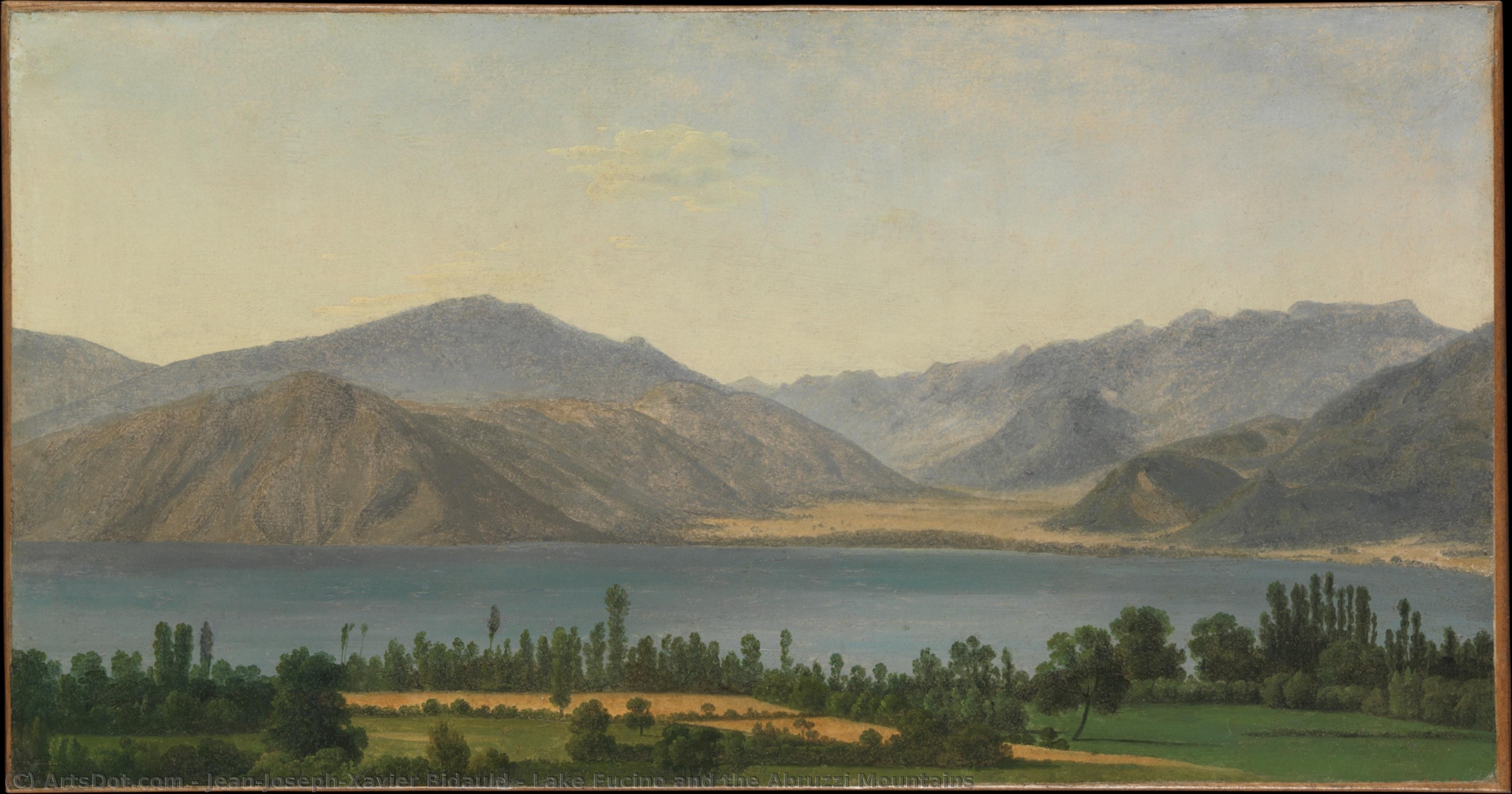
Lake Fucino and the Abruzzi Mountains
 Neoclassicism
 1789
1789- Early Modern
 25.0 x 48.0 cm
 メトロポリタン美術館
 詳細を見る
詳細を見る
ジークレー/アートプリント
迅速な制作と多彩な仕上げオプションを備えた、ミュージアムクオリティのジークレーまたはキャンバスプリント。 ( 手描きの絵画を購入 画像を購入)




































作品のオリジナル比率に合わせた、当店の規定サイズからお選びください。

特定のフレームやスペースに合わせて、ご自身でサイズを指定することも可能です。選択されたサイズが元の画像の比率と一致しない場合、作品をトリミングするか、鏡面反射または単色での塗りつぶしによって画像を拡張いたします。制作を開始する前に、ご確認用のデジタルモックアップをお送りいたします。
画面上のプレビューには、実際のトリミングや拡張は反映されませんのでご注意ください。最終的な構図を正確に確認できるのは、モックアップのみとなります。
カスタムサイズも承っておりますが、元の比率を維持するためには、あらかじめ用意されたリストからサイズを選択することをお勧めいたします。


 ガラスオプションは、110cm未満のサイズでのみご利用いただけます。

Lake Fucino and the Abruzzi Mountains
ジークレー/アートプリント
複製画のサイズ
-


合計金額
$ 62
関連作品
アーティストの略歴
The Enigmatic Visionary: Jean-Joseph-Xavier Bidauld
Jean-Joseph-Xavier Bidauld remains a somewhat elusive figure in the landscape of 19th-century French art, a painter whose work bridges Romanticism and early Symbolism with a distinctive, often haunting sensibility. Born in , his life details are sparsely documented, contributing to the mystique surrounding his oeuvre. What *is* known is that Bidauld emerged during a period of intense artistic ferment, following in the footsteps of masters like Delacroix while simultaneously forging a path uniquely his own. He wasn't a product of the official Salon system, preferring instead to exhibit at more independent venues and cultivate a dedicated, if relatively small, circle of admirers. This deliberate distance from mainstream recognition allowed him greater freedom to explore themes that were often considered unconventional for his time – spirituality, mortality, and the power of dreams.A Childhood Immersed in Art and History
While precise biographical information is limited, it’s believed Bidauld received early artistic training within a family environment steeped in cultural appreciation. His formative years were likely influenced by the historical narratives prevalent in French society following the Napoleonic era. This fascination with the past—particularly medieval history and folklore—would become a recurring motif throughout his career. Unlike many of his contemporaries who focused on grand historical events, Bidauld tended to gravitate towards more intimate scenes, often depicting solitary figures lost in contemplation or engaged in mysterious rituals. His early works demonstrate a clear technical proficiency, showcasing a mastery of draftsmanship and an understanding of light and shadow reminiscent of the Romantic painters he admired. However, even in these initial pieces, there’s a subtle undercurrent of melancholy and introspection that sets his work apart.Themes of Spirituality and the Macabre
Bidauld's artistic vision matured into a deeply personal exploration of spirituality, often intertwined with themes of death and the supernatural. He wasn’t interested in depicting conventional religious scenes; rather, he sought to capture the *feeling* of faith—the awe, the doubt, the yearning for something beyond the material world. This pursuit led him to explore symbolism drawn from various sources, including medieval illuminated manuscripts, occult traditions, and his own vivid imagination. His paintings frequently feature cloaked figures, crumbling ruins, and ethereal landscapes, creating an atmosphere of both beauty and unease. The macabre wasn’t merely a source of shock value for Bidauld; it was a means of confronting the fragility of life and the inevitability of mortality. He presented death not as a terrifying end but as a transition—a gateway to another realm.Influences and Artistic Development
Identifying direct influences on Bidauld is complex, given his relatively isolated artistic trajectory. However, scholars point to several key figures who likely shaped his aesthetic sensibilities. Eugène Delacroix’s dramatic use of color and expressive brushwork undoubtedly left an impression, as did the Symbolist painters like Gustave Moreau and Odilon Redon, though Bidauld predates their full emergence. The Pre-Raphaelites, with their emphasis on detail and medieval subject matter, also resonate in his work.- Romanticism: Delacroix’s emotional intensity and vibrant palette.
- Symbolism: Moreau's dreamlike imagery and Redon's exploration of the subconscious.
- Medieval Art: Illuminated manuscripts and Gothic architecture, inspiring his subject matter and compositional style.
Legacy and Historical Significance
Despite lacking widespread recognition during his lifetime, Jean-Joseph-Xavier Bidauld’s work has experienced a resurgence in recent years. His paintings are now appreciated for their unique blend of Romanticism and Symbolism, as well as their profound exploration of spiritual themes. He anticipated many of the concerns that would preoccupy later generations of artists—the search for meaning in a rapidly changing world, the power of the subconscious, and the enduring fascination with death and the afterlife. Bidauld’s legacy lies not in his adherence to any particular artistic movement but in his ability to create a deeply personal and evocative visual language that continues to resonate with audiences today. He stands as a testament to the power of individual vision—a painter who dared to explore the darker corners of the human psyche and capture the elusive beauty of the unseen world.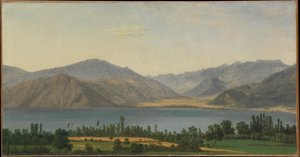
基本情報
- Artistic Movement Or Style: Orientalism, Academic painting
- Artists Or Movements Influenced By This Artist: ['Orientalist painters']
- Artists Who Influenced This Artist:
- Ingres
- Delacroix
- Date Of Death: Living
- Full Name: Jean-Joseph-Xavier Bidauld
- Nationality: French
- Notable Artworks:
- The Coffee Diviner
- Arab Encampment
- Interior of a Harem
関連記事

ジョン・コンスタブルの傑作25選:英国風景画の巨匠が描く自然と光の詩 | ArtsDot
ジョン・コンスタブルの傑作25選。英国風景画の巨匠が描く自然と光の詩の世界へ。ロマン主義を代表する絵画、デダム・ヴェールやヘイ・ウェインなど、ArtsDotで高品質なアートプリントをお楽しみください。インテリアに深みと感動を。コレクションはこちら。
Serene Visions: Exploring Themes of Tranquility in Art History & Contemporary Practice
Explore the history of serene landscape art & discover artists who evoke tranquility. Find the perfect calming artwork for your home with expert guidance from ArtsDot.

Evocations of Place: A Historical Journey Through Landscape Art
Explore the rich history of landscape art with ArtsDot. Discover renowned artists, movements like Impressionism & Romanticism, and expert guidance for collecting timeless pieces. Find your perfect serene escape today!

ロマン派ランドスケープ:時代を彩る巨匠の10選|アートとインテリアの世界
ロマン派絵画の時代を彩る10選。巨匠たちの風景が織りなす感動の世界へ。ターナー、ルーベンスなど、名作の裏話と高精細複製でアートをお部屋に。ArtsDot.comで至福のアート体験を。

葛飾北斎:25の傑作が語る浮世絵の世界 - ArtsDot
葛飾北斎の25選:『神奈川沖浪裏』や『富嶽三十六景』など、浮世絵の世界を深く探求。木版画の技法と日本美術の美をArtsDotで。高品質なアートプリントで空間に感動を。コレクションはこちら。