

 プレビュー
プレビュー
 プリントを購入
 シェアする
シェアする シェアする
シェアする
 詳細を見る
詳細を見る

 ダウンロード
 似ている作品
 X線調査
X線調査 スライドショー
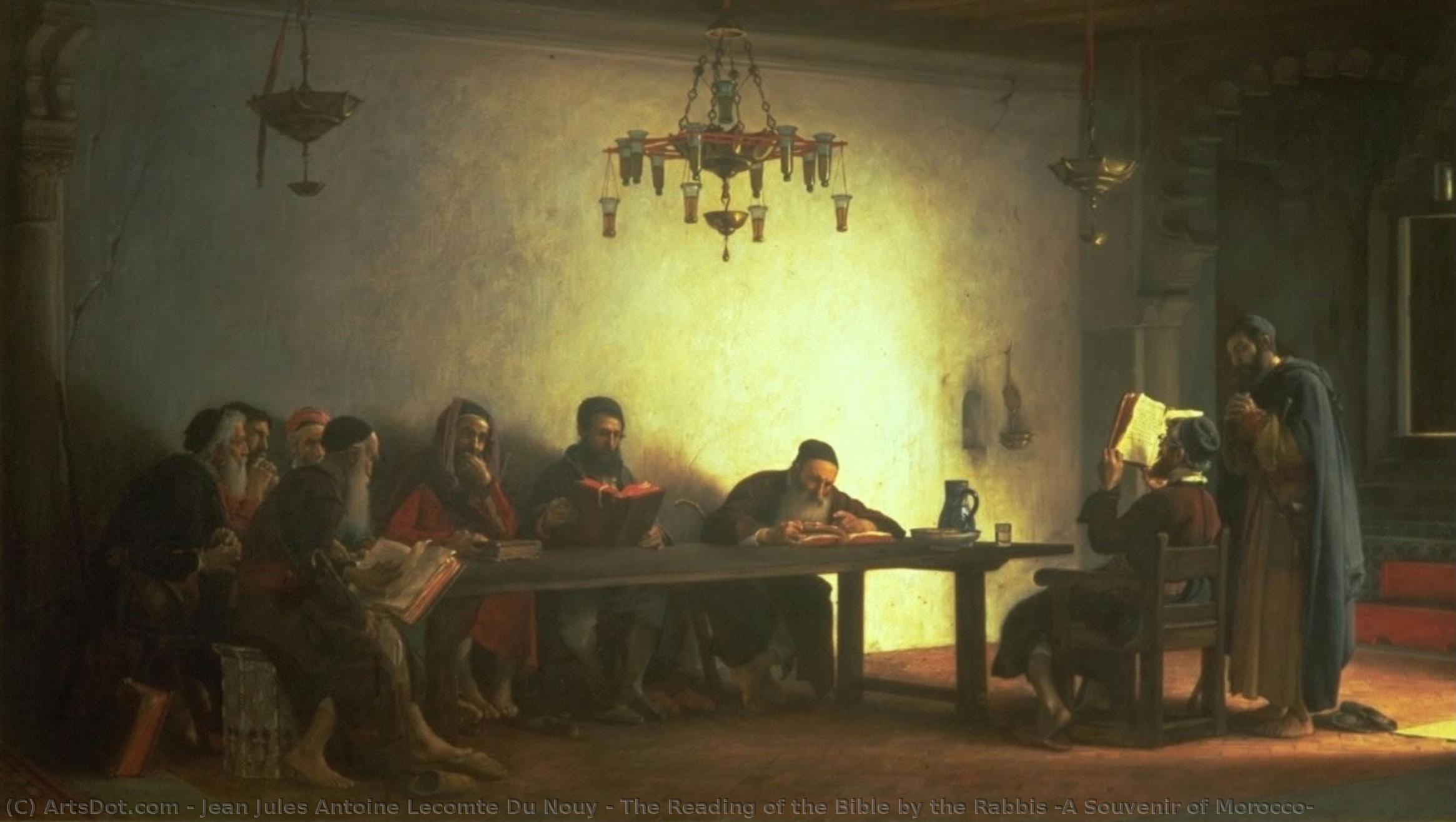
The Reading of the Bible by the Rabbis (A Souvenir of Morocco)


 詳細を見る
詳細を見る




P118B $10

P118H $10

P118W $10

P438Z $10

P508JH $12

P508YH $12

P805H $10

P805Z $10

P919BZ $10

P919G $10

P919XJ $10

P959ZH $10

P968JZ $12

W106C $8

W218G $10

W218JH $8

W218Y $10

W307PJ $10

W316G $10

W316PJ $8

W316Y $10

W398PJ $8

W4111J $10

W500HY $15

W500JH $15

W692G $12

W849H $8

W940BG $15

W953PJ $8




作品のオリジナル比率に合わせた、当店の規定サイズからお選びください。

特定のフレームやスペースに合わせて、ご希望のサイズをご入力いただけます。選択されたサイズが元の画像の比率と異なる場合、アートワークをトリミングするか、手描きで要素を追加して絵画を拡張いたします。デジタルモックアップ を制作し、制作開始前にご確認(承認)をいただきます。
画面上のプレビューは、実際のトリミングや拡張を正確に反映しているものではありません。最終的な構図は、モックアップによってのみ正確にご確認いただけます。
カスタムサイズもご利用いただけますが、元の比率を維持するためには、あらかじめ用意されたリストからサイズを選択することをお勧めいたします。
ご注文後、ArtsDot.com チームより詳細な指示をお送りするとともに、仕上がりイメージ(モックアップ)をご提供いたします。


 ガラスオプションは、110cm未満のサイズでのみご利用いただけます。

The Reading of the Bible by the Rabbis (A Souvenir of Morocco)
複製技法
複製画のサイズ
-


合計金額
$ 263
A Window Into Moroccan Spirituality: Lecomte du Nouÿ’s “The Reading of the Bible by the Rabbis”
Jean Jules Antoine Lecomte du Nouÿ, born into Parisian nobility in 1842, stands as a pivotal figure in late nineteenth-century Orientalist painting—a movement dedicated to portraying Eastern cultures with meticulous detail and often imbued with romanticized notions of exoticism. Unlike his contemporaries who favored Impressionistic brushstrokes and fleeting impressions of light, Du Nouÿ relentlessly pursued academic realism, prioritizing precise representation of the natural world as championed by Gérôme. This unwavering commitment to *la belle nature* is vividly realized in “The Reading of the Bible by the Rabbis,” a monumental oil on canvas completed in 1882, offering a captivating glimpse into Jewish religious life within Morocco during its Ottoman era.Subject Matter and Composition
The painting depicts a solemn gathering of Rabbis immersed in scripture reading—a scene meticulously observed by Du Nouÿ himself. The composition is carefully structured around a central table laden with texts, illuminated by diffused light filtering through arched windows, creating an atmosphere of contemplative reverence. Surrounding the Rabbis are several seated figures and standing observers, conveying a sense of communal devotion and intellectual engagement. Du Nouÿ’s masterful use of perspective draws the viewer into the room's interior space, emphasizing the importance of ritual observance and scholarly discourse.Technique and Style
Du Nouÿ’s technique exemplifies the hallmarks of academic painting—characterized by meticulous layering of glazes to achieve tonal depth and luminosity. He employs a palette dominated by muted earth tones – ochres, browns, and reds – reflecting the subdued hues prevalent in Moroccan interiors. The artist's painstaking attention to detail extends beyond mere anatomical accuracy; he meticulously renders textures—the folds of robes, the surfaces of wooden furniture, and even the subtle sheen on parchment—creating an illusion of palpable reality. This meticulous approach distinguishes “The Reading of the Bible by the Rabbis” from Impressionistic tendencies, firmly anchoring it within the tradition of academic realism.Historical Context and Symbolism
“The Reading of the Bible by the Rabbis” captures a significant moment in Jewish history—the presence of Sephardic Jews in Morocco under Ottoman rule. The depiction underscores the importance of religious observance and scholarly pursuits as central tenets of Jewish identity during this period. Furthermore, the biblical text itself symbolizes spiritual enlightenment and moral guidance – themes resonating throughout Du Nouÿ’s oeuvre. The room's architectural features—the arched windows and ornate furnishings—suggest a connection to Islamic artistic traditions, subtly reflecting the cultural exchange that characterized Ottoman Morocco.Emotional Impact and Artistic Legacy
The painting transcends mere visual representation; it evokes a profound sense of serenity and contemplation. Du Nouÿ’s skillful portrayal captures not only the physical setting but also the inner emotional landscape of the Rabbis—their focused concentration and unwavering faith. “The Reading of the Bible by the Rabbis” stands as a testament to Du Nouÿ's dedication to academic realism and his ability to convey complex spiritual themes through meticulous observation and artistic technique. It remains an enduring symbol of Jewish heritage and a remarkable achievement in Orientalist painting, continuing to inspire admiration for its beauty and intellectual depth.関連作品

アーティストの略歴
生い立ちとアカデミックな基盤
1842年、パリの貴族階級に生まれたジャン=ジュール=アントワーヌ・ルコント・デュ・ヌーイは、その生涯を東洋への憧憬と厳格なアカデミック絵画の世界に捧げました。14世紀からフランスに定住したピエモンテ出身の家系に生まれ、幼少の頃から並外れた美術的才能を示し、6歳にして父や叔父の肖像画を描いていたという逸話も残っています。この天賦の才が彼を1861年、スイス人画家シャルル・グレールの工房へと導き、そこで個性を重んじ、基礎的な技術を習得しました。さらに、アカデミック絵画を代表する巨匠ジャン=レオン・ジェロームのもとで研鑽を積むことで、精密な描写—la belle nature—への献身が彼のキャリアの重要な特徴となります。この詳細な写実主義へのコミットメントは、歴史的場面や異国情緒あふれる情景を丹念に描き出す生涯の舞台を設定しました。東洋への旅とテーマの探求
1865年、カイロへの旅がルコント・デュ・ヌーイの芸術的発展における転換点となりました。同僚のフェリックス=オーギュスト・クレマンと共にカイロを訪れた彼は、オリエントの世界の絢爛豪華さに魅了され、その風景、人々、そして風習を描くことに熱中しました。その後もギリシャ、トルコ、イタリア、ルーマニアへと旅を続け、それぞれの場所が豊かなインスピレーションの源泉となりました。しかし、彼は単にこれらの場所を記録するのではなく、社会、歴史、文学的側面にも深く没頭し、描く文化への理解を深めようと努めました。この一次資料に基づいた観察への献身は、彼をより広範なオリエンタリズム運動の中で際立たせ、遠い土地の物語に魅了された観客に響く信憑性を彼の作品にもたらしました。彼の絵画は単なるエキゾチックな幻想ではなく、情報に基づいた表現への試みでした—ただし、ヨーロッパ人の視点を通して描かれたものでした。変革期における揺るぎないスタイル
ルコント・デュ・ヌーイの芸術的道程は、その一貫性において特筆すべきものです。彼のキャリア後半は印象派、フォーヴィスム、構成主義といった革命的な変化が起こる時期でしたが、彼は詳細で写実的なスタイルに揺るぎなくこだわり続けました。アカデミック絵画の原則を遵守し、熟練した技法、形式的な構図、そして特に人物描写を重視した抑制された写実主義を優先しました。伝統的な技術への献身は変化への抵抗から生まれたのではなく、深く根付いた芸術的哲学に基づいていたのです。彼の作品はしばしば劇的な明暗法を用い、場面にムードと憂鬱さを加えます。教授のアラン・ブラドックのような研究者は、彼の作品の中に微妙な現代性を見出し、植民地主義、国際貿易、ジェンダー役割、宗教、歴史といった現代の問題を間接的に扱っている—ただし保守的な視点から—と指摘しています。遺産と永続する影響
晩年になるとルコント・デュ・ヌーイはルーマニアで王室の庇護を受け、主に王族とその宮廷の人々の肖像画を描きました。しかし、1923年にパリに戻る前に亡くなり、19世紀のオリエントを象徴的に表現する重要な作品群を残しました。彼の影響力は絵画の世界にとどまらず、1932年にはパリの一つの通りに彼の名が付けられました—リュ・ルコント・デュ・ヌーイ—これは芸術界における彼の地位を示す証です。「ボーケールの晩餐」、「白い奴隷」、「サン・ヴァンサン・ド・ポールがギャレーの奴隷を信仰へと導く」といった代表作は、その丹念な描写、劇的な照明、そして感動的な物語性で今も観客を魅了し続けています。選ばれた傑作
- ボーケールの晩餐 (1869-1894): フランス革命における重要な瞬間を描いた壮大な歴史的場面。
- 白い奴隷 (1888): ナント美術館に所蔵されている、捕われと搾取というテーマを探求した痛切で物議を醸す作品。
- サン・ヴァンサン・ド・ポールがギャレーの奴隷を信仰へと導く (1876): パリのサント=トリニテ教会に展示されている、力強い宗教的構図。
- マドモワゼルE.T.の肖像画: 人格と洗練さを捉えた彼の肖像画の技術を示す作品。
- 自画像: 芸術家の自己認識と芸術的アイデンティティを垣間見ることができる作品。
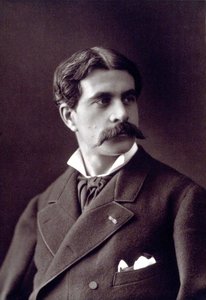
ジャン=ジュール=アントワーヌ・ルコント・デュ・ヌイ
1842 - 1923 , フランス
基本情報
- Artistic Movement Or Style: 東洋主義、アカデミック美術
- Artists Who Influenced This Artist:
- シャルル・グレイル
- ジャン=レオン・ジェローム
- Date Of Birth: 1842年6月10日
- Date Of Death: 1923年2月19日
- Full Name: ジャン=ジュール=アントワーヌ・ルコント・デュ・ヌイ
- Nationality: フランス人
- Notable Artworks (List Of Titles):
- ボーカールの晩餐
- 白い奴隷
- サン・ヴァンサンの布教
- Place Of Birth (City And Country): フランス、パリ
関連記事

The Enduring Legacy of Oil on Canvas: Technique, History & Aesthetic Impact
Explore the rich history & techniques of oil painting – from Renaissance masters to Impressionism. Discover pigments, layering methods, and why this timeless medium endures. Expert insights for artists & art enthusiasts.

Oil on Canvas: A Historical & Technical Exploration of a Timeless Artistic Medium
Explore the rich history & enduring techniques of oil painting on canvas. Discover the science behind its longevity, conservation practices, and contemporary relevance. Expert insights for art enthusiasts.

The Enduring Power of Painting: A Historical & Contemporary Exploration of Form and Emotion
Explore the rich history & enduring techniques of oil painting with ArtsDot. Discover masterpieces, learn about art collecting, and find authentic handmade reproductions crafted by skilled artists.

油彩のキャンバス:技法、歴史、そして現代の実践 - 古典美術愛好家へ
油彩の技法、歴史、巨匠たちの秘密を徹底解説。古典美術愛好家向けに、初期フランドル絵画から現代の実践まで深く掘り下げます。ArtsDotで高品質な複製画やカスタムオーダーも承ります。
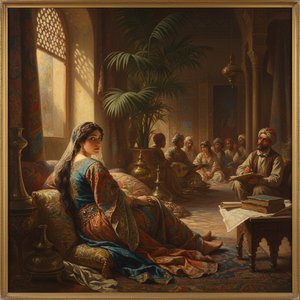
The Alluring Gaze: Orientalism in 19th-Century Art – Representation, Reception & Construction of the 'Orient'
Explore the complex history of Orientalism in 19th-century art. Discover how Western artists depicted the 'Orient,' its cultural impact, and Edward Said's critical analysis. A deep dive for art lovers & historians.

