

 プレビュー
プレビュー
 プリントを購入
 シェアする
シェアする シェアする
シェアする
 詳細を見る
詳細を見る

 ダウンロード
 似ている作品
 X線調査
X線調査 スライドショー
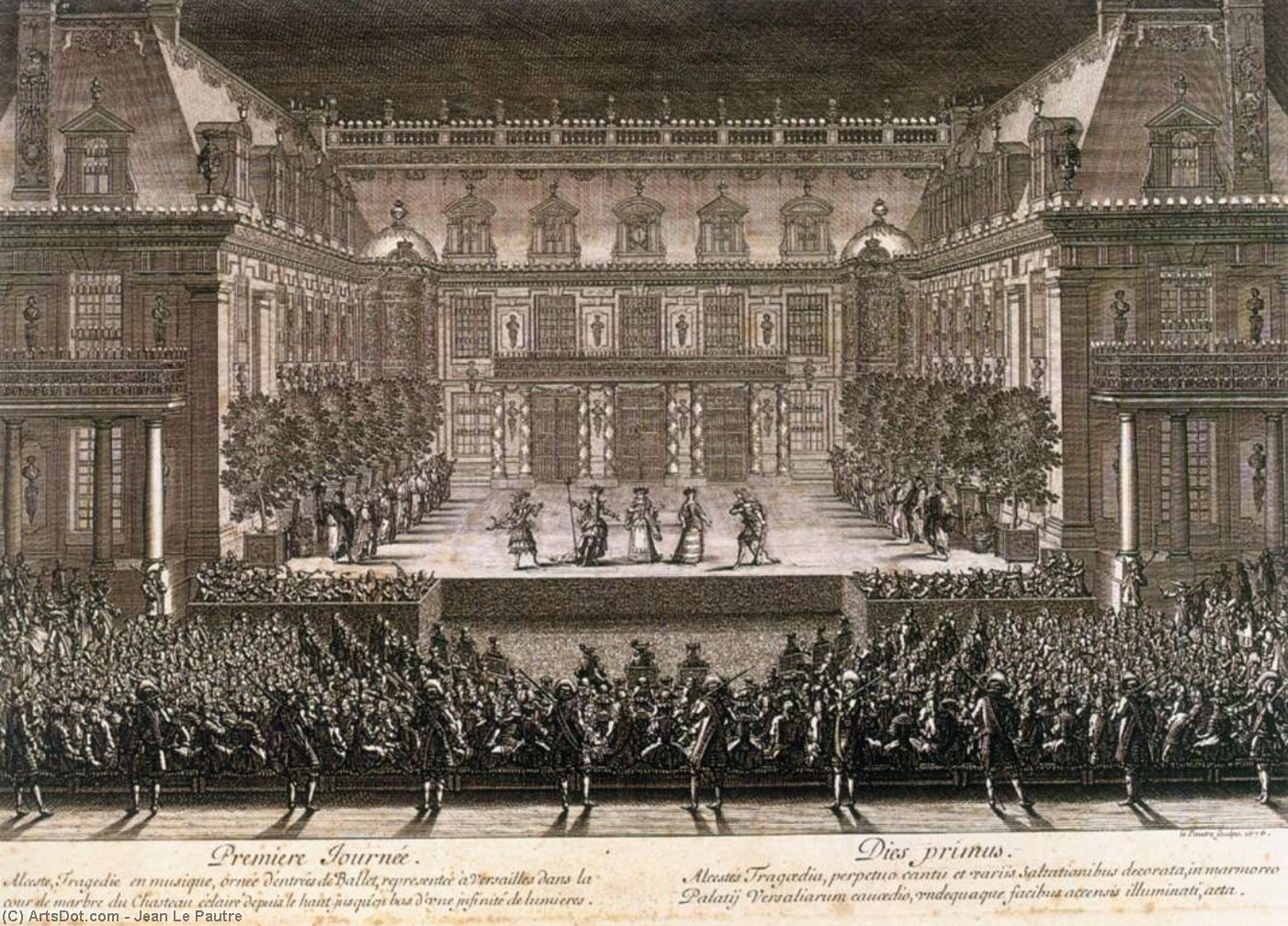
Performance of Alceste in 1674
 1676
1676 308.0 x 427.0 cm
 ヴェルサイユ国立宮殿美術館
 詳細を見る
詳細を見る
オンラインプレビューをはるかに凌ぐ、高解像度で鮮明なデジタル画像をご購入いただけます。
各ファイルは、社内の専門家が高度なツールと熟練した手作業によるレタッチを用いて、細心の注意を払って準備されています。すべての画像において、卓越した鮮明度、正確な色彩再現性、そして繊細なディテールを保証いたします。
最終ファイルは、プロフェッショナルな編集・印刷環境ですぐにご利用いただけるよう最適化された状態で、72時間以内にメールにてお届けいたします。これは、一流のデザインスタジオ、出版社、ギャラリーから信頼されているものと同等の品質です。
デジタル画像のご注文に付随する特典
高品質なデジタル画像配信を、確かな品質で。
ArtsDot.com を選ぶことは、単に画像を手に入れることではありません。それは、プロの手によって精密に仕上げられ、満足保証が付いた高品質なデジタルアートワークを受け取ることを意味します。ご注文いただいた際に自動的に付随する内容は、以下の通りです:

メールですぐにお届け
ご注文から72時間以内に、高解像度のデジタル画像ファイルがメールでお手元に届きます。すぐにそのままご利用いただけます。

AI技術で最適化されたデジタルファイル
お客様の作品は、高度なAIツールと専門家による手作業の編集を組み合わせてプロフェッショナルに最適化されており、細部のディテール、鮮明さ、そして正確な色再現性を最大限に引き出しています。

一生涯無料の再送サービス
ファイルを誤って削除したり、紛失してしまったりしましたか?ご安心ください。いつでも無料で再送いたします。

輸入手数料は一切かかりません
関税や手数料、配送料を気にすることなく、お気に入りのアートワークをすぐにお楽しみいただけます。デジタルダウンロードは常に免税です。

色彩再現の保証
プロ仕様のツールとカラーマネジメント技術を用いることで、デジタル画像が元の色を最大限に忠実に再現することを保証いたします。

60日間満足保証
ご購入いただいたデジタル画像にご満足いただけない場合は、60日以内であれば、修正または100%の返金(理由を問う必要はありません)をさせていただきます。

100% 返金保証
ご満足いただけない場合は、デジタルファイルを受け取ってから60日以内であれば、理由を問わず全額返金いたします。

まとめ買い割引
3枚購入で10%OFF - 5枚購入で15%OFF - 10枚以上購入で20%OFF。クリエイティブなプロジェクト、ギャラリー、エージェンシーに最適です。
Artistic Significance
The engraving measures 308 x 427 cm and is a testament to Jean Le Pautre's skill as an artist. The scene depicts a performance of Alceste, a play by Euripides, on an open-air stage at the Palace of Versailles. The audience is dressed in elaborate attire, highlighting the significance of this event during the reign of Louis XIV. The stage itself is adorned with statues and columns, reflecting the grandeur associated with performances at Versailles. Key Features of the engraving include:- The intricate details of the Palace of Versailles in the background
- The elaborate costumes worn by the performers on stage
- The sense of depth and perspective achieved through the artist's use of composition
The Performance of Alceste in 1674 is not only a remarkable example of Jean Le Pautre's artistic skill but also a window into the cultural and historical context of 17th-century France. As such, it remains an important work in the collection of the Musée National du Château, and its reproduction continues to inspire art lovers around the world.
関連作品









作家の略歴
Jean Le Pautre: A Sculptor of Dramatic Baroque Visions
Jean Le Pautre (1618 – 1682) stands as a pivotal figure in the French Baroque artistic landscape, embodying the grandeur and emotional intensity characteristic of the era. Born in Paris amidst the burgeoning intellectual fervor of his time, Le Pautre’s career unfolded primarily in Rome, where he established himself as one of the foremost sculptors of his generation—a testament to his exceptional talent and unwavering dedication to mastering the craft. While biographical details remain somewhat sparse compared to contemporaries like Bernini or Caravaggio, surviving documentation reveals a man deeply committed to religious patronage and driven by an ambition to convey profound spiritual narratives through monumental sculpture.- Early Life & Training: Le Pautre’s formative years were spent honing his skills under the tutelage of Nicolas Frémiet, a renowned sculptor who instilled in him a foundational understanding of classical principles alongside Baroque dynamism. This dual influence would prove crucial to shaping Le Pautre's artistic vision—a synthesis of humanist ideals and theatrical expression.
- Roman Period & Patronage: Moving to Rome around 1640, Le Pautre quickly gained recognition for his ambitious projects undertaken at the behest of influential papal clients. He collaborated extensively with the Jesuits and Dominicans, crafting breathtaking sculptures that adorned churches throughout the city—most notably the Chapel of Saint Agnes in Piazza Navona, where he executed a monumental altarpiece depicting Saint Agnes’ martyrdom.
- Notable Works: Le Pautre's oeuvre is marked by an unparalleled command of sculptural technique and a masterful ability to evoke emotion. Among his most celebrated achievements are “Performance of Alceste,” a dramatic depiction of the mythological tale, showcasing exceptional anatomical accuracy and expressive dynamism—a hallmark of Baroque sculpture. Similarly impressive is "The Festivities of Cupid and Bacchus," a monumental group portraying deities engaged in exuberant celebration, demonstrating Le Pautre’s mastery of composition and sculptural virtuosity.
- Influence & Legacy: Le Pautre's influence extended beyond his immediate commissions; he served as an instructor at the Accademia di Belle Arti di Roma, nurturing the talents of subsequent generations of sculptors. His commitment to anatomical realism combined with Baroque theatricality established him as a precursor to artists like Gian Lorenzo Bernini—a sculptor who would elevate Le Pautre’s stylistic innovations to unparalleled heights.
Technique & Artistic Style: Embracing Dramatic Expression
Le Pautre's sculptural style exemplifies the core tenets of Baroque art – an obsession with dynamism, emotion, and theatrical grandeur. Unlike the idealized forms favored by Mannerism, Le Pautre prioritized conveying psychological depth and dramatic narrative through meticulously crafted figures imbued with palpable energy. He skillfully employed techniques such as contrapposto—a pose characterized by weight distribution asymmetry—to achieve a sense of movement and counterbalance within his sculptures. Furthermore, he utilized polished marble to heighten visual impact and illuminate the contours of his forms, creating surfaces that shimmered with light and accentuated sculptural detail. The artist’s meticulous attention to anatomical accuracy was particularly noteworthy, reflecting the humanist tradition championed by Renaissance scholars while simultaneously embracing Baroque theatricality.Engraving & Artistic Diffusion: Expanding Le Pautre's Reach
Beyond monumental sculpture, Jean Le Pautre achieved considerable renown as an engraver—a skill that significantly broadened his artistic reach and ensured the dissemination of his stylistic innovations throughout Europe. His engravings, often commissioned by aristocratic patrons, captured scenes from mythology and biblical narratives with remarkable precision and expressive force. These prints served not only as decorative objects but also as vehicles for disseminating Le Pautre’s sculptural aesthetic to a wider audience—contributing to the establishment of Baroque artistic conventions across continental Europe. The engraving "Brécourt," exemplifies his ability to translate sculptural concepts into print, demonstrating a masterful understanding of tonal shading and textural detail.Historical Context & Significance: Reflecting the Spirit of Louis XIV
Le Pautre’s artistic output coincided with the ascendancy of Louis XIV in France—a period characterized by opulent royal patronage and an unwavering commitment to elevating French art to unparalleled levels of grandeur. The King recognized Le Pautre's talent and commissioned numerous sculptures for Versailles, solidifying his position as one of the foremost artists of his time. His work embodies the Baroque spirit—a fervent belief in divine providence coupled with a celebration of human achievement—reflecting the broader cultural ethos of Louis XIV’s reign. Le Pautre’s legacy extends beyond individual masterpieces; he represents an enduring symbol of French Baroque artistic excellence and continues to inspire admiration for his sculptural prowess and stylistic innovation.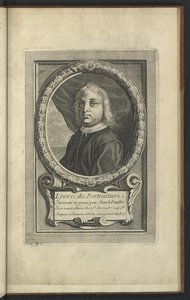
jean le pautre
1618 - 1682 , France
プロフィール概要
- Artistic Movement Or Style: Baroque Sculpture
- Artists Or Movements Influenced By This Artist: ['Daniel Marot']
- Date Of Birth: Paris, France (1618)
- Date Of Death: 1682
- Full Name: Jean Le Pautre
- Nationality: French
- Notable Artworks:
- The Festivities of Cupid and Bacchus
- Performance of Alceste in 1674
- Place Of Birth: Paris

