

 プレビュー
プレビュー
 シェアする
シェアする シェアする
シェアする
 詳細を見る
詳細を見る

 ダウンロード
 似ている作品
 X線調査
X線調査 スライドショー
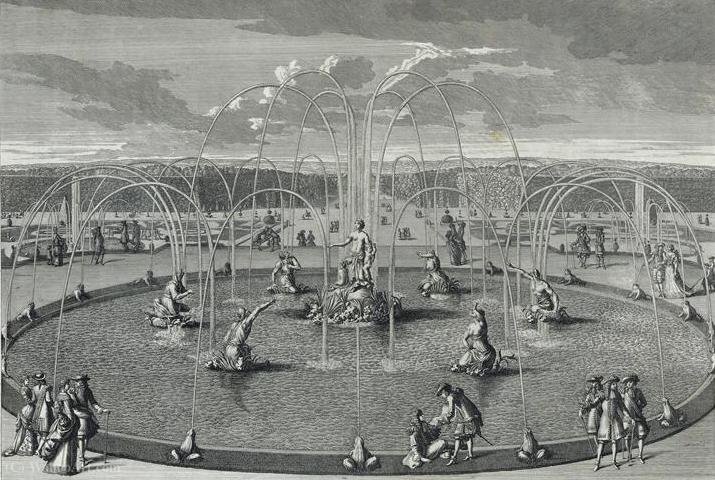
View the Latona Basin in the gardens of Versailles in (1678)

 詳細を見る
詳細を見る
ジークレー/アートプリント
迅速な制作と多彩な仕上げオプションを備えた、ミュージアムクオリティのジークレーまたはキャンバスプリント。 ( 手描きの絵画を購入 画像を購入)




P118B $10

P118H $10

P118W $10

P438Z $10

P508JH $12

P508YH $12

P805H $10

P805Z $10

P919BZ $10

P919G $10

P919XJ $10

P959ZH $10

P968JZ $12

W106C $8

W218G $10

W218JH $8

W218Y $10

W307PJ $10

W316G $10

W316PJ $8

W316Y $10

W398PJ $8

W4111J $10

W500HY $15

W500JH $15

W692G $12

W849H $8

W940BG $15

W953PJ $8




作品のオリジナル比率に合わせた、当店の規定サイズからお選びください。

特定のフレームやスペースに合わせて、ご自身でサイズを指定することも可能です。選択されたサイズが元の画像の比率と一致しない場合、作品をトリミングするか、鏡面反射または単色での塗りつぶしによって画像を拡張いたします。制作を開始する前に、ご確認用のデジタルモックアップをお送りいたします。
画面上のプレビューには、実際のトリミングや拡張は反映されませんのでご注意ください。最終的な構図を正確に確認できるのは、モックアップのみとなります。
カスタムサイズも承っておりますが、元の比率を維持するためには、あらかじめ用意されたリストからサイズを選択することをお勧めいたします。


 ガラスオプションは、110cm未満のサイズでのみご利用いただけます。

View the Latona Basin in the gardens of Versailles in (1678)
ジークレー/アートプリント
複製画のサイズ
-


合計金額
$ 62
関連作品
アーティストの略歴
Jean Le Pautre: A Sculptor of Dramatic Baroque Visions
Jean Le Pautre (1618 – 1682) stands as a pivotal figure in the French Baroque artistic landscape, embodying the grandeur and emotional intensity characteristic of the era. Born in Paris amidst the burgeoning intellectual fervor of his time, Le Pautre’s career unfolded primarily in Rome, where he established himself as one of the foremost sculptors of his generation—a testament to his exceptional talent and unwavering dedication to mastering the craft. While biographical details remain somewhat sparse compared to contemporaries like Bernini or Caravaggio, surviving documentation reveals a man deeply committed to religious patronage and driven by an ambition to convey profound spiritual narratives through monumental sculpture.- Early Life & Training: Le Pautre’s formative years were spent honing his skills under the tutelage of Nicolas Frémiet, a renowned sculptor who instilled in him a foundational understanding of classical principles alongside Baroque dynamism. This dual influence would prove crucial to shaping Le Pautre's artistic vision—a synthesis of humanist ideals and theatrical expression.
- Roman Period & Patronage: Moving to Rome around 1640, Le Pautre quickly gained recognition for his ambitious projects undertaken at the behest of influential papal clients. He collaborated extensively with the Jesuits and Dominicans, crafting breathtaking sculptures that adorned churches throughout the city—most notably the Chapel of Saint Agnes in Piazza Navona, where he executed a monumental altarpiece depicting Saint Agnes’ martyrdom.
- Notable Works: Le Pautre's oeuvre is marked by an unparalleled command of sculptural technique and a masterful ability to evoke emotion. Among his most celebrated achievements are “Performance of Alceste,” a dramatic depiction of the mythological tale, showcasing exceptional anatomical accuracy and expressive dynamism—a hallmark of Baroque sculpture. Similarly impressive is "The Festivities of Cupid and Bacchus," a monumental group portraying deities engaged in exuberant celebration, demonstrating Le Pautre’s mastery of composition and sculptural virtuosity.
- Influence & Legacy: Le Pautre's influence extended beyond his immediate commissions; he served as an instructor at the Accademia di Belle Arti di Roma, nurturing the talents of subsequent generations of sculptors. His commitment to anatomical realism combined with Baroque theatricality established him as a precursor to artists like Gian Lorenzo Bernini—a sculptor who would elevate Le Pautre’s stylistic innovations to unparalleled heights.
Technique & Artistic Style: Embracing Dramatic Expression
Le Pautre's sculptural style exemplifies the core tenets of Baroque art – an obsession with dynamism, emotion, and theatrical grandeur. Unlike the idealized forms favored by Mannerism, Le Pautre prioritized conveying psychological depth and dramatic narrative through meticulously crafted figures imbued with palpable energy. He skillfully employed techniques such as contrapposto—a pose characterized by weight distribution asymmetry—to achieve a sense of movement and counterbalance within his sculptures. Furthermore, he utilized polished marble to heighten visual impact and illuminate the contours of his forms, creating surfaces that shimmered with light and accentuated sculptural detail. The artist’s meticulous attention to anatomical accuracy was particularly noteworthy, reflecting the humanist tradition championed by Renaissance scholars while simultaneously embracing Baroque theatricality.Engraving & Artistic Diffusion: Expanding Le Pautre's Reach
Beyond monumental sculpture, Jean Le Pautre achieved considerable renown as an engraver—a skill that significantly broadened his artistic reach and ensured the dissemination of his stylistic innovations throughout Europe. His engravings, often commissioned by aristocratic patrons, captured scenes from mythology and biblical narratives with remarkable precision and expressive force. These prints served not only as decorative objects but also as vehicles for disseminating Le Pautre’s sculptural aesthetic to a wider audience—contributing to the establishment of Baroque artistic conventions across continental Europe. The engraving "Brécourt," exemplifies his ability to translate sculptural concepts into print, demonstrating a masterful understanding of tonal shading and textural detail.Historical Context & Significance: Reflecting the Spirit of Louis XIV
Le Pautre’s artistic output coincided with the ascendancy of Louis XIV in France—a period characterized by opulent royal patronage and an unwavering commitment to elevating French art to unparalleled levels of grandeur. The King recognized Le Pautre's talent and commissioned numerous sculptures for Versailles, solidifying his position as one of the foremost artists of his time. His work embodies the Baroque spirit—a fervent belief in divine providence coupled with a celebration of human achievement—reflecting the broader cultural ethos of Louis XIV’s reign. Le Pautre’s legacy extends beyond individual masterpieces; he represents an enduring symbol of French Baroque artistic excellence and continues to inspire admiration for his sculptural prowess and stylistic innovation.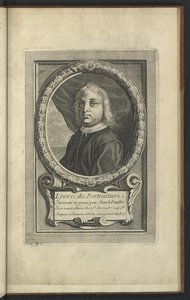
jean le pautre
1618 - 1682 , France
基本情報
- Artistic Movement Or Style: Baroque Sculpture
- Artists Or Movements Influenced By This Artist: ['Daniel Marot']
- Date Of Birth: Paris, France (1618)
- Date Of Death: 1682
- Full Name: Jean Le Pautre
- Nationality: French
- Notable Artworks:
- The Festivities of Cupid and Bacchus
- Performance of Alceste in 1674
- Place Of Birth: Paris
関連記事
Cultivating Paradise: A Historical & Artistic Exploration of Gardens in Painting
Explore the rich history of gardens in painting! Discover masterpieces from Renaissance to Impressionism & beyond. Learn about symbolism, artists like Monet & Klimt, and find your perfect artwork at ArtsDot.

ジョン・コンスタブルの傑作25選:英国風景画の巨匠が描く自然と光の詩 | ArtsDot
ジョン・コンスタブルの傑作25選。英国風景画の巨匠が描く自然と光の詩の世界へ。ロマン主義を代表する絵画、デダム・ヴェールやヘイ・ウェインなど、ArtsDotで高品質なアートプリントをお楽しみください。インテリアに深みと感動を。コレクションはこちら。

Evocations of Place: A Historical Journey Through Landscape Art
Explore the rich history of landscape art with ArtsDot. Discover renowned artists, movements like Impressionism & Romanticism, and expert guidance for collecting timeless pieces. Find your perfect serene escape today!

ロマン派ランドスケープ:時代を彩る巨匠の10選|アートとインテリアの世界
ロマン派絵画の時代を彩る10選。巨匠たちの風景が織りなす感動の世界へ。ターナー、ルーベンスなど、名作の裏話と高精細複製でアートをお部屋に。ArtsDot.comで至福のアート体験を。
Charles Le Brun: Master of French Baroque Classicism & His Enduring Legacy
Explore the life & art of Charles Le Brun, master of French Baroque Classicism. Discover his royal commissions, influence on Versailles, and enduring legacy through detailed analysis & stunning artworks.

