

 シェアする
シェアする シェアする
シェアする
 詳細を見る
詳細を見る

 ダウンロード
 似ている作品
 スライドショー
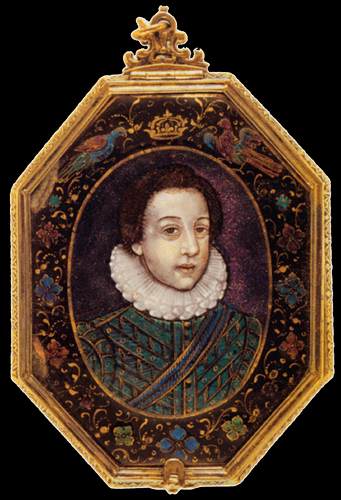
Portrait of the Young Louis XIII
 Enamel
- Decor
- Baroque French Painting
 1615
1615 8.0 x 6.0 cm
 ルーブル美術館
 詳細を見る
詳細を見る
ジークレー/アートプリント
迅速な制作と多彩な仕上げオプションを備えた、ミュージアムクオリティのジークレーまたはキャンバスプリント。 ( 手描きの絵画を購入 画像を購入)




































作品のオリジナル比率に合わせた、当店の規定サイズからお選びください。

特定のフレームやスペースに合わせて、ご自身でサイズを指定することも可能です。選択されたサイズが元の画像の比率と一致しない場合、作品をトリミングするか、鏡面反射または単色での塗りつぶしによって画像を拡張いたします。制作を開始する前に、ご確認用のデジタルモックアップをお送りいたします。
画面上のプレビューには、実際のトリミングや拡張は反映されませんのでご注意ください。最終的な構図を正確に確認できるのは、モックアップのみとなります。
カスタムサイズも承っておりますが、元の比率を維持するためには、あらかじめ用意されたリストからサイズを選択することをお勧めいたします。


 ガラスオプションは、110cm未満のサイズでのみご利用いただけます。

Portrait of the Young Louis XIII
ジークレー/アートプリント
複製画のサイズ
-


合計金額
$ 62
A Glimpse into a Royal Childhood: Jean Limosin’s ‘Portrait of the Young Louis XIII’
Jean Limosin's “Portrait of the Young Louis XIII,” painted in 1615, is more than just a depiction of a boy; it’s a carefully constructed window into the nascent power and potential of a future king. Housed within the Musée du Louvre, this small enamel painting—measuring a modest 8 x 6 centimeters—commands attention not through grand scale but through an exquisite mastery of detail and a subtle, almost haunting, luminosity. Limosin, a pivotal figure in the French Baroque, wasn’t merely a portraitist; he was a poet of light and shadow, a student of Leonardo da Vinci's sfumato technique, and a pioneer in capturing psychological depth within his subjects.
The painting itself presents a young boy, likely Louis XIII himself, rendered with an arresting stillness. His gaze is direct, unwavering, suggesting a quiet awareness beyond his years. The pale skin, the dark hair neatly arranged, and the simple white collar and blue garment speak to a privileged upbringing, yet there’s a hint of melancholy in his expression—a foreshadowing perhaps of the turbulent reign that lay ahead. The background, rendered in deep purple or blue, isn't merely decorative; it acts as a contemplative space, drawing the viewer into the scene and amplifying the boy’s introspective quality.
Technique and Materials: The Alchemy of Enamel
What truly sets this portrait apart is Limosin’s innovative use of enamel. This painstaking technique, popular during the Renaissance and Baroque periods, involved layering thin sheets of metal – typically silver or gold – with colored glass powders to create a vibrant, durable surface. Limosin didn't simply paint on enamel; he *worked* it, meticulously building up layers of color and texture to achieve his desired effects. The resulting image possesses an unparalleled depth and richness, far surpassing the capabilities of traditional oil painting at this scale. Note the subtle gradations in tone – a testament to Limosin’s mastery of light and shadow—and the almost jewel-like quality of the colors. The frame itself, adorned with intricate floral motifs and what appears to be a small angelic figure, further elevates the work, suggesting a piece commissioned for religious or royal patronage.
Symbolism and Context: A Portrait of Power in the Making
“Portrait of the Young Louis XIII” is deeply embedded within its historical context. Painted during the early years of Louis XIII’s reign, it reflects the anxieties and aspirations of a nation grappling with religious conflict and political instability. The boy's appearance—the carefully chosen attire, the direct gaze—are deliberate symbols of his future role as king. The inclusion of floral elements within the frame could represent the burgeoning power of the monarchy, while the angel figure might allude to divine favor or the hope for a stable and prosperous reign. Limosin’s work is not simply a likeness; it's a carefully orchestrated statement about lineage, duty, and the promise of a new era.
A Legacy of Light: Jean Limosin and His Artistic Vision
Jean Limosin’s influence extends far beyond this single portrait. He was a key figure in the development of French Baroque art, pushing the boundaries of portraiture with his innovative use of sfumato and his ability to capture psychological nuance. His work foreshadowed the techniques employed by later artists, including the Impressionists, demonstrating a remarkable prescience. To delve deeper into Limosin’s life and oeuvre, we encourage you to explore resources such as the Web Gallery of Art (Portrait of the Young Louis XIII by LIMOSIN, Jean), where a detailed image and historical context are readily available. Reproductions of this captivating portrait offer a tangible connection to a pivotal moment in French history—a testament to the enduring power of art to capture both beauty and meaning.
関連作品
アーティストの略歴
The Poet of Light and Shadow: The Ethereal World of Jean Limosin
In the grand tapestry of the French Baroque, few threads shimmer with as much delicate mystery as those woven by Jean Limosin. Born in the historic city of Limoges around 1580, Limosin emerged not merely as a chronicler of faces, but as a master of atmosphere, a painter who could capture the very breath of his subjects. While history often remembers the era for its dramatic, sweeping gestures, Limosin carved out a singular niche through his mastery of sfumato—a technique of subtle tonal gradations that allowed light to dissolve edges and imbue his portraits with an otherworldly, luminous quality. His work serves as a bridge between the rigid traditions of the past and a burgeoning sensitivity toward psychological depth and emotional resonance.
Limosin’s artistic identity was forged in the crucible of intense classical training and international exposure. His early years were marked by a deep immersion in the Flemish tradition, particularly during his formative time in Antwerp. It was here that he absorbed the sophisticated nuances of masters like Anthony van Dyck, learning how to manipulate light and shadow—the essential chiaroscuro—to convey not just the physical likeness of a sitter, but their inner character. This period of study instilled in him a profound respect for detail and an ability to capture fleeting expressions, a skill that would later define his reputation as one of the most perceptive portraitists of his age.
Royal Splendor and the Art of Enamel
The trajectory of Limosin’s career was irrevocably altered by the glittering allure of royal patronage. His talent caught the eye of Louis XIII, a monarch whose reign demanded an art form that could reflect both the power of the throne and the refinement of the French court. Through these prestigious commissions, Limosin became a vital visual architect of the era, documenting the king’s presence and the elegance of his circle. His ability to render the textures of silk, the glint of gold, and the softness of skin made him an indispensable asset to the royal household.
Beyond the grand canvases of oil, Limosin’s legacy is deeply intertwined with the exquisite medium of enamel. This specialized technique required a level of precision and patience that few could master, yet for Limosin, it provided the perfect vehicle for his obsession with light. By painting on copper, he was able to achieve a jewel-like brilliance, where colors seemed to glow from within. His works often featured:
- Royal Portraiture: Capturing the dignified essence of Louis XIII and Marie de Médicis with unparalleled grace.
- Biblical Narratives: Infusing sacred stories with a humanistic, emotional weight through atmospheric perspective.
- Symbolist Undertones: Utilizing soft focus and dreamlike compositions that hinted at the deeper, more spiritual meanings behind the physical form.
A Legacy of Light and Foreshadowing
Though firmly rooted in the 17th-century Baroque tradition, Limosin’s artistic vision possessed a forward-looking quality that is nothing short of remarkable. There is a certain Symbolist sensibility woven into his work—a way of using light to suggest the unseen and shadow to evoke the unknown. This preoccupation with the ephemeral and the atmospheric foreshadowed the much later movements of Impressionism, long before the world was ready for the dissolution of form. He did not merely paint what he saw; he painted how it felt to stand in the presence of beauty.
Today, the works of Jean Limosin remain vital touchstones for understanding the evolution of French art. His ability to marry the technical rigor of Flemish portraiture with a uniquely French sense of elegance and mystery ensures his place in the pantheon of great masters. To look upon a Limosin portrait is to witness a moment frozen in a soft, golden glow, a testament to a man who truly understood that the most profound truths are often found in the subtle interplay between what is revealed and what remains hidden in the shadows.
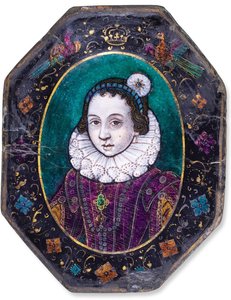
jean limosin
1580 - 1646 , France
基本情報
- Artistic Movement Or Style: Symbolism
- Artists Or Movements Influenced By This Artist:
- Gustave Moreau
- James Abbott McNeill Whistler
- Artists Who Influenced This Artist:
- Peter Paul Rubens
- Jan Vermeer
- Date Of Birth: 1580
- Full Name: Jean Limosin
- Nationality: French
- Notable Artworks:
- Portrait of Louis XIII
- The Martyrdom of Saint Sebastian
- Place Of Birth: Limoges, France
関連記事
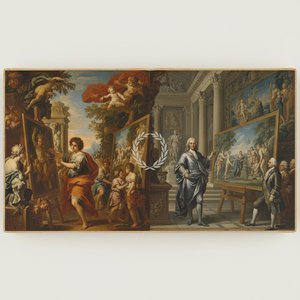
Simon Vouet: A Baroque Master's Journey from Italian Influence to French Classicism
Explore the life & art of Simon Vouet, a pivotal French Baroque painter who introduced Italian styles to France. Discover his masterpieces and lasting influence on 17th-century art.
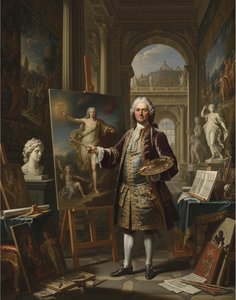
Charles Le Brun: Master of French Baroque Classicism & His Enduring Legacy
Explore the life & art of Charles Le Brun, master of French Baroque Classicism. Discover his royal commissions, influence on Versailles, and enduring legacy through detailed analysis & stunning artworks.

バロックのドラマ:現代のインテリアに壮麗さと情感を取り込む
バロック様式の歴史、絵画、家具の魅力をご紹介。ArtsDotでは、高品質な油絵複製やカスタムポートレートをご提供し、現代のインテリアに壮麗さと情感を取り入れます。アートコンサルテーションも承ります。
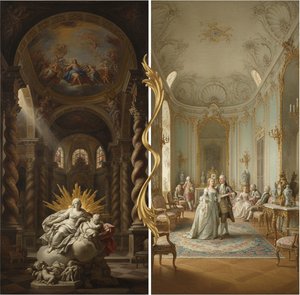
From Grandeur to Grace: Exploring the Evolution of Baroque & Rococo Art
Explore the captivating evolution from Baroque's drama to Rococo's grace! Discover key artists, characteristics & lasting influence of these art movements with expert insights at ArtsDot.
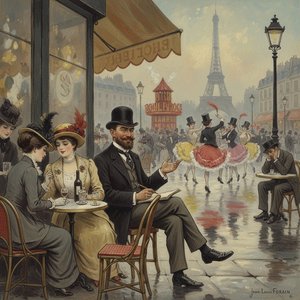
Jean-Louis Forain: Capturing Parisian Life with Wit & Realism
Explore the captivating world of Jean-Louis Forain, a master Impressionist chronicler of Belle Époque Paris. Discover his satirical paintings, realistic scenes & lasting legacy. Learn about collecting Forain's art today!

