 プレビュー
プレビュー
 プリントを購入
 シェアする
シェアする シェアする
シェアする
 詳細を見る
詳細を見る

 ダウンロード
 似ている作品
 X線調査
X線調査 スライドショー
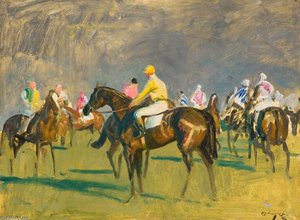
The Horse Race
 Oil On Canvas
- WallArt
- Romanticism
 1816
1816 44.0 x 59.0 cm
 テイスセン・ボルネミスザ美術館
 詳細を見る
詳細を見る




P118B $10

P118H $10

P118W $10

P438Z $10

P508JH $12

P508YH $12

P805H $10

P805Z $10

P919BZ $10

P919G $10

P919XJ $10

P959ZH $10

P968JZ $12

W106C $8

W218G $10

W218JH $8

W218Y $10

W307PJ $10

W316G $10

W316PJ $8

W316Y $10

W398PJ $8

W4111J $10

W500HY $15

W500JH $15

W692G $12

W849H $8

W940BG $15

W953PJ $8




作品のオリジナル比率に合わせた、当店の規定サイズからお選びください。

特定のフレームやスペースに合わせて、ご希望のサイズをご入力いただけます。選択されたサイズが元の画像の比率と異なる場合、アートワークをトリミングするか、手描きで要素を追加して絵画を拡張いたします。デジタルモックアップ を制作し、制作開始前にご確認(承認)をいただきます。
画面上のプレビューは、実際のトリミングや拡張を正確に反映しているものではありません。最終的な構図は、モックアップによってのみ正確にご確認いただけます。
カスタムサイズもご利用いただけますが、元の比率を維持するためには、あらかじめ用意されたリストからサイズを選択することをお勧めいたします。
ご注文後、ArtsDot.com チームより詳細な指示をお送りするとともに、仕上がりイメージ(モックアップ)をご提供いたします。


 ガラスオプションは、110cm未満のサイズでのみご利用いただけます。

The Horse Race
複製技法
複製画のサイズ
-


合計金額
$ 263
作品解説
A Dramatic Tableau of Equestrian Might: Géricault’s “The Horse Race”
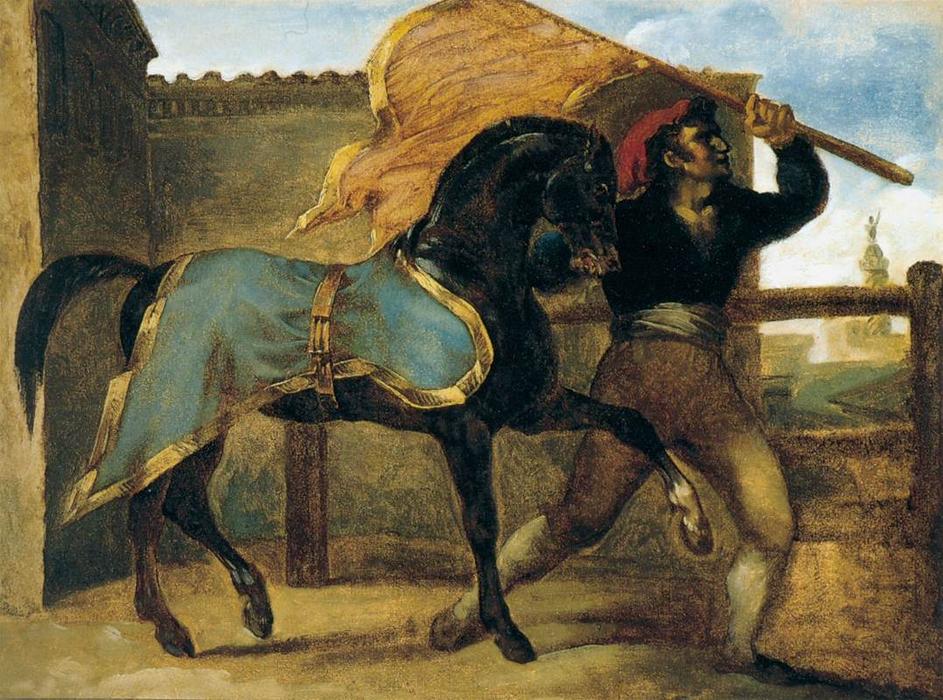
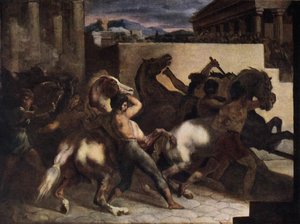
Jean-Louis André Théodore Géricault's "The Horse Race," painted in 1816, isn’t merely a depiction of a sporting event; it’s a visceral embodiment of Romanticism’s core tenets – passion, drama, and the sublime power of nature. This monumental oil on canvas captures a pivotal moment during a cavalry race, likely inspired by contemporary military displays or perhaps even referencing earlier equestrian competitions, yet transcends simple documentation to become a profound exploration of human emotion and heroic struggle. Géricault, a figure already wrestling with his own turbulent life and artistic ambitions, poured his intense energy into this work, imbuing it with an almost theatrical quality that foreshadows the dramatic intensity of later Romantic painters.
The composition immediately commands attention. The scene is dominated by a dynamic diagonal thrust created by the billowing banner held aloft by a man on horseback – a figure radiating authority and leadership. This central element, charged with movement and color, draws the eye relentlessly forward, while the surrounding figures—a cluster of riders and spectators—are rendered with varying degrees of detail, contributing to the overall sense of controlled chaos. Géricault masterfully employs loose brushstrokes and a vibrant palette dominated by deep blues, browns, and reds, creating an atmosphere thick with energy and excitement. The use of chiaroscuro – dramatic contrasts between light and shadow – further amplifies this effect, highlighting key figures and adding depth to the scene.
The Anatomy of Movement: Technique and Style
Géricault’s technical prowess is evident in his meticulous study of anatomy, particularly the musculature of the horses. He meticulously observed animal movement, translating it onto canvas with remarkable accuracy. The powerful strides of the horses are rendered with a dynamic sense of weight and momentum, while their flowing manes and tails add to the overall impression of raw energy. The artist’s loose brushwork, characteristic of Romanticism, isn't about precise detail but rather capturing the *feeling* of movement—the fleeting moment of exertion, the surge of adrenaline. This technique creates a sense of immediacy and allows the viewer to almost feel the heat of the race.
Furthermore, Géricault’s use of color is remarkably expressive. The bold reds and blues of the banner contrast sharply with the darker tones of the horses and riders, creating a visual focal point that draws the eye. He skillfully employs atmospheric perspective – making distant elements appear paler and less distinct – to create a sense of depth and space. The painting’s overall effect is one of intense dynamism and emotional resonance, achieved through a masterful combination of technique and stylistic choices.
Historical Context: Romanticism and the Napoleonic Era
"The Horse Race" was created during a period of significant social and political upheaval in France – the aftermath of the Napoleonic Wars and the restoration of the monarchy. Romanticism, as an artistic movement, emerged in response to these turbulent times, emphasizing emotion, individualism, and the power of nature. Géricault’s work reflects this spirit perfectly, capturing a moment of heroic action amidst a backdrop of social change. The depiction of military prowess aligns with the era's fascination with national identity and patriotic fervor, while simultaneously exploring themes of human struggle and vulnerability.
Interestingly, the painting also resonates with contemporary events. The subject matter—a cavalry race—was popular entertainment during this period, often associated with displays of military strength and national pride. However, Géricault’s treatment of the scene transcends mere spectacle, imbuing it with a sense of drama and emotional intensity that elevates it to a level of artistic significance.
Symbolism and Emotional Resonance: A Portrait of Heroism
Beyond its technical brilliance, “The Horse Race” is rich in symbolism. The banner held aloft by the central figure represents victory, leadership, and perhaps even the ideals of the nation. The horses themselves embody power, strength, and nobility. Yet, Géricault doesn’t simply celebrate these qualities; he also acknowledges the inherent risks and sacrifices involved in such endeavors. The intense expressions on the faces of the riders—a mixture of determination, excitement, and apprehension—suggest a deeper exploration of human psychology.
Ultimately, “The Horse Race” is a powerful meditation on heroism, ambition, and the complexities of human experience. It’s a painting that continues to captivate viewers with its dramatic intensity, technical mastery, and profound emotional resonance – a testament to Géricault's genius and his enduring legacy as one of the most important artists of the Romantic era.
関連作品
アーティストの略歴
ロマン主義の炎に鍛えられた生涯
ジャン=ルイ・アンドレ・テオドール・ジェリコー。その名は、フランス・ロマン主義の胎動とともに響き渡るものです。彼は、劇的な変化の淵にあった世界に生を受けました。1791年、フランスのルーアンに誕生した彼の幼少期は、革命の残響とナポレオンの野望が膨らむ時代のうねりの中で展開されました。家族の法律・ビジネス事業(タバコ産業を含む)を通じて裕福な生活を継承していたものの、ジェリコーの運命は法や商売ではなく、芸術的表現の世界にありました。英国風スポーツ画の巨匠カール・ヴェルネの下で行われた初期の修行は、解剖学的な正確さと動きへの鋭い眼差しを彼に授け、それは後の馬の描写において顕著に現れることとなります。しかし、古典的な構図の基礎を与えたのはピエール=ナルシス・ゲランとの学びであり、それでもなお、ジェリソの抑えがたい精神は、ルーヴル美術館の神聖な回廊の中で独学による探求へと彼を駆り立てていったのです。
アカデミーとしてのルーヴル:巨匠たちとの対話
1810年から1815年にかけて、ルーヴルはジェリコーにとって真のアカデミーとなりました。彼はルーベンス、ティツィアーノ、ベラスケス、レンブラントといったオールド・マスターたちの作品に没頭しました。それは単なる技法の模倣ではなく、彼らの芸術哲学との深い対話でした。この時期は、劇的な明暗法(キアロスクーロ)、ダイナミックな構図、そして同時代人とは一線を画す強烈な感情性を特徴とする、彼独自のスタイルを形成する上で極めて重要な期間となりました。彼は単に再現していたのではありません。巨匠たちの本質を吸収し、光と影、そして人体へのアプローチを自らのものとして内面化していたのです。この独学による教育が、当時の主流であった新古典主義の規範に挑む、唯一無二の芸術的声を育みました。突撃する猟師(1812年)のような初期作品には、すでにこの萌芽的な感性が兆しており、ルーベンスの力強いキャンバスを彷彿とさせる大胆な筆致と動きへの執着が見て取れます。彼はその後も騎馬主題を探求し続け、馬の持つ力強さと優雅さを描き出す技術を磨き上げました。この主題は、彼のキャリアを通じて繰り返されるモチーフとなりました。
へのメデュサの筏:人間の苦悩の記念碑
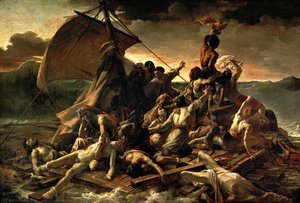
ジェリコーの名は、《メデュサの筏》(1818-1819年)と分かちがたく結びついています。この記念碑的なキャンバスは、単なる歴史的描写を超越し、人間の過失と社会的不正を告発する痛烈な糾弾へと昇華されています。1816年に起きたフランス軍艦《メデュサ号》の難破という、あまりにも凄惨な実話に触発されたこの作品は、過失と無能さが乗船者たちに想像を絶する苦しみをもたらした出来事を、絶望、希望、そして悲哀として生々しく描き出しています。ジェリコーは徹底的な調査を行い、生存者へのインタビュー、病院での遺体の観察、さらには正確を期すために筏の模型まで製作しました。完成した作品は、単なる悲劇の描写ではありません。それは、観る者を人間の苦悩という剥き出しの現実へと引きずり込む、没入型の体験なのです。絶望と死を象徴する構造と、希望と救助の可能性を象徴する構造という、二つのピラミッド型の構成がキャンバス全体にダイナミックな緊張感を生み出しています。1819年のサロン展での展示当時、《メデュサの筏》は物議を醸し、政治的な論争を巻き起こすと同時に、大胆で型破りな芸術家としてのジェリコーの名声を不動のものとしました。その衝撃は美術界に留まらず、政府の無能さと、想像を絶する困難に立ち向かう人間の強靭さの象徴となったのです。
悲劇を超えて:軍事的主題と芸術的遺産
《メデュサの筏》が彼の最も輝かしい業績であり続けている一方で、ジェリコーの芸術的成果は、この単一の傑作に留まるものではありません。彼は絶えず軍事的な主題へと立ち返り、《負傷したキュイラシエ》(1814年)や《エプソム・ダービー》(1821年)といった作品に見られるように、ドラマと表現力豊かな力強さへの執着を示しました。これらの絵画は、極限状態における人間の感情の探求を続けており、しばしば紛争がもたらす肉体的・心理的な代償に焦点を当てています。また、彼は肖像画やリトグラフにも進出し、その芸術的レパートリーをさらに広げました。悲しいことに、ジェリコーの生涯は、乗馬事故による負傷と慢性的な結核の苦しみを経て、1824年に32歳という若さで断たれてしまいました。彼の早すぎる死は、美術界から類まれな才能を奪いましたが、後世の芸術家たち、特にウジェーヌ・ドラクロワに与えた影響は計り知れないものでした。彼はロマン主義の先駆者として、困難な真実に向き合い、作品に強力な感情的共鳴を吹き込んだ芸術家として記憶されています。パリのペール・ラシェーズ墓地にある彼の墓には、筆を手に横たわるブロンズ像があり、その足元には《メデュサの筏》の凄惨な場面を描いた低浮彫が施されています。それは、人間の条件の複雑さと矛盾を捉えることに生涯を捧げた芸術家への、ふさわしい献辞といえるでしょう。
主な特徴と影響
- ロマン主義: ジェリコーはフランス・ロマン主義の最初の画家の一人と見なされており、新古典主義の理想から脱却し、感情的な強烈さと劇的な表現へと向かいました。
- 劇的な構図: 彼の絵画はダイナミックな構図で知られ、対角線や光と影のコントラストを駆使して、動きと緊張感を生み出しています。
- リアリズムと調査: ジェリコーはリアリズムに献身し、作品の正確さと感情的なインパクトを確かなものにするため、遺体の観察や生存者への取材を含む広範な調査を行いました。
- 巨匠たちからの影響: ルーベンス、ティツィアーノ、ベラスケスといったバロック期の巨匠からインスピレーションを得て、劇的な照明や表現力豊かな筆致の技法を取り入れました。
- 人間の苦悩への焦点: 彼の芸術はしばしば悲劇、絶望、そして人間体験の暗部を描き出し、強烈な感情に対するロマン主義的な魅惑を反映しています。
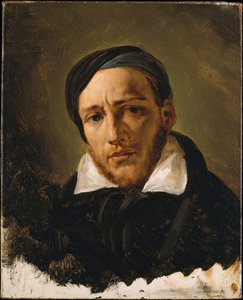
テオドール・ジェリコー
1791 - 1824 , フランス
基本情報
- Artistic Movement Or Style: ロマン主義
- Artists Or Movements Influenced By This Artist: ['ウジェーヌ・ドラクロワ']
- Artists Who Influenced This Artist:
- ルーベンス
- ティツィアーノ
- ベラスケス
- レンブラント
- Date Of Birth: 1791年
- Date Of Death: 1824年
- Full Name: ジャン=ルイ・アンドレ=テオドール・ジェリコー
- Nationality: フランス
- Notable Artworks:
- メデュースの筏
- 負傷したキュイラシエ
- エプソム・ダービー
- Place Of Birth: フランス、ルーアン
関連記事
Romantic Realism's Finest: 10 Masterpieces for Your Home | ArtsDot
Explore 10 defining masterpieces of Romantic Realism! Discover Courbet, Millet & Daumier's powerful paintings—capturing emotion and social realities. Find museum-quality reproductions for your home at ArtsDot.com.
Émile Jean Horace Vernet: Romantic Realism & Depicting 19th-Century Life
Explore the life & art of Émile Jean Horace Vernet, a master of Romantic Realism. Discover his captivating battle scenes, portraits, and Orientalist works – a window into 19th-century France. Learn about his techniques & enduring legacy.
19th Century Masterpieces: 10 Paintings That Defined an Era | ArtsDot
Journey through 19th century art with ArtsDot! Explore 10 iconic paintings – from Monet & Renoir to Courbet – and discover the stories behind Romanticism, Realism & Impressionism. Find museum-quality reproductions for your home decor. Explore the full collection online!
The Noble Steed on Canvas: A Historical & Artistic Exploration of Horse Painting Across Cultures
Explore the rich history of horse painting! Discover masterpieces from Stubbs to Munnings & learn about symbolism, techniques & artists. Find museum-quality reproductions at ArtsDot.
The Equine Muse: A Historical & Artistic Exploration of Horses in Painting
Explore the captivating history of horses in painting! Discover Renaissance masterpieces, Baroque grandeur & expert insights for collecting equestrian art. Learn about symbolism, techniques & lasting value with ArtsDot.