

 プレビュー
プレビュー
 プリントを購入
 シェアする
シェアする シェアする
シェアする
 詳細を見る
詳細を見る

 ダウンロード
 似ている作品
 X線調査
X線調査 スライドショー
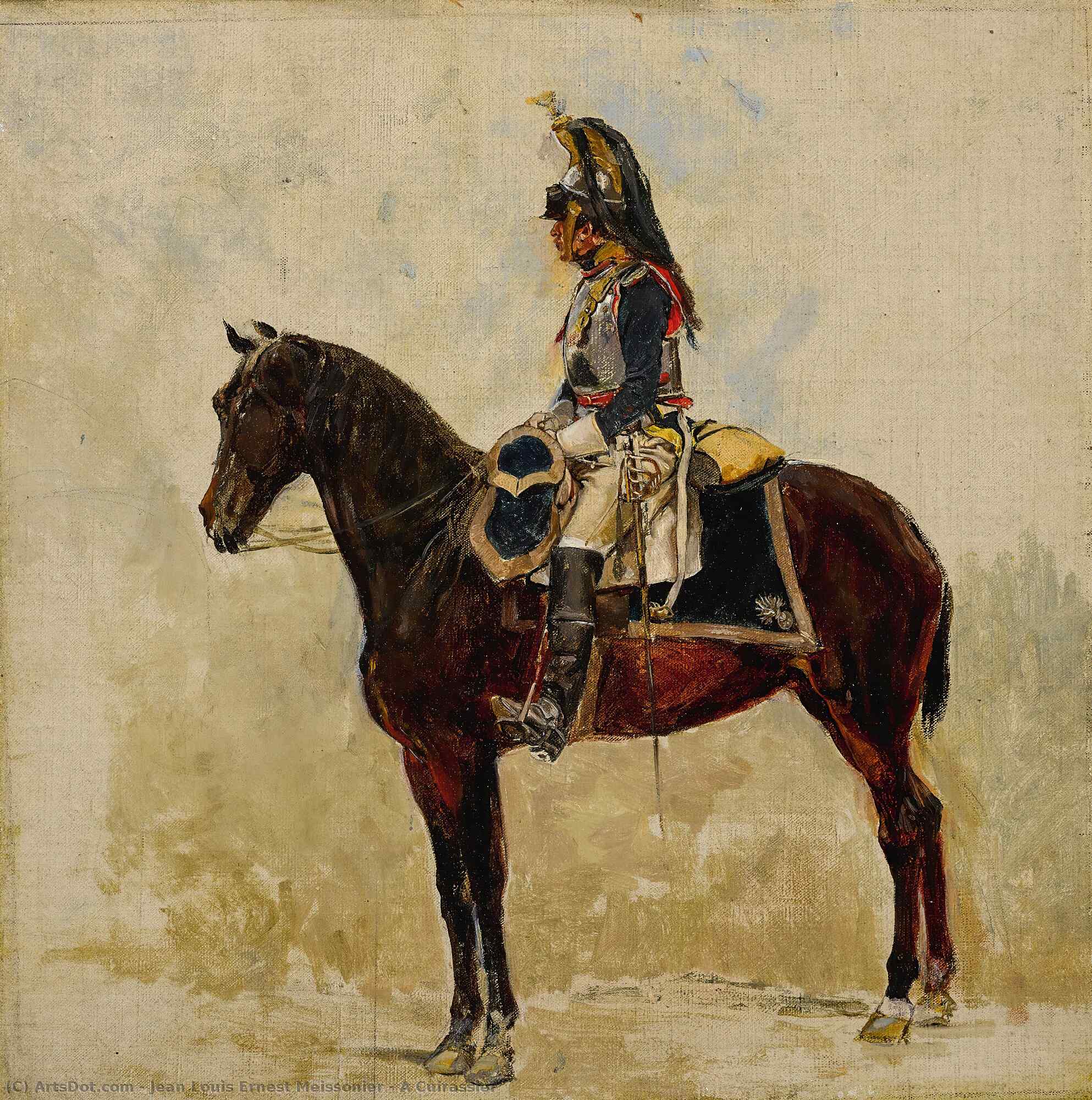
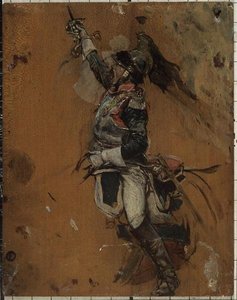
A Cuirassier


 詳細を見る
詳細を見る




P118B $10

P118H $10

P118W $10

P438Z $10

P508JH $12

P508YH $12

P805H $10

P805Z $10

P919BZ $10

P919G $10

P919XJ $10

P959ZH $10

P968JZ $12

W106C $8

W218G $10

W218JH $8

W218Y $10

W307PJ $10

W316G $10

W316PJ $8

W316Y $10

W398PJ $8

W4111J $10

W500HY $15

W500JH $15

W692G $12

W849H $8

W940BG $15

W953PJ $8




作品のオリジナル比率に合わせた、当店の規定サイズからお選びください。

特定のフレームやスペースに合わせて、ご希望のサイズをご入力いただけます。選択されたサイズが元の画像の比率と異なる場合、アートワークをトリミングするか、手描きで要素を追加して絵画を拡張いたします。デジタルモックアップ を制作し、制作開始前にご確認(承認)をいただきます。
画面上のプレビューは、実際のトリミングや拡張を正確に反映しているものではありません。最終的な構図は、モックアップによってのみ正確にご確認いただけます。
カスタムサイズもご利用いただけますが、元の比率を維持するためには、あらかじめ用意されたリストからサイズを選択することをお勧めいたします。
ご注文後、ArtsDot.com チームより詳細な指示をお送りするとともに、仕上がりイメージ(モックアップ)をご提供いたします。


 ガラスオプションは、110cm未満のサイズでのみご利用いただけます。

A Cuirassier
複製技法
複製画のサイズ
-


合計金額
$ 263
作品解説
A Cuirassier: A Window into Napoleonic France
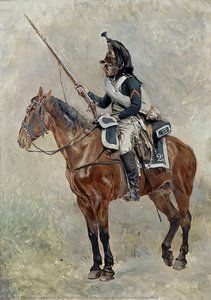
Jean Louis Ernest Meissonier’s “A Cuirassier” is more than just a depiction of a soldier; it's a meticulously crafted portal to the era of Napoleon, a testament to the artist’s unwavering dedication to realism and his profound understanding of military life. Born in Lyon in 1815, Meissonier dedicated his career to capturing the gritty details of historical moments, earning him both acclaim and occasional criticism for his intensely focused approach. This particular painting, showcasing a cuirassier poised before a potential charge, exemplifies his signature style – a blend of academic training with an almost obsessive attention to texture, light, and the minutiae that define a scene. The work immediately draws the eye to the subject's armor, rendered with astonishing precision; the polished steel reflects the ambient light, hinting at the formidable power embodied by this soldier of the era.
- Subject Matter: A Cuirassier – a heavy cavalryman prominent in the late medieval and Napoleonic periods.
- Historical Context: Painted during a time of significant military upheaval, reflecting the ongoing influence of Napoleon’s campaigns.
- Artist's Focus: Meissonier’s dedication to capturing the realism of military life is evident in every detail.
Technique and Style – A Masterclass in Realism
Meissonier’s artistic journey was profoundly influenced by the Dutch masters he studied at the Louvre, particularly Gabriel Metsu and Gerard Douw. This admiration for their ability to capture light and atmosphere within intimate scenes translated directly into his own work. “A Cuirassier” is a prime example of this influence; the artist employs a restrained palette dominated by earthy tones – browns, ochres, and grays – which contributes significantly to the painting’s somber mood and enhances the realism of the scene. The meticulous rendering of the cuirassier's armor isn't merely decorative; it’s a demonstration of Meissonier’s technical skill, showcasing his ability to depict complex reflections and textures with remarkable accuracy. Note the subtle variations in color within the horse’s coat, further emphasizing the artist’s commitment to verisimilitude.
Symbolism and Narrative – A Moment Frozen in Time
Beyond its technical brilliance, “A Cuirassier” carries a potent symbolic weight. The cuirassier, poised before a potential charge, embodies courage, discipline, and the romantic ideals of chivalry that were so prevalent in 19th-century France. The relaxed posture of the rider suggests not just readiness but also a certain weariness, hinting at the burdens of military life. The minimalist background – a pale yellowish-beige expanse – serves to isolate the subject, intensifying his presence and drawing the viewer’s attention to his individual strength and determination. The inclusion of the saddle blanket with its blue polka dots adds a touch of unexpected detail, subtly disrupting the seriousness of the scene and perhaps hinting at the human element within this otherwise austere depiction.
Legacy and Appreciation – A Timeless Masterpiece
Jean-Louis Ernest Meissonier’s “A Cuirassier” remains a significant work in the history of French painting, celebrated for its technical mastery and its evocative portrayal of a pivotal moment in military history. Meissonier's dedication to detail earned him both admiration and criticism; some found his focus narrow, while others recognized his unparalleled ability to capture the essence of chivalry and masculine adventure. Today, this painting stands as a testament to Meissonier’s skill and vision, offering viewers a captivating glimpse into a bygone era – an era defined by courage, discipline, and the enduring allure of military life. ArtsDot.com offers meticulously crafted oil painting reproductions that allow you to experience the beauty and power of this remarkable artwork firsthand.
関連作品

アーティストの略歴
ジャン=ルイ・エルネスト・メイソニエの生涯と芸術
19世紀フランス絵画において、緻密な描写と歴史的叙述で知られるジャン=ルイ・エルネスト・メイソニエは、アカデミックな伝統と芽生えつつある写実主義を繋ぐ重要な人物として登場しました。1815年にリヨンに生まれた彼は、当初、家族から商業的なキャリアを期待されていました。しかし、芸術への情熱は抑えきれず、17歳で許可を得て才能を開花させる旅に出ました。この道に進んだメイソニエは、フランスで最も著名で経済的に成功した画家の一人として名を確立します。レオン・コグネの指導のもと初期の訓練を受けましたが、ルーブル美術館にあるオランダ絵画の研究を通して真に芸術的声を見つけました。ガブリエル・メツやヘラルト・ドウのような巨匠たちは、日常生活の親密な場面を驚くべき精度で描いており、彼の発展するスタイルに深い影響を与え、卓越したディテールへの献身を促しました。ジャンルシーンから壮大な歴史的叙述へ
メイソニエが1831年にサロンに出展した『オランダのブルジョワ』(Les Bourgeois Flamands)は、彼の才能をいち早く示しました。この作品は、日常生活や歴史的な場面をほぼ顕微鏡レベルの正確さで再現する能力を示し、彼のユニークな才能を印象づけました。彼は単に物体を描写しているのではなく、テクスチャ、光、雰囲気を息を呑むほど忠実に捉えながら、世界を丹念に再構築していました。この初期の成功により、彼は技術を磨き上げ、『チェスをする人々』(The Game of Chess, 1841)や『チェロを弾く青年』(The Young Man Playing the 'Cello', 1842)のような魅力的なジャンル絵画を次々と制作しました。これらの作品は、単なる技術的な訓練ではなく、人間の性格と社会交流に対する洞察に満ちた観察でした。しかし、メイソニエの野心は親密なジャンルシーンを超えていました。1848年の政治的動乱の中で国民警備隊として従軍した経験は、彼に大きな影響を与え、より大規模な歴史的なテーマに取り組む意欲を高めました。この転換点は、『ソルフェリーノの皇帝』(The Emperor at Solferino)のような壮大な作品を生み出し、彼の初期のスタイルから脱却しつつも、複雑な構成と壮大な叙述を可能にする彼の精密さを維持しました。忍耐と精密さによって定義された技法
メイソニエを真に際立たせていたのは、彼が何を画いたかだけでなく、*どのように*画いたかでした。彼の技法は、細部への並外れた注意で伝説的でした。彼は大雑把な筆致や印象派的な効果には満足せず、構成要素のそれぞれを丹念にレンダリングし、卓越したリアリズムの感覚を築き上げました。彼は徹底的な研究を行い、衣装、武器、建築の詳細を細かく調査して歴史的な正確性を確保しました。この献身は自然界にも及び、特に馬の研究において、その解剖学と動きを分析し、彼の戦場の場面で説得力のある表現を実現しました。一部の批評家は彼の仕事が執着に近いと指摘しましたが、揺るぎないディテールへのコミットメントこそが観客を魅了し、彼の評判を確立したのです。影響力のあるイギリスの美術評論家ジョン・ラスキンは、メイソニエの絵画を虫眼鏡で調べ、『手先の器用さと魅力的な細部に対する目』に驚嘆しました。遺産と永続的な影響
19世紀後半までに、ジャン=ルイ・エルネスト・メイソニエはフランスで最も称賛される芸術家の一人となりました。彼の作品は法外な価格で取引され、彼は緻密なプロセスを促進するために設計されたスタジオを備えた壮大なポワシーの邸宅を取得することを可能にしました。彼は技術的な熟練と歴史を比類のないリアリズムで蘇らせる能力で賞賛されました。一部の批評家は彼の主題範囲が限られている(しばしば軍事シーンや歴史的な再現に焦点を当てている)と疑問視しましたが、細部への献身、歴史的正確性へのコミットメント、そして卓越した技法が後世の世代の芸術家に深い影響を与えたことは否定できません。パリのオルセー美術館やワシントンD.C.の国立美術館など、世界中の美術館は彼の作品を誇らしげに展示し、忍耐、精密さ、そして芸術的ビジョンの力としての彼の遺産が永続することを保証しています。メイソニエの芸術をもっと探求するには、ArtsDot.comまたはオルセー美術館のウェブサイトをご覧ください。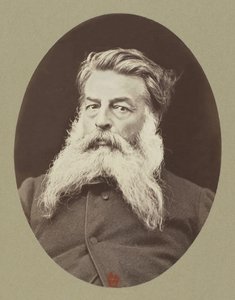
ジャン=ルイ・エルネスト・メイソニエ
1815 - 1891 , フランス
基本情報
- Artistic Movement Or Style: アカデミック美術
- Artists Who Influenced This Artist: ['オランダ絵画の巨匠たち']
- Date Of Birth: 1815年2月21日
- Date Of Death: 1891年1月31日
- Full Name: ジャン=ルイ・エルネスト・メイソニエ
- Nationality: フランス人
- Notable Artworks (List Of Titles):
- ブルジョワ・フランダマン
- チェスの対局
- 宿での休憩
- 乱闘
- ソルフェリーノの皇帝
- Place Of Birth (City And Country): リヨン, フランス
関連記事

The Enduring Legacy of Oil on Canvas: Technique, History & Aesthetic Impact
Explore the rich history & techniques of oil painting – from Renaissance masters to Impressionism. Discover pigments, layering methods, and why this timeless medium endures. Expert insights for artists & art enthusiasts.
Jean-Louis Ernest Meissonier: Realism, Historical Narrative & Artistic Perfection
Explore the world of Jean-Louis Ernest Meissonier, a master of French Realism renowned for his meticulously detailed historical & military scenes. Discover his iconic artworks and lasting legacy.

The Enduring Power of Painting: A Historical & Contemporary Exploration of Form and Emotion
Explore the rich history & enduring techniques of oil painting with ArtsDot. Discover masterpieces, learn about art collecting, and find authentic handmade reproductions crafted by skilled artists.

Oil on Canvas: A Historical & Technical Exploration of a Timeless Artistic Medium
Explore the rich history & enduring techniques of oil painting on canvas. Discover the science behind its longevity, conservation practices, and contemporary relevance. Expert insights for art enthusiasts.

油彩のキャンバス:技法、歴史、そして現代の実践 - 古典美術愛好家へ
油彩の技法、歴史、巨匠たちの秘密を徹底解説。古典美術愛好家向けに、初期フランドル絵画から現代の実践まで深く掘り下げます。ArtsDotで高品質な複製画やカスタムオーダーも承ります。

