

 プレビュー
プレビュー
 プリントを購入
 シェアする
シェアする シェアする
シェアする
 詳細を見る
詳細を見る

 ダウンロード
 似ている作品
 X線調査
X線調査 スライドショー
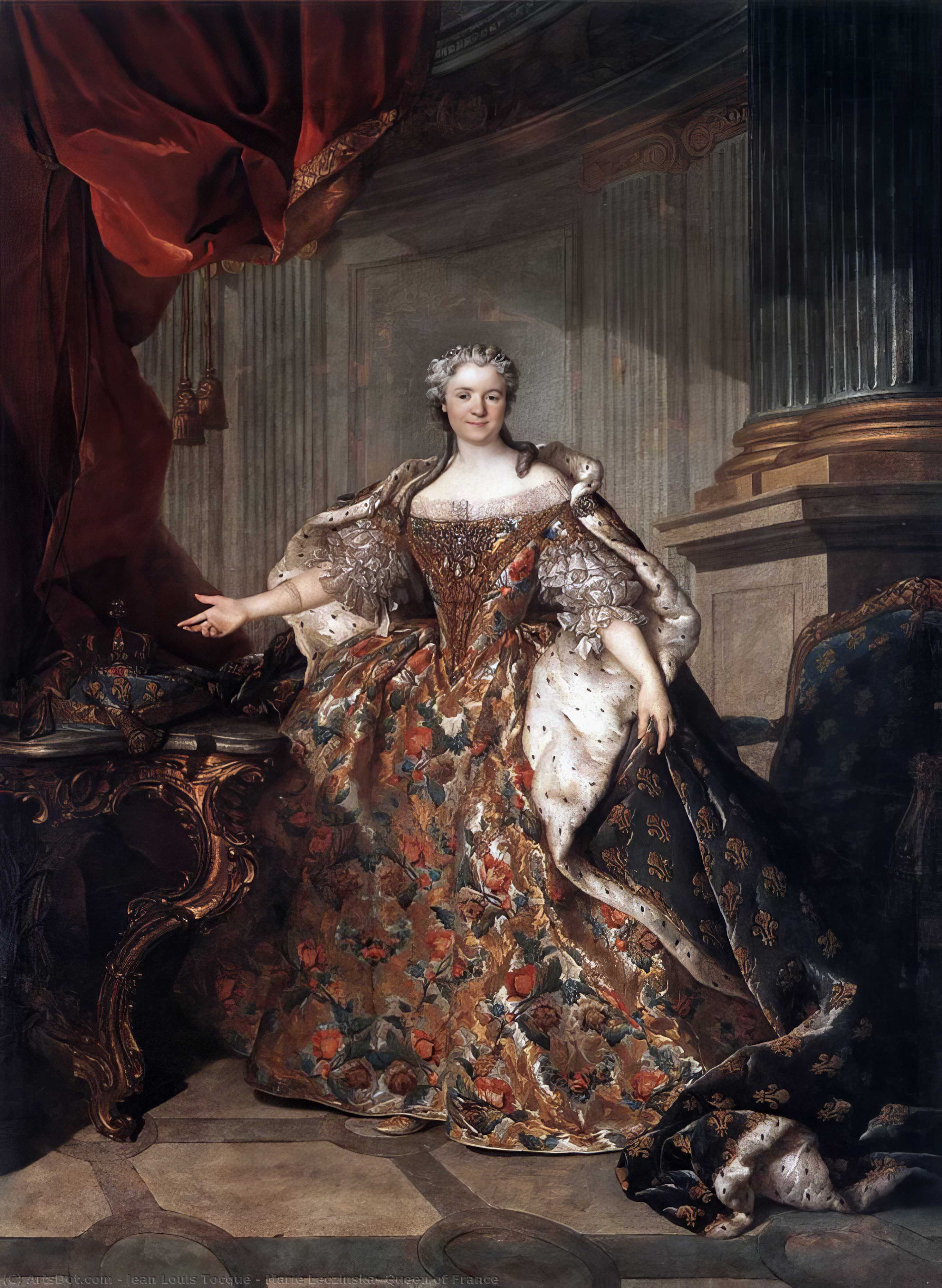
Marie Leczinska, Queen of France
 Oil On Canvas
- WallArt
- Baroque
 1740
1740- Early Modern
 277.0 x 191.0 cm
 ルーブル美術館
 詳細を見る
詳細を見る
オンラインプレビューをはるかに凌ぐ、高解像度で鮮明なデジタル画像をご購入いただけます。
各ファイルは、社内の専門家が高度なツールと熟練した手作業によるレタッチを用いて、細心の注意を払って準備されています。すべての画像において、卓越した鮮明度、正確な色彩再現性、そして繊細なディテールを保証いたします。
最終ファイルは、プロフェッショナルな編集・印刷環境ですぐにご利用いただけるよう最適化された状態で、72時間以内にメールにてお届けいたします。これは、一流のデザインスタジオ、出版社、ギャラリーから信頼されているものと同等の品質です。
デジタル画像のご注文に付随する特典
高品質なデジタル画像配信を、確かな品質で。
ArtsDot.com を選ぶことは、単に画像を手に入れることではありません。それは、プロの手によって精密に仕上げられ、満足保証が付いた高品質なデジタルアートワークを受け取ることを意味します。ご注文いただいた際に自動的に付随する内容は、以下の通りです:

メールですぐにお届け
ご注文から72時間以内に、高解像度のデジタル画像ファイルがメールでお手元に届きます。すぐにそのままご利用いただけます。

AI技術で最適化されたデジタルファイル
お客様の作品は、高度なAIツールと専門家による手作業の編集を組み合わせてプロフェッショナルに最適化されており、細部のディテール、鮮明さ、そして正確な色再現性を最大限に引き出しています。

一生涯無料の再送サービス
ファイルを誤って削除したり、紛失してしまったりしましたか?ご安心ください。いつでも無料で再送いたします。

輸入手数料は一切かかりません
関税や手数料、配送料を気にすることなく、お気に入りのアートワークをすぐにお楽しみいただけます。デジタルダウンロードは常に免税です。

色彩再現の保証
プロ仕様のツールとカラーマネジメント技術を用いることで、デジタル画像が元の色を最大限に忠実に再現することを保証いたします。

60日間満足保証
ご購入いただいたデジタル画像にご満足いただけない場合は、60日以内であれば、修正または100%の返金(理由を問う必要はありません)をさせていただきます。

100% 返金保証
ご満足いただけない場合は、デジタルファイルを受け取ってから60日以内であれば、理由を問わず全額返金いたします。

まとめ買い割引
3枚購入で10%OFF - 5枚購入で15%OFF - 10枚以上購入で20%OFF。クリエイティブなプロジェクト、ギャラリー、エージェンシーに最適です。
A Vision of Regal Splendor: The Majesty of Marie Leczinska
In the grand tapestry of 18th-century French portraiture, few works capture the intersection of personal grace and political power as profoundly as Jean Louis Tocqué’s Marie Leczinska, Queen of France. Completed in 1740, this monumental oil on canvas serves as a breathtaking window into the opulent world of the Bourbon court. The portrait does not merely present a likeness; it orchestrates an encounter with royalty. As the viewer gazes upon Marie Leczinska, the beloved consort of Louis XV, they are met with a serene composure that masks the immense weight of her station. Every brushstroke by Tocqué works in harmony to elevate the subject, transforming a single moment in time into an enduring emblem of French aristocratic splendor.
The composition is a masterclass in the Neoclassical tradition, a style Tocqué refined under the guidance of the legendary Jean-Marc Nattier. There is a deliberate, rhythmic elegance to the way the Queen is positioned within her environment. Seated upon an intricately carved chair that speaks of stability and ancestral authority, she holds the scepter aloft—a potent symbol of dominion that commands the viewer's respect. The artist utilizes a sophisticated interplay of light and shadow to sculpt the Queen’s features, creating a three-dimensional presence that feels almost tangible. This technique, known as chiaroscuro, allows the luminous textures of her lace and the rich floral patterns of her gown to emerge from the dimly lit, architectural background, drawing the eye toward the heart of her regal persona.
Symbolism and the Art of Courtly Elegance
Beyond the surface beauty of the silk and lace lies a deeply symbolic narrative designed to communicate status and virtue. The Queen’s attire, featuring a breathtaking array of reds, oranges, and blues against a cream foundation, is not merely a fashion statement but a display of immense wealth and cultural sophistication. The delicate lace at her neckline and sleeves reflects the meticulous craftsmanship of the era, while the heavy, draped curtains in the background act as a theatrical device, suggesting the private yet highly staged nature of court life. Even the architectural elements, such as the subtle presence of columns, serve to ground the subject in an atmosphere of permanence and grandeur.
For the discerning collector or interior designer, this masterpiece offers more than just historical interest; it provides a profound emotional resonance. The painting evokes a sense of nostalgia for an era of unparalleled refinement and ceremony. When placed within a curated space, a high-quality reproduction of this work acts as a focal point of sophistication, bringing a touch of the Louvre’s hallowed halls into a contemporary setting. It is a piece that invites contemplation, sparking conversations about history, power, and the timeless allure of classical beauty. To possess such an image is to hold a fragment of the Enlightenment, a silent yet powerful testament to the enduring legacy of French artistry.
関連作品
作家の略歴
Jean Louis Tocqué: A Portraitist of the French Court
Jean Louis Tocqué, a name perhaps less familiar than some of his contemporaries, stands as a significant figure in 18th-century French portraiture. Born in Paris in 1696 and tragically passing away in 1772, Tocqué’s life was marked by both artistic apprenticeship and the privilege of capturing the likenesses of royalty and nobility. His career unfolded within the vibrant, yet often turbulent, world of the Parisian Salon, a crucial platform for artists to showcase their work and gain recognition. Tocqué's legacy rests primarily on his exquisite portraits, characterized by a refined elegance and an ability to imbue his subjects with a sense of both dignity and charm – qualities that resonated deeply within the court circles he served.Early Life and Artistic Training
Jean Louis Tocqué’s artistic journey began in the shadow of his father, also a painter, whose untimely death in 1710 at the age of fourteen profoundly shaped young Louis's trajectory. This early loss propelled him into the care of Jean-Marc Nattier, a renowned portraitist already established within the French court. Nattier’s atelier became Tocqué’s formative environment, where he honed his skills under the tutelage of masters like Hyacinthe Rigaud and Nicolas Bertin. These influential figures instilled in him not only technical proficiency but also an appreciation for classical ideals and a meticulous approach to rendering form and detail. Tocqué's initial training was deeply rooted in Nattier’s style – a blend of realism, elegance, and a subtle theatricality—but he quickly developed his own distinctive voice, influenced by the more dynamic compositions of Hyacinthe Rigaud and the refined sensibilities of Nicolas de Largillière.Royal Commissions and Salon Recognition
Tocqué’s rise to prominence was inextricably linked to his ability to secure commissions from the French court. His most celebrated work, the portrait of Louis XV (circa 1740), commissioned by his great-grandfather, King Louis XIV, stands as a testament to his skill and the esteem in which he was held. This monumental painting, now housed in the Louvre, exemplifies Tocqué’s mastery of light, color, and composition—a harmonious blend of regal authority and youthful charm. Beyond this grand commission, Tocqué consistently produced portraits of significant figures, including Marie Leszczyńska, Queen of France (1740), and infanta Maria Teresa Rafaela of Spain (1745). His work regularly appeared in the prestigious Salon exhibitions from 1737 to 1759, solidifying his reputation as one of the most sought-after portraitists of his time. These appearances weren’t merely displays; they were crucial for establishing connections and securing further patronage.A Journey East: The Portrait of Empress Elizabeth Petrovna
In 1757, Tocqué embarked on a remarkable journey to the Russian Empire at the invitation of Empress Elizabeth Petrovna. This unprecedented opportunity allowed him to create a ceremonial portrait of the empress, an undertaking that cemented his international standing and resulted in a masterpiece now residing in the Hermitage Museum in Saint Petersburg. The portrait is notable for its intricate detail and the subtle portrayal of the empress’s power and grace—a testament to Tocqué's ability to capture not just physical likeness but also personality and status. This commission demonstrated Tocqué’s willingness to travel and adapt his style to suit different cultural contexts, showcasing a remarkable versatility as an artist.Influence and Legacy
Tocqué’s influence extends beyond the portraits he created; he played a role in shaping the artistic landscape of Denmark during the 1760s. Invited to Copenhagen, he accepted a position at the Royal Danish Academy of Fine Arts, where he not only taught but also produced stunning portraits of the Danish royal family. His work in Denmark further broadened his stylistic range and demonstrated his ability to adapt to new environments while maintaining his signature elegance. While Tocqué’s output was relatively modest compared to some of his contemporaries, his portraits—particularly those commissioned by royalty—remain valuable examples of 18th-century French art. They offer a glimpse into the lives and personalities of influential figures, showcasing Tocqué's technical skill, artistic sensitivity, and ability to capture the essence of his subjects. His work continues to be studied and admired for its refined beauty and historical significance.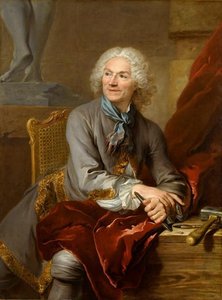
jean louis tocqué
1696 - 1772

