

 プレビュー
プレビュー
 シェアする
シェアする シェアする
シェアする
 詳細を見る
詳細を見る

 ダウンロード
 似ている作品
 X線調査
X線調査 スライドショー
 統計情報
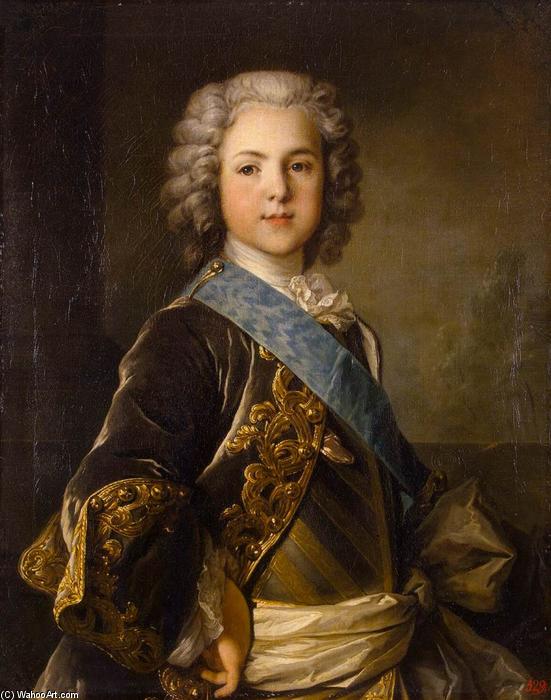
統計情報Portrait of Louis, Grand Dauphin of France
 Oil On Canvas
- WallArt
- 18th-century portraiture
 1739
1739 80.0 x 64.0 cm
 エルミタージュ美術館
 詳細を見る
詳細を見る
ジークレー/アートプリント
迅速な制作と多彩な仕上げオプションを備えた、ミュージアムクオリティのジークレーまたはキャンバスプリント。 ( 手描きの絵画を購入 デジタル画像販売へ切り替え)




P118B $10

P118H $10

P118W $10

P438Z $10

P508JH $12

P508YH $12

P805H $10

P805Z $10

P919BZ $10

P919G $10

P919XJ $10

P959ZH $10

P968JZ $12

W106C $8

W218G $10

W218JH $8

W218Y $10

W307PJ $10

W316G $10

W316PJ $8

W316Y $10

W398PJ $8

W4111J $10

W500HY $15

W500JH $15

W692G $12

W849H $8

W940BG $15

W953PJ $8




作品のオリジナル比率に合わせた、当店の規定サイズからお選びください。

特定のフレームやスペースに合わせて、ご自身でサイズを指定することも可能です。選択されたサイズが元の画像の比率と一致しない場合、作品をトリミングするか、鏡面反射または単色での塗りつぶしによって画像を拡張いたします。制作を開始する前に、ご確認用のデジタルモックアップをお送りいたします。
画面上のプレビューには、実際のトリミングや拡張は反映されませんのでご注意ください。最終的な構図を正確に確認できるのは、モックアップのみとなります。
カスタムサイズも承っておりますが、元の比率を維持するためには、あらかじめ用意されたリストからサイズを選択することをお勧めいたします。


 ガラスオプションは、110cm未満のサイズでのみご利用いただけます。

Portrait of Louis, Grand Dauphin of France
ジークレー/アートプリント
複製画のサイズ
-


合計金額
$ 62
A Royal Portrait Steeped in Grace: Jean Louis Tocqué’s “Portrait of Louis, Grand Dauphin”
The year is 1739. France, under the absolute rule of Louis XV, pulses with an atmosphere of opulent courtly life and simmering political intrigue. Within the bustling ateliers of Paris, a skilled artist named Jean Louis Tocqué meticulously captures the essence of this era in his “Portrait of Louis, Grand Dauphin,” a painting that transcends mere likeness to become a poignant study of youthful privilege and nascent authority. This is not simply a depiction of a young man; it’s a carefully constructed tableau reflecting the hopes and anxieties of a nation poised on the brink of change. The portrait, now housed within the Hermitage Museum in St. Petersburg, offers a remarkable glimpse into the artistic conventions and social dynamics of 18th-century France.The Man and His Moment: Subject and Context
The subject is Louis, Grand Dauphin – the heir to the French throne, born in 1661 but tragically dying just a few years later at the age of ten. His premature demise left a void in the line of succession, creating considerable uncertainty about the future of the monarchy. Tocqué’s commission to paint him was therefore deeply significant, intended not only to immortalize the young Dauphin but also to project an image of strength and stability – qualities desperately needed during this period of dynastic instability. The painting itself is a preparatory study for a larger, full-length portrait, suggesting that Tocqué aimed to capture more than just a fleeting moment; he sought to define the character and potential of the future king. The Dauphin’s youthful features are rendered with remarkable precision, his gaze direct and engaging, inviting the viewer into his world.A Dance of Light and Shadow: Technique and Style
Tocqué's mastery lies in his ability to imbue a portrait with both realism and an underlying sense of theatricality. The painting is executed in the Rococo style, characterized by its delicate brushstrokes, pastel colors, and emphasis on elegance and grace. Notice how Tocqué employs *chiaroscuro* – the dramatic contrast between light and shadow – to sculpt Louis’s face and create a three-dimensional effect. The subtle gradations of tone highlight his features while simultaneously suggesting an inner reserve, hinting at the burdens he will inevitably bear. The use of gold leaf accents on his sash and clothing adds a touch of regal splendor, further emphasizing his status as heir to the throne. The composition itself is carefully balanced, with Louis positioned slightly off-center, drawing the eye across the canvas and creating a sense of movement.Symbolism Woven into the Fabric: Details and Interpretation
Beyond the technical brilliance, “Portrait of Louis, Grand Dauphin” is rich in symbolic detail. The blue sash he wears – a prominent feature – was a symbol of nobility, signifying his lineage and entitlement. The wig, fashionable at the time, wasn’t merely an accessory; it represented status and sophistication within the courtly world. Furthermore, the carefully chosen background—a simple wall—serves to focus attention entirely on the subject, reinforcing his importance. The slight tilt of his head, a subtle gesture of authority, suggests a nascent leadership quality – a quiet confidence that belied his youth. It’s a portrait designed not just to show *what* he is, but *who* he will become.An Enduring Legacy: Emotional Resonance and Modern Appeal
Even centuries later, “Portrait of Louis, Grand Dauphin” continues to captivate viewers with its elegance and psychological depth. It’s a testament to Tocqué's skill as an artist and his ability to capture the essence of a particular moment in history. The painting evokes a sense of both vulnerability and strength – qualities that resonate deeply within us all. Reproductions, like those offered by ArtsDot.com, allow us to appreciate this masterpiece not just for its aesthetic beauty but also for the historical context and artistic insights it provides. It remains a powerful reminder of the complexities of power, privilege, and the enduring allure of portraiture as a means of self-representation and legacy.関連作品

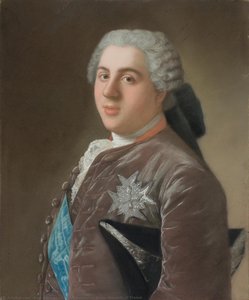
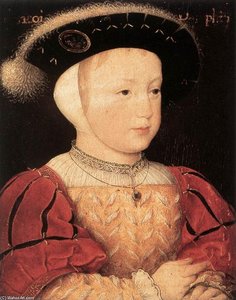
関連記事
Charles-André van Loo: A Study in Rococo Portraiture & the French Court's Artistic Dynamics
Explore the elegant world of Charles-André van Loo, a master of Rococo portraiture at the French court. Discover his life, techniques, and enduring influence on 18th-century art. Hand-painted reproductions available.
Illuminating the Enlightenment: A Comprehensive Exploration of 18th-Century Painting
Explore the captivating world of 18th-century painting! Discover Rococo's playful elegance & Neoclassicism’s Enlightenment ideals with expert insights into Fragonard, David, and more. A comprehensive guide for art enthusiasts.
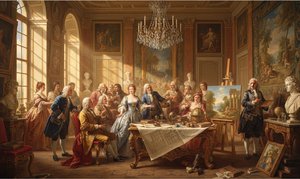
Illuminating the Enlightenment: Artistic Expression in 18th-Century Europe
Explore the artistic brilliance of the Enlightenment era! Discover Rococo's elegance & Neoclassicism’s virtue with expert insights into 18th-century masterpieces. Learn about David, Kauffmann & more.

The Rococo Aesthetic: Opulence, Rebellion & the Pursuit of Pleasure in 18th-Century Art
Explore the opulent world of Rococo art! Discover its origins, key artists like Watteau & Boucher, and lasting influence on design. Expert insights for collectors & enthusiasts.

華麗なるロココ:芸術史を彩る10大傑作の世界
華麗なるロココ美術の世界へ。バロックから生まれた優雅な芸術、その10大傑作を徹底解説!ブーシェ、フロマンなど巨匠たちの技と物語を紐解き、お部屋を彩るアートを見つけよう。ArtsDot.comで至高の美術館品質レプリカとインテリアアイデアを発見。