

 プレビュー
プレビュー
 シェアする
シェアする シェアする
シェアする
 詳細を見る
詳細を見る

 ダウンロード
 似ている作品
 X線調査
X線調査 スライドショー
 Stats
StatsBody
 Painting
- Contemporary Art
 2011
2011- Contemporary
 250.0 x 850.0 cm
 Museum of London
 詳細を見る
詳細を見る
手描き油彩複製画
当社のアーティストが、お客様のご希望のサイズと額縁に合わせて、キャンバスに手描きで制作する油彩画です。 ( Switch to Print Switch to Digital Image)




P118B $10

P118H $10

P118W $10

P438Z $10

P508JH $12

P508YH $12

P805H $10

P805Z $10

P919BZ $10

P919G $10

P919XJ $10

P959ZH $10

P968JZ $12

W106C $8

W218G $10

W218JH $8

W218Y $10

W307PJ $10

W316G $10

W316PJ $8

W316Y $10

W398PJ $8

W4111J $10

W500HY $15

W500JH $15

W692G $12

W849H $8

W940BG $15

W953PJ $8




作品のオリジナル比率に合わせた、当店の規定サイズからお選びください。

特定のフレームやスペースに合わせて、ご希望のサイズをご入力いただけます。選択されたサイズが元の画像の比率と異なる場合、アートワークをトリミングするか、手描きで要素を追加して絵画を拡張いたします。デジタルモックアップ を制作し、制作開始前にご確認(承認)をいただきます。
画面上のプレビューは、実際のトリミングや拡張を正確に反映しているものではありません。最終的な構図は、モックアップによってのみ正確にご確認いただけます。
カスタムサイズもご利用いただけますが、元の比率を維持するためには、あらかじめ用意されたリストからサイズを選択することをお勧めいたします。
ご注文後、ArtsDot.com チームより詳細な指示をお送りするとともに、仕上がりイメージ(モックアップ)をご提供いたします。


 ガラスオプションは、110cm未満のサイズでのみご利用いただけます。

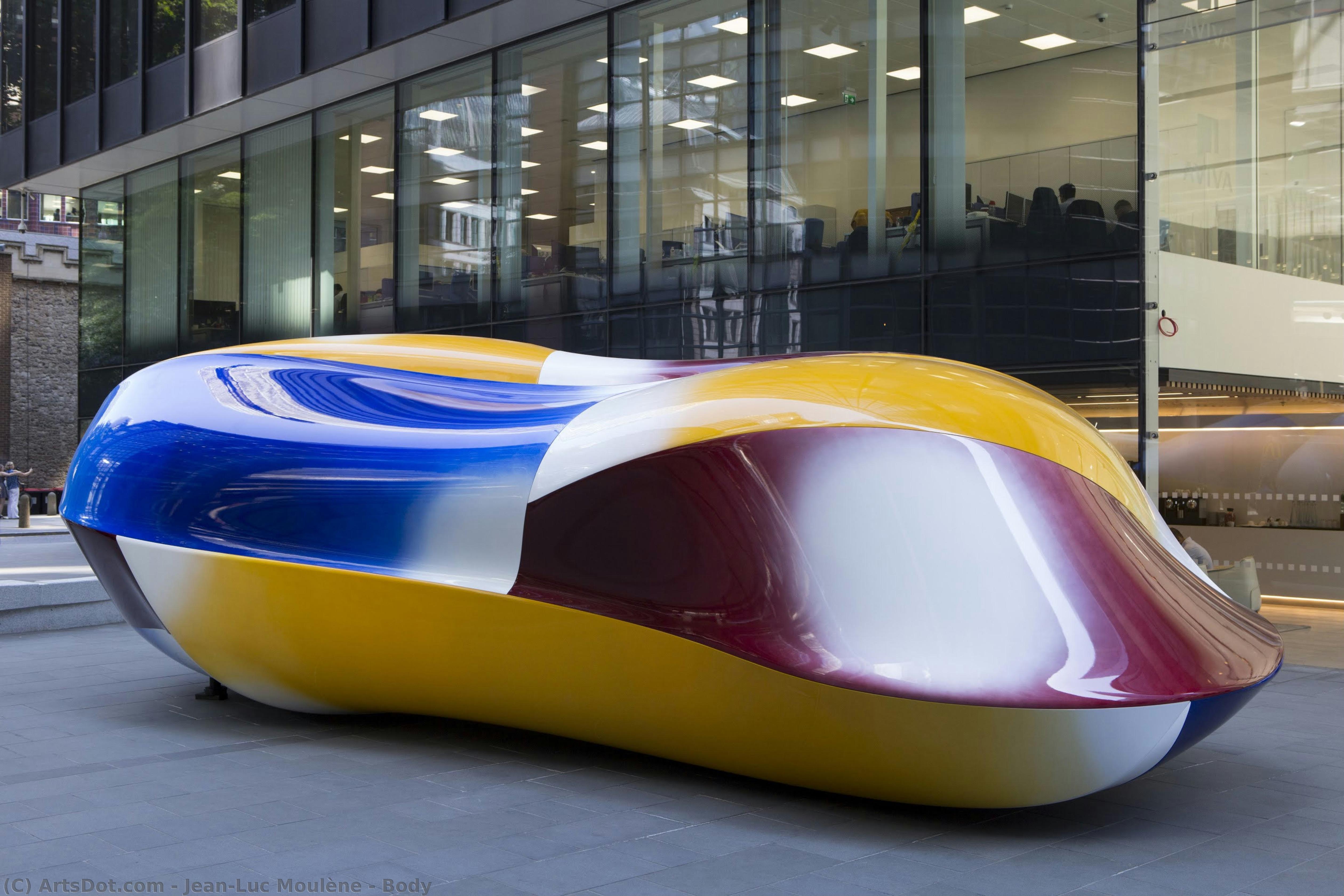
Body
複製技法
複製画のサイズ
-


合計金額
$ 263
The Poetry of Industrial Form
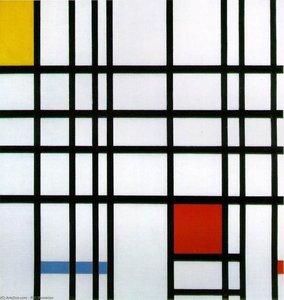
In the monumental work Body, Jean-Luc Moulène invites us to reconsider the very fabric of our urban existence. At first glance, one might perceive only the remnants of industrial production, yet beneath the surface lies a profound meditation on the automobile as a sculptural entity. Created in 2011, this expansive piece serves as a tribute to the often-overlooked silhouettes that populate our streets. Moulène masterfully captures the essence of the machine, treating the car not merely as a tool for mobility, but as a deliberate composition of curves, contours, and surfaces designed to evoke both reassurance and sensuality. The work functions as a bridge between the mechanical and the organic, where the rigid logic of the Renault Factory meets the fluid grace of artistic expression.
The sheer scale of the piece, measuring an impressive 25 enough by 850 cm, commands the space it inhabits, making it an unparalleled centerpiece for any sophisticated interior. The composition is a rhythmic dance of geometry and color; the object is meticulously comprised of twelve distinct sections, born from eleven randomly shaped cuts that disrupt the predictability of the form. This fragmentation allows the viewer to experience movement even in stillness. As the eye travels across the surface, it encounters gradations of the three primary colors—red, yellow, and blue—which gradually dissolve into a pristine white. This technique creates a luminous effect, where the vibrant pigments seem to breathe and pulse against the neutral void, sublimating the concept of motion into something visible and eternal.
A Symphony of Color and Structure
Technically, Body is a triumph of color theory and structural complexity. The artist utilizes the primary palette to ground the work in the fundamental building blocks of visual language, yet he avoids the rigidity often associated with such a scheme. Instead, through delicate transitions and fading tones, he achieves a sense of atmospheric depth. This interplay of light and pigment mimics the way sunlight hits a polished car chassis, reflecting the surrounding environment and blurring the lines between the object and its landscape. For the collector or interior designer, this piece offers a dynamic energy that can transform a room, providing a focal point that is simultaneously intellectually stimulating and aesthetically harmonious.
Beyond its visual splendor, the work carries a deep symbolic weight regarding our relationship with technology and progress. By exaggerating the proportions of these industrial forms, Moulène elevates the mundane to the level of high art. He challenges us to find beauty in the systematic and the manufactured, suggesting that even within the structured world of industrial design, there is room for the sublime. To possess a reproduction of Body is to bring into one's home a celebration of modern movement—a piece that captures the fleeting moment of transit and freezes it into a permanent, breathtaking monument of color and form.
関連作品
![Sin Título, De La Serie Derrame [untitled, From The Series Spill] — Mónica Sartori](/media/artworks/images-thumb/59/23/5923378735a7b8afcfe783cf7c1da0d1.jpg)
アーティストの略歴
Kerry James Marshall: A Counter-Archive of Black Experience
Kerry James Marshall, born in Birmingham, Alabama on October 17, 1955, is a towering figure in contemporary American art. His career, spanning decades and encompassing painting, prints, and public installations, has fundamentally challenged conventional notions of representation within the Western artistic canon. More than simply depicting Black figures, Marshall constructs a “counter-archive,” as he himself terms it – a deliberate effort to reclaim agency and visibility for African Americans historically marginalized in art history. His work is deeply rooted in his upbringing in Los Angeles’s Watts neighborhood and informed by the profound social consciousness instilled during his childhood amidst the burgeoning Black Panther movement. This early exposure, coupled with mentorship from Charles White, a pivotal figure in American Social Realism, laid the groundwork for Marshall's distinctive approach to subject matter and artistic technique.Early Life and Artistic Foundations
Marshall’s formative years were spent navigating the complexities of urban Black life in Los Angeles. Growing up near the Watts riots of 1965 profoundly shaped his perspective, fostering a deep sense of social responsibility that would permeate his art. His father, a postal worker, instilled in him a respect for hard work and observation, while his grandmother, a woman deeply connected to Gullah traditions – a unique blend of African and European cultures found along the South Carolina coast – imparted invaluable knowledge of language, folklore, and storytelling. This rich cultural heritage became a cornerstone of Marshall’s artistic vocabulary. Crucially, he received early guidance from Charles White, whose emphasis on direct observation and figurative representation proved instrumental in shaping his own painting style. White's influence is evident in Marshall’s meticulous attention to detail and his commitment to portraying Black subjects with dignity and complexity.A Distinctive Style: Borrowing from the Past, Defining a Future
Marshall’s artistic language draws heavily on the traditions of European painting, particularly 16th-century Italian portraiture. He meticulously studied Old Master techniques – composition, perspective, lighting, and color palettes – not to replicate them, but to subvert them. By adopting these established conventions, Marshall exposes their inherent biases and limitations when applied to represent Black subjects. His figures are often posed in formal, classical arrangements, reminiscent of Renaissance portraits, yet they inhabit contemporary settings and engage in everyday activities. This juxtaposition creates a powerful tension between the past and present, highlighting the enduring legacy of racial inequality while simultaneously asserting the agency and humanity of his subjects. Marshall’s use of color is particularly striking; he employs rich, saturated hues – reds, blues, greens – to imbue his paintings with vitality and emotional resonance.- Composition: Often utilizes a single-point perspective, drawing the viewer into the scene and emphasizing the subject's presence.
- Color Palette: Bold and vibrant, reflecting both the beauty and complexity of Black culture.
- Subject Matter: Primarily focused on Black men engaged in various activities – working, playing, reading, contemplating – challenging stereotypical representations.
Major Works and Recognition
Marshall’s career has been marked by a series of significant exhibitions and commissions. His 1986 retrospective at the Art Institute of Chicago solidified his position as one of America's leading artists. Subsequent solo shows have appeared at institutions worldwide, including the Museum of Contemporary Art in Los Angeles, the Whitney Museum of American Art in New York, and the Royal Academy of Arts in London. In 2017, he was included on *Time* magazine’s annual list of the 100 most influential people globally, a testament to his profound impact on contemporary culture. Notable works include *The Shaw Group* (1986), a monumental painting depicting a group of Black men working in a construction site; *Pastimes* (1987), which captures a scene of leisure and camaraderie; and *Monumental Journey* (2015), a large-scale outdoor sculpture installed in Des Moines, Iowa.Legacy and Continuing Influence
Kerry James Marshall’s work continues to resonate deeply with audiences today. His commitment to representing Black subjects with dignity, complexity, and agency has paved the way for countless artists working across diverse mediums. He has not only challenged the historical exclusion of Black figures from the art world but also provided a powerful model for contemporary representation. His influence extends beyond painting, inspiring conversations about race, identity, and social justice. The retrospective *Kerry James Marshall: History of Painting* (2018) at the Metropolitan Museum of Art in New York further cemented his place as one of the most important artists of our time, demonstrating a profound understanding of art history while simultaneously forging a new path for future generations. His work remains a vital and urgent contribution to the ongoing dialogue about representation and social change.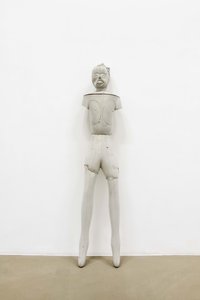
jean-luc moulène
1955 - , France
基本情報
- Artistic Movement Or Style: Narrative realism
- Artists Or Movements Influenced By This Artist: ['Social realism']
- Artists Who Influenced This Artist: ['Charles White']
- Date Of Birth: October 17, 1955
- Full Name: Kerry James Marshall
- Nationality: American
- Notable Artworks:
- Untitled (The Figure)
- Small Arches
- Pastimes
- History of Painting
- Place Of Birth: Birmingham, Alabama
関連記事
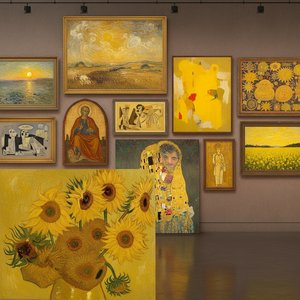
Golden Hues: 10 Masterpieces Dominated by Chrome Yellow | ArtsDot
Immerse yourself in golden light! Explore 10 famous paintings dominated by 'Chrome Yellow', from Van Gogh’s Sunflowers to Monet's Haystacks. Discover the stories behind these iconic Impressionist & Post-Impressionist masterpieces and find museum-quality art reproductions at ArtsDot.com.
Slate Blue Masterpieces: 10 Iconic Paintings & Timeless Home Decor Ideas
Immerse yourself in the captivating world of slate blue! Explore 10 iconic paintings by Monet, Van Gogh & Renoir. Discover their stories, techniques & find museum-quality art reproductions for your home at .
The Allure of Azure: Exploring the Symbolic & Aesthetic Depths of Blue in Art History
Explore the rich history of blue in art! Discover its symbolism, from ancient pigments to modern masterpieces by Kandinsky & Seurat. Uncover the psychological impact and cultural meanings behind this captivating hue.

The Golden Hue: Exploring Symbolism & Emotion in Yellow Art
Explore the rich symbolism & emotional power of yellow in art history! From Van Gogh to Kandinsky, discover how artists used this vibrant hue. Expert analysis & high-quality reproductions at ArtsDot.

Crimson Threads of Narrative: Exploring Symbolism & Representation in Artworks Featuring the Red Dress
Explore the rich symbolism of the red dress in art history! From ancient power displays to iconic portraits like Cézanne’s 'Madame Cezanne', discover the cultural and artistic significance behind this captivating color. Expert analysis & insights.