

 シェアする
シェアする シェアする
シェアする
 詳細を見る
詳細を見る

 ダウンロード
 似ている作品
 スライドショー
 Stats
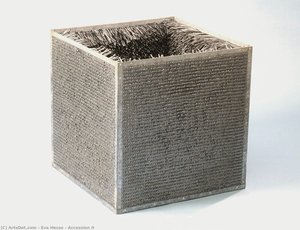
StatsInteraction avec marteau et clous


 詳細を見る
詳細を見る
オンラインプレビューをはるかに凌ぐ、高解像度で鮮明なデジタル画像をご購入いただけます。
各ファイルは、社内の専門家が高度なツールと熟練した手作業によるレタッチを用いて、細心の注意を払って準備されています。すべての画像において、卓越した鮮明度、正確な色彩再現性、そして繊細なディテールを保証いたします。
最終ファイルは、プロフェッショナルな編集・印刷環境ですぐにご利用いただけるよう最適化された状態で、72時間以内にメールにてお届けいたします。これは、一流のデザインスタジオ、出版社、ギャラリーから信頼されているものと同等の品質です。
デジタルアート
個人での鑑賞、印刷、クリエイティブなプロジェクト用に、高解像度ファイルをダウンロードできます。 ( Switch to Print 手描きの絵画を購入)
デジタル画像のご注文に付随する特典
高品質なデジタル画像配信を、確かな品質で。
ArtsDot.com を選ぶことは、単に画像を手に入れることではありません。それは、プロの手によって精密に仕上げられ、満足保証が付いた高品質なデジタルアートワークを受け取ることを意味します。ご注文いただいた際に自動的に付随する内容は、以下の通りです:

メールですぐにお届け
ご注文から72時間以内に、高解像度のデジタル画像ファイルがメールでお手元に届きます。すぐにそのままご利用いただけます。

AI技術で最適化されたデジタルファイル
お客様の作品は、高度なAIツールと専門家による手作業の編集を組み合わせてプロフェッショナルに最適化されており、細部のディテール、鮮明さ、そして正確な色再現性を最大限に引き出しています。

一生涯無料の再送サービス
ファイルを誤って削除したり、紛失してしまったりしましたか?ご安心ください。いつでも無料で再送いたします。

輸入手数料は一切かかりません
関税や手数料、配送料を気にすることなく、お気に入りのアートワークをすぐにお楽しみいただけます。デジタルダウンロードは常に免税です。

色彩再現の保証
プロ仕様のツールとカラーマネジメント技術を用いることで、デジタル画像が元の色を最大限に忠実に再現することを保証いたします。

100日間満足保証
ご購入いただいたデジタル画像にご満足いただけない場合は、100日以内であれば、理由を問わず修正または100%の返金対応をさせていただきます。

100% 返金保証
ご満足いただけない場合は、デジタルファイルを受け取ってから100日以内であれば、理由を問わず全額返金いたします。

まとめ買い割引
3枚購入で10%OFF - 5枚購入で15%OFF - 10枚以上購入で20%OFF。クリエイティブなプロジェクト、ギャラリー、エージェンシーに最適です。
The Poetics of Materiality: Encountering Jean-Luc Vilmouth
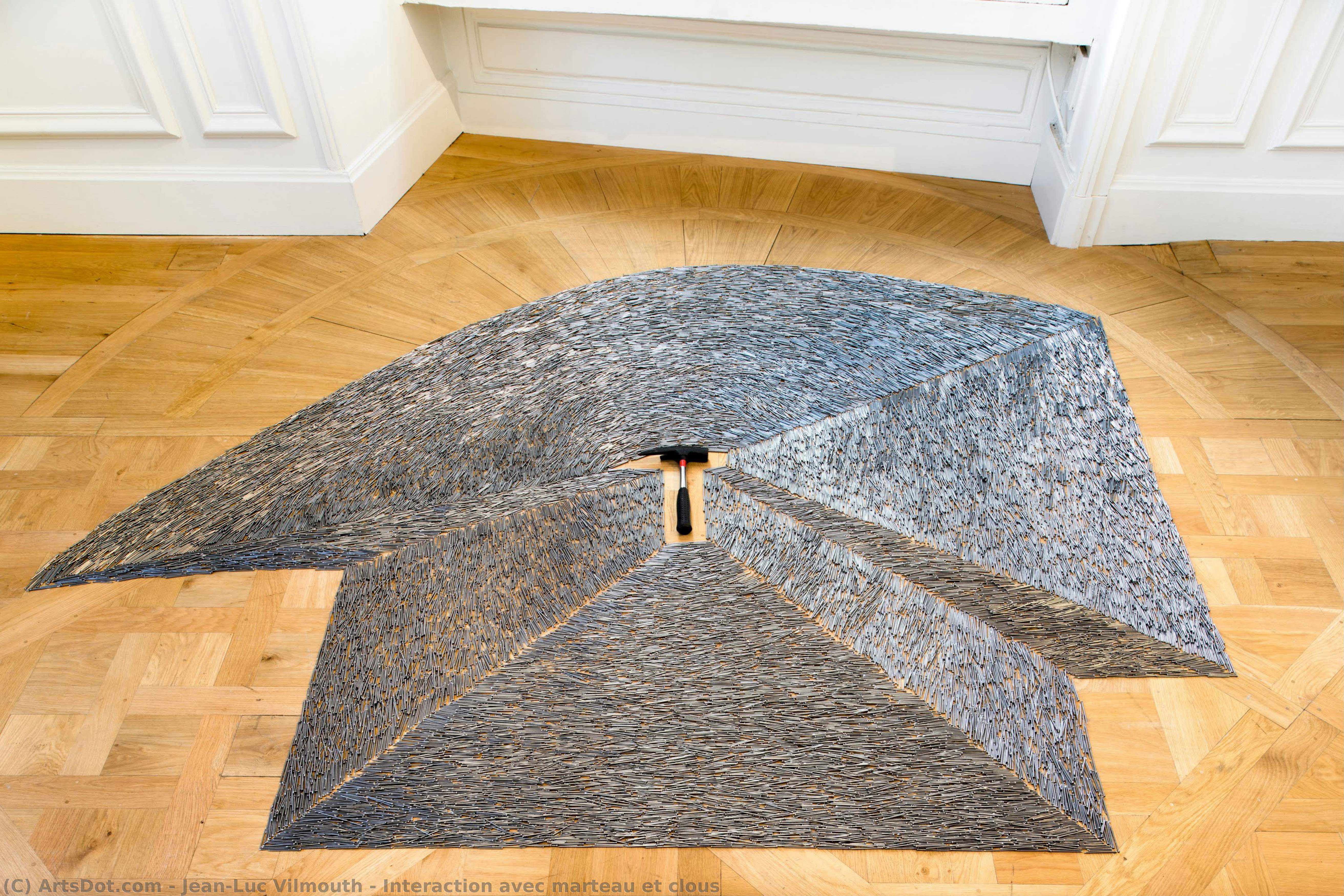
In the quiet dialogue between object and observer, Interaction avec marteau et clous stands as a profound testament to the sculptural philosophy of Jean-Luc Vilmouth. Created in 1980, this evocative work invites us into a realm where the boundaries between art and the everyday are intentionally blurred. At first glance, the piece presents a tactile assembly of wood, stone, and metal—a composition that feels less like a static monument and more like a captured moment of physical engagement. The presence of a metal element with a singular aperture, surrounded by scattered fragments of wood, suggests a narrative of construction, destruction, and the rhythmic traces left by human tools. It is an invitation to pause and contemplate the subtle beauty found in the remnants of labor and the raw textures of our physical environment.
Vilmouth, a master of what can be described as sculptural intervention, does not seek to overwhelm the viewer with grandiosity. Instead, his technique relies on the delicate augmentation of the familiar. In this work, the artist utilizes a minimalist vocabulary to explore the tension between different materials. The cold, unyielding nature of metal meets the organic, weathered grain of wood, creating a sensory experience that is both grounded and ethereal. This interplay of textures—the smoothness of stone against the ruggedness of timber—serves to heighten our awareness of the physical world. For the collector or interior designer, this piece offers a sophisticated layer of depth, acting as a focal point that rewards close inspection with its intricate details and complex material relationships.
A Legacy of Perception and Presence
To understand the emotional resonance of Interaction avec marteau et clous, one must look to the historical currents that shaped Vilmouth’s vision. Emerging from the influence of Minimalism and Conceptual Art, the artist’s work is deeply rooted in the desire to challenge how we perceive our surroundings. By utilizing elements like hammers and nails—implied through the title and the physical arrangement—he evokes the very essence of creation itself. There is a profound symbolism in this "interaction"; it speaks to the human impulse to leave a mark, to build, and to transform. The artwork does not merely represent an action; it embodies the aftermath of one, leaving the viewer to reconstruct the story of the strike and the nail within their own mind.
Integrating such a piece into a curated space brings with it an atmosphere of contemplative stillness. It is an ideal acquisition for those who appreciate art that functions as a window into deeper philosophical inquiries. Whether placed in a contemporary gallery setting or a refined residential interior, the work commands attention through its understated power. A high-quality reproduction of this masterpiece allows the subtle nuances of Vilmouth’s textures and the evocative shadows of his composition to be experienced daily, offering a constant source of inspiration and a sophisticated reminder of the profound beauty hidden within the most mundane intersections of life.
関連作品


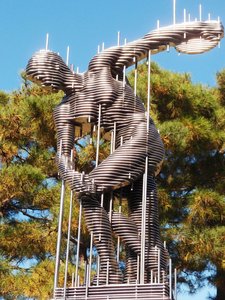
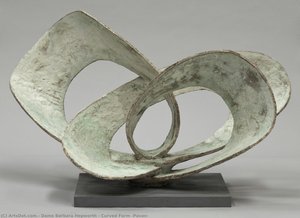
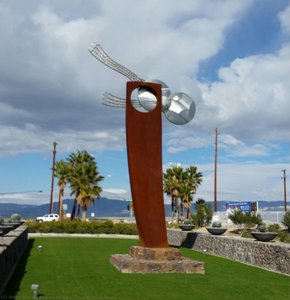
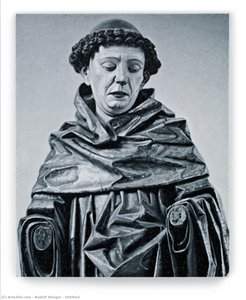
作家の略歴
The Art of Augmentation: The Visionary World of Jean-Luc Vilmouth
In the quiet intersection where the mundane meets the monumental, the work of Jean-Luc Vilmouth resides. Born in 1952 in Creutzwald, France, Vilmouth did not seek to shatter the world through radical destruction or overwhelming spectacle; instead, he practiced what he called augmentateur—the art of augmenting. His creative journey was a lifelong pursuit of finding the hidden potential within the everyday, a mission to supplement the existing reality with new layers of meaning, memory, and social significance. To encounter a Vilmouth piece is to experience a subtle shift in perception, where a simple object is no longer just an item of utility but a vessel for contemplating our place within the environment.
Vilmouth’s artistic DNA was forged through a rich tapestry of European influences. After honing his foundational skills at the Fine Arts School in Metz, his trajectory was profoundly altered by his time in England during the 1970s. Immersed in the vibrant energy of the New English Sculpture movement, he drew inspiration from masters such as Tony Cragg and Bill Woodrow. From them, he inherited a fascination with Minimalism and Conceptual Art, yet he departed from pure formalism to focus on the soul of the object. He believed that every item—be it a block of wood, a metal sheet, or a textile—carged within it a history of design and social evolution. His work became a dialogue between the physical presence of these materials and the invisible threads of human history they represent.
A Sculptural Dialogue with the Everyday
The essence of Vilmouth’s practice lay in his ability to reinterpret the quotidien. He did not aim for dramatic metamorphosis; rather, he sought to amplify the inherent qualities of his subjects. Through a technique of diversion and scaling, he would manipulate objects to challenge our relationship with them. His installations often functioned as interventions in space, where the boundaries between architecture, nature, and human habitation began to blur. Whether through sculpture, photography, drawing, or video, Vilmouth’s work acted as a mirror to the world's malfunctions and beauties alike, inviting the viewer to step forward not merely as an observer, but as an active participant in the unfolding narrative.
His later career saw him expanding his reach far beyond the galleries of Paris. His explorations took him through Asia, North and South America, and deep into the Amazon, experiences that enriched his understanding of the link between habitat and its occupants. This global perspective manifested in works that bridged the gap between the natural landscape and man-made structures. Notable achievements include:
- Public Interventions: His ability to transform public spaces, turning urban environments into sites of contemplation and community engagement.
- Institutional Recognition: Significant exhibitions at prestigious venues such as the Centre Pompidou in Paris, the Musée d’Art moderne de la ville de Paris, and the Institute of Contemporary Arts in London.
- Global Presence: Participation in landmark international events including the Venice and Sydney Biennials, as well as Documenta.
- Ecological Connection: Projects like the "Honey Towers," which explored the symbiotic relationship between human architecture and bee communities, highlighting his deep concern for the environment.
Legacy of a Transcendent Observer
Though Jean-Luc Vilmouth passed away in 2015 in Taipei, his artistic legacy remains a vital part of contemporary sculptural discourse. He left behind a body of work that continues to question the stability of our surroundings. By focusing on the "nuclei" of experience—the small, essential points of contact between humans and their world—he taught us to look closer at the objects we often overlook. His significance lies in his refusal to ignore the beauty of the ordinary, proving that through subtle refinement and conceptual depth, even the most commonplace element can be elevated to a state of profound grace.
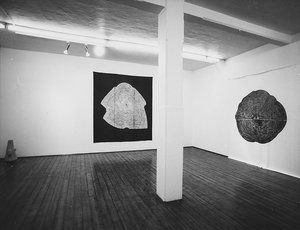
Jean-Luc Vilmouth
1952 - 2015 , France
プロフィール概要
- Artistic Movement Or Style: Minimalism & Conceptual Art
- Artists Or Movements Influenced By This Artist: ['Contemporary Sculpture']
- Artists Who Influenced This Artist:
- Tony Cragg
- Bill Woodrow
- Date Of Birth: March 5, 1952
- Date Of Death: December 19, 2015
- Full Name: Jean-Luc Vilmouth
- Nationality: French
- Notable Artworks:
- Reclining Youth
- Sleep
- A Musical Party
- Place Of Birth: Creutzwald, France