

 シェアする
シェアする シェアする
シェアする
 詳細を見る
詳細を見る

 ダウンロード
 似ている作品
 スライドショー
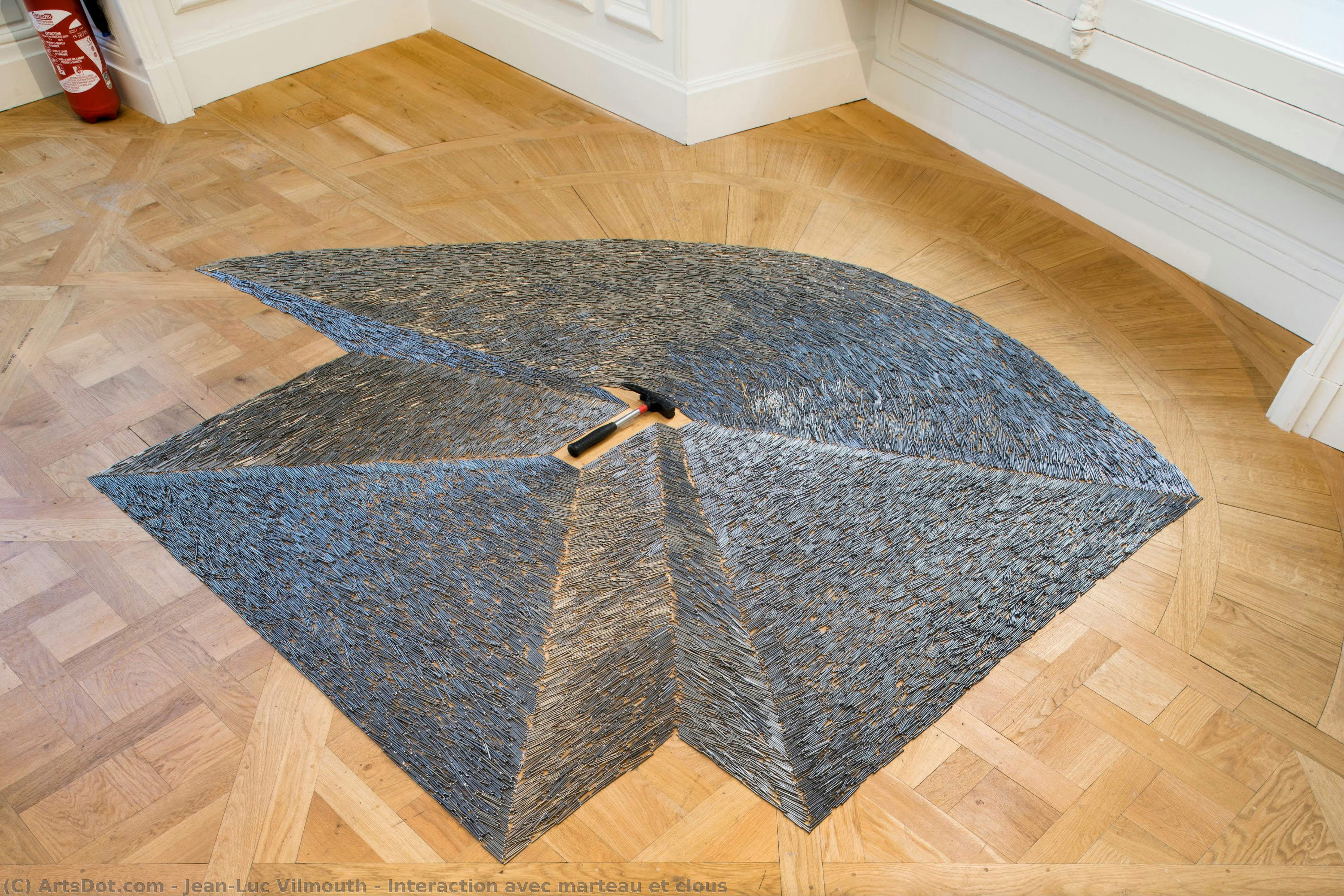
Interaction avec marteau et clous


 詳細を見る
詳細を見る
ジークレー/アートプリント
迅速な制作と多彩な仕上げオプションを備えた、ミュージアムクオリティのジークレーまたはキャンバスプリント。 ( 手描きの絵画を購入 画像を購入)




































作品のオリジナル比率に合わせた、当店の規定サイズからお選びください。

特定のフレームやスペースに合わせて、ご自身でサイズを指定することも可能です。選択されたサイズが元の画像の比率と一致しない場合、作品をトリミングするか、鏡面反射または単色での塗りつぶしによって画像を拡張いたします。制作を開始する前に、ご確認用のデジタルモックアップをお送りいたします。
画面上のプレビューには、実際のトリミングや拡張は反映されませんのでご注意ください。最終的な構図を正確に確認できるのは、モックアップのみとなります。
カスタムサイズも承っておりますが、元の比率を維持するためには、あらかじめ用意されたリストからサイズを選択することをお勧めいたします。


 ガラスオプションは、110cm未満のサイズでのみご利用いただけます。

Interaction avec marteau et clous
ジークレー/アートプリント
複製画のサイズ
-


合計金額
$ 62
The Alchemy of the Ordinary: Encountering Vilmouth’s Metal Vision
In the quiet intersection where industrial grit meets poetic contemplation, Jean-Luc Vilmouth’s 1980 masterpiece, Interaction avec marutteau et clous, resides. This evocative work serves as a profound testament to the artist's ability to breathe life into the discarded and the mundane. At first glance, the viewer is confronted by a striking sculptural form—a metal umbrella, seemingly forged from salvaged scrap, featuring a singular, intentional void at its center. The piece does not merely sit upon its wooden stage; it engages in a silent dialogue with the floor beneath it, creating a tension between the cold, unyielding nature of the metal and the organic warmth of the timber. It is an invitation to look closer, to find the extraordinary within the wreckage of the everyday.
The technique employed by Vilmouth reflects a deep-seated connection to the principles of Minimalism and Conceptual Art. Rather than imposing a heavy-handed transformation upon his materials, he practices what can be described as a subtle augmentation. The texture of the metal, marked by the traces of its previous existence, tells a story of utility and decay, while the deliberate puncture in the umbrella’s canopy acts as a focal point for light and shadow. This interplay of negative space and solid mass creates a rhythmic visual experience, drawing the eye into the heart of the object. For the collector or interior designer, this piece offers a sophisticated textural element that brings a sense of intellectual depth and structural intrigue to any curated space.
A Legacy of Perceptual Transformation
To understand the emotional resonance of Interaction avec marteau et clous, one must look toward the historical context of late 20th-century French sculpture. Emerging from his training at the Metz Fine Arts School, Vilmouth was deeply influenced by the burgeoning movements of the 1970s, which sought to challenge the boundaries between art and life. His work does not demand awe through scale, but rather through a quiet, persistent questioning of our relationship with the environment. The title itself—suggesting an interaction involving a hammer and nails—hints at a process of construction and intervention, reminding us that our perception of reality is often shaped by the tools and actions we use to navigate it.
For those seeking to integrate fine art into a contemporary interior, a high-quality reproduction of this work offers more than mere decoration; it provides a conversational centerpiece. The piece embodies a rugged elegance that complements both minimalist modernism and industrial chic aesthetics. It evokes a sense of nostalgia for the tactile world while remaining firmly rooted in the avant-garde tradition. By bringing this sculpture into a home or gallery, one invites the spirit of Vilmouth’s philosophy: the belief that beauty is not something to be manufactured, but something to be rediscovered through a more mindful way of seeing.
関連作品
アーティストの略歴
The Art of Augmentation: The Visionary World of Jean-Luc Vilmouth
In the quiet intersection where the mundane meets the monumental, the work of Jean-Luc Vilmouth resides. Born in 1952 in Creutzwald, France, Vilmouth did not seek to shatter the world through radical destruction or overwhelming spectacle; instead, he practiced what he called augmentateur—the art of augmenting. His creative journey was a lifelong pursuit of finding the hidden potential within the everyday, a mission to supplement the existing reality with new layers of meaning, memory, and social significance. To encounter a Vilmouth piece is to experience a subtle shift in perception, where a simple object is no longer just an item of utility but a vessel for contemplating our place within the environment.
Vilmouth’s artistic DNA was forged through a rich tapestry of European influences. After honing his foundational skills at the Fine Arts School in Metz, his trajectory was profoundly altered by his time in England during the 1970s. Immersed in the vibrant energy of the New English Sculpture movement, he drew inspiration from masters such as Tony Cragg and Bill Woodrow. From them, he inherited a fascination with Minimalism and Conceptual Art, yet he departed from pure formalism to focus on the soul of the object. He believed that every item—be it a block of wood, a metal sheet, or a textile—carged within it a history of design and social evolution. His work became a dialogue between the physical presence of these materials and the invisible threads of human history they represent.
A Sculptural Dialogue with the Everyday
The essence of Vilmouth’s practice lay in his ability to reinterpret the quotidien. He did not aim for dramatic metamorphosis; rather, he sought to amplify the inherent qualities of his subjects. Through a technique of diversion and scaling, he would manipulate objects to challenge our relationship with them. His installations often functioned as interventions in space, where the boundaries between architecture, nature, and human habitation began to blur. Whether through sculpture, photography, drawing, or video, Vilmouth’s work acted as a mirror to the world's malfunctions and beauties alike, inviting the viewer to step forward not merely as an observer, but as an active participant in the unfolding narrative.
His later career saw him expanding his reach far beyond the galleries of Paris. His explorations took him through Asia, North and South America, and deep into the Amazon, experiences that enriched his understanding of the link between habitat and its occupants. This global perspective manifested in works that bridged the gap between the natural landscape and man-made structures. Notable achievements include:
- Public Interventions: His ability to transform public spaces, turning urban environments into sites of contemplation and community engagement.
- Institutional Recognition: Significant exhibitions at prestigious venues such as the Centre Pompidou in Paris, the Musée d’Art moderne de la ville de Paris, and the Institute of Contemporary Arts in London.
- Global Presence: Participation in landmark international events including the Venice and Sydney Biennials, as well as Documenta.
- Ecological Connection: Projects like the "Honey Towers," which explored the symbiotic relationship between human architecture and bee communities, highlighting his deep concern for the environment.
Legacy of a Transcendent Observer
Though Jean-Luc Vilmouth passed away in 2015 in Taipei, his artistic legacy remains a vital part of contemporary sculptural discourse. He left behind a body of work that continues to question the stability of our surroundings. By focusing on the "nuclei" of experience—the small, essential points of contact between humans and their world—he taught us to look closer at the objects we often overlook. His significance lies in his refusal to ignore the beauty of the ordinary, proving that through subtle refinement and conceptual depth, even the most commonplace element can be elevated to a state of profound grace.
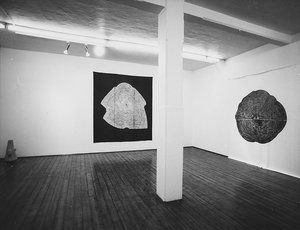
Jean-Luc Vilmouth
1952 - 2015 , France
基本情報
- Artistic Movement Or Style: Minimalism & Conceptual Art
- Artists Or Movements Influenced By This Artist: ['Contemporary Sculpture']
- Artists Who Influenced This Artist:
- Tony Cragg
- Bill Woodrow
- Date Of Birth: March 5, 1952
- Date Of Death: December 19, 2015
- Full Name: Jean-Luc Vilmouth
- Nationality: French
- Notable Artworks:
- Reclining Youth
- Sleep
- A Musical Party
- Place Of Birth: Creutzwald, France
関連記事

Bronze Sculptures That Defined Art History | ArtsDot
Journey through art history with our Top 10 bronze sculptures! Explore masterpieces by Rodin, Michelangelo & more. Discover stories behind iconic statues and find museum-quality reproductions for your home decor at ArtsDot.com.

The Enduring Form: Sculpture Across History, Technique & Emotional Resonance
Explore the rich history of sculpture with ArtsDot. Discover key techniques, influential artists & investment potential for discerning collectors. Expert insights into valuing and collecting timeless masterpieces.

The Enduring Form: Exploring Themes & Techniques in Sculpture Across Historical Periods
Explore the rich history of sculpture from ancient masterpieces to contemporary innovations. Discover key techniques, influential artists & investment potential for discerning art collectors.
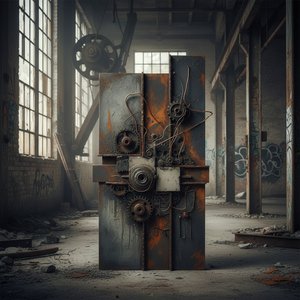
The Gritty Muse: Industrial Vibe as Defining Aesthetic in Modern Artwork
Explore the captivating world of industrial aesthetics in modern art. Discover key movements, influential artists & collecting insights at ArtsDot.com – your source for museum-quality reproductions and expert art guidance.

Bronze Age to Modern Masters: 10 Sculptures That Redefined Art | ArtsDot
Journey through art history with 10 legendary bronze sculptures – from Michelangelo's David to Rodin’s Thinker. Explore the stories, techniques & timeless beauty of these masterpieces. Find museum-quality reproductions & elevate your home decor on ArtsDot.com.