

 プレビュー
プレビュー
 プリントを購入
 シェアする
シェアする シェアする
シェアする
 詳細を見る
詳細を見る

 ダウンロード
 似ている作品
 X線調査
X線調査 スライドショー
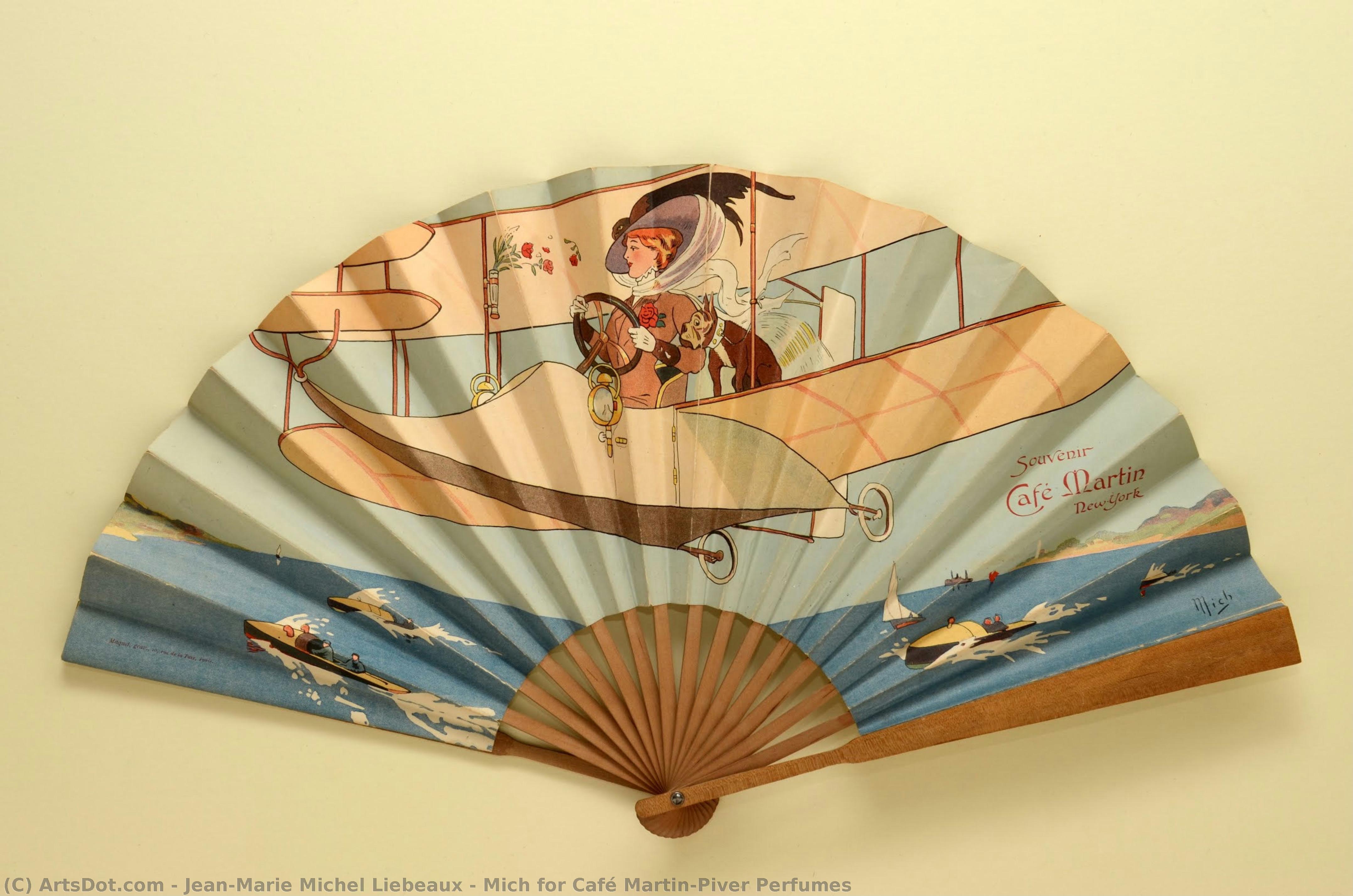
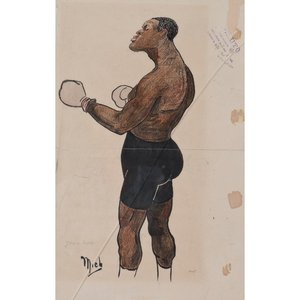
Mich for Café Martin/Piver Perfumes


 詳細を見る
詳細を見る




































作品のオリジナル比率に合わせた、当店の規定サイズからお選びください。

特定のフレームやスペースに合わせて、ご希望のサイズをご入力いただけます。選択されたサイズが元の画像の比率と異なる場合、アートワークをトリミングするか、手描きで要素を追加して絵画を拡張いたします。デジタルモックアップ を制作し、制作開始前にご確認(承認)をいただきます。
画面上のプレビューは、実際のトリミングや拡張を正確に反映しているものではありません。最終的な構図は、モックアップによってのみ正確にご確認いただけます。
カスタムサイズもご利用いただけますが、元の比率を維持するためには、あらかじめ用意されたリストからサイズを選択することをお勧めいたします。
ご注文後、ArtsDot.com チームより詳細な指示をお送りするとともに、仕上がりイメージ(モックアップ)をご提供いたします。


 ガラスオプションは、110cm未満のサイズでのみご利用いただけます。

Mich for Café Martin/Piver Perfumes
複製技法
複製画のサイズ
-


合計金額
$ 263
関連作品
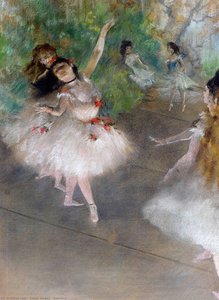
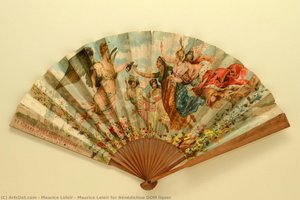
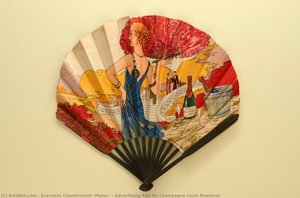

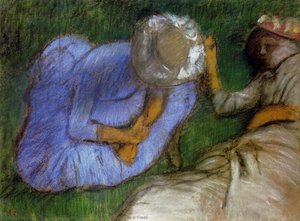
アーティストの略歴
Pablo Picasso: A Revolutionary Soul
Pablo Ruiz Picasso, a name synonymous with artistic innovation and boundless creativity, remains one of the most recognizable and influential figures in the history of art. Born on October 25, 1881, in Málaga, Spain, into a family deeply rooted in the world of art – his father, José Ruiz y Blasco, was a respected drawing teacher and museum curator – Picasso’s journey was one of constant evolution, marked by experimentation, profound personal experiences, and an unwavering commitment to pushing the boundaries of artistic expression. From humble beginnings, he would transform into a global icon, leaving behind a legacy that continues to inspire and challenge artists today.
Picasso's early life in Málaga was profoundly shaped by his father’s influence. José instilled in him a love for art and technique, encouraging young Pablo to draw from an incredibly early age. The family’s frequent visits to the city’s museum exposed Picasso to a vast array of artistic styles – from classical sculptures to works by Spanish masters like Velázquez and Goya – fueling his burgeoning imagination. However, it was Picasso's sister, Concepción ("Conchita"), who tragically died at the age of seven due to diphtheria, an event that deeply affected him and is believed to have profoundly influenced the somber tones of his early “Blue Period.” This loss became a recurring motif in his work, symbolizing grief and isolation.
The Blue and Rose Periods: Early Artistic Explorations
Picasso’s artistic development can be broadly categorized into distinct periods, each reflecting a particular mood, style, and subject matter. The “Blue Period,” spanning roughly from 1901 to 1904, is characterized by melancholic themes of poverty, loneliness, and despair. Works like "The Old Guitarist" (1903) exemplify this era, utilizing predominantly blue hues to evoke a sense of profound sadness and isolation. The elongated figures, often depicting beggars, prostitutes, and the downtrodden, are rendered with a raw emotional intensity.
Following the Blue Period came the “Rose Period,” from 1904 to 1906. This shift was largely influenced by Picasso’s move to Paris and his relationship with Fernande Olivier. The palette shifted towards warmer tones – pinks, oranges, and reds – reflecting a newfound optimism and interest in circus performers, harlequins, and acrobats. “Family of Saltimbanques” (1905) is a quintessential example of this period, capturing the vibrant energy and theatricality of the traveling circus world.
Cubism: A Revolutionary Shift
The early 20th century witnessed a seismic shift in artistic thinking, largely spearheaded by Picasso and Georges Braque. Together, they pioneered Cubism – a revolutionary style that shattered traditional notions of representation. Rejecting single-point perspective and the illusion of depth, Cubism fragmented objects into geometric forms, presenting multiple viewpoints simultaneously on a single canvas. This radical approach challenged viewers to actively engage with the artwork and reconstruct its meaning.
Analytical Cubism (1908–12) involved breaking down subjects into their basic components – often reducing them to monochromatic shades of gray, brown, and black – while Synthetic Cubism (1912–14) reintroduced color and incorporated elements like newspaper clippings and fabric into the composition. “Les Demoiselles d’Avignon” (1907), considered a foundational work of Cubism, is particularly groundbreaking in its distorted figures, angular forms, and influence from African masks and Iberian sculpture. It signaled a decisive break with traditional Western art and paved the way for further experimentation.
Beyond Cubism: A Lifetime of Innovation
While Cubism remains Picasso’s most celebrated contribution, his artistic output spanned an extraordinary range of styles and mediums throughout his long career. He explored Surrealism, Neoclassicism, Expressionism, and numerous other approaches, constantly reinventing himself as an artist. His work during World War II reflected the horrors of conflict, culminating in the monumental anti-war painting “Guernica” (1937), a searing indictment of violence and suffering.
Picasso’s later years were marked by continued productivity and experimentation with ceramics, sculpture, and printmaking. He remained remarkably active until his death on April 8, 1973, in Mougins, France, at the age of 91. His legacy is immense – over 50,000 paintings, prints, drawings, sculptures, and ceramics attest to a lifetime dedicated to artistic exploration. Picasso’s influence on modern art is undeniable, and his work continues to captivate and inspire audiences worldwide.
Picasso's Legacy
Pablo Picasso’s impact extends far beyond the realm of painting. He fundamentally altered our understanding of what art could be – a dynamic, multi-faceted expression capable of conveying complex emotions, challenging conventions, and reflecting the realities of the world around us. His innovative techniques, his fearless experimentation, and his profound empathy have cemented his place as one of the most important artists of all time. His work remains a testament to the power of creativity and the enduring spirit of artistic revolution.
jean-marie michel liebeaux
1881 - 1923 , France
基本情報
- Artistic Movement Or Style: Cubism, Surrealism
- Artists Or Movements Influenced By This Artist: ['Fernande Olivier']
- Artists Who Influenced This Artist: ['Georges Braque']
- Date Of Birth: October 25, 1881
- Date Of Death: April 8, 1973
- Full Name: Pablo Diego José Francisco de Paula Juan Nepomuceno María de los Remedios Cipriano de la Santísima Trinidad Ruiz y Picasso
- Nationality: Spanish
- Notable Artworks:
- Guernica
- Les Demoiselles d’Avignon
- The Weeping Woman
- Girl Before a Mirror
- Place Of Birth: Málaga, Spain

