

 プレビュー
プレビュー
 プリントを購入
 シェアする
シェアする シェアする
シェアする
 詳細を見る
詳細を見る

 ダウンロード
 似ている作品
 X線調査
X線調査 スライドショー
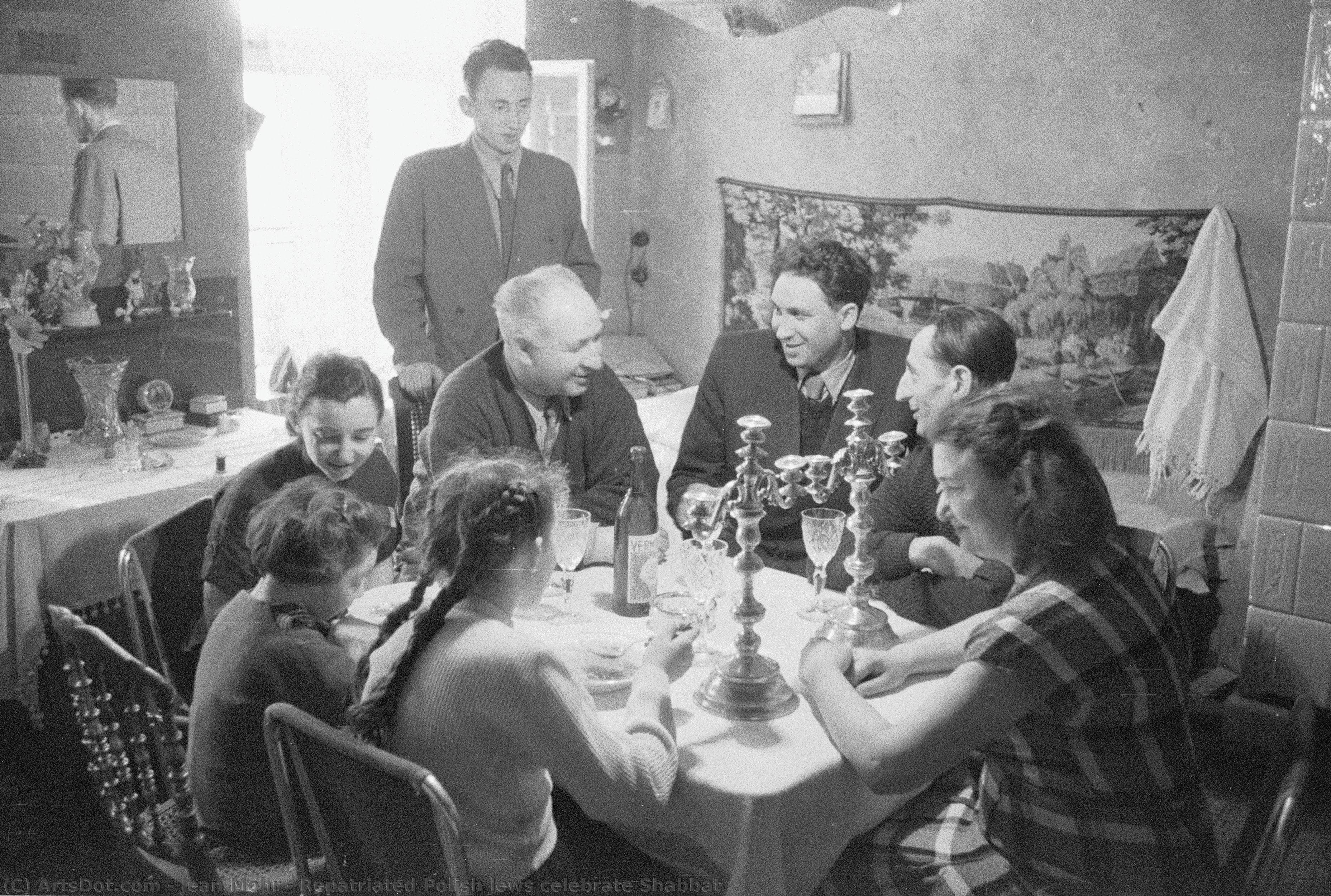
Repatriated Polish Jews celebrate Shabbat


 詳細を見る
詳細を見る
オンラインプレビューをはるかに凌ぐ、高解像度で鮮明なデジタル画像をご購入いただけます。
各ファイルは、社内の専門家が高度なツールと熟練した手作業によるレタッチを用いて、細心の注意を払って準備されています。すべての画像において、卓越した鮮明度、正確な色彩再現性、そして繊細なディテールを保証いたします。
最終ファイルは、プロフェッショナルな編集・印刷環境ですぐにご利用いただけるよう最適化された状態で、72時間以内にメールにてお届けいたします。これは、一流のデザインスタジオ、出版社、ギャラリーから信頼されているものと同等の品質です。
デジタル画像のご注文に付随する特典
高品質なデジタル画像配信を、確かな品質で。
ArtsDot.com を選ぶことは、単に画像を手に入れることではありません。それは、プロの手によって精密に仕上げられ、満足保証が付いた高品質なデジタルアートワークを受け取ることを意味します。ご注文いただいた際に自動的に付随する内容は、以下の通りです:

メールですぐにお届け
ご注文から72時間以内に、高解像度のデジタル画像ファイルがメールでお手元に届きます。すぐにそのままご利用いただけます。

AI技術で最適化されたデジタルファイル
お客様の作品は、高度なAIツールと専門家による手作業の編集を組み合わせてプロフェッショナルに最適化されており、細部のディテール、鮮明さ、そして正確な色再現性を最大限に引き出しています。

一生涯無料の再送サービス
ファイルを誤って削除したり、紛失してしまったりしましたか?ご安心ください。いつでも無料で再送いたします。

輸入手数料は一切かかりません
関税や手数料、配送料を気にすることなく、お気に入りのアートワークをすぐにお楽しみいただけます。デジタルダウンロードは常に免税です。

色彩再現の保証
プロ仕様のツールとカラーマネジメント技術を用いることで、デジタル画像が元の色を最大限に忠実に再現することを保証いたします。

100日間満足保証
ご購入いただいたデジタル画像にご満足いただけない場合は、100日以内であれば、修正または100%の返金(理由を問う必要はありません)をさせていただきます。

100% 返金保証
ご満足いただけない場合は、デジタルファイルを受け取ってから100日以内であれば、理由を問わず全額返金いたします。

まとめ買い割引
3枚購入で10%OFF - 5枚購入で15%OFF - 10枚以上購入で20%OFF。クリエイティブなプロジェクト、ギャラリー、エージェンシーに最適です。
関連作品








作家の略歴
Jean Mohr: A Lifelong Witness to Humanity’s Crises
Jean Mohr (13 September 1925 in Geneva, Switzerland – 3 November 2018 in Collonge-Bellerive) stands as a profoundly significant figure in the history of documentary photography. His career, spanning nearly eight decades, wasn't defined by stylistic trends or fleeting fashions but rather by an unwavering commitment to bearing witness to some of humanity’s most challenging moments – refugee crises, displacement, and the enduring struggles of Palestinian communities. Born into a family deeply affected by the rise of Nazism, Mohr’s early life instilled in him a profound respect for human dignity and a keen awareness of social injustice. This formative experience would shape his artistic trajectory, leading him to dedicate his lens to documenting those marginalized and displaced by conflict and political upheaval. He initially pursued studies in economics at Geneva University, recognizing the importance of understanding the broader societal forces that contribute to humanitarian crises, before transitioning to painting at the Académie Julian in Paris, a period that honed his observational skills and appreciation for visual storytelling. It was in 1949, however, that Mohr truly found his purpose – joining the United Nations High Commission for Refugees (UNHCR) and embarking on a career that would ultimately define his legacy.Early Career & Collaboration with John Berger
Mohr’s early work with UNHCR provided him with invaluable access to some of the world's most vulnerable populations, particularly Palestinian refugees. His initial assignments in 1949 documented the immediate aftermath of the Arab-Israeli War and the subsequent displacement of hundreds of thousands. This period established a pattern that would characterize much of his career: immersing himself within the communities he photographed, building trust over years, and capturing intimate portraits that transcended simple documentation. Crucially, Mohr’s work was often undertaken in collaboration with writer John Berger, beginning with their seminal 1967 book *A Seventh Man*. This partnership proved extraordinarily fruitful, resulting in six further volumes exploring themes of poverty, displacement, and the human condition. Berger's literary voice complemented Mohr’s photographic eye, creating a powerful synergy that elevated both artists’ work. Their collaborative projects weren’t merely photo essays; they were deeply researched investigations into social realities, employing a distinctive blend of text and image to challenge conventional narratives and foster empathy among readers. The meticulous detail evident in their books – from the careful selection of subjects to the evocative captions – reflects a shared commitment to ethical representation and a desire to give voice to those often silenced by history.Documenting Palestinian Life: A Fifty-Year Journey
Perhaps Mohr’s most enduring contribution lies in his decades-long project documenting Palestinian life, beginning with his first assignment for the International Committee of the Red Cross (ICRC) in 1949. This wasn't a fleeting engagement; it was a sustained commitment that spanned six decades and witnessed numerous conflicts – including the Six-Day War in 1967 and subsequent events. His photographs, often taken alongside his ICRC colleagues, offer an unparalleled glimpse into the daily realities of Palestinian refugees, capturing their resilience, dignity, and profound sense of loss. Mohr’s approach was remarkably consistent: he avoided sensationalism or exploitative imagery, instead focusing on portraying individuals and families within their own environments, allowing them to tell their own stories through their eyes. His images are characterized by a stark realism – often shot in black and white – that emphasizes the human cost of displacement and conflict. The resulting book *Side by Side or Face to Face* (2003), published in collaboration with the ICRC and the International Red Cross and Red Crescent Museum, stands as a monumental testament to this extraordinary undertaking, offering a poignant and deeply moving chronicle of Palestinian life over half a century.Technique & Style: A Voice of Quiet Observation
Mohr’s photographic style is remarkably understated yet profoundly effective. He eschewed elaborate staging or artificial lighting, preferring instead to capture his subjects in natural light, often using a Leica camera – a tool he considered essential for its portability and ability to produce sharp, intimate images. His compositions are typically unadorned, prioritizing clarity of focus and the emotional impact of each individual frame. He was a master of capturing fleeting moments of connection and vulnerability, revealing the humanity beneath layers of hardship. While his work is undeniably documentary in nature, it transcends mere reportage. Mohr’s photographs possess a quiet dignity and a profound sense of empathy that speaks to his deep understanding of the human condition. His ability to build trust with his subjects – often spending months or even years living alongside them – allowed him to capture authentic moments of everyday life, revealing the complexities and nuances of their experiences.Legacy & Continuing Relevance
Jean Mohr’s work remains remarkably relevant today, serving as a powerful reminder of the enduring consequences of conflict and displacement. His photographs are not simply historical records; they are deeply human stories that continue to resonate with audiences around the world. His commitment to ethical representation and his unwavering dedication to documenting marginalized communities have established him as a pioneering figure in documentary photography. The Musée de l'Élysée in Lausanne, Switzerland, houses his extensive photographic archives, ensuring that his work will be accessible for generations to come. Beyond his individual achievements, Mohr’s legacy lies in the profound impact he had on the field of documentary photography – demonstrating the power of images to foster empathy, challenge assumptions, and bear witness to the complexities of human experience. His photographs continue to inspire photographers and activists alike, reminding us of our shared responsibility to advocate for justice and compassion in a world often marked by conflict and suffering.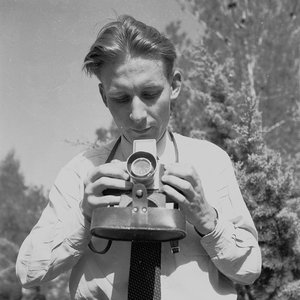
Jean Mohr
1925 - 2018 , Switzerland
プロフィール概要
- Artistic Movement Or Style: Documentary photography
- Artists Or Movements Influenced By This Artist: ['John Berger']
- Artists Who Influenced This Artist: ['Sebastião Salgado']
- Date Of Birth: September 13, 1925
- Date Of Death: November 3, 2018
- Full Name: Jean Mohr
- Nationality: Swiss
- Notable Artworks:
- In a Joint-supported home
- Repatriated Jewish children
- Place Of Birth: Geneva, Switzerland