

 プレビュー
プレビュー
 プリントを購入
 シェアする
シェアする シェアする
シェアする
 詳細を見る
詳細を見る

 ダウンロード
 似ている作品
 X線調査
X線調査 スライドショー
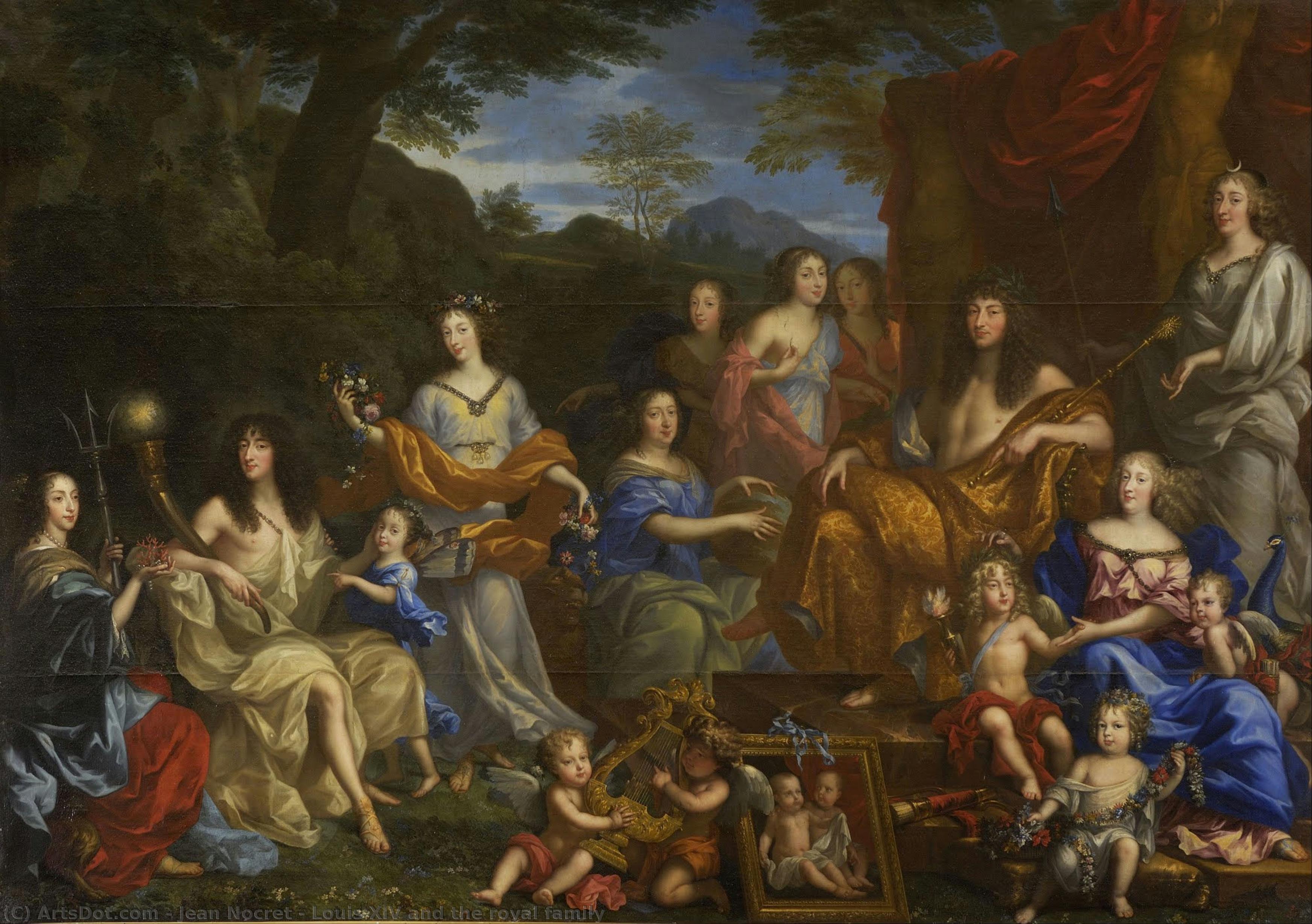
Louis XIV and the royal family
 Oil On Canvas
- WallArt
- Baroque
 1670
1670 420.0 x 305.0 cm
 ヴェルサイユ宮殿
 詳細を見る
詳細を見る
オンラインプレビューをはるかに凌ぐ、高解像度で鮮明なデジタル画像をご購入いただけます。
各ファイルは、社内の専門家が高度なツールと熟練した手作業によるレタッチを用いて、細心の注意を払って準備されています。すべての画像において、卓越した鮮明度、正確な色彩再現性、そして繊細なディテールを保証いたします。
最終ファイルは、プロフェッショナルな編集・印刷環境ですぐにご利用いただけるよう最適化された状態で、72時間以内にメールにてお届けいたします。これは、一流のデザインスタジオ、出版社、ギャラリーから信頼されているものと同等の品質です。
デジタル画像のご注文に付随する特典
高品質なデジタル画像配信を、確かな品質で。
ArtsDot.com を選ぶことは、単に画像を手に入れることではありません。それは、プロの手によって精密に仕上げられ、満足保証が付いた高品質なデジタルアートワークを受け取ることを意味します。ご注文いただいた際に自動的に付随する内容は、以下の通りです:

メールですぐにお届け
ご注文から72時間以内に、高解像度のデジタル画像ファイルがメールでお手元に届きます。すぐにそのままご利用いただけます。

AI技術で最適化されたデジタルファイル
お客様の作品は、高度なAIツールと専門家による手作業の編集を組み合わせてプロフェッショナルに最適化されており、細部のディテール、鮮明さ、そして正確な色再現性を最大限に引き出しています。

一生涯無料の再送サービス
ファイルを誤って削除したり、紛失してしまったりしましたか?ご安心ください。いつでも無料で再送いたします。

輸入手数料は一切かかりません
関税や手数料、配送料を気にすることなく、お気に入りのアートワークをすぐにお楽しみいただけます。デジタルダウンロードは常に免税です。

色彩再現の保証
プロ仕様のツールとカラーマネジメント技術を用いることで、デジタル画像が元の色を最大限に忠実に再現することを保証いたします。

60日間満足保証
ご購入いただいたデジタル画像にご満足いただけない場合は、60日以内であれば、修正または100%の返金(理由を問う必要はありません)をさせていただきます。

100% 返金保証
ご満足いただけない場合は、デジタルファイルを受け取ってから60日以内であれば、理由を問わず全額返金いたします。

まとめ買い割引
3枚購入で10%OFF - 5枚購入で15%OFF - 10枚以上購入で20%OFF。クリエイティブなプロジェクト、ギャラリー、エージェンシーに最適です。
A Grand Tapestry of Lineage and Power
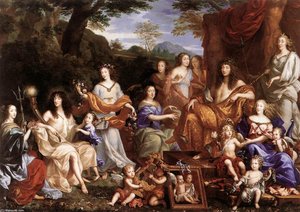
To stand before this monumental depiction of Louis XIV and his royal family is to be enveloped in an atmosphere of unparalleled grandeur. This painting is not merely a portrait; it is a meticulously constructed testament to absolute power, dynastic continuity, and the rigid elegance of the French court during the late Baroque period. The composition itself is breathtakingly dense, a veritable gathering of nobility where every figure seems placed with deliberate, symbolic weight. From the central couple, whose regal bearing anchors the entire scene, one can feel the palpable weight of expectation and inherited status. The sheer scale—420 x 305 cm—demands attention, commanding any room it graces with its rich narrative scope.
Baroque Drama in Oil and Canvas
Technically, the work is a masterclass in oil painting on canvas, executed with a meticulous hand that speaks to the highest levels of academic skill. The artist has employed dramatic lighting, characteristic of the Baroque style, allowing deep shadows to carve out the three-dimensionality of velvet draperies, polished jewels, and richly textured fabrics. Observe how the light catches the gold embroidery or illuminates the smooth planes of skin; these moments are triumphs of the painter's craft. While the background features a sweeping landscape—rolling hills and distant foliage that provide an airy counterpoint to the formality within—it functions more as a decorative stage set than a naturalistic vista. The overall effect is one of controlled spectacle, where every element, from the opulent clothing to the carefully arranged poses, contributes to the overarching narrative of status.
Symbolism of Courtly Life
The subject matter speaks volumes about ancien régime society. Lineage was everything; it was the currency of existence. The inclusion of numerous children and extended family members is a potent symbol of enduring bloodlines, suggesting not just survival, but flourishing power across generations. The symbolism embedded in the accessories—the jewels, the specific cuts of the garments, the very posture adopted by each member—all function as visual signifiers of rank and privilege. It invites the viewer to contemplate the delicate balance between personal identity and the overwhelming demands of public duty within an aristocratic framework.
An Echo of 17th-Century Majesty
Dating from around 1670, this piece captures a moment when royal authority was at its zenith. The formality is palpable; there is little room for spontaneous emotion, yet the richness of life depicted—the conversation among the children, the shared gaze between family members—suggests an underlying warmth beneath the polished veneer of duty. For those who appreciate historical depth and decorative art that speaks to monumental human achievement, this reproduction offers a profound connection to an era defined by absolute monarchy and unparalleled artistic patronage. It is a piece designed not just to be seen, but to be contemplated as a cultural artifact.
関連作品
作家の略歴
Salvator Rosa: A Rebel of the Italian Baroque
Salvator Rosa (1615 – 15 March 1673) stands as a singular and profoundly influential figure within the tumultuous landscape of 17th-century Italian art. More than simply a painter, he was a poet, satirist, actor, musician, and printmaker—a true Renaissance man whose life was as vibrant and unconventional as his artwork. Born in Arenella, near Naples, Rosa’s trajectory defied easy categorization, oscillating between the formal training of the Baroque and a fiercely independent spirit that ultimately defined his artistic legacy. His work, particularly his dramatic landscapes imbued with a sense of wildness and untamed nature, exerted an unexpected yet powerful influence on the burgeoning Romantic movement centuries later.Early Life and Artistic Training
Rosa’s early life was marked by instability and hardship. He received limited formal training, initially apprenticed to the painter Francesco Napione in Naples. However, it was his encounter with the established Neapolitan artist, Giuseppe Carafa, that proved pivotal. Carafa recognized Rosa's raw talent and encouraged him to embrace a more expressive and less rigidly academic approach. This mentorship fostered a distinctive style characterized by bold brushstrokes, dramatic lighting, and an intense emotionality—a departure from the polished elegance favored by many of his contemporaries. Rosa’s early works often depicted scenes of battle, mythological subjects, and portraits, reflecting the artistic trends of Naples at the time. Yet, even in these initial pieces, a rebellious streak began to emerge, foreshadowing his later rejection of conventional artistic norms.Rome: Scandal and Innovation
In 1639, Rosa moved to Rome, a city teeming with artistic competition and intellectual ferment. It was here that he truly established himself as a controversial figure. His satirical poems and prints, often sharply critical of the Papal court and its artists—particularly the celebrated Gian Lorenzo Bernini—earned him powerful enemies. Rosa’s outspokenness led to periods of exile and forced relocation throughout his career, yet it also fueled his artistic innovation. He sought out obscure and challenging subjects – forgotten biblical tales, esoteric philosophical concepts, and scenes of witchcraft – often rendering them with a visceral intensity that was both unsettling and captivating. His frescoes for the Palazzo Pamphili in Valmontone, depicting scenes from Virgil’s *Aeneid*, are prime examples of this approach: grand historical narratives presented through a lens of rugged wilderness and dramatic emotion.The Landscape as Revelation
Rosa's most enduring contribution to art lies in his revolutionary landscapes. Unlike the idealized, harmonious vistas championed by artists like Claude Lorrain, Rosa’s scenes were imbued with a sense of primal power and untamed beauty. He depicted towering cliffs, gnarled trees, stormy skies, and treacherous rivers—elements that evoked both awe and terror. These weren't picturesque views designed for tranquil contemplation; they were representations of nature in its rawest, most formidable state. Rosa’s landscapes anticipated the Romantic sensibility by prioritizing emotional response over rational observation, capturing a world where humanity was dwarfed by the overwhelming forces of nature. His work challenged the established conventions of landscape painting and paved the way for future generations of artists who sought to capture the sublime in their art.Legacy and Influence
Despite facing periods of obscurity during his lifetime, Salvator Rosa’s influence grew steadily over the centuries. In 18th-century England, his work was embraced by Romantic poets like James Thomson and William Wordsworth, who celebrated his depiction of wild nature as a symbol of freedom and rebellion. Rosa became a cult figure, his life embellished with tales of banditry and wanderlust—a romanticized persona that mirrored the spirit of his art. Today, Rosa is recognized as a pivotal figure in the transition from Baroque to Romanticism, a master of dramatic composition, and an artist who dared to challenge artistic conventions with unwavering conviction. His paintings continue to resonate with viewers today, offering a powerful reminder of the enduring allure of untamed beauty and the transformative power of artistic rebellion.
jean nocret
1615 - 1672 , France
プロフィール概要
- Artistic Movement Or Style: Baroque, Romanticism
- Artists Or Movements Influenced By This Artist: ['Romanticism']
- Artists Who Influenced This Artist: ['Nicolas Poussin']
- Date Of Birth: June 20, 1615
- Date Of Death: March 15, 1673
- Full Name: Salvator Rosa
- Nationality: Italian
- Notable Artworks:
- Sacrifice of Abraham
- River Landscape with Apollo
- Place Of Birth: Arenella, near Naples

