

 プレビュー
プレビュー
 プリントを購入
 シェアする
シェアする シェアする
シェアする
 詳細を見る
詳細を見る

 ダウンロード
 似ている作品
 X線調査
X線調査 スライドショー
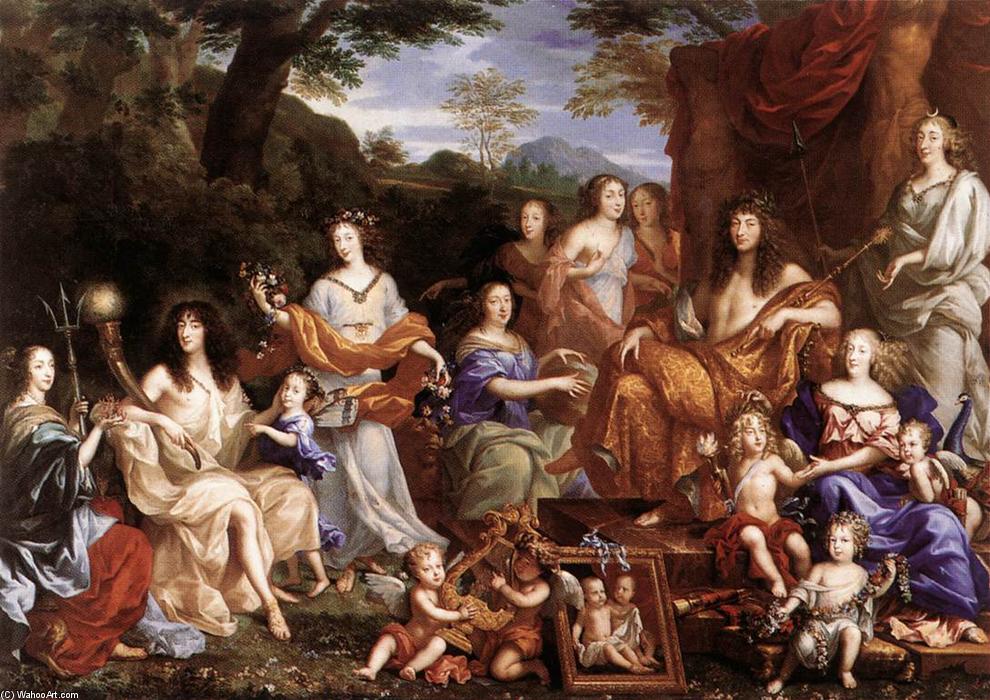
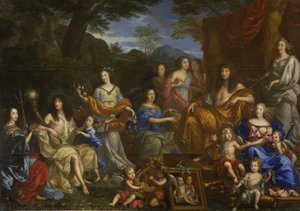
The Family of Louis XIV
 Oil On Canvas
- WallArt
- Baroque
 1670
1670- Early Modern
 305.0 x 420.0 cm
 ヴェルサイユ宮殿
 詳細を見る
詳細を見る
オンラインプレビューをはるかに凌ぐ、高解像度で鮮明なデジタル画像をご購入いただけます。
各ファイルは、社内の専門家が高度なツールと熟練した手作業によるレタッチを用いて、細心の注意を払って準備されています。すべての画像において、卓越した鮮明度、正確な色彩再現性、そして繊細なディテールを保証いたします。
最終ファイルは、プロフェッショナルな編集・印刷環境ですぐにご利用いただけるよう最適化された状態で、72時間以内にメールにてお届けいたします。これは、一流のデザインスタジオ、出版社、ギャラリーから信頼されているものと同等の品質です。
デジタル画像のご注文に付随する特典
高品質なデジタル画像配信を、確かな品質で。
ArtsDot.com を選ぶことは、単に画像を手に入れることではありません。それは、プロの手によって精密に仕上げられ、満足保証が付いた高品質なデジタルアートワークを受け取ることを意味します。ご注文いただいた際に自動的に付随する内容は、以下の通りです:

メールですぐにお届け
ご注文から72時間以内に、高解像度のデジタル画像ファイルがメールでお手元に届きます。すぐにそのままご利用いただけます。

AI技術で最適化されたデジタルファイル
お客様の作品は、高度なAIツールと専門家による手作業の編集を組み合わせてプロフェッショナルに最適化されており、細部のディテール、鮮明さ、そして正確な色再現性を最大限に引き出しています。

一生涯無料の再送サービス
ファイルを誤って削除したり、紛失してしまったりしましたか?ご安心ください。いつでも無料で再送いたします。

輸入手数料は一切かかりません
関税や手数料、配送料を気にすることなく、お気に入りのアートワークをすぐにお楽しみいただけます。デジタルダウンロードは常に免税です。

色彩再現の保証
プロ仕様のツールとカラーマネジメント技術を用いることで、デジタル画像が元の色を最大限に忠実に再現することを保証いたします。

60日間満足保証
ご購入いただいたデジタル画像にご満足いただけない場合は、60日以内であれば、修正または100%の返金(理由を問う必要はありません)をさせていただきます。

100% 返金保証
ご満足いただけない場合は、デジタルファイルを受け取ってから60日以内であれば、理由を問わず全額返金いたします。

まとめ買い割引
3枚購入で10%OFF - 5枚購入で15%OFF - 10枚以上購入で20%OFF。クリエイティブなプロジェクト、ギャラリー、エージェンシーに最適です。
A Divine Assembly: The Majesty of the Sun King
To stand before Jean Nocret’s 1670 masterpiece, The Family of Louis XIV, is to be transported into the very heart of French absolutism. This is not merely a portrait of a royal lineage; it is a breathtakingly orchestrated allegory that blurs the line between the mortal and the divine. At its center sits Louis XIV, the Sun King, rendered not just as a monarch, but as the radiant god Apollo. He occupies a throne of golden splendor, his presence anchoring a composition that feels both monumental and intimately powerful. Beside him, Queen Marie-Thérèse is transformed into Juno, the queen of the gods, embodying a sense of celestial protection and matrimonial grace. The painting serves as a visual manifesto, designed to convince the viewer of the divine right of the Bourbon dynasty through a sophisticated language of myth and light.
The sheer scale of the work—a commanding 305 x 420 cm—demands an emotional response, pulling the observer into a world where every gesture and every fold of fabric carries profound weight. Nocret masterfully weaves the royal children into this celestial tapestry, portraying them alongside figures like Diana, the goddess of the hunt, to imbue the young heirs with qualities of virtue, nobility, and strength. The background, a stylized glimpse of Mount Olympus, provides a lush, ethereal stage that elevates the French court from the terrestrial realm to the heights of eternal legend.
Technique and the Baroque Brilliance
Executed with the meticulous precision characteristic of the late French Baroque, Nocret’s technique is a triumph of oil on canvas. The artist employs a sophisticated layering of glazes to achieve a luminous depth that seems to glow from within the fabric itself. One can almost feel the tactile richness of the heavy golden draperies and the intricate, shimmering patterns of the royal costumes. Through the careful application of impasto, Nocret creates highlights that catch the light, lending a three-dimensional vitality to the figures that makes them appear to breathe within their mythological landscape.
The color palette is a symphony of regal tones—deep golds, royal blues, and rich crimsons—balanced by the soft, atmospheric greens and earthy hues of the Olympian backdrop. This careful tonal management ensures that while the central figures command absolute attention, the eye is constantly led through the complex narrative of the painting. For the collector or interior designer, this work offers an unparalleled sense of drama and prestige. A high-quality reproduction of such a piece brings with it the opulence of Versailles, offering a focal point that radiates historical significance, academic excellence, and an enduring sense of grandeur.
A Legacy of Power and Decoration
Commissioned for Monsieur Philippe d’Orléans, the King's brother, this artwork was born from a desire to decorate the most prestigious spaces of the French aristocracy with scenes of mythic importance. Nocret, a student of the great Jean LeClerc and an artist who moved in the circles of Nicolas Poussin, understood how to use art as a tool for political and social elevation. The painting reflects the era's obsession with French Classicism—a style defined by harmony, regularity, and an unshakeable sense of majesty.
In a contemporary setting, The Family of Louis XIV serves as more than just decoration; it is a conversation piece that evokes the golden age of the Château de Versailles. Whether placed in a grand salon or a sophisticated study, the painting provides a window into an era where art was the ultimate expression of sovereignty. It offers an atmosphere of timeless elegance, making it an ideal choice for those looking to infuse their spaces with the weight of history and the breathtaking beauty of the Baroque spirit.
関連作品
作家の略歴
Salvator Rosa: A Rebel of the Italian Baroque
Salvator Rosa (1615 – 15 March 1673) stands as a singular and profoundly influential figure within the tumultuous landscape of 17th-century Italian art. More than simply a painter, he was a poet, satirist, actor, musician, and printmaker—a true Renaissance man whose life was as vibrant and unconventional as his artwork. Born in Arenella, near Naples, Rosa’s trajectory defied easy categorization, oscillating between the formal training of the Baroque and a fiercely independent spirit that ultimately defined his artistic legacy. His work, particularly his dramatic landscapes imbued with a sense of wildness and untamed nature, exerted an unexpected yet powerful influence on the burgeoning Romantic movement centuries later.Early Life and Artistic Training
Rosa’s early life was marked by instability and hardship. He received limited formal training, initially apprenticed to the painter Francesco Napione in Naples. However, it was his encounter with the established Neapolitan artist, Giuseppe Carafa, that proved pivotal. Carafa recognized Rosa's raw talent and encouraged him to embrace a more expressive and less rigidly academic approach. This mentorship fostered a distinctive style characterized by bold brushstrokes, dramatic lighting, and an intense emotionality—a departure from the polished elegance favored by many of his contemporaries. Rosa’s early works often depicted scenes of battle, mythological subjects, and portraits, reflecting the artistic trends of Naples at the time. Yet, even in these initial pieces, a rebellious streak began to emerge, foreshadowing his later rejection of conventional artistic norms.Rome: Scandal and Innovation
In 1639, Rosa moved to Rome, a city teeming with artistic competition and intellectual ferment. It was here that he truly established himself as a controversial figure. His satirical poems and prints, often sharply critical of the Papal court and its artists—particularly the celebrated Gian Lorenzo Bernini—earned him powerful enemies. Rosa’s outspokenness led to periods of exile and forced relocation throughout his career, yet it also fueled his artistic innovation. He sought out obscure and challenging subjects – forgotten biblical tales, esoteric philosophical concepts, and scenes of witchcraft – often rendering them with a visceral intensity that was both unsettling and captivating. His frescoes for the Palazzo Pamphili in Valmontone, depicting scenes from Virgil’s *Aeneid*, are prime examples of this approach: grand historical narratives presented through a lens of rugged wilderness and dramatic emotion.The Landscape as Revelation
Rosa's most enduring contribution to art lies in his revolutionary landscapes. Unlike the idealized, harmonious vistas championed by artists like Claude Lorrain, Rosa’s scenes were imbued with a sense of primal power and untamed beauty. He depicted towering cliffs, gnarled trees, stormy skies, and treacherous rivers—elements that evoked both awe and terror. These weren't picturesque views designed for tranquil contemplation; they were representations of nature in its rawest, most formidable state. Rosa’s landscapes anticipated the Romantic sensibility by prioritizing emotional response over rational observation, capturing a world where humanity was dwarfed by the overwhelming forces of nature. His work challenged the established conventions of landscape painting and paved the way for future generations of artists who sought to capture the sublime in their art.Legacy and Influence
Despite facing periods of obscurity during his lifetime, Salvator Rosa’s influence grew steadily over the centuries. In 18th-century England, his work was embraced by Romantic poets like James Thomson and William Wordsworth, who celebrated his depiction of wild nature as a symbol of freedom and rebellion. Rosa became a cult figure, his life embellished with tales of banditry and wanderlust—a romanticized persona that mirrored the spirit of his art. Today, Rosa is recognized as a pivotal figure in the transition from Baroque to Romanticism, a master of dramatic composition, and an artist who dared to challenge artistic conventions with unwavering conviction. His paintings continue to resonate with viewers today, offering a powerful reminder of the enduring allure of untamed beauty and the transformative power of artistic rebellion.
jean nocret
1615 - 1672 , France
プロフィール概要
- Artistic Movement Or Style: Baroque, Romanticism
- Artists Or Movements Influenced By This Artist: ['Romanticism']
- Artists Who Influenced This Artist: ['Nicolas Poussin']
- Date Of Birth: June 20, 1615
- Date Of Death: March 15, 1673
- Full Name: Salvator Rosa
- Nationality: Italian
- Notable Artworks:
- Sacrifice of Abraham
- River Landscape with Apollo
- Place Of Birth: Arenella, near Naples

