

 プレビュー
プレビュー
 シェアする
シェアする シェアする
シェアする
 詳細を見る
詳細を見る

 ダウンロード
 似ている作品
 X線調査
X線調査 スライドショー
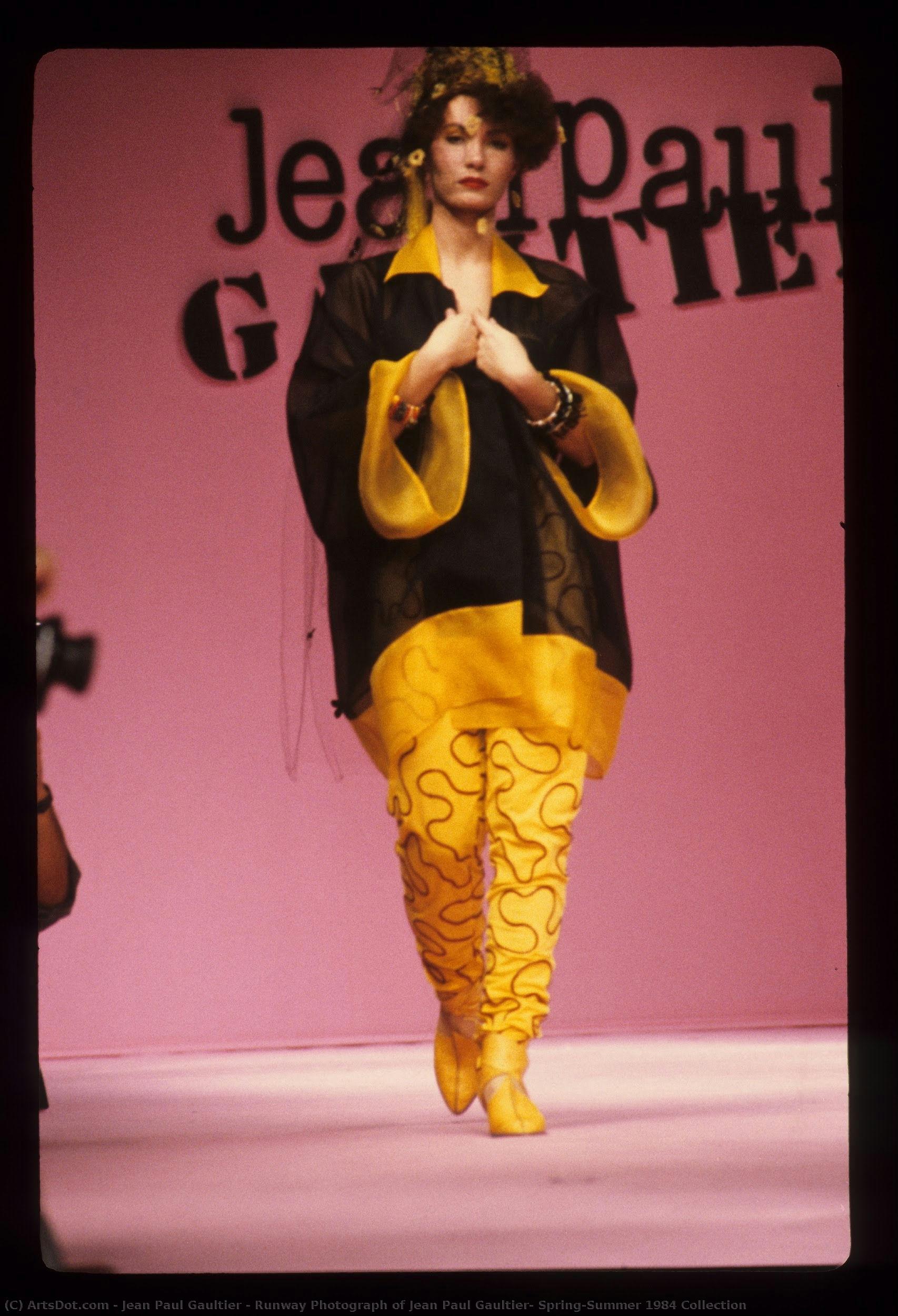
Runway Photograph of Jean Paul Gaultier, Spring/Summer 1984 Collection

 詳細を見る
詳細を見る
ジークレー/アートプリント
迅速な制作と多彩な仕上げオプションを備えた、ミュージアムクオリティのジークレーまたはキャンバスプリント。 ( 手描きの絵画を購入 画像を購入)




































作品のオリジナル比率に合わせた、当店の規定サイズからお選びください。

特定のフレームやスペースに合わせて、ご自身でサイズを指定することも可能です。選択されたサイズが元の画像の比率と一致しない場合、作品をトリミングするか、鏡面反射または単色での塗りつぶしによって画像を拡張いたします。制作を開始する前に、ご確認用のデジタルモックアップをお送りいたします。
画面上のプレビューには、実際のトリミングや拡張は反映されませんのでご注意ください。最終的な構図を正確に確認できるのは、モックアップのみとなります。
カスタムサイズも承っておりますが、元の比率を維持するためには、あらかじめ用意されたリストからサイズを選択することをお勧めいたします。


 ガラスオプションは、110cm未満のサイズでのみご利用いただけます。

Runway Photograph of Jean Paul Gaultier, Spring/Summer 1984 Collection
ジークレー/アートプリント
複製画のサイズ
-


合計金額
$ 62
関連作品





アーティストの略歴
A Rebel in the Atelier: The World of Jean Paul Gaultier
Born April 24, 1952, in the Parisian suburb of Arcueil, Jean Paul Gaultier emerged not from a lineage of established couture houses, but from a world steeped in the practical artistry of his mother, a seamstress. This early exposure wasn’t to the rarefied air of haute couture salons, but to the tangible reality of fabric, cut, and construction – a foundation that would prove pivotal to his iconoclastic approach. He didn't sketch princesses or elegant gowns as a child; instead, his imagination was captivated by the streets, by the raw energy of unconventional beauty. This formative period instilled in him a deep understanding of garment-making alongside an inherent desire to challenge established norms. Gaultier’s influences were wonderfully diverse – he admired the boundary-pushing designs of Pierre Cardin and Jean Patou, yet equally drawn to the rebellious spirit of street style and punk culture. These seemingly disparate elements coalesced into a unique aesthetic vision that would soon redefine modern fashion.From Apprenticeship to Avant-Garde: Forging a Signature Style
Gaultier’s path wasn't one of immediate acclaim, but rather a period of diligent apprenticeship under the tutelage of Cardin and Patou. These experiences provided invaluable technical skills, yet it was his innate desire to break free from convention that truly set him apart. In 1976, he launched his own label, immediately establishing a style characterized by its rebellious spirit and unconventional use of materials. He wasn’t interested in simply creating beautiful clothes; he wanted to provoke thought, challenge perceptions, and dismantle the rigid structures of the fashion world. This manifested in designs that deliberately blurred gender lines – men in skirts, women in traditionally masculine attire – questioning societal norms with every stitch. The stripe, a nautical motif often associated with conformity, became a symbol of subversion in his hands. Corsetry, historically an instrument of constraint, was reimagined as a source of empowerment and playful expression. His designs weren’t merely garments; they were statements.Iconic Collaborations and Cultural Impact
Throughout his illustrious career, Jean Paul Gaultier has consistently demonstrated a remarkable versatility that extends beyond the runway. He proved himself equally adept at costume design, lending his visionary aesthetic to films like The Fifth Element (1997) and The City of Lost Children (1995), creating worlds as fantastical and unconventional as his clothing. However, it was his collaboration with Madonna on her 1990 Blond Ambition tour that catapulted him to global recognition. The creation of the now-iconic cone bra wasn’t simply a fashion moment; it became a symbol of female empowerment, rebellion, and unapologetic self-expression. This single garment transcended its status as clothing, becoming a cultural artifact. Further cementing his position within French society, Gaultier designed gowns for First Lady Carla Bruni-Sarkozy, demonstrating his ability to navigate both the avant-garde and the establishment with equal finesse. These achievements were accompanied by numerous awards and honors, recognizing his profound impact on the fashion industry.A Legacy of Inclusivity and Innovation
Jean Paul Gaultier’s historical significance lies not only in his aesthetic innovations but also in his unwavering commitment to challenging societal norms. He consistently used his platform to promote inclusivity and acceptance, celebrating diversity through designs that defied categorization. His willingness to experiment with unconventional materials and silhouettes pushed the boundaries of fashion, inspiring generations of designers to take risks and embrace their own unique visions. The cone bra remains a potent symbol of female empowerment, while his gender-bending designs continue to spark dialogue about identity and expression. Gaultier’s legacy is one of fearless creativity, unwavering individuality, and a profound belief in the power of fashion to transform not just how we look, but how we think. He didn't simply design clothes; he crafted a new language of style – one that continues to resonate with audiences worldwide.
Jean Paul Gaultier
1952 - , France
基本情報
- Artistic Movement Or Style: Avant-garde fashion
- Artists Or Movements Influenced By This Artist:
- Modern fashion trends
- Gender-bending designs
- Artists Who Influenced This Artist:
- Pierre Cardin
- Jean Patou
- Date Of Birth: April 24, 1952
- Full Name: Jean Paul Gaultier
- Nationality: French
- Notable Artworks:
- Cone bra for Madonna
- Costumes for films
- Runway collections
- Place Of Birth: Arcueil, France

