

 プレビュー
プレビュー
 プリントを購入
 シェアする
シェアする シェアする
シェアする
 詳細を見る
詳細を見る

 ダウンロード
 似ている作品
 X線調査
X線調査 スライドショー
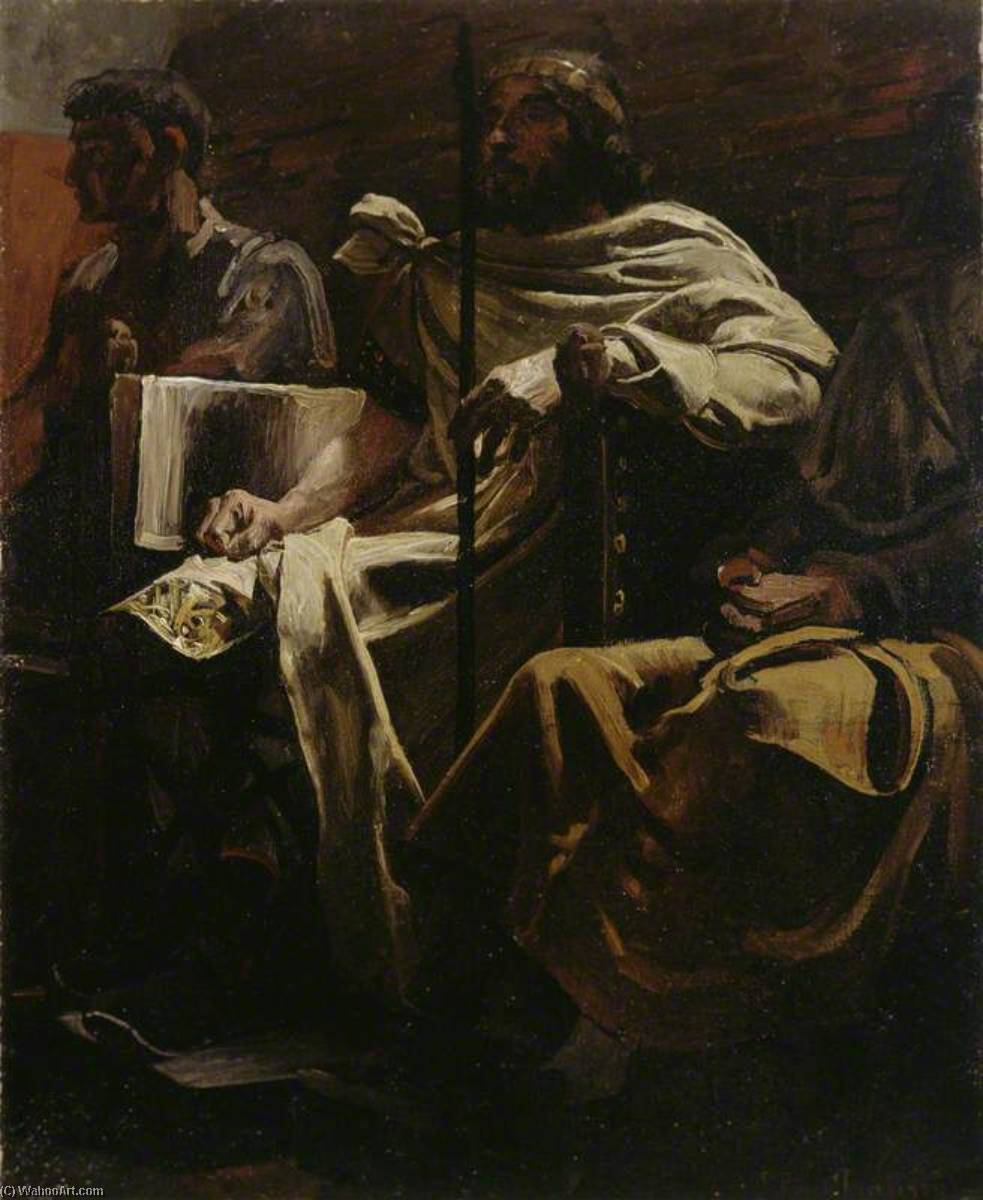
The Judgement of Chilperic
 Acrylic On Canvas
- WallArt
- French Academic History Painting
 1881
1881 45.0 x 37.0 cm
 アシュモリアン美術館
 詳細を見る
詳細を見る




P118B $10

P118H $10

P118W $10

P438Z $10

P508JH $12

P508YH $12

P805H $10

P805Z $10

P919BZ $10

P919G $10

P919XJ $10

P959ZH $10

P968JZ $12

W106C $8

W218G $10

W218JH $8

W218Y $10

W307PJ $10

W316G $10

W316PJ $8

W316Y $10

W398PJ $8

W4111J $10

W500HY $15

W500JH $15

W692G $12

W849H $8

W940BG $15

W953PJ $8




作品のオリジナル比率に合わせた、当店の規定サイズからお選びください。

特定のフレームやスペースに合わせて、ご希望のサイズをご入力いただけます。選択されたサイズが元の画像の比率と異なる場合、アートワークをトリミングするか、手描きで要素を追加して絵画を拡張いたします。デジタルモックアップ を制作し、制作開始前にご確認(承認)をいただきます。
画面上のプレビューは、実際のトリミングや拡張を正確に反映しているものではありません。最終的な構図は、モックアップによってのみ正確にご確認いただけます。
カスタムサイズもご利用いただけますが、元の比率を維持するためには、あらかじめ用意されたリストからサイズを選択することをお勧めいたします。
ご注文後、ArtsDot.com チームより詳細な指示をお送りするとともに、仕上がりイメージ(モックアップ)をご提供いたします。


 ガラスオプションは、110cm未満のサイズでのみご利用いただけます。

The Judgement of Chilperic
複製技法
複製画のサイズ
-


合計金額
$ 263
A Dramatic Tableau: The Judgement of Chilperic
Jean-Paul Laurens’s “The Judgement of Chilperic,” painted in 1881, isn't merely a depiction of a historical event; it’s a meticulously constructed drama frozen on canvas. The painting plunges the viewer directly into the heart of a turbulent era – the waning days of the Merovingian dynasty in Gaul – where political intrigue, familial betrayal, and religious fervor collide with devastating consequences. Laurens, deeply rooted in the traditions of French Academic art yet fiercely independent in his vision, masterfully blends classical composition with a strikingly modern psychological intensity.
At first glance, the scene unfolds within a richly appointed hall, dominated by three seated figures: Chilperic, the King of Neustria, sits impassively amidst a gathering of advisors and dignitaries. The composition is deliberately formal, echoing the grand historical paintings favored by the French Academy – a testament to Laurens’s training but also a subtle assertion of his own artistic authority. The lighting, carefully orchestrated, casts dramatic shadows that heighten the sense of tension and uncertainty, drawing our attention to the faces of those involved.
A Study in Character: The Figures and Their Roles
Each figure is rendered with painstaking detail, revealing not just their physical appearance but also a complex web of emotions and motivations. Chilperic himself embodies a weary resignation, his gaze fixed on some distant point beyond the immediate drama. His advisors, clad in the robes of authority, are caught in moments of deliberation and suspicion – one gestures emphatically, another listens intently, while a third appears to be wrestling with conflicting loyalties. The painting’s power lies in its ability to convey a sense of unspoken anxieties and hidden agendas.
The central figure, the woman seated between Chilperic and his advisors, is Basina of Neustria, a princess who played a pivotal role in the events depicted. Her posture suggests both vulnerability and defiance – she’s not merely a passive observer but a key player in this unfolding drama. The details surrounding her are particularly striking: her expression hints at a profound sadness mingled with an underlying strength.Technique and Symbolism: Laurens' Masterstroke
Laurens’s technical skill is undeniable, evident in the meticulous rendering of textures – the heavy velvet draperies, the polished stone floors, the intricate folds of the clothing. However, it’s not simply a display of virtuosity; every brushstroke serves a purpose, contributing to the overall narrative and emotional impact. The use of chiaroscuro—the dramatic contrast between light and shadow—is particularly effective in creating a sense of depth and atmosphere.
- Color Palette: Laurens employs a restrained palette dominated by earthy tones – browns, ochres, and grays – punctuated by flashes of crimson and gold. These colors evoke the grandeur of the Merovingian court while simultaneously hinting at the impending doom.
- Compositional Balance: The painting’s balanced composition reflects the formal principles of Academic art, yet Laurens subtly disrupts this balance through the strategic placement of figures and the use of diagonals to create a sense of dynamism.
- Symbolic Elements: The books held by some of the advisors likely represent legal documents or decrees, underscoring the political nature of the judgment. The overall scene is steeped in symbolism, inviting viewers to interpret the events depicted through a lens of historical and religious significance.
A Window into the Past: Historical Context and Legacy
“The Judgement of Chilperic” offers a rare glimpse into the turbulent world of 6th-century Gaul, a period marked by political instability, religious conflict, and social upheaval. It’s a scene drawn from Gregory of Tours' *History of the Franks*, a primary source that provides valuable insights into the lives and times of the Merovingian kings. Laurens’s painting not only faithfully recreates this historical event but also imbues it with a profound sense of drama and emotional resonance.
Laurens, deeply influenced by his republican ideals, used history painting as a vehicle for expressing his political convictions. “The Judgement of Chilperic” stands as a testament to his artistic skill and intellectual depth – a powerful work that continues to captivate viewers with its dramatic intensity and historical significance. Reproductions offer an accessible way to experience the grandeur and complexity of this remarkable masterpiece.
関連作品

アーティストの略歴
歴史の壮麗:ジャン=ポール・ローランの生涯と遺産
ジャン=ポール・ローラン(1838–1921)は、フランス・アカデミズム美術が最後の大輪を咲かせた時代における記念碑的な存在であり、その様式が持つ壮麗さと、内在する矛盾の両方を体現しています。フランスのフルクに生まれた彼は、レオン・コニエとアレクサンドル・ビダという権威ある師のもとで才能を開花させ、芸術的伝統への揺るぎない献身と、毅然とした共和主義的精神を併せ持つ画家へと成長しました。ローランの世界観は、君主制の権威や教会の教条に対する抵抗によって深く形作られました。こうしたテーマは彼の全作品に一貫して浸透しており、社会正義と自由への熱烈な信念を伝える媒体としての役割を果たしています。その形成期において培われた細部への緻密な注意力、そして解剖学や遠近法に対する深い理解は、厳格な自己規律と、古典文学から哲学にまで及ぶ知的好奇心によって磨き上げられたものでした。
ローランの芸術性は、単なる視覚的な再現にとどまるものではありませんでした。それは、歴史的な瞬間を道徳的な物語へと昇華させるための、知的探求そのものだったのです。彼の様式の進化はロマン主義の大きな潮流を反映していましたが、同時に彼は演劇的な壮大さとリアリズムを両き立させ、規律ある技法を断固として守り抜きました。この独自の融合により、彼は過去に生命を吹き込み、冷徹な歴史的記録を、観る者の心に響く生々しく感情的な体験へと変貌させたのです。悲劇的な処刑シーンの重苦しい影から、宗教画における光り輝く聖性まで、ローランは光と構図を駆使して、人間の運命や政治的帰結に対する深い思索へと観る者を導きました。
キャンバスの極致:主題と卓越した技法
ローランの多作な活動は、第三共和政の美学を定義づける記念碑的なキャンバス群に及びます。聖なるものと俗なるものの間を自在に行き来する彼の能力は、フランスで最も権威ある空間を彩ることを可能にしました。その輝かしい業績の一つには、パンテオンの円蓋部分に描かれた聖ジュヌヴィエーヴのような宗教画があり、そこでは圧倒的なスケールを用いて畏敬の念を呼び起こしています。同時に、彼は歴史的悲劇の達人でもあり、政治的な激動の瞬間を、即時性と普遍性を兼ね備えたリアリズムをもって捉えました。
彼の主要な作品群は、驚くべき感情の深みを示しています:
- メキシコ皇帝マクシミリアンの処刑前: 帝国の悲劇という痛切な瞬間を捉えた、極めて緻密で写実的な歴史画であり、激しい心理状態を描き出す彼の卓越した能力が示されています。
- ダングアン公の死: 劇的な照明と熟練した技法を用い、この決定的な歴史的事象の重みを伝える力強い構図の作品です。 徒自画像: 人体への習熟と、自身のアイデンティティを形作った共和主義的理想への献身を証明する、印象的な自画像です。
大規模な油彩画にとどまらず、ローランは挿絵制作を通じても、物語を紡ぎ出す並外れた能力を発揮しました。オーギュスタン・ティエリーの著作『メロヴィング朝時代の記述』における彼の仕事は、歴史的なテキストを情緒豊かなイメージへと翻訳する洗練された技術を示しており、その細部への才能が、パリの広大なホールに飾られた巨大なキャンバスと同様に、親密な挿絵という媒体においても極めて有効であったことを証明しています。
国家の象徴としての意義と歴史的価値
ジャン=ポール・ローランの重要性は、美術館の境界を遥かに超えて広がっています。第三共和政の公認画家として、彼の作品はパリ市庁舎やオデオン劇場といった象徴的な建造物を彩り、市民としての義務を全うする国民的画家としての地位を確立しました。彼は単に歴史を描いたのではありません。自由と共和主義の価値観を通じて自らを定義しようとしていた国家の、視覚的なアイデンティティ構築に寄与したのです。
彼の遺産は、アカデミーの厳格な伝統と、近代へと向かう新興のリアリズムを繋ぐ架け橋として、美術史に深く刻まれています。古典的な技法に現代的な政治意識を吹き込むことで、ローランは自らの絵画が単なる装飾品以上のものとなることを確かなものにしました。それらは、正義を求める人間の闘争を称える、不朽の記念碑となったのです。今日においても、彼の作品はコレクターや歴史家を魅了し続けており、一筆ごとに深いドラマを見出した巨匠の眼を通じ、フランス史の変革期を覗く窓を提供しています。
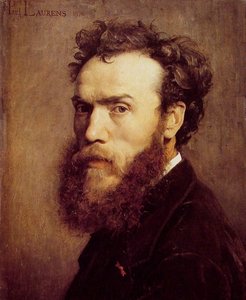
ジャン=ポール・ローラン
1838 - 1921 , フランス
基本情報
- Artistic Movement Or Style: フランス・アカデミズム絵画
- Artists Or Movements Influenced By This Artist: ['ロマン主義']
- Artists Who Influenced This Artist:
- レオン・コニエ
- アレクサンドル・ビダ
- Date Of Birth: フランス、フルク (1838年)
- Date Of Death: 1921年
- Full Name: ジャン=ポール・ローラン
- Nationality: フランス
- Notable Artworks:
- ジャン=ピエール・ローランの肖像
- 自画像
- 処刑を待つメキシコ皇帝マクシミリアン
- Place Of Birth: フルク
関連記事

Dark Masterpieces: 10 Iconic Paintings Dominated by Black Tones |
Explore 10 iconic paintings dominated by black tones, from Rembrandt’s chiaroscuro to Goya's dark expressions. Discover the stories behind these masterpieces & find museum-quality art reproductions for your home at .
Mars Black Masterpieces: 10 Iconic Paintings & Timeless Art Decor Ideas
Delve into the power of 'Mars Black' with 10 iconic paintings by masters like Rembrandt & Caravaggio. Explore dramatic chiaroscuro, gothic art, and timeless beauty. Find museum-quality reproductions & elevate your home decor on .
Lamp Black & Masterpieces: 10 Paintings That Define Shadow & Light |
Delve into the captivating world of 'Lamp Black' tones with 10 iconic paintings by masters like Rembrandt & Caravaggio. Explore Baroque chiaroscuro, dramatic lighting & shadow in art history. Find museum-quality reproductions at
Ivory Black Masters: 10 Paintings That Define Dramatic Art |
Delve into the power of 'Ivory Black' with 10 iconic paintings by masters like Rembrandt & Caravaggio. Explore dramatic chiaroscuro, gothic moods & timeless art history. Find museum-quality reproductions and elevate your home decor at
Charles Le Brun: Master of French Baroque Classicism & His Enduring Legacy
Explore the life & art of Charles Le Brun, master of French Baroque Classicism. Discover his royal commissions, influence on Versailles, and enduring legacy through detailed analysis & stunning artworks.

