

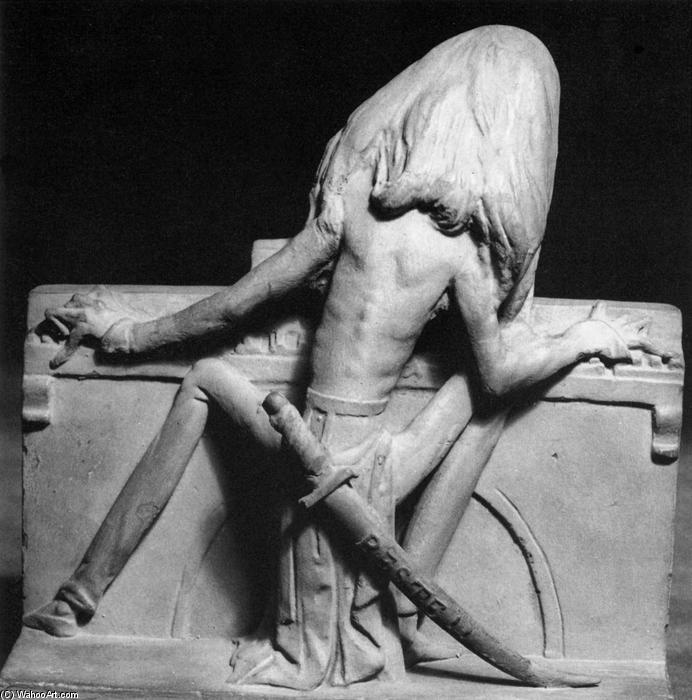
 プレビュー
プレビュー
 シェアする
シェアする シェアする
シェアする
 詳細を見る
詳細を見る

 ダウンロード
 似ている作品
 X線調査
X線調査 スライドショー
 統計情報
統計情報Liszt Playing the Piano


 詳細を見る
詳細を見る
ジークレー/アートプリント
迅速な制作と多彩な仕上げオプションを備えた、ミュージアムクオリティのジークレーまたはキャンバスプリント。 ( 手描きの絵画を購入 デジタル画像販売へ切り替え)




P118B $10

P118H $10

P118W $10

P438Z $10

P508JH $12

P508YH $12

P805H $10

P805Z $10

P919BZ $10

P919G $10

P919XJ $10

P959ZH $10

P968JZ $12

W106C $8

W218G $10

W218JH $8

W218Y $10

W307PJ $10

W316G $10

W316PJ $8

W316Y $10

W398PJ $8

W4111J $10

W500HY $15

W500JH $15

W692G $12

W849H $8

W940BG $15

W953PJ $8




作品のオリジナル比率に合わせた、当店の規定サイズからお選びください。

特定のフレームやスペースに合わせて、ご自身でサイズを指定することも可能です。選択されたサイズが元の画像の比率と一致しない場合、作品をトリミングするか、鏡面反射または単色での塗りつぶしによって画像を拡張いたします。制作を開始する前に、ご確認用のデジタルモックアップをお送りいたします。
画面上のプレビューには、実際のトリミングや拡張は反映されませんのでご注意ください。最終的な構図を正確に確認できるのは、モックアップのみとなります。
カスタムサイズも承っておりますが、元の比率を維持するためには、あらかじめ用意されたリストからサイズを選択することをお勧めいたします。


 ガラスオプションは、110cm未満のサイズでのみご利用いただけます。

Liszt Playing the Piano
ジークレー/アートプリント
複製画のサイズ
-


合計金額
$ 62
The Captivating Intensity of Liszt Playing the Piano
Jean-Pierre Dantan’s “Liszt Playing the Piano,” completed in 1836, is more than just a portrait; it's a visceral embodiment of Romantic fervor and musical genius. This remarkable sculpture, crafted from meticulously carved gypsum, captures Franz Liszt at his most dynamic – a moment frozen in time as he commands the keys with passionate intensity. Dantan, known for his innovative sculptural caricatures and profound ability to imbue his subjects with emotion, here transcends mere representation, offering an intimate glimpse into the soul of one of music’s greatest figures.
The sculpture's power lies in its dramatic chiaroscuro lighting, a technique masterfully employed by Dantan to sculpt volume and depth. The stark contrasts between light and shadow accentuate the musculature of Liszt’s hands, poised over the piano keys, while simultaneously highlighting the furrowed brow and focused expression on his face. This masterful use of light not only reveals the intricate details of the marble – the texture of the fabric of his shirt, the sheen of the polished gypsum – but also draws the viewer's eye directly to Liszt’s captivating presence. The composition itself is carefully balanced, with the figure occupying a central position within a dark, almost theatrical space, further intensifying the sense of drama and immediacy.
A Portrait of Romanticism: Style and Technique
Dantan’s style during this period was characterized by a remarkable ability to capture both the physical likeness and the emotional essence of his subjects. He moved beyond simple imitation, skillfully utilizing techniques borrowed from classical sculpture while injecting a distinctly Romantic sensibility into his work. The pose itself—Liszt's raised hand, a gesture simultaneously of command and invitation—is a hallmark of the era’s emphasis on individualism and expressive emotion. The choice of gypsum as the medium is significant; it allowed Dantan to achieve a remarkable level of detail and texture, mirroring the smooth surfaces of marble while retaining a lighter weight and easier workability.
Furthermore, Dantan's approach was deeply influenced by his artistic circle, which included prominent figures like Honoré Daumier and members of the Parisian intellectual elite. This exposure to diverse perspectives undoubtedly shaped his aesthetic sensibilities, contributing to the sculpture’s sophisticated blend of realism and emotional intensity. The work demonstrates a clear understanding of anatomy and form, combined with an intuitive grasp of how to convey character and mood through gesture and expression.
Symbolism and Historical Context
“Liszt Playing the Piano” is deeply rooted in the artistic and cultural landscape of 1836. The Romantic era was a time of profound social and political upheaval, marked by an intense desire for individual expression and a rejection of classical constraints. Liszt himself embodied these ideals as a revolutionary pianist who challenged established musical conventions with his virtuosic performances and innovative compositions. Dantan’s sculpture captures this spirit of rebellion and artistic innovation perfectly.
The inclusion of the piano is, of course, central to the work's meaning. The instrument represents not just Liszt’s profession but also his creative soul—a conduit for expressing profound emotions through music. The pose itself – with the hand raised as if conducting – suggests a dynamic interplay between the artist and his creation, highlighting the transformative power of art. Moreover, Dantan’s use of caricature-like elements in the sculpture's details subtly references his own artistic practice, blending portraiture with playful commentary.
A Legacy of Passion: Reproduction and Beyond
Reproductions of “Liszt Playing the Piano” offer a remarkable opportunity to bring this captivating artwork into any setting. The meticulous detail captured by Dantan’s original sculpture is faithfully reproduced in high-quality prints, allowing viewers to appreciate its beauty and emotional depth from afar. Whether adorning a grand salon or a more intimate space, this piece serves as a powerful reminder of the enduring legacy of Romanticism and the genius of Franz Liszt.
Consider how the sculpture’s dramatic lighting and dynamic composition can be translated into interior design—creating focal points that command attention and evoke a sense of passion and energy. The work's timeless appeal ensures its continued relevance as a symbol of artistic excellence and human creativity.
関連作品

アーティストの略歴
Early Life and Family Background
- Jean-Pierre Dantan, known as Dantan the Younger, was born on December 28, 1800, in Paris, France.
- He came from a family of sculptors; his father was a wood carver who provided his initial training.
- Antoine-Laurent Dantan, his elder brother (known as Dantan the Elder), was also a sculptor and entered the École nationale supérieure des beaux-arts in Paris before Jean-Pierre.
- Both brothers studied under François-Joseph Bosio at the prestigious art school, beginning their formal artistic education in 1823.
- A later generation saw his nephew, Édouard Joseph Dantan (1848–1897), achieve some recognition as a painter, though he is now considered a minor artist.
Artistic Development and Style
- While Antoine-Laurent focused on large-scale academic sculpture and won the Prix de Rome in 1828, Jean-Pierre developed a unique style centered around portraiture and caricature.
- He began exploring this distinctive approach early in his career, gaining attention for his bust of the painter César Ducornet depicted as an “accursed poet.”
- Dantan’s talent lay in capturing expressive emotion within his portraits, blending Neoclassical training with emerging Romantic sensibilities.
- He is often credited with inventing the sculptural caricature, a form that allowed him to satirize and comment on contemporary society.
- His work was influenced by theories of phrenology and Romanticism’s emphasis on expressiveness. He aimed to depict not just physical likeness but also the inner essence of his subjects.
Major Works and Recognition
- Dantan's most celebrated works are his caricature busts and smaller statuettes portraying prominent figures from politics, music, literature, and the arts.
- He created portraits of individuals such as Victor Hugo, Paganini, Liszt, Berlioz, Talleyrand, and William Douglas-Hamilton.
- His busts often included a rebus on the base, adding an element of intellectual playfulness and identifying the subject in a coded manner. For example, his bust of Victor Hugo incorporated symbols representing the letters of his name.
- He exhibited at the Salons, receiving a second-class medal in 1831.
- His connection to figures like Pierre-Luc-Charles Cicéri and Princess Belgiojoso exposed him to influential circles of artists, writers, and political radicals, leading to numerous commissions.
Influence and Historical Significance
- Although he received less official recognition than his brother during his lifetime, Jean-Pierre Dantan’s work gained a following among the intelligentsia and is now considered more influential.
- He significantly inspired Honoré Daumier, a renowned caricaturist and sculptor himself.
- Dantan's sculptures provide valuable insights into 19th-century French society, capturing the personalities and cultural trends of his time.
- His ability to blend portraiture with caricature established him as a unique voice in the art world, bridging the gap between traditional sculpture and modern satire.
- Both brothers are buried together in Père Lachaise Cemetery, their tomb adorned with relief medallions created by each of them, symbolizing their artistic partnership and familial bond.
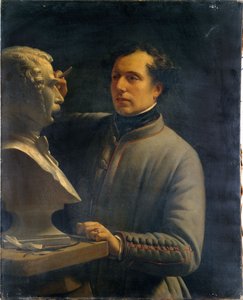
Jean-Pierre Dantan
1800 - 1869 , France
基本情報
- Artistic Movement Or Style: Romanticism, Caricature
- Artists Or Movements Influenced By This Artist: ['Honoré Daumier']
- Date Of Birth: December 28, 1800
- Date Of Death: September 6, 1869
- Full Name: Jean-Pierre Dantan
- Nationality: French
- Notable Artworks:
- Liszt Playing the Piano
- Victor Hugo
- Paganini
- Portrait of Tamburini
- Place Of Birth: Paris, France
関連記事
The Enduring Allure of Marble in Art History: From Classical Sculpture to Modern Abstraction
Explore the captivating history of marble sculpture from ancient Greece to modern art. Discover renowned artists like Canova & Michelangelo, carving techniques, and investment insights at ArtsDot.

Bronze Age to Modern Masters: 10 Sculptures That Redefined Art | ArtsDot
Journey through art history with 10 legendary bronze sculptures – from Michelangelo's David to Rodin’s Thinker. Explore the stories, techniques & timeless beauty of these masterpieces. Find museum-quality reproductions & elevate your home decor on ArtsDot.com.

The Enduring Form: Exploring Themes & Techniques in Sculpture Across Historical Periods
Explore the rich history of sculpture from ancient masterpieces to contemporary innovations. Discover key techniques, influential artists & investment potential for discerning art collectors.

Bronze Sculptures That Defined Art History | ArtsDot
Journey through art history with our Top 10 bronze sculptures! Explore masterpieces by Rodin, Michelangelo & more. Discover stories behind iconic statues and find museum-quality reproductions for your home decor at ArtsDot.com.

The Enduring Form: Sculpture Across History, Technique & Emotional Resonance
Explore the rich history of sculpture with ArtsDot. Discover key techniques, influential artists & investment potential for discerning collectors. Expert insights into valuing and collecting timeless masterpieces.