

 シェアする
シェアする シェアする
シェアする
 詳細を見る
詳細を見る

 ダウンロード
 似ている作品
 スライドショー
 統計情報
統計情報Herbe à poux
 Sculpture
- Sculpture
- Contemporary Art
 2013
2013- Contemporary
 700.0 x 700.0 cm
 Villa Arson
 詳細を見る
詳細を見る
手描き油彩複製画
当社のアーティストが、お客様のご希望のサイズと額縁に合わせて、キャンバスに手描きで制作する油彩画です。 ( プリント版に切り替え デジタル画像販売へ切り替え)




































作品のオリジナル比率に合わせた、当店の規定サイズからお選びください。

特定のフレームやスペースに合わせて、ご希望のサイズをご入力いただけます。選択されたサイズが元の画像の比率と異なる場合、アートワークをトリミングするか、手描きで要素を追加して絵画を拡張いたします。デジタルモックアップ を制作し、制作開始前にご確認(承認)をいただきます。
画面上のプレビューは、実際のトリミングや拡張を正確に反映しているものではありません。最終的な構図は、モックアップによってのみ正確にご確認いただけます。
カスタムサイズもご利用いただけますが、元の比率を維持するためには、あらかじめ用意されたリストからサイズを選択することをお勧めいたします。
ご注文後、ArtsDot.com チームより詳細な指示をお送りするとともに、仕上がりイメージ(モックアップ)をご提供いたします。


 ガラスオプションは、110cm未満のサイズでのみご利用いただけます。

Herbe à poux
複製技法
複製画のサイズ
-


合計金額
$ 263
A Tangled Web of Nature and Sculpture
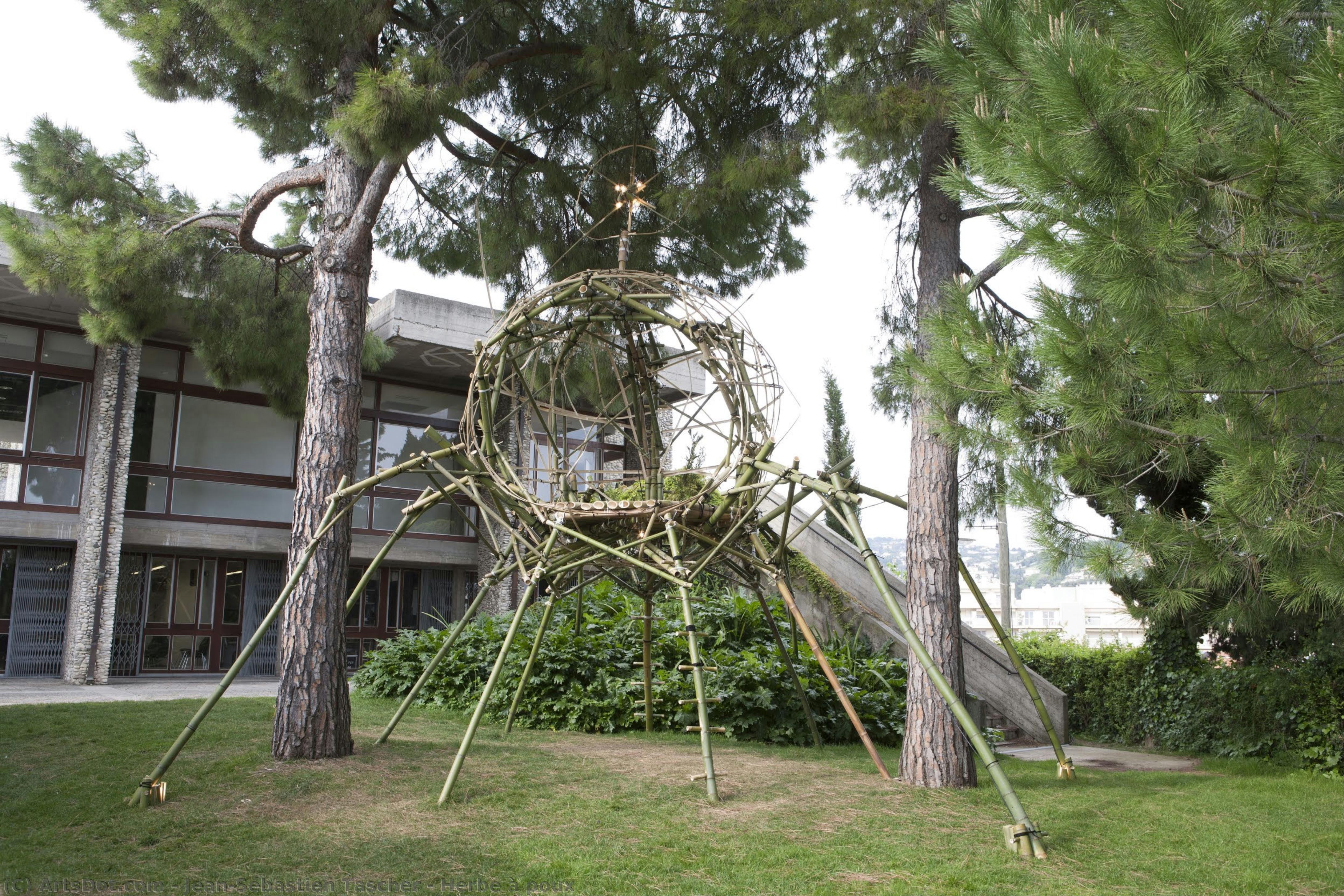
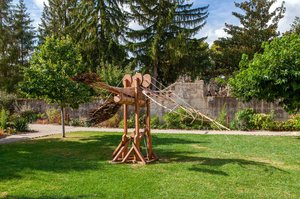
In the evocative piece "Herbe à poux," the contemporary French artist Jean-Sébastien Tascher invites viewers into a surreal landscape where the boundaries between organic life and sculptural intervention blur. Created in 2013, this monumental work presents a striking visual paradox: a massive spider sculpture ensnared within—or perhaps weaving—a complex web constructed from raw sticks and weathered branches. The sheer scale of the piece, measuring an imposing 700 x 700 cm, commands the space it inhabits, forcing a confrontation between the viewer and the primal, arachnid form. Set against the backdrop of a serene outdoor environment, perhaps a courtyard or a public garden, the artwork interacts dynamically with its surroundings, utilizing potted greenery and architectural elements to ground its fantastical subject in a tangible reality.
The technique employed by Tascher reflects his unique ability to bridge the gap between the meticulousness of photography and the tactile depth of sculpture. By using natural materials like branches and sticks to form the web, he creates a texture that is both rugged and intricate, mirroring the chaotic yet organized patterns found in nature. This organic construction contrasts sharply with the deliberate, sculptural presence of the spider, creating a tension that is central to the work's impact. The way light filters through the gaps in the wooden web adds a layer of ephemeral beauty, casting shifting shadows that breathe life into the static form, making the sculpture feel as though it might stir at any moment.
Symbolism and the Interplay of Influences
Beyond its immediate visual impact, "Herbe à poux" serves as a profound meditation on themes of entrapment, creation, and the cyclical nature of life. The spider, often a symbol of patience and predatory instinct, becomes a focal point for contemplating the delicate balance of ecosystems. There is an inherent duality in the work; while the web suggests a trap, it also represents the architecturally brilliant labor of a creator. This tension resonates deeply with Tascher’s broader artistic philosophy, which frequently explores the interplay between disparate influences—specifically his fascination with the structured elegance of Asian aesthetics and the raw, unbridled energy of Western contemporary art.
For the discerning collector or interior designer, this piece offers more than just a visual centerpiece; it provides an emotional anchor. The artwork evokes a sense of wonder and a slight, thrilling unease, making it an ideal choice for spaces designed to provoke thought and conversation. Whether placed in a grand gallery setting or integrated into a sophisticated modern interior, the work’s ability to command attention through its scale and textural complexity ensures it remains a captivating focal point. It is a masterful example of how contemporary sculpture can utilize natural motifs to touch upon universal human experiences of connection and isolation.
関連作品

アーティストの略歴
A Tapestry of East and West
Born in the historic landscape of La Rochelle, France, in 1980, Jean-Sébarious Tascher has cultivated a creative identity that defies simple categorization. His artistic journey is a profound dialogue between the meticulous, observational precision of photography and the sweeping, spiritual grandeur of Asian traditions. From his earliest years, Tascher found himself captivated by the architectural majesty and philosophical depth of Chinese aesthetics, a fascination that would eventually serve as the conceptual bedrock for his diverse practice. This early immersion in Eastern culture allowed him to develop a vision where the boundaries between reality and myth are perpetually blurred, creating works that feel both grounded in physical truth and elevated by dreamlike abstraction. His early photographic work, such as the evocative Mosquée des Omeyyades de Damas, demonstrates an ability to capture the majesty of Islamic architecture through a lens informed by the masters of photographic art, setting the stage for a career defined by deep, respectful observation.The Architecture of the Imaginary
Tascher’s evolution from a photographer to a sculptor marks a transition from capturing existing beauty to constructing entirely new worlds. His practice is characterized by an ambitious, almost architectural approach to form, famously exemplified by his monumental project in La Clayette: the construction of a pagoda that stands as a tangible manifestation of his reverence for Asian structural principles. This same impulse toward large-scale, immersive environments is evident in his evocative piece, Herbe à poux. In this 2013 work, a massive spider sculpture is ensnared within a complex, sprawling web of raw branches and weathered sticks, creating a surreal landscape where the organic and the sculptural collide. Through such works, Tascher explores themes of entrapment and the cyclical nature of life, using the rugged textures of natural materials to breathe a sense of primal movement into static forms. His multidisciplinary approach often draws from a unique set of artistic pillars:- Wood Sculpture: Utilizing powerful techniques like chainsaw carving to create imposing, organic forms.
- Installation Art: Creating large-scale environments that interact dynamically with public and natural spaces.
- Land Art: Integrating sculptural elements into the landscape to explore the tension between nature and human intervention.
Ceramic Alchemy and Postmodern Echoes
In recent years, Tascher has expanded his repertoire to include the delicate yet transformative medium of ceramics, integrating it into a practice that draws heavily from the vibrant energy of Pop culture and postmodernism. His work often vibrates with the decorative language of the Memphis Group and the structured elegance of Art Deco, creating a stylistic fusion that is as unexpected as it remains captivating. This eclectic spirit is perhaps most visible in his Crushes series—a collection of uniquely crafted jugs inspired by an improbable bestiary. These vessels, which range from featuring the armadillo of Texas to the mythical river dragon, demonstrate his ability to balance functional constraints with pure artistic extravagance. Whether carving wood or shaping clay, Tascher remains a master of disparate mythologies, weaving together elements of Japanese manga, Gothic sculpture, and historical motifs into a singular, visionary tapestry that continues to enchant the contemporary art world.
jean-sébastien tascher
1980 - , France
基本情報
- Artistic Movement Or Style: Asian Influenced Art
- Artists Who Influenced This Artist:
- Philibert-Joseph Girault de Prangey
- Henri Matisse
- Xavier Lucchesi
- Date Of Birth: La Rochelle, France (1980)
- Date Of Death: Living
- Full Name: Jean-Sébastien Tascher
- Nationality: French
- Notable Artworks:
- Mosquée des omeyyades de Damas
- French hosts
- The plaster torso
- Place Of Birth: La Clayette, France
関連記事
青銅彫刻の永続的遺産:歴史、技法、そして現代における解釈
青銅彫刻の歴史、技法、現代における解釈を専門家が解説。古代から現代までの貴重な作品群を深く理解し、コレクションや投資に役立つ情報を提供します。美術品鑑定、修復についてもご紹介。

Bronze Age to Modern Masters: 10 Sculptures That Redefined Art | ArtsDot
Journey through art history with 10 legendary bronze sculptures – from Michelangelo's David to Rodin’s Thinker. Explore the stories, techniques & timeless beauty of these masterpieces. Find museum-quality reproductions & elevate your home decor on ArtsDot.com.

Bronze Sculptures That Defined Art History | ArtsDot
Journey through art history with our Top 10 bronze sculptures! Explore masterpieces by Rodin, Michelangelo & more. Discover stories behind iconic statues and find museum-quality reproductions for your home decor at ArtsDot.com.

The Enduring Form: Exploring Themes & Techniques in Sculpture Across Historical Periods
Explore the rich history of sculpture from ancient masterpieces to contemporary innovations. Discover key techniques, influential artists & investment potential for discerning art collectors.
The Enduring Form: Sculpture Across History, Technique & Emotional Resonance
Explore the rich history of sculpture with ArtsDot. Discover key techniques, influential artists & investment potential for discerning collectors. Expert insights into valuing and collecting timeless masterpieces.