

 プレビュー
プレビュー
 プリントを購入
 シェアする
シェアする シェアする
シェアする
 詳細を見る
詳細を見る

 ダウンロード
 似ている作品
 X線調査
X線調査 スライドショー
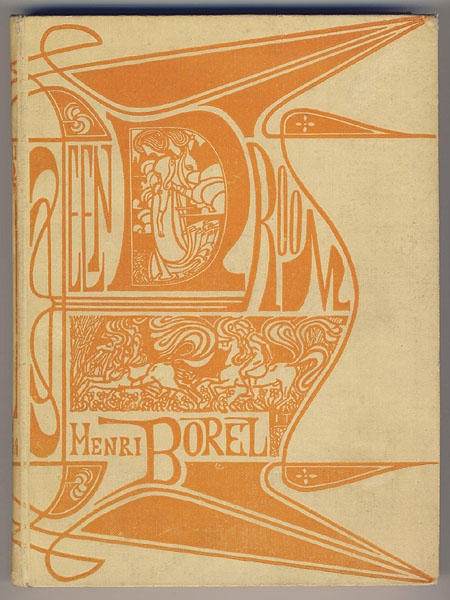
Cover for 'A dream' by Henri Borel


 詳細を見る
詳細を見る
オンラインプレビューをはるかに凌ぐ、高解像度で鮮明なデジタル画像をご購入いただけます。
各ファイルは、社内の専門家が高度なツールと熟練した手作業によるレタッチを用いて、細心の注意を払って準備されています。すべての画像において、卓越した鮮明度、正確な色彩再現性、そして繊細なディテールを保証いたします。
最終ファイルは、プロフェッショナルな編集・印刷環境ですぐにご利用いただけるよう最適化された状態で、72時間以内にメールにてお届けいたします。これは、一流のデザインスタジオ、出版社、ギャラリーから信頼されているものと同等の品質です。
デジタル画像のご注文に付随する特典
高品質なデジタル画像配信を、確かな品質で。
ArtsDot.com を選ぶことは、単に画像を手に入れることではありません。それは、プロの手によって精密に仕上げられ、満足保証が付いた高品質なデジタルアートワークを受け取ることを意味します。ご注文いただいた際に自動的に付随する内容は、以下の通りです:

メールですぐにお届け
ご注文から72時間以内に、高解像度のデジタル画像ファイルがメールでお手元に届きます。すぐにそのままご利用いただけます。

AI技術で最適化されたデジタルファイル
お客様の作品は、高度なAIツールと専門家による手作業の編集を組み合わせてプロフェッショナルに最適化されており、細部のディテール、鮮明さ、そして正確な色再現性を最大限に引き出しています。

一生涯無料の再送サービス
ファイルを誤って削除したり、紛失してしまったりしましたか?ご安心ください。いつでも無料で再送いたします。

輸入手数料は一切かかりません
関税や手数料、配送料を気にすることなく、お気に入りのアートワークをすぐにお楽しみいただけます。デジタルダウンロードは常に免税です。

色彩再現の保証
プロ仕様のツールとカラーマネジメント技術を用いることで、デジタル画像が元の色を最大限に忠実に再現することを保証いたします。

60日間満足保証
ご購入いただいたデジタル画像にご満足いただけない場合は、60日以内であれば、修正または100%の返金(理由を問う必要はありません)をさせていただきます。

100% 返金保証
ご満足いただけない場合は、デジタルファイルを受け取ってから60日以内であれば、理由を問わず全額返金いたします。

まとめ買い割引
3枚購入で10%OFF - 5枚購入で15%OFF - 10枚以上購入で20%OFF。クリエイティブなプロジェクト、ギャラリー、エージェンシーに最適です。
関連作品

作家の略歴
A Javanese Soul in Dutch Colors: The Enduring Vision of Jan Toorop
Johannes “Jan” Toorop, born in 1858 on the island of Java amidst the vibrant tapestry of the Dutch East Indies, was an artist whose life and work embodied a fascinating confluence of cultures and artistic movements. His journey from colonial Indonesia to the heart of European art – particularly Symbolism and Pointillism – reveals a restless spirit constantly seeking new forms of expression and a profound engagement with both Eastern mysticism and Western aesthetics. Toorop’s legacy lies not just in his stunning visual creations, but also in his pioneering exploration of color, line, and cultural identity.
Early Life and Influences: A Hybrid Identity
Toorop's early years were shaped by the exotic beauty and spiritual traditions of Java. His father, Christoffel Theodorus Toorop, was a civil servant, providing a relatively privileged upbringing, while his mother, Maria Magdalena Cooke, instilled in him an appreciation for European art and literature. However, life on Bangka Island, near Sumatra, fostered a deep connection to the natural world and a sensitivity to the rhythms of Javanese culture – a connection that would profoundly influence his artistic vision throughout his career. The experience of being transplanted to the Netherlands at the age of nine marked a significant shift, exposing him to Western education and artistic conventions, yet never fully erasing the imprint of his Indonesian roots.
His formal training in Delft and Amsterdam provided exposure to Impressionism and early Symbolism, but it was through encounters with artists like William Degouve de Nuncques and participation in avant-garde circles such as L’Essor in Brussels that Toorop truly began to forge his own distinctive style. The influence of James Ensor, a key figure in Belgian Symbolism, is particularly evident in Toorop's early works, characterized by their unsettling imagery, psychological depth, and expressive use of color.
The Rise of Pointillism and Symbolist Exploration
Toorop’s artistic trajectory took a dramatic turn with his immersion in the world of Pointillism. Inspired by the theories of Georges Seurat and Paul Signac, he embraced this technique – meticulously applying small dots of color to create luminous effects – achieving remarkable success in the 1880s. His vibrant canvases, such as “The Vagabonds” (1887), demonstrate a masterful command of light and color, evoking a sense of movement and atmosphere through the interplay of tiny, precisely placed dots. However, Toorop’s artistic interests soon expanded beyond Pointillism, leading him to explore the expressive potential of Symbolism.
During this period, he developed a highly personal style characterized by dynamic, unpredictable lines – often inspired by Javanese motifs and patterns – interwoven with stylized figures and curvilinear designs. His works became imbued with a sense of mysticism and psychological intensity, reflecting his fascination with dreams, folklore, and the spiritual realm. The influence of Japanese art is also discernible in his use of flattened perspectives, bold outlines, and decorative elements.
Later Years and Religious Devotion
In 1905, Toorop experienced a profound shift in his artistic direction, converting to Catholicism. This transformation profoundly impacted his work, leading him to create a series of religious paintings characterized by geometric forms, simplified figures, and a restrained palette. These works, often imbued with a sense of serenity and spiritual contemplation, represent a departure from the more turbulent imagery of his earlier Symbolist period.
Despite facing health challenges in his later years, Toorop continued to produce art until his death in 1928. His legacy as one of the most innovative and influential artists of the late 19th and early 20th centuries endures, celebrated for his unique artistic vision, his exploration of cultural identity, and his pioneering use of color and line.
Key Works and Lasting Significance
- The Vagabonds (1887): A quintessential example of Toorop’s Pointillist style, capturing a haunting scene of death and remembrance with its cool blues and evocative figures.
- O Grave, Where is Thy Victory (1902): A powerful Symbolist painting exploring themes of mortality, faith, and the struggle between life and death.
- Portrait of Marie Jeanette de Lange (1900): Demonstrates Toorop’s mastery of Pointillism while subtly incorporating elements of Javanese design.
Toorop's work continues to be exhibited and studied worldwide, recognized for its originality, emotional depth, and enduring appeal. He remains a vital figure in the history of modern art, a testament to the transformative power of cultural exchange and artistic innovation.
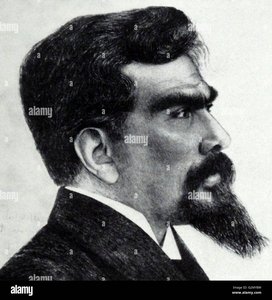
jean theodoor toorop
1858 - 1928

