

 プレビュー
プレビュー
 シェアする
シェアする シェアする
シェアする
 詳細を見る
詳細を見る

 ダウンロード
 似ている作品
 X線調査
X線調査 スライドショー
 統計情報
統計情報Angel


 詳細を見る
詳細を見る
オンラインプレビューをはるかに凌ぐ、高解像度で鮮明なデジタル画像をご購入いただけます。
各ファイルは、社内の専門家が高度なツールと熟練した手作業によるレタッチを用いて、細心の注意を払って準備されています。すべての画像において、卓越した鮮明度、正確な色彩再現性、そして繊細なディテールを保証いたします。
最終ファイルは、プロフェッショナルな編集・印刷環境ですぐにご利用いただけるよう最適化された状態で、72時間以内にメールにてお届けいたします。これは、一流のデザインスタジオ、出版社、ギャラリーから信頼されているものと同等の品質です。
デジタルアート
個人での鑑賞、印刷、クリエイティブなプロジェクト用に、高解像度ファイルをダウンロードできます。 ( プリント版に切り替え 手描きの絵画を購入)
デジタル画像のご注文に付随する特典
高品質なデジタル画像配信を、確かな品質で。
ArtsDot.com を選ぶことは、単に画像を手に入れることではありません。それは、プロの手によって精密に仕上げられ、満足保証が付いた高品質なデジタルアートワークを受け取ることを意味します。ご注文いただいた際に自動的に付随する内容は、以下の通りです:

メールですぐにお届け
ご注文から72時間以内に、高解像度のデジタル画像ファイルがメールでお手元に届きます。すぐにそのままご利用いただけます。

AI技術で最適化されたデジタルファイル
お客様の作品は、高度なAIツールと専門家による手作業の編集を組み合わせてプロフェッショナルに最適化されており、細部のディテール、鮮明さ、そして正確な色再現性を最大限に引き出しています。

一生涯無料の再送サービス
ファイルを誤って削除したり、紛失してしまったりしましたか?ご安心ください。いつでも無料で再送いたします。

輸入手数料は一切かかりません
関税や手数料、配送料を気にすることなく、お気に入りのアートワークをすぐにお楽しみいただけます。デジタルダウンロードは常に免税です。

色彩再現の保証
プロ仕様のツールとカラーマネジメント技術を用いることで、デジタル画像が元の色を最大限に忠実に再現することを保証いたします。

100日間満足保証
ご購入いただいたデジタル画像にご満足いただけない場合は、100日以内であれば、理由を問わず修正または100%の返金対応をさせていただきます。

100% 返金保証
ご満足いただけない場合は、デジタルファイルを受け取ってから100日以内であれば、理由を問わず全額返金いたします。

まとめ買い割引
3枚購入で10%OFF - 5枚購入で15%OFF - 10枚以上購入で20%OFF。クリエイティブなプロジェクト、ギャラリー、エージェンシーに最適です。
関連作品


作家の略歴
Jehan Barbet: A Master of Late Gothic Bronze
Born in the bustling heart of Paris around 1450, Jehan Barbet (also known as Jean Barbet) emerged during a pivotal era in French art – the late Gothic period. His life, though tragically brief, spanning from his birth to his death in 1501, coincided with a fascinating transition between the stylized elegance of the medieval and the burgeoning realism of the Renaissance. Barbet’s legacy rests primarily on his exceptional skill as a bronze sculptor, a medium he expertly wielded to capture both spiritual depth and remarkable anatomical detail. He wasn't merely a craftsman; he was an artist deeply attuned to the aesthetic sensibilities of his time, reflecting the complex interplay of tradition and innovation that defined 15th-century France.Early Life and Artistic Training
Details surrounding Barbet’s early life are scarce, shrouded in the typical obscurity of artists working during this period. It is believed he received his initial training within the workshops of Parisian sculptors, absorbing the techniques and stylistic conventions prevalent at the time. The late Gothic style, characterized by its elongated figures, intricate drapery, and often emotionally charged expressions, heavily influenced his formative years. This era was marked by a renewed interest in classical antiquity, albeit filtered through a distinctly Christian lens. While direct Roman influences were limited, the desire to emulate the idealized forms of Greek sculpture subtly began to permeate French art, a trend Barbet would later embrace. The workshops themselves were centers of not just artistic production but also social and intellectual exchange, providing young sculptors with access to patrons, materials, and the latest developments in artistic theory.The Angel: A Defining Masterpiece
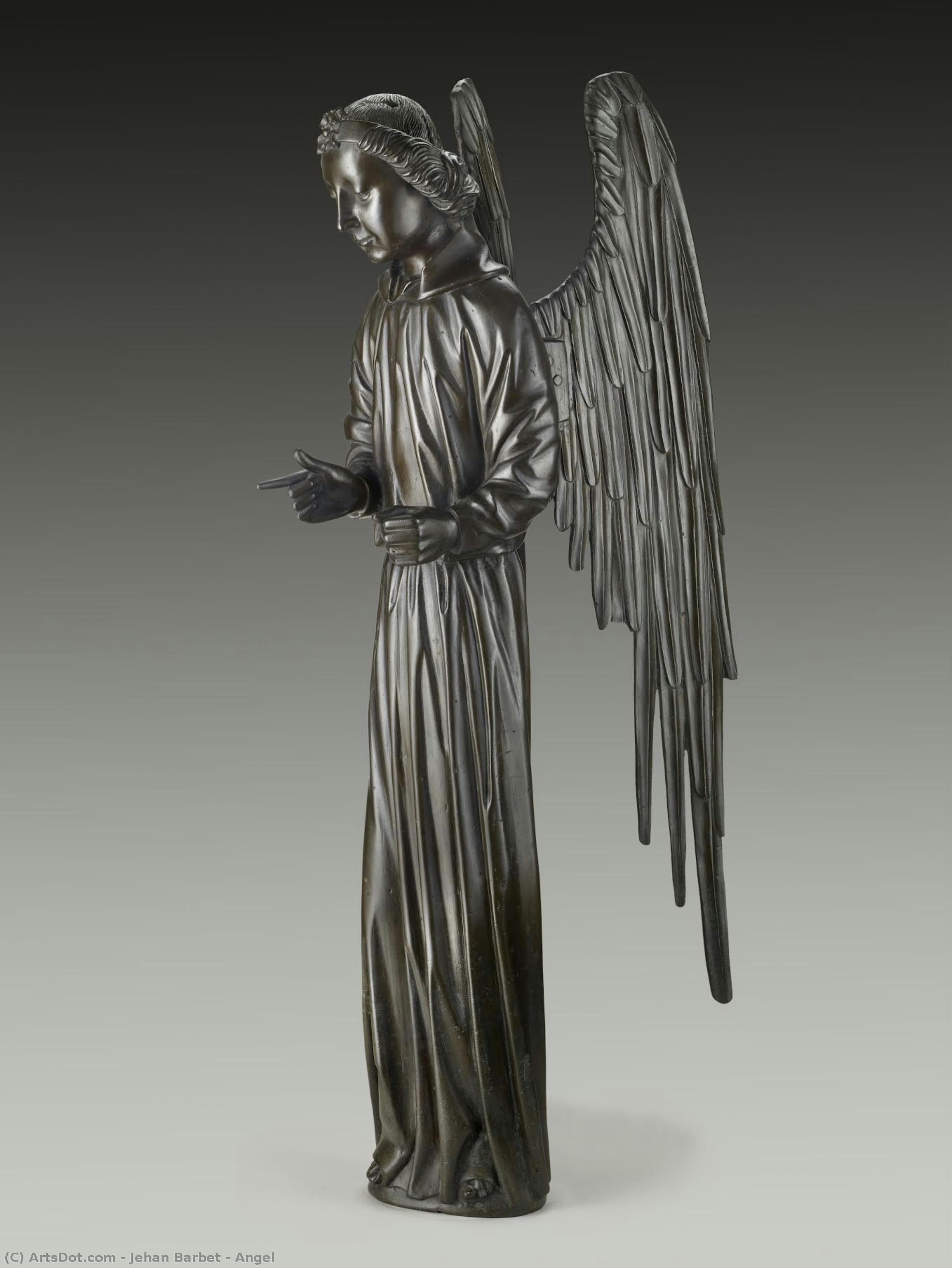
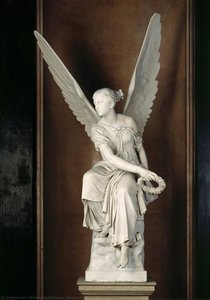
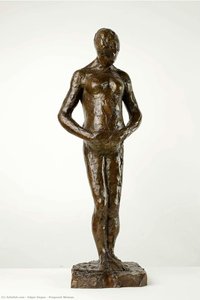
Perhaps Barbet’s most celebrated work is his bronze sculpture “Angel” (1475), a piece that encapsulates the essence of his artistry. This dynamic depiction of an angel isn't simply a representation of divine grace; it’s a study in movement, emotion, and anatomical precision. The statue showcases a remarkable understanding of human musculature, rendered with a level of realism previously uncommon in religious sculpture. Notice the subtle curve of the wings, the delicate fingers reaching out in supplication, and the expression of profound serenity on the angel's face – all hallmarks of Barbet’s skill. The work demonstrates a clear shift towards classical influences, particularly in the contrapposto pose (weight shifted to one leg), which creates a sense of naturalism and balance. The use of bronze itself—a material prized for its durability and ability to capture detail—further elevates the sculpture's impact. It’s important to note that this piece wasn’t created in isolation; Barbet likely drew inspiration from both contemporary Gothic models and emerging classical forms, skillfully blending these influences into a uniquely personal style.Technique and Materials
Barbet’s mastery lay not only in his artistic vision but also in his technical proficiency. Bronze casting was a complex process requiring considerable skill and experience. He would have worked with molds, carefully controlling the heat of the furnace to ensure an even distribution of molten bronze, minimizing imperfections and maximizing detail. The surface finish of his sculptures—often polished to a gleaming sheen—was achieved through meticulous grinding and polishing techniques. Furthermore, Barbet’s understanding of materials extended beyond bronze; he likely utilized pigments for coloring and patination to enhance the visual impact of his works. His ability to manipulate these elements contributed significantly to the lifelike quality of his sculptures.Historical Significance and Legacy
Jehan Barbet's contribution to French sculpture during the late Gothic period is significant, bridging the gap between medieval tradition and Renaissance innovation. While he didn’t achieve widespread fame during his lifetime, “Angel” stands as a testament to his exceptional talent and artistic vision. His work exemplifies the evolving aesthetic sensibilities of 15th-century France, reflecting both the enduring power of religious iconography and the growing interest in human form and naturalism. Barbet's legacy lies not just in individual masterpieces but also in his role as a pivotal figure in the transition from Gothic to Renaissance art, demonstrating how artistic styles could evolve while retaining core values and expressive power. His sculptures continue to be studied and admired for their technical skill, emotional depth, and enduring beauty.
jehan barbet
1450 - 1501 , France
プロフィール概要
- Artistic Movement Or Style: Late Gothic
- Date Of Birth: 1450 Paris, France
- Date Of Death: 1501
- Full Name: Jehan Barbet
- Nationality: French
- Notable Artworks: ['Angel (1475)']
- Place Of Birth: Paris, France