

 プリントを購入
 シェアする
シェアする シェアする
シェアする
 詳細を見る
詳細を見る

 ダウンロード
 似ている作品
 スライドショー
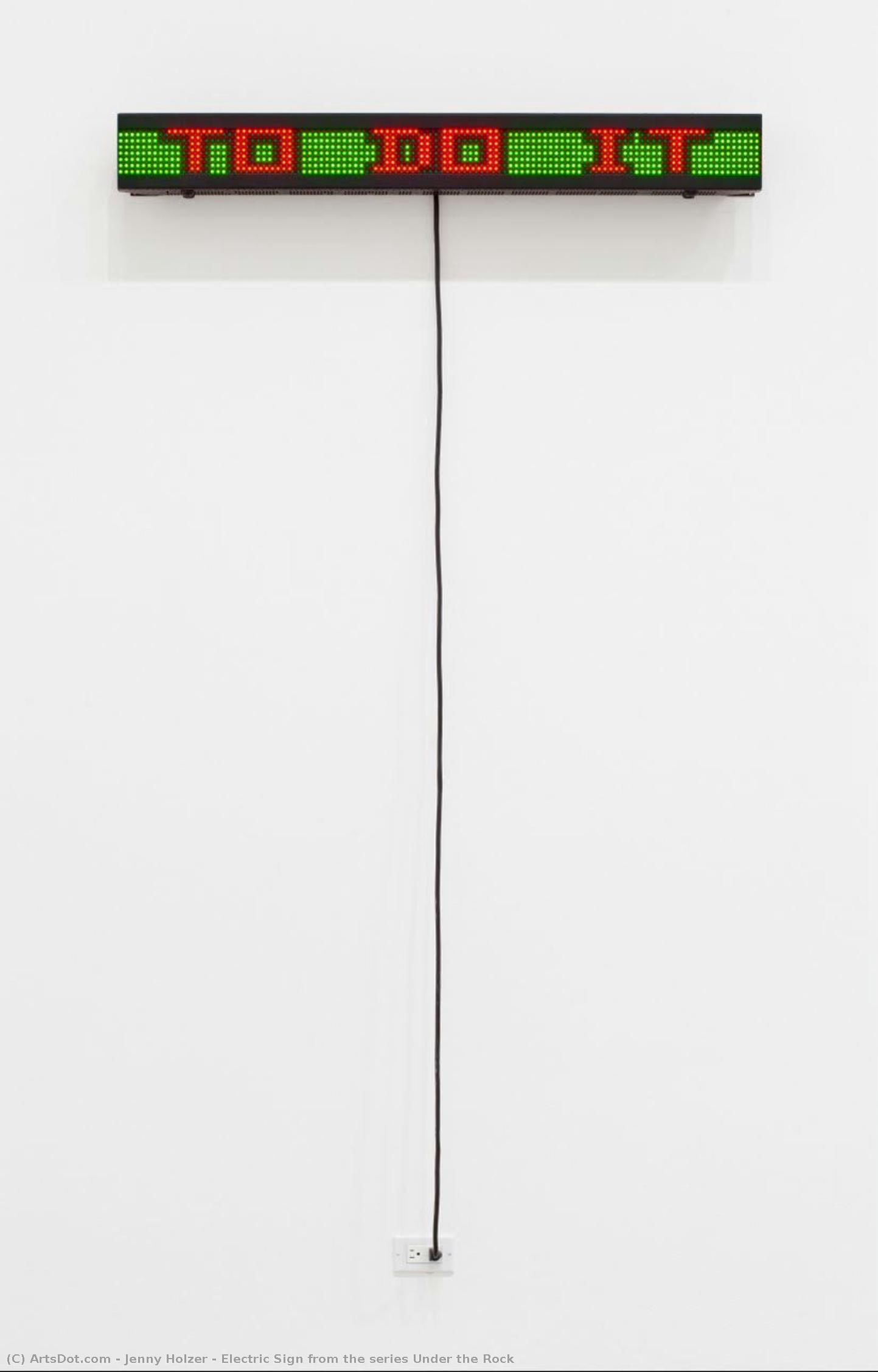
Electric Sign from the series Under the Rock
 Other-None
- Neo-Conceptualism
 1986
1986 15.0 x 11.0 cm
 MoMA(ニューヨーク近代美術館)
 詳細を見る
詳細を見る
オンラインプレビューをはるかに凌ぐ、高解像度で鮮明なデジタル画像をご購入いただけます。
各ファイルは、社内の専門家が高度なツールと熟練した手作業によるレタッチを用いて、細心の注意を払って準備されています。すべての画像において、卓越した鮮明度、正確な色彩再現性、そして繊細なディテールを保証いたします。
最終ファイルは、プロフェッショナルな編集・印刷環境ですぐにご利用いただけるよう最適化された状態で、72時間以内にメールにてお届けいたします。これは、一流のデザインスタジオ、出版社、ギャラリーから信頼されているものと同等の品質です。
デジタル画像のご注文に付随する特典
高品質なデジタル画像配信を、確かな品質で。
ArtsDot.com を選ぶことは、単に画像を手に入れることではありません。それは、プロの手によって精密に仕上げられ、満足保証が付いた高品質なデジタルアートワークを受け取ることを意味します。ご注文いただいた際に自動的に付随する内容は、以下の通りです:

メールですぐにお届け
ご注文から72時間以内に、高解像度のデジタル画像ファイルがメールでお手元に届きます。すぐにそのままご利用いただけます。

AI技術で最適化されたデジタルファイル
お客様の作品は、高度なAIツールと専門家による手作業の編集を組み合わせてプロフェッショナルに最適化されており、細部のディテール、鮮明さ、そして正確な色再現性を最大限に引き出しています。

一生涯無料の再送サービス
ファイルを誤って削除したり、紛失してしまったりしましたか?ご安心ください。いつでも無料で再送いたします。

輸入手数料は一切かかりません
関税や手数料、配送料を気にすることなく、お気に入りのアートワークをすぐにお楽しみいただけます。デジタルダウンロードは常に免税です。

色彩再現の保証
プロ仕様のツールとカラーマネジメント技術を用いることで、デジタル画像が元の色を最大限に忠実に再現することを保証いたします。

60日間満足保証
ご購入いただいたデジタル画像にご満足いただけない場合は、60日以内であれば、修正または100%の返金(理由を問う必要はありません)をさせていただきます。

100% 返金保証
ご満足いただけない場合は、デジタルファイルを受け取ってから60日以内であれば、理由を問わず全額返金いたします。

まとめ買い割引
3枚購入で10%OFF - 5枚購入で15%OFF - 10枚以上購入で20%OFF。クリエイティブなプロジェクト、ギャラリー、エージェンシーに最適です。
作品の詳細
Jenny Holzer’s Provocative Echo: “Electric Sign from the series Under the Rock”
Jenny Holzer's "Electric Sign from the series Under the Rock," a deceptively simple neon installation, isn’t merely a display of light and text; it’s a carefully constructed interrogation of language, power, and the very fabric of public discourse. Created in 1986, this piece embodies the core tenets of Holzer's neo-conceptualist practice – a deliberate blurring of art and life, where words become visual statements demanding immediate engagement. The work’s starkness—a white wall illuminated by the bold red and green letters “To Do It”—immediately confronts the viewer, forcing them to confront their own complicity in the relentless demands of modern society.
Holzer's strategic deployment of neon is crucial to understanding the piece. Neon’s inherent artificiality—its manufactured glow—creates a sense of detachment from the natural world, mirroring the often-sterile and transactional nature of contemporary communication. The stark contrast between the vibrant, almost aggressive, colors of the text against the neutral white background amplifies this effect, drawing attention to the phrase itself and its unsettling simplicity. It’s a visual shorthand for the constant pressure to be productive, to ‘do it,’ without necessarily questioning *why* or *what*.
Decoding the Text: “To Do It” – A Layered Meaning
The seemingly straightforward instruction, "To Do It," carries a profound weight of ambiguity. Holzer deliberately avoids providing context, allowing each viewer to project their own interpretations onto the phrase. Is it a directive from an unseen authority? A cynical observation about the demands of capitalism? Or perhaps a subtle critique of self-imposed pressure and the relentless pursuit of efficiency? The lack of resolution is precisely what makes the work so compelling – it’s not offering answers, but rather prompting a dialogue within the viewer themselves. This deliberate vagueness aligns with Holzer's broader project of exposing the underlying assumptions and power structures that shape our lives.
Furthermore, the phrase resonates with the historical context of the 1980s – an era marked by rapid technological advancement, consumerism, and a growing sense of anxiety about the future. The neon sign itself evokes the imagery of urban landscapes, advertising billboards, and commercial signage—elements that were increasingly prevalent in public spaces during this period. By juxtaposing these familiar symbols with a minimalist text, Holzer creates a potent commentary on the pervasive influence of consumer culture and its impact on individual identity.
Crafting the Illusion: Photography and Neon Technique
The photograph capturing “Electric Sign from the series Under the Rock” is not merely documentation; it’s an artistic intervention in itself. The photographer has skillfully captured the interplay of light and shadow, emphasizing the vibrancy of the neon tubes while maintaining a sense of isolation for the sign. The tight framing draws attention to the text, minimizing any distractions and maximizing its impact. The choice of a white background further amplifies the intensity of the colors, creating a visually arresting composition.
Holzer’s use of neon is itself a complex technique. Neon signs require careful engineering and precise control over electrical currents to produce consistent color and brightness. The tubes themselves are susceptible to fading and degradation over time, adding another layer of ephemerality to the work. The photograph effectively captures this transient quality, suggesting that the sign’s message is constantly evolving and being reinterpreted by its audience.
A Legacy of Public Engagement
“Electric Sign from the series Under the Rock” stands as a testament to Jenny Holzer's enduring influence on contemporary art. Her work continues to provoke, challenge, and inspire viewers around the world. Reproductions of this iconic piece offer a powerful way to engage with Holzer’s thought-provoking ideas – a reminder that even the simplest words can hold profound significance when presented in the right context. It's an invitation to question our assumptions, resist conformity, and actively participate in shaping the narratives that define our lives.
関連作品
作家の略歴
Jenny Holzer: Architect of Public Thought
Jenny Holzer, a name synonymous with provocative public art and the potent deployment of language, stands as a pivotal figure in neo-conceptualism. Born in Gallipolis, Ohio, in 1950, her journey from aspiring painter to globally recognized artist is marked by a relentless interrogation of power, society, and the very nature of communication. Holzer’s work isn't merely visual; it’s an immersive experience designed to challenge viewers, sparking reflection and demanding engagement with complex ideas. Her career, spanning decades and encompassing diverse media – from billboards and LED projections to stone benches and painted signs – has cemented her legacy as a vital voice in contemporary art.
Early Influences and Artistic Beginnings
Holzer’s artistic roots were initially planted in the traditional world of painting. She began formal training at Duke University, Durham, North Carolina, followed by studies at the University of Chicago and Ohio University, where she honed her skills in drawing, printmaking, and painting. However, a pivotal shift occurred during her time at the Rhode Island School of Design (RISD) in 1974-75. It was here that she began to experiment with language as a primary artistic medium, moving beyond representational imagery and embracing the directness of text. This nascent interest coincided with her relocation to New York City in 1976, where she joined the Whitney Museum’s Independent Study Program – a crucible for experimental art practices. Crucially, Holzer found work as a typesetter for Laundry News, a laundromat-industry trade newspaper, providing a grounding in typography and printmaking that would later inform her distinctive visual style.
The Rise of “Truisms” and Public Intervention
Holzer’s breakthrough arrived with the creation of *Truisms* (1977-79), a series of nearly 300 aphoristic statements printed on white paper in black italic script and wheat-pasted onto buildings, walls, and fences throughout Manhattan. These deceptively simple pronouncements – often drawn from her extensive reading list at the Whitney Independent Study Program – served as a radical intervention into the urban landscape. *Truisms* weren’t intended to be aesthetically pleasing; their power lay in their bluntness, challenging viewers to question assumptions about truth, knowledge, and societal norms. The anonymity of the project further amplified its impact, fostering a sense of collective engagement and critical dialogue. This early work established Holzer's core methodology: deploying concise, often unsettling statements within public spaces to provoke thought and challenge conventional perspectives.
Expanding the Medium: LED Projections and Beyond
Following *Truisms*, Holzer continued to explore the possibilities of language in public space. The *Living* series (1980-82), presented on aluminum and bronze plaques, addressed the mundane necessities of daily life – eating, breathing, sleeping, and human relationships – with a stark, matter-of-fact tone. This period also saw Holzer’s first foray into electronic signage, culminating in her iconic display at Times Square in 1982. From this point forward, LED projections became a central element of her practice, allowing for dynamic, site-specific installations that responded to the architecture and context of their surroundings. Holzer's work has since diversified dramatically, incorporating traditional media such as painting, stone benches, and even a race car for BMW, demonstrating an ongoing commitment to experimentation and pushing the boundaries of artistic expression.
Legacy and Critical Significance
Jenny Holzer’s impact on contemporary art is undeniable. She belongs to a generation of artists who sought new ways to integrate narrative and commentary into visual objects, challenging traditional notions of representation. Her work has been exhibited worldwide, including at major institutions such as the Guggenheim Museum in New York and the Neue Nationalgalerie in Berlin. Holzer’s exploration of themes like power, gender, war, and surveillance continues to resonate deeply with audiences today, prompting critical reflection on the social and political forces shaping our world. Her legacy extends beyond individual artworks; she has fundamentally altered the way public space is perceived and utilized as a site for artistic intervention, solidifying her position as a pioneering voice in neo-conceptualism and a vital commentator on the complexities of modern society.
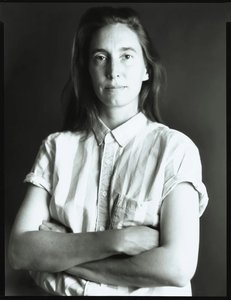
Jenny Holzer
1950 - , United States of America
プロフィール概要
- Artistic Movement Or Style: Neo-conceptual art
- Artists Or Movements Influenced By This Artist:
- Cindy Sherman
- Sarah Charlesworth
- Artists Who Influenced This Artist:
- Louise Lawler
- Barbara Kruger
- Date Of Birth: July 29, 1950
- Full Name: Jenny Holzer
- Nationality: American
- Notable Artworks:
- Truisms
- DODDOACID
- Survival Series
- Place Of Birth: Gallipolis, Ohio

