

 プレビュー
プレビュー
 プリントを購入
 シェアする
シェアする シェアする
シェアする
 詳細を見る
詳細を見る

 ダウンロード
 似ている作品
 X線調査
X線調査 スライドショー
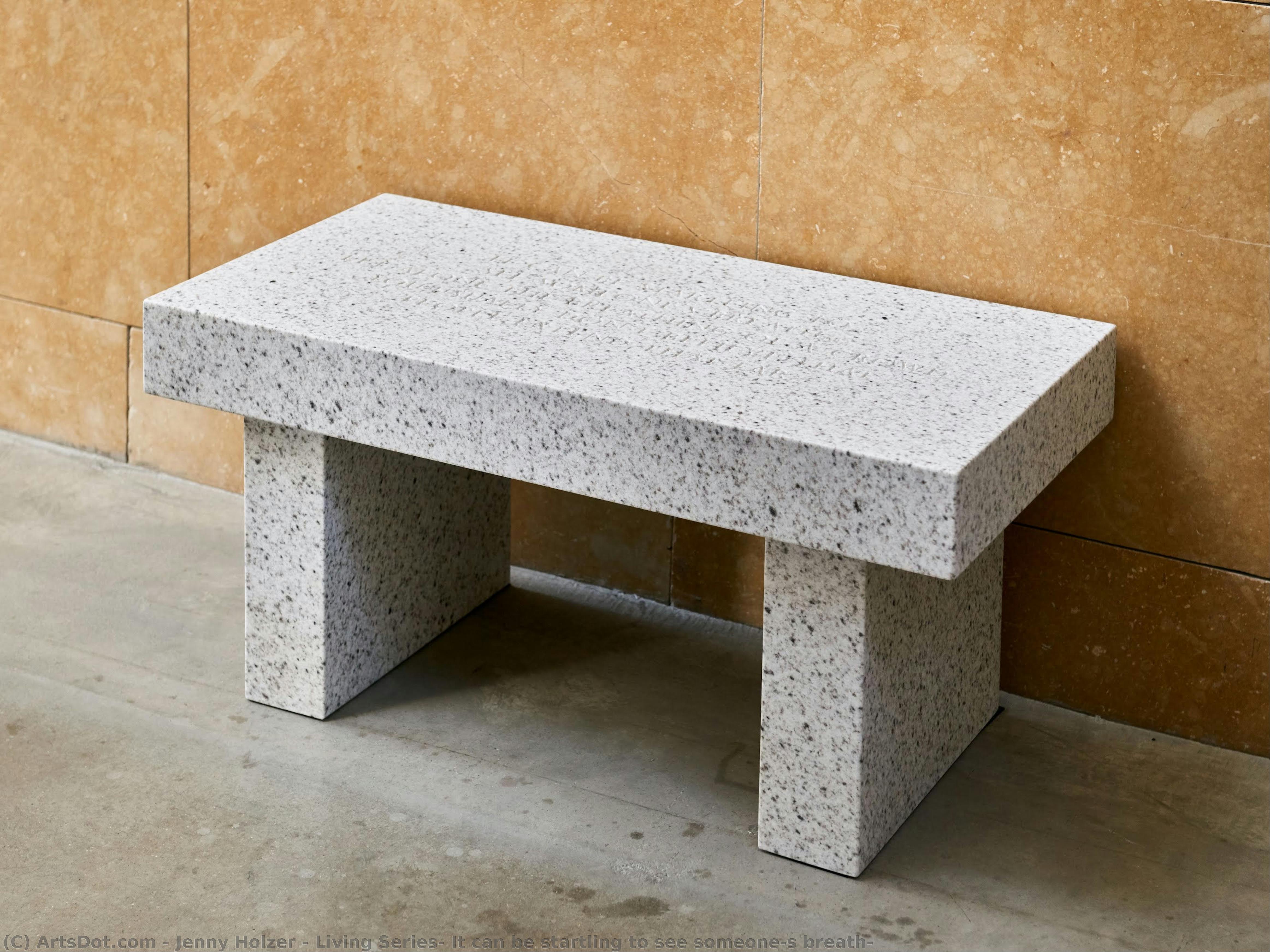
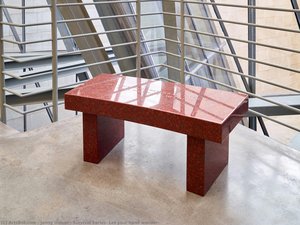
Living Series: It can be startling to see someone’s breath…
 Neo-Conceptualism
 1989
1989 91.0 x 46.0 cm
 グッゲンハイム美術館ビルバオ
 詳細を見る
詳細を見る




P118B $10

P118H $10

P118W $10

P438Z $10

P508JH $12

P508YH $12

P805H $10

P805Z $10

P919BZ $10

P919G $10

P919XJ $10

P959ZH $10

P968JZ $12

W106C $8

W218G $10

W218JH $8

W218Y $10

W307PJ $10

W316G $10

W316PJ $8

W316Y $10

W398PJ $8

W4111J $10

W500HY $15

W500JH $15

W692G $12

W849H $8

W940BG $15

W953PJ $8




作品のオリジナル比率に合わせた、当店の規定サイズからお選びください。

特定のフレームやスペースに合わせて、ご希望のサイズをご入力いただけます。選択されたサイズが元の画像の比率と異なる場合、アートワークをトリミングするか、手描きで要素を追加して絵画を拡張いたします。デジタルモックアップ を制作し、制作開始前にご確認(承認)をいただきます。
画面上のプレビューは、実際のトリミングや拡張を正確に反映しているものではありません。最終的な構図は、モックアップによってのみ正確にご確認いただけます。
カスタムサイズもご利用いただけますが、元の比率を維持するためには、あらかじめ用意されたリストからサイズを選択することをお勧めいたします。
ご注文後、ArtsDot.com チームより詳細な指示をお送りするとともに、仕上がりイメージ(モックアップ)をご提供いたします。


 ガラスオプションは、110cm未満のサイズでのみご利用いただけます。

Living Series: It can be startling to see someone’s breath…
複製技法
複製画のサイズ
-


合計金額
$ 263
作品解説
Jenny Holzer: Architect of Public Thought
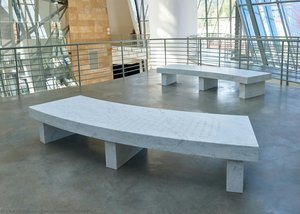
Jenny Holzer stands as a singular voice in neo-conceptualism, reshaping artistic discourse through her unwavering interrogation of power structures and societal norms. Born in Gallipolis, Ohio, in 1950, her journey from aspiring painter to internationally recognized artist is defined by an uncompromising dedication to exploring the complexities of communication and its influence on human consciousness. Holzer’s oeuvre transcends mere visual representation; it's a deliberate provocation designed to stimulate contemplation and foster engagement with profound philosophical questions. Her prolific career spanning decades encompasses diverse mediums – monumental installations, striking billboards, intricate LED projections, and meticulously crafted stone benches – cementing her legacy as an indispensable figure in contemporary art history. Early Influences and Artistic Beginnings Holzer’s artistic genesis lay within the realm of painting, where she honed foundational skills at Duke University and subsequently pursued formal training at Chicago University and Ohio University. These formative experiences instilled a deep appreciation for visual language and established her inclination towards conceptual exploration. Notably, Holzer's participation in Colab during the late 1970s—a collaborative artistic endeavor centered on challenging conventional art practices—proved pivotal to shaping her distinctive aesthetic vision. This period witnessed the emergence of “Truisms,” a series of black text fragments emblazoned on white paper and strategically affixed throughout Manhattan, marking Holzer’s initial foray into public art and establishing her commitment to confronting societal anxieties through concise declarative statements. The Living Series: A Dialogue with Landscape and Reflection Holzer's seminal contribution to the art world arrived in 1989 with “Living,” a monumental stone bench commissioned for Bilbao’s Guggenheim Museum—a project that embodies Holzer’s core artistic philosophy. The sculpture, crafted from Bethel white granite, serves as an invitation to pause amidst the bustling urban environment and contemplate the relationship between humanity and nature. Its smooth surface contrasts sharply with the textured stone, symbolizing resilience and permanence – qualities Holzer herself attributes to her art practice. As she eloquently articulated, “I appreciate and depend on the ephemeral and disembodied—and on solid rocks,” reflecting a deliberate juxtaposition of transient experience and enduring materiality. The engraved text, "It can be startling to see someone’s breath," encapsulates the essence of Holzer's Living Series: a meditation on vulnerability, observation, and the subtle interplay between individual perception and external surroundings. Technique and Conceptual Depth Holzer’s artistic process prioritizes conceptual rigor alongside meticulous craftsmanship. The stone bench exemplifies her commitment to transforming simple materials into vehicles for complex ideas—a hallmark of neo-conceptualism's core tenets. She painstakingly selects granite, considering its geological history and inherent qualities as integral components of the artwork’s narrative. Furthermore, Holzer employs a technique known as “etching,” whereby she inscribes text onto the stone surface using acid etching – a method that ensures precision and durability. This process underscores Holzer's belief that "the physical object is no longer as important as the concept behind it," aligning perfectly with her artistic ethos. The resulting bench stands as a testament to Holzer’s ability to synthesize aesthetic beauty with intellectual provocation, inviting viewers to engage in dialogue about fundamental questions concerning human existence and social responsibility. Symbolism and Emotional Resonance “Living” transcends its material form—the granite stone—to convey profound symbolic meanings rooted in Holzer's philosophical explorations. The text itself serves as a catalyst for introspection, prompting contemplation on themes of solitude, awareness, and the confrontation with one’s own inner landscape. Holzer deliberately chooses words that resonate with both immediacy and subtlety, recognizing their capacity to elicit emotional responses and fostering a sense of shared experience among those encountering the sculpture. As she stated during an interview about her artistic intentions, “We are alone before the solitude of an open space, surrounded by other people,” highlighting the artwork’s exploration of existential anxieties—a recurring motif throughout Holzer's oeuvre. The bench’s placement within Bilbao’s Guggenheim Museum reinforces this symbolic dimension, positioning it as a focal point for contemplation amidst the vibrant cultural landscape of Spain. Concluding Remarks: A Legacy of Thoughtful Engagement Jenny Holzer’s “Living” represents more than just a sculptural object; it embodies Holzer's unwavering conviction that art possesses the power to challenge assumptions and inspire critical reflection. Her enduring influence stems from her pioneering approach to conceptual art—a genre characterized by prioritizing ideas over visual spectacle—and her steadfast dedication to confronting societal injustices through artistic expression. Like all of Holzer’s work, “Living” invites viewers to engage in a dialogue with profound philosophical questions, prompting contemplation on the human condition and fostering awareness of our interconnectedness with the natural world. Its enduring presence within Bilbao's Guggenheim Museum serves as a poignant reminder of Holzer’s legacy—a testament to her transformative contribution to contemporary art history.関連作品


アーティストの略歴
Jenny Holzer: Architect of Public Thought
Jenny Holzer, a name synonymous with provocative public art and the potent deployment of language, stands as a pivotal figure in neo-conceptualism. Born in Gallipolis, Ohio, in 1950, her journey from aspiring painter to globally recognized artist is marked by a relentless interrogation of power, society, and the very nature of communication. Holzer’s work isn't merely visual; it’s an immersive experience designed to challenge viewers, sparking reflection and demanding engagement with complex ideas. Her career, spanning decades and encompassing diverse media – from billboards and LED projections to stone benches and painted signs – has cemented her legacy as a vital voice in contemporary art.
Early Influences and Artistic Beginnings
Holzer’s artistic roots were initially planted in the traditional world of painting. She began formal training at Duke University, Durham, North Carolina, followed by studies at the University of Chicago and Ohio University, where she honed her skills in drawing, printmaking, and painting. However, a pivotal shift occurred during her time at the Rhode Island School of Design (RISD) in 1974-75. It was here that she began to experiment with language as a primary artistic medium, moving beyond representational imagery and embracing the directness of text. This nascent interest coincided with her relocation to New York City in 1976, where she joined the Whitney Museum’s Independent Study Program – a crucible for experimental art practices. Crucially, Holzer found work as a typesetter for Laundry News, a laundromat-industry trade newspaper, providing a grounding in typography and printmaking that would later inform her distinctive visual style.
The Rise of “Truisms” and Public Intervention
Holzer’s breakthrough arrived with the creation of *Truisms* (1977-79), a series of nearly 300 aphoristic statements printed on white paper in black italic script and wheat-pasted onto buildings, walls, and fences throughout Manhattan. These deceptively simple pronouncements – often drawn from her extensive reading list at the Whitney Independent Study Program – served as a radical intervention into the urban landscape. *Truisms* weren’t intended to be aesthetically pleasing; their power lay in their bluntness, challenging viewers to question assumptions about truth, knowledge, and societal norms. The anonymity of the project further amplified its impact, fostering a sense of collective engagement and critical dialogue. This early work established Holzer's core methodology: deploying concise, often unsettling statements within public spaces to provoke thought and challenge conventional perspectives.
Expanding the Medium: LED Projections and Beyond
Following *Truisms*, Holzer continued to explore the possibilities of language in public space. The *Living* series (1980-82), presented on aluminum and bronze plaques, addressed the mundane necessities of daily life – eating, breathing, sleeping, and human relationships – with a stark, matter-of-fact tone. This period also saw Holzer’s first foray into electronic signage, culminating in her iconic display at Times Square in 1982. From this point forward, LED projections became a central element of her practice, allowing for dynamic, site-specific installations that responded to the architecture and context of their surroundings. Holzer's work has since diversified dramatically, incorporating traditional media such as painting, stone benches, and even a race car for BMW, demonstrating an ongoing commitment to experimentation and pushing the boundaries of artistic expression.
Legacy and Critical Significance
Jenny Holzer’s impact on contemporary art is undeniable. She belongs to a generation of artists who sought new ways to integrate narrative and commentary into visual objects, challenging traditional notions of representation. Her work has been exhibited worldwide, including at major institutions such as the Guggenheim Museum in New York and the Neue Nationalgalerie in Berlin. Holzer’s exploration of themes like power, gender, war, and surveillance continues to resonate deeply with audiences today, prompting critical reflection on the social and political forces shaping our world. Her legacy extends beyond individual artworks; she has fundamentally altered the way public space is perceived and utilized as a site for artistic intervention, solidifying her position as a pioneering voice in neo-conceptualism and a vital commentator on the complexities of modern society.
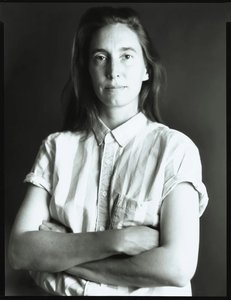
Jenny Holzer
1950 - , United States of America
基本情報
- Artistic Movement Or Style: Neo-conceptual art
- Artists Or Movements Influenced By This Artist:
- Cindy Sherman
- Sarah Charlesworth
- Artists Who Influenced This Artist:
- Louise Lawler
- Barbara Kruger
- Date Of Birth: July 29, 1950
- Full Name: Jenny Holzer
- Nationality: American
- Notable Artworks:
- Truisms
- DODDOACID
- Survival Series
- Place Of Birth: Gallipolis, Ohio
関連記事

Bronze Sculptures That Defined Art History | ArtsDot
Journey through art history with our Top 10 bronze sculptures! Explore masterpieces by Rodin, Michelangelo & more. Discover stories behind iconic statues and find museum-quality reproductions for your home decor at ArtsDot.com.

The Enduring Form: Exploring Themes & Techniques in Sculpture Across Historical Periods
Explore the rich history of sculpture from ancient masterpieces to contemporary innovations. Discover key techniques, influential artists & investment potential for discerning art collectors.

The Enduring Form: Sculpture Across History, Technique & Emotional Resonance
Explore the rich history of sculpture with ArtsDot. Discover key techniques, influential artists & investment potential for discerning collectors. Expert insights into valuing and collecting timeless masterpieces.

Bronze Age to Modern Masters: 10 Sculptures That Redefined Art | ArtsDot
Journey through art history with 10 legendary bronze sculptures – from Michelangelo's David to Rodin’s Thinker. Explore the stories, techniques & timeless beauty of these masterpieces. Find museum-quality reproductions & elevate your home decor on ArtsDot.com.
青銅彫刻の永続的遺産:歴史、技法、そして現代における解釈
青銅彫刻の歴史、技法、現代における解釈を専門家が解説。古代から現代までの貴重な作品群を深く理解し、コレクションや投資に役立つ情報を提供します。美術品鑑定、修復についてもご紹介。

