

 プレビュー
プレビュー
 プリントを購入
 シェアする
シェアする シェアする
シェアする
 詳細を見る
詳細を見る

 ダウンロード
 似ている作品
 X線調査
X線調査 スライドショー
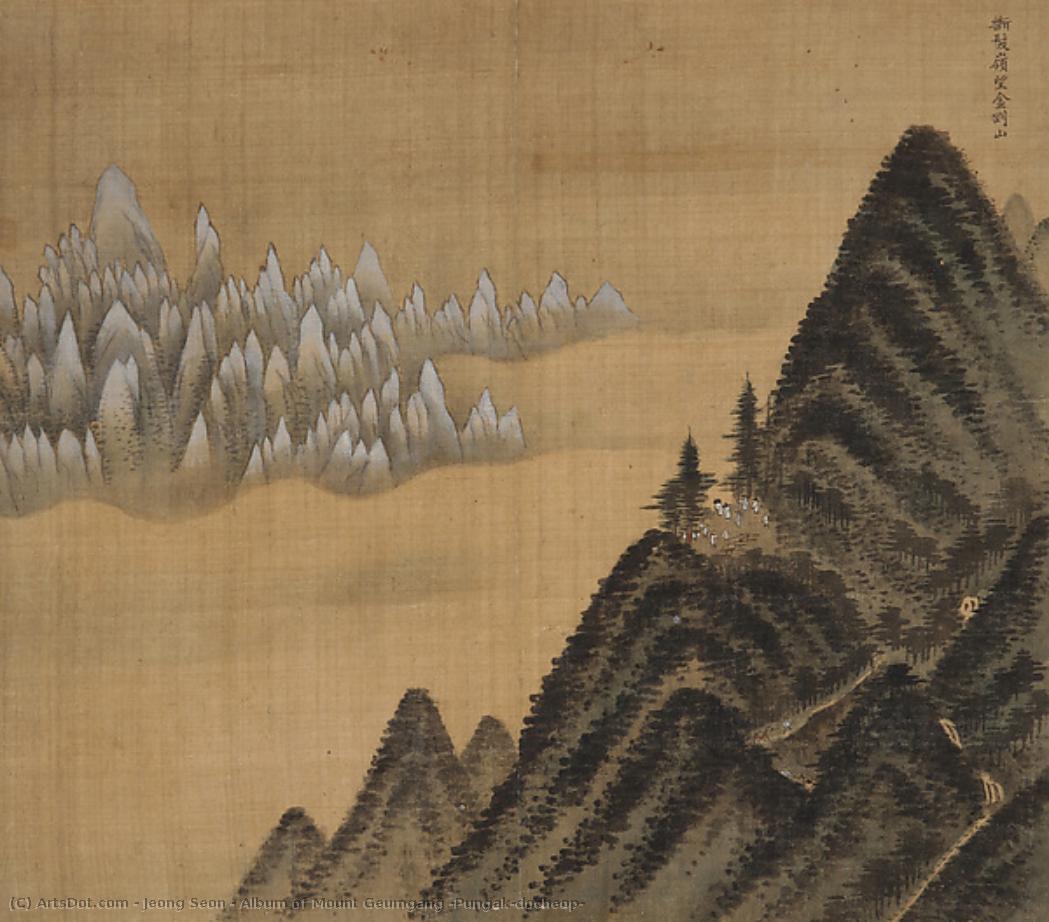
Album of Mount Geumgang (Pungak-docheop)
 1711
1711 36.0 x 37.0 cm
 詳細を見る
詳細を見る
オンラインプレビューをはるかに凌ぐ、高解像度で鮮明なデジタル画像をご購入いただけます。
各ファイルは、社内の専門家が高度なツールと熟練した手作業によるレタッチを用いて、細心の注意を払って準備されています。すべての画像において、卓越した鮮明度、正確な色彩再現性、そして繊細なディテールを保証いたします。
最終ファイルは、プロフェッショナルな編集・印刷環境ですぐにご利用いただけるよう最適化された状態で、72時間以内にメールにてお届けいたします。これは、一流のデザインスタジオ、出版社、ギャラリーから信頼されているものと同等の品質です。
デジタル画像のご注文に付随する特典
高品質なデジタル画像配信を、確かな品質で。
ArtsDot.com を選ぶことは、単に画像を手に入れることではありません。それは、プロの手によって精密に仕上げられ、満足保証が付いた高品質なデジタルアートワークを受け取ることを意味します。ご注文いただいた際に自動的に付随する内容は、以下の通りです:

メールですぐにお届け
ご注文から72時間以内に、高解像度のデジタル画像ファイルがメールでお手元に届きます。すぐにそのままご利用いただけます。

AI技術で最適化されたデジタルファイル
お客様の作品は、高度なAIツールと専門家による手作業の編集を組み合わせてプロフェッショナルに最適化されており、細部のディテール、鮮明さ、そして正確な色再現性を最大限に引き出しています。

一生涯無料の再送サービス
ファイルを誤って削除したり、紛失してしまったりしましたか?ご安心ください。いつでも無料で再送いたします。

輸入手数料は一切かかりません
関税や手数料、配送料を気にすることなく、お気に入りのアートワークをすぐにお楽しみいただけます。デジタルダウンロードは常に免税です。

色彩再現の保証
プロ仕様のツールとカラーマネジメント技術を用いることで、デジタル画像が元の色を最大限に忠実に再現することを保証いたします。

100日間満足保証
ご購入いただいたデジタル画像にご満足いただけない場合は、100日以内であれば、修正または100%の返金(理由を問う必要はありません)をさせていただきます。

100% 返金保証
ご満足いただけない場合は、デジタルファイルを受け取ってから100日以内であれば、理由を問わず全額返金いたします。

まとめ買い割引
3枚購入で10%OFF - 5枚購入で15%OFF - 10枚以上購入で20%OFF。クリエイティブなプロジェクト、ギャラリー、エージェンシーに最適です。
関連作品










作家の略歴
A Pioneer of Korean Landscape: The Life and Art of Jeong Seon
Jeong Seon, known to the world by his pen name Gyeomjae, emerged from a Korea undergoing subtle yet significant shifts in intellectual and artistic currents during the late 17th and early 18th centuries. Born in 1676 in the heart of Seoul, Jeong Seon’s beginnings were marked not by privilege but by modest circumstances. Though his family boasted an illustrious lineage, they lacked the financial stability to support a traditional scholarly path for their son. This circumstance, however, proved unexpectedly liberating. Denied access to the formal training reserved for the *yangban* class—the scholar-officials—Jeong Seon was free to forge his own artistic direction, unburdened by convention. He began painting daily, driven by an innate talent and a relentless dedication that would define his prolific career. This early immersion in observation and practice laid the foundation for a revolutionary approach to landscape painting in Korea.Breaking with Tradition: The Birth of “True-View” Painting
Prior to Jeong Seon, Korean landscape painting was heavily influenced by Chinese styles, often adhering to established conventions that prioritized idealized representations over realistic depictions. Jeong Seon boldly departed from this tradition, pioneering what became known as "true-view" landscape painting (*jingyeong sansuhwa*). This wasn’t merely a stylistic shift; it represented a fundamental change in artistic philosophy. Instead of recreating landscapes based on literary allusions or imagined ideals, Jeong Seon ventured into the Korean countryside, directly observing and meticulously recording the natural world before him. He focused intently on Korea's unique geographical features—its majestic mountains, winding rivers, and dramatic coastlines—imbuing his work with a sense of national identity previously unseen in Korean art. His paintings weren’t simply landscapes; they were portraits of Korea itself. This dedication to realism was not about photographic accuracy but rather capturing the *essence* of a place, its atmosphere, and its spirit.Influences and Artistic Style
While Jeong Seon broke from many traditions, he wasn’t entirely without influences. The intellectual ferment of his time, particularly the *Silhak* movement—a school of thought advocating practical learning and empirical observation—undoubtedly shaped his artistic approach. Silhak scholars emphasized the importance of understanding Korea's geography, economy, and culture, a sentiment that resonated deeply with Jeong Seon’s commitment to depicting the Korean landscape accurately. Artistically, he admired the work of the Chinese painter Mi Fei (1052–1107), known for his expressive brushwork and atmospheric effects. However, Jeong Seon adapted these influences to create a distinctly Korean style characterized by bold brushstrokes, layered ink washes, and a masterful interplay of light and shadow. He skillfully intermixed dark and light areas, creating depth and texture that brought his landscapes to life. His technique involved building up layers of ink, allowing the underlying tones to peek through, resulting in a dynamic and visually compelling effect.Mount Geumgang and Lasting Legacy
Perhaps Jeong Seon’s most celebrated subject was Mount Geumgang (also known as Diamond Mountains), located on the border between Korea and North Korea. He painted this iconic mountain range over one hundred times, each rendition revealing a new perspective or capturing a different mood. Works like “General View of Inner Geumgang” and his album *Pungak-docheop* are considered masterpieces of Korean landscape painting. These paintings weren’t just artistic achievements; they were acts of national pride, showcasing the beauty and grandeur of Korea's natural heritage. Jeong Seon’s innovative style profoundly impacted subsequent generations of Korean artists. He is rightfully regarded as one of the most important figures in Korean art history, inspiring countless others to embrace realism and explore their own cultural identity through landscape painting. His legacy continues to resonate today, influencing contemporary artists and shaping our understanding of Korea's artistic heritage. He died in 1759, leaving behind a body of work that stands as a testament to his vision, skill, and unwavering dedication to capturing the soul of Korea on canvas.
Jeong Seon
1676 - 1759 , South Korea
プロフィール概要
- Artistic Movement Or Style: True-view landscape
- Artists Or Movements Influenced By This Artist: ['Korean landscape painters']
- Artists Who Influenced This Artist: ['Mi Fei']
- Date Of Birth: February 16, 1676
- Date Of Death: 1759
- Full Name: Jeong Seon
- Nationality: Korean
- Notable Artworks:
- General View of Inner Geumgang
- Album of Mount Geumgang
- General View of Mt. Geumgangsan
- Cheongpung Valley
- Hyeolmang Peak
- Place Of Birth: Seoul, South Korea