

 プレビュー
プレビュー
 シェアする
シェアする シェアする
シェアする
 詳細を見る
詳細を見る

 ダウンロード
 似ている作品
 X線調査
X線調査 スライドショー
 統計情報
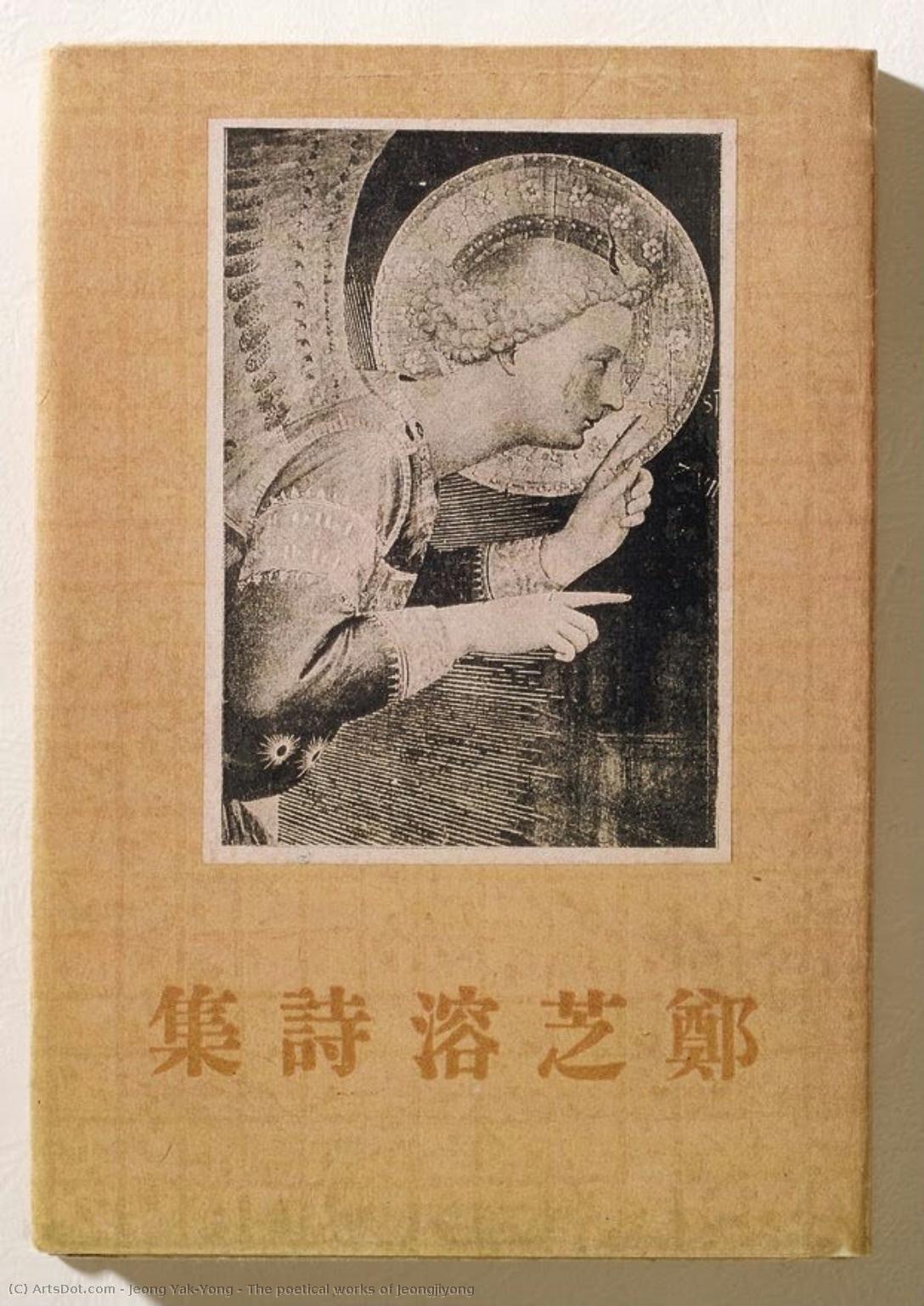
統計情報The poetical works of Jeongjiyong

 詳細を見る
詳細を見る
手描き油彩複製画
当社のアーティストが、お客様のご希望のサイズと額縁に合わせて、キャンバスに手描きで制作する油彩画です。 ( プリント版に切り替え デジタル画像販売へ切り替え)




































作品のオリジナル比率に合わせた、当店の規定サイズからお選びください。

特定のフレームやスペースに合わせて、ご希望のサイズをご入力いただけます。選択されたサイズが元の画像の比率と異なる場合、アートワークをトリミングするか、手描きで要素を追加して絵画を拡張いたします。デジタルモックアップ を制作し、制作開始前にご確認(承認)をいただきます。
画面上のプレビューは、実際のトリミングや拡張を正確に反映しているものではありません。最終的な構図は、モックアップによってのみ正確にご確認いただけます。
カスタムサイズもご利用いただけますが、元の比率を維持するためには、あらかじめ用意されたリストからサイズを選択することをお勧めいたします。
ご注文後、ArtsDot.com チームより詳細な指示をお送りするとともに、仕上がりイメージ(モックアップ)をご提供いたします。


 ガラスオプションは、110cm未満のサイズでのみご利用いただけます。

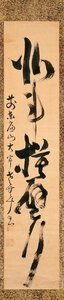
The poetical works of Jeongjiyong
複製技法
複製画のサイズ
-


合計金額
$ 263
関連作品


アーティストの略歴
Jeong Yak-yong: The Poet of Practical Learning
Jeong Yak-yong (丁若鏞, 1762 – 1836), affectionately known as Dasan (茶山), was more than just a poet; he embodied the spirit of Silhak (實學), Korea’s late Joseon School of Practical Learning—a movement dedicated to reconciling Confucian ethics with scientific observation and pragmatic governance. His legacy extends far beyond his lyrical verses, establishing him as one of the most influential thinkers of his era and cementing his place in Korean cultural history.- Early Life & Education: Born in Namyangju (廣州), Gyeonggi Province, Jeong Yak-yong descended from a noble clan—the Naju Chŏng clan—and received an exceptional education fostered by his father, Jeong Jaewon, who himself was a scholar deeply versed in Confucian philosophy. Recognizing his prodigious talent at a young age, Jeong Jaewon ensured that his son mastered the classics and cultivated a lifelong passion for intellectual pursuits. Notably, he meticulously compiled *Sammijajip* (三眉子集), a collection of poems penned before his tenth birthday—a testament to his innate artistic sensibility and early dedication to scholarship.
- The Pursuit of Knowledge & Innovation: Jeong Yak-yong’s intellectual curiosity propelled him beyond traditional Confucian dogma, embracing scientific inquiry as a crucial component of understanding the natural world. He championed the study of astronomy, mathematics, and medicine—fields largely neglected by his contemporaries—believing that true wisdom resided in harmonizing ethical principles with empirical evidence. His groundbreaking work on hydraulic engineering, particularly the construction of Suwon Castle (水原城), demonstrated his inventive spirit and cemented his reputation as a visionary engineer who revolutionized building techniques.
- Political Involvement & Exile: Jeong Yak-yong’s unwavering commitment to Silhak fueled his involvement in political discourse and ultimately led to exile from Gangjin County (江津郡), South Jeolla Province, commencing in 1801. He joined the Southerners faction—a dissenting voice advocating for constitutional reform—and faced persecution due to his elder brother's conversion to Catholicism. During his arduous years of confinement, Jeong Yak-yong penned *Mongminsimseo* (牧民心書), a poignant treatise on governance that underscored the importance of empathy and understanding in ruling justly—a reflection of his profound humanist convictions.
- Literary Legacy & Artistic Expression: Jeong Yak-yong’s poetic output stands as a cornerstone of Korean literary heritage. His verses, characterized by meticulous observation of nature and imbued with philosophical depth, explored themes of morality, duty, and the interconnectedness of humanity and cosmos. Particularly noteworthy is *Yeongyeongjeok* (永慶訣 Farewell to Yonggyeong), a masterpiece lauded for its exquisite imagery and profound meditation on mortality—a testament to his artistic mastery and enduring influence on Korean poetic tradition.
- Historical Significance & Remembrance: Jeong Yak-yong’s intellectual contributions profoundly shaped the trajectory of Joseon thought, advocating for a synthesis between Confucian ethics and scientific advancement. He remains revered as a symbol of erudition, innovation, and moral integrity—a figure whose unwavering dedication to Silhak continues to inspire scholars and artists alike. His enduring legacy is commemorated annually in Namyangju, where a memorial hall honors his life’s work and celebrates his indelible mark on Korean culture.
Notable Works
- Sammijajip: Collection of Poems (三眉子集)
- Gijungdoseol: Illustrated Explanations of the Crane
- Yeongyeongjeok: Farewell to Yonggyeong
- Mongminsimseo: On Ruling the Hearts of the People
- Dasan Simunjip: Dasan Poetry Collection
Influences & Philosophical Alignment
Jeong Yak-yong’s philosophical stance aligns closely with Silhak—a movement that sought to reconcile Confucian ethics with scientific observation. He drew inspiration from Seongho Yi Ik (李瀷), whose teachings emphasized the importance of practical learning and moral cultivation. His worldview was shaped by Neo-Confucianism, prioritizing ethical conduct alongside intellectual inquiry.
Legacy & Remembrance
Jeong Yak-yong’s enduring influence is celebrated annually in Namyangju, where a memorial hall commemorates his life's accomplishments and honors his contribution to Korean cultural heritage. He remains an icon of erudition, innovation, and moral integrity—a figure whose poetic verses and philosophical insights continue to resonate with scholars and artists today.
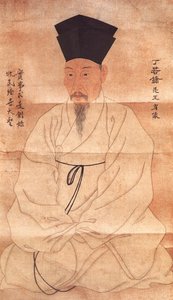
jeong yak-yong
1762 - 1836 , South Korea
基本情報
- Artistic Movement Or Style: Silhak School
- Artists Or Movements Influenced By This Artist: ['Neo-Confucianism']
- Artists Who Influenced This Artist: ['Yi Ik']
- Date Of Birth: 1762
- Full Name: Jeong Yak-yong
- Nationality: Korean
- Notable Artworks: ['The Poetical Works of Jeongjiyong']
- Place Of Birth: Namyangju, South Korea