

 プレビュー
プレビュー
 シェアする
シェアする シェアする
シェアする
 詳細を見る
詳細を見る

 ダウンロード
 似ている作品
 X線調査
X線調査 スライドショー
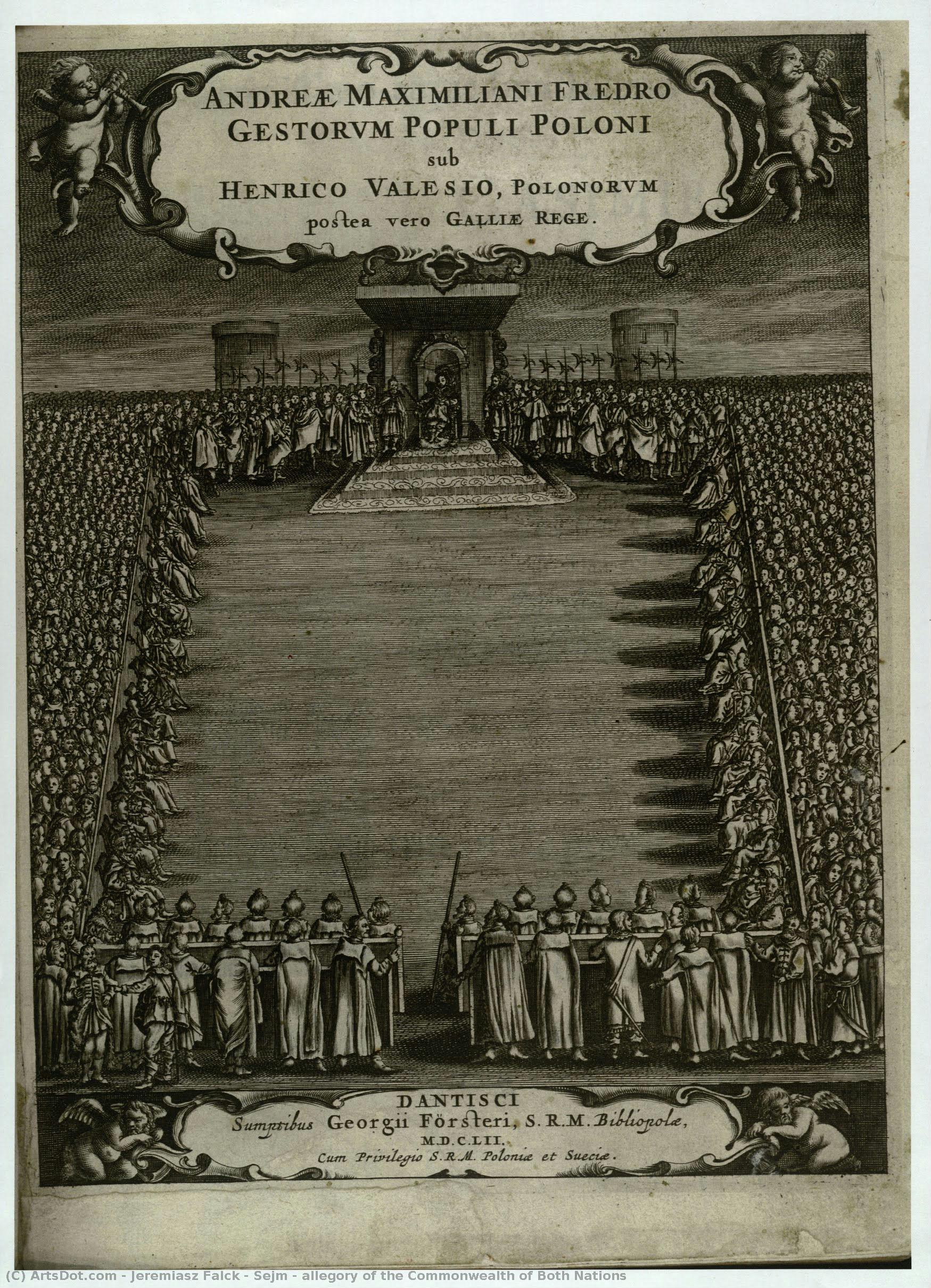
Sejm - allegory of the Commonwealth of Both Nations


 詳細を見る
詳細を見る
ジークレー/アートプリント
迅速な制作と多彩な仕上げオプションを備えた、ミュージアムクオリティのジークレーまたはキャンバスプリント。 ( 手描きの絵画を購入 画像を購入)




































作品のオリジナル比率に合わせた、当店の規定サイズからお選びください。

特定のフレームやスペースに合わせて、ご自身でサイズを指定することも可能です。選択されたサイズが元の画像の比率と一致しない場合、作品をトリミングするか、鏡面反射または単色での塗りつぶしによって画像を拡張いたします。制作を開始する前に、ご確認用のデジタルモックアップをお送りいたします。
画面上のプレビューには、実際のトリミングや拡張は反映されませんのでご注意ください。最終的な構図を正確に確認できるのは、モックアップのみとなります。
カスタムサイズも承っておりますが、元の比率を維持するためには、あらかじめ用意されたリストからサイズを選択することをお勧めいたします。


 ガラスオプションは、110cm未満のサイズでのみご利用いただけます。

Sejm - allegory of the Commonwealth of Both Nations
ジークレー/アートプリント
複製画のサイズ
-


合計金額
$ 62
関連作品







アーティストの略歴
Michelangelo Merisi da Caravaggio: A Revolutionary of Light and Shadow
Michelangelo Merisi, more famously known as Caravaggio, remains one of the most enigmatic and influential figures in art history. Born in Milan in 1571, his life was a whirlwind of dramatic events—a volatile temper, fleeting successes, and ultimately, premature death at the age of thirty-nine. His impact on painting transcends mere technique; he fundamentally altered the way artists approached representation, ushering in an era of unprecedented realism and emotional intensity. Caravaggio’s legacy lies not just in his individual masterpieces but also in the countless artists who were profoundly shaped by his revolutionary methods.Caravaggio's early career unfolded against the backdrop of a vibrant artistic scene in Rome. He began as a still-life painter, diligently crafting arrangements of fruits and flowers for wealthy patrons – a far cry from the turbulent life that awaited him. However, it was his foray into narrative painting, particularly with works like *The Boy Bitten by a Lizard* (1594), that truly ignited his fame. This seemingly simple depiction of a young boy’s reaction to a snake bite possessed an astonishing immediacy and psychological depth, achieved through the masterful use of chiaroscuro – the dramatic contrast between light and dark. This technique, borrowed from Venetian painters but pushed to its absolute limit, became the hallmark of his style, creating a sense of theatrical drama and imbuing his figures with a palpable sense of life.
The Rome Years: Controversy and Innovation
Caravaggio’s arrival in Rome coincided with a period of intense artistic competition. He quickly gained recognition for his innovative approach to religious subjects, eschewing the idealized forms and serene expressions favored by many of his contemporaries. Instead, he depicted biblical scenes featuring ordinary people—fishermen, thieves, beggars – rendered with unflinching realism and imbued with raw emotion. His *Calling of Saint Matthew* (1599-1600) exemplifies this shift; a humble tax collector is roused from his slumber by the divine summons, his face etched with surprise and disbelief. The scene unfolds within a dimly lit room, illuminated by a single, powerful light source that dramatically highlights the figures and creates an atmosphere of intense drama. This wasn’t simply about accurately portraying biblical events; it was about bringing them to life in a way that resonated deeply with contemporary viewers.A Turbulent Life: Violence and Exile
Caravaggio's artistic genius was tragically intertwined with a volatile personality. He was known for his impulsive temper, engaging in frequent brawls and acts of violence. The most infamous incident occurred in 1606 when he fatally stabbed a young man during an argument – an event that led to his arrest and subsequent flight from Rome. Rather than face justice, Caravaggio chose exile, wandering through Naples, Malta, and Sicily, continuing to paint prolifically despite the constant threat of capture. In Malta, he secured patronage from the Knights of St. John, receiving a commission for *The Beheading of Saint John the Baptist* (1607-1608), a work that cemented his reputation as a master of dramatic composition and intense emotion. However, his temper flared again, leading to another altercation and eventual expulsion from the order.Legacy and Influence
Caravaggio’s journey ended in Sicily in 1610, where he succumbed to an illness – possibly a fever brought on by a wound sustained during a brawl. Despite his short life, Caravaggio's influence was immense and enduring. His innovations in painting—particularly the use of chiaroscuro, his preference for realistic figures, and his ability to evoke profound emotion—inspired generations of artists. The “Caravaggisti,” or followers of Caravaggio, spread his style throughout Europe, influencing painters such as Rembrandt van Rijn, Georges de La Tour, and Diego Velázquez. His techniques continue to be studied and emulated today, solidifying his place as one of the most important and revolutionary figures in Western art history. His work reminds us that art can be both a reflection of its time and a powerful force capable of transforming our understanding of the human condition.Further Resources
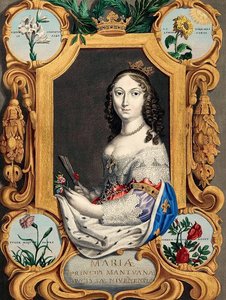
jeremiasz falck
1610 - 1677 , Poland
基本情報
- Artistic Movement Or Style: Caravaggism
- Artists Or Movements Influenced By This Artist: ['Baroque']
- Artists Who Influenced This Artist:
- Leonardo da Vinci
- Michelangelo
- Date Of Birth: September 29, 1571
- Date Of Death: July 18, 1610
- Full Name: Michelangelo Merisi da Caravaggio
- Nationality: Italian
- Notable Artworks:
- The Calling of Saint Matthew
- Supper at Emmaus
- David and Goliath
- Death of the Virgin
- Place Of Birth: Milan, Lombardy