

 プレビュー
プレビュー
 プリントを購入
 シェアする
シェアする シェアする
シェアする
 詳細を見る
詳細を見る

 ダウンロード
 似ている作品
 X線調査
X線調査 スライドショー
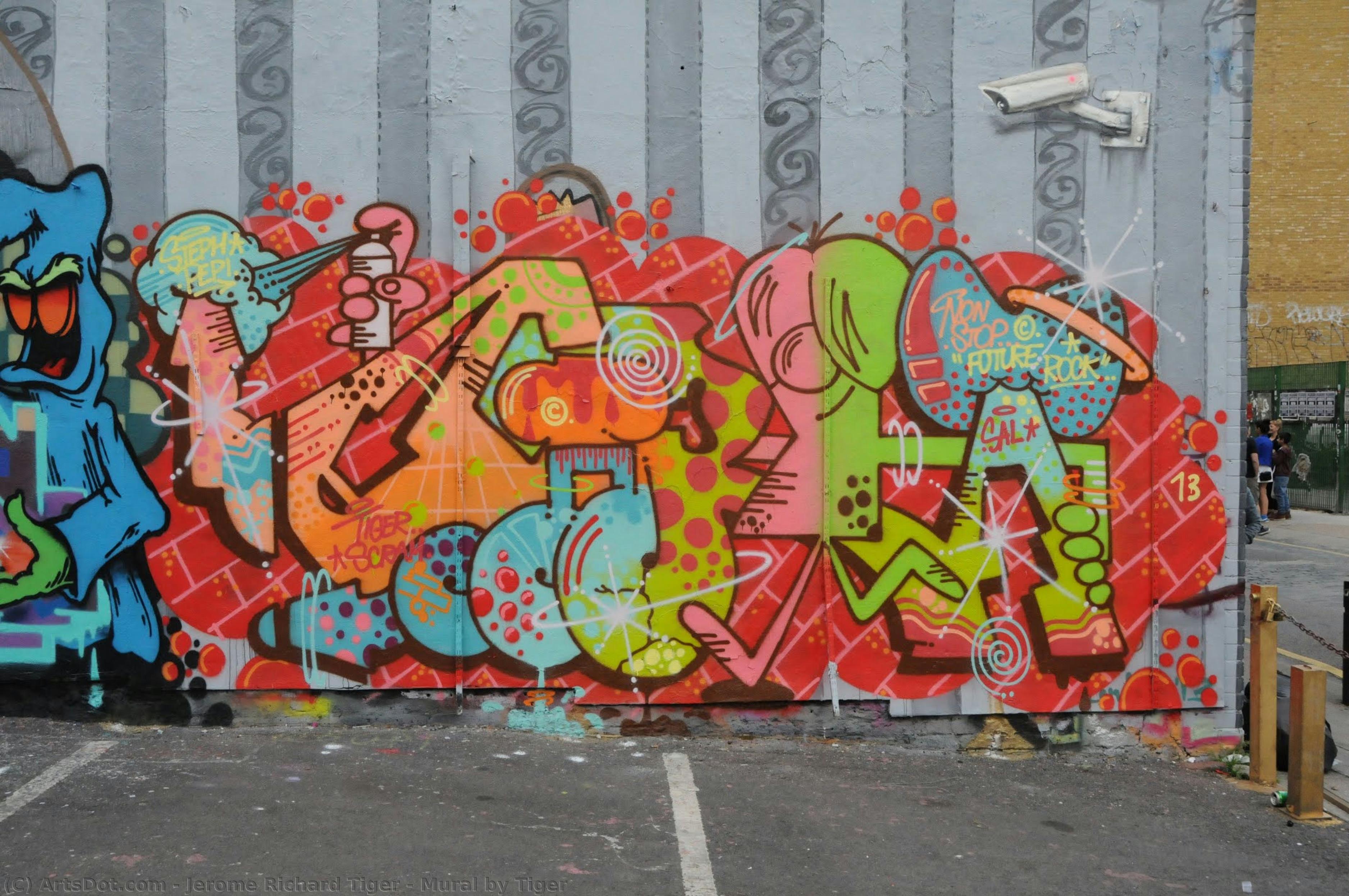
Mural by Tiger

 詳細を見る
詳細を見る
オンラインプレビューをはるかに凌ぐ、高解像度で鮮明なデジタル画像をご購入いただけます。
各ファイルは、社内の専門家が高度なツールと熟練した手作業によるレタッチを用いて、細心の注意を払って準備されています。すべての画像において、卓越した鮮明度、正確な色彩再現性、そして繊細なディテールを保証いたします。
最終ファイルは、プロフェッショナルな編集・印刷環境ですぐにご利用いただけるよう最適化された状態で、72時間以内にメールにてお届けいたします。これは、一流のデザインスタジオ、出版社、ギャラリーから信頼されているものと同等の品質です。
デジタル画像のご注文に付随する特典
高品質なデジタル画像配信を、確かな品質で。
ArtsDot.com を選ぶことは、単に画像を手に入れることではありません。それは、プロの手によって精密に仕上げられ、満足保証が付いた高品質なデジタルアートワークを受け取ることを意味します。ご注文いただいた際に自動的に付随する内容は、以下の通りです:

メールですぐにお届け
ご注文から72時間以内に、高解像度のデジタル画像ファイルがメールでお手元に届きます。すぐにそのままご利用いただけます。

AI技術で最適化されたデジタルファイル
お客様の作品は、高度なAIツールと専門家による手作業の編集を組み合わせてプロフェッショナルに最適化されており、細部のディテール、鮮明さ、そして正確な色再現性を最大限に引き出しています。

一生涯無料の再送サービス
ファイルを誤って削除したり、紛失してしまったりしましたか?ご安心ください。いつでも無料で再送いたします。

輸入手数料は一切かかりません
関税や手数料、配送料を気にすることなく、お気に入りのアートワークをすぐにお楽しみいただけます。デジタルダウンロードは常に免税です。

色彩再現の保証
プロ仕様のツールとカラーマネジメント技術を用いることで、デジタル画像が元の色を最大限に忠実に再現することを保証いたします。

100日間満足保証
ご購入いただいたデジタル画像にご満足いただけない場合は、100日以内であれば、修正または100%の返金(理由を問う必要はありません)をさせていただきます。

100% 返金保証
ご満足いただけない場合は、デジタルファイルを受け取ってから100日以内であれば、理由を問わず全額返金いたします。

まとめ買い割引
3枚購入で10%OFF - 5枚購入で15%OFF - 10枚以上購入で20%OFF。クリエイティブなプロジェクト、ギャラリー、エージェンシーに最適です。
関連作品










作家の略歴
The Visionary Spirit of Jerome Richard Tiger
In the brief, incandescent span of his life, Jerome Richard Tiger emerged as a profound voice within the landscape of Native American art, weaving together the spiritual tapestry of the Muscogee Nation with a technical mastery that belied his youth. Born in Tahlequah, Oklahoma, in 1941, Tiger was a child of the Creek and Seminole traditions, an inheritance that provided him with a deep-seated connection to the oral histories and cosmological rhythms of his people. His early years were shaped by the wandering stories of his grandfather, Reverend Coleman Lewis, a Baptist missionary whose travels through Indian Country served as a living library of Muscogee history and spirituality. This foundational exposure to the sacred narratives of his ancestors would later become the heartbeat of his creative output, transforming simple canvases into windows onto a spiritual realm.
Tiger’s path to artistic prominence was marked by a rugged resilience, shaped by experiences far removed from the quietude of a studio. From his service in the United States Navy Reserve to his time working as a laborer and even a prize fighter, he possessed a grit that informed the intensity of his work. Though his formal education was interrupted, his intellectual curiosity led him briefly to the Cleveland Engineering Institute, adding a layer of structural awareness to his visual perception. When he finally turned his full attention to the canvas in the early 1960s, he did so with an astonishing, almost feverish productivity. Between 1962 and his untimely death in 1967, Tiger produced hundreds of works, each a testament to a vision that seemed to bridge the gap between the physical world and the ancestral spirit.
A Symphony of Vision and Technique
The arrival of Jerome Richard Tiger on the art scene was nothing short of a revelation. His breakthrough occurred in 1962 at the American Indian Artists Annual at the Philbrook Museum of Art in Tulsa, an event that signaled the birth of a major talent. Critics and contemporaries were often struck by his ability to capture the essence of a subject with a single, fleeting glance—a skill so profound that he was occasionally compared to masters like Rembrandt and Francisco Goya. His technical repertoire was remarkably diverse, as he moved fluidly between the delicate transparency of watercolor, the rich depth of oil, and the precise lines of pen and ink, tempera, and casein.
What truly set Tiger apart was his ability to marry traditional subject matter with a modern, luminous sensibility. His compositions often featured:
- Spiritual Landscapes: Evocative depictions of the Southwestern terrain that felt imbued with a living, breathing divinity.
- Mythological Narratives: A seamless integration of Muscogee Creek-Seminole legends, rendered with a sense of profound humanity and respect.
- Luminous Color Palettes: The use of light and color to evoke the emotional weight of his cultural heritage.
- Technical Virtuosity: A meticulous approach to form that allowed for both grand, sweeping vistas and intimate, detailed portraits.
His work was characterized by a unique triad of qualities: spiritual vision, humane understanding, and technical virtuosity. This combination allowed him to portray the natural world not merely as scenery, but as a sacred participant in the ongoing story of his people.
Legacy and the Eternal Flame
The trajectory of Jerome Richard Tiger’s career was tragically cut short in 1967 at the age of twenty-six, following a sudden and accidental shooting. His death left the art world in mourning, as it felt like the extinguishing of a rising sun. Yet, the impact of his five years of prolific creation remains undiminished. Tiger did not merely paint scenes; he documented a way of seeing that honored both the ancestral past and the vibrant present of the Muscogee Nation.
Today, his legacy is preserved in prestigious institutions such as the Philbrook Museum of Art and the National Cowboy and Western Heritage Museum. His paintings continue to serve as vital touchstones for understanding the intersection of Native American identity and fine art in the mid-20th century. Through his work, Tiger achieved a form of immortality, ensuring that the spiritual echoes of the Southwest and the enduring strength of the Muscogee spirit would continue to resonate with every generation of viewers who encounter his luminous, visionary canvases.
jerome richard tiger
1941 - 1967 , United States of America
プロフィール概要
- Artistic Movement Or Style: Spiritual vision & humane understanding
- Artists Or Movements Influenced By This Artist: ['American Indian Art']
- Artists Who Influenced This Artist:
- Rembrandt
- Francisco Goya
- Date Of Birth: July 8, 1941
- Date Of Death: August 13, 1967
- Full Name: Jerome Richard Tiger
- Nationality: Muscogee Creek/Seminole
- Notable Artworks: ["Grambling's White Tiger"]
- Place Of Birth: Tahlequah, United States