

 プレビュー
プレビュー
 シェアする
シェアする シェアする
シェアする
 詳細を見る
詳細を見る

 ダウンロード
 似ている作品
 X線調査
X線調査 スライドショー
 Stats
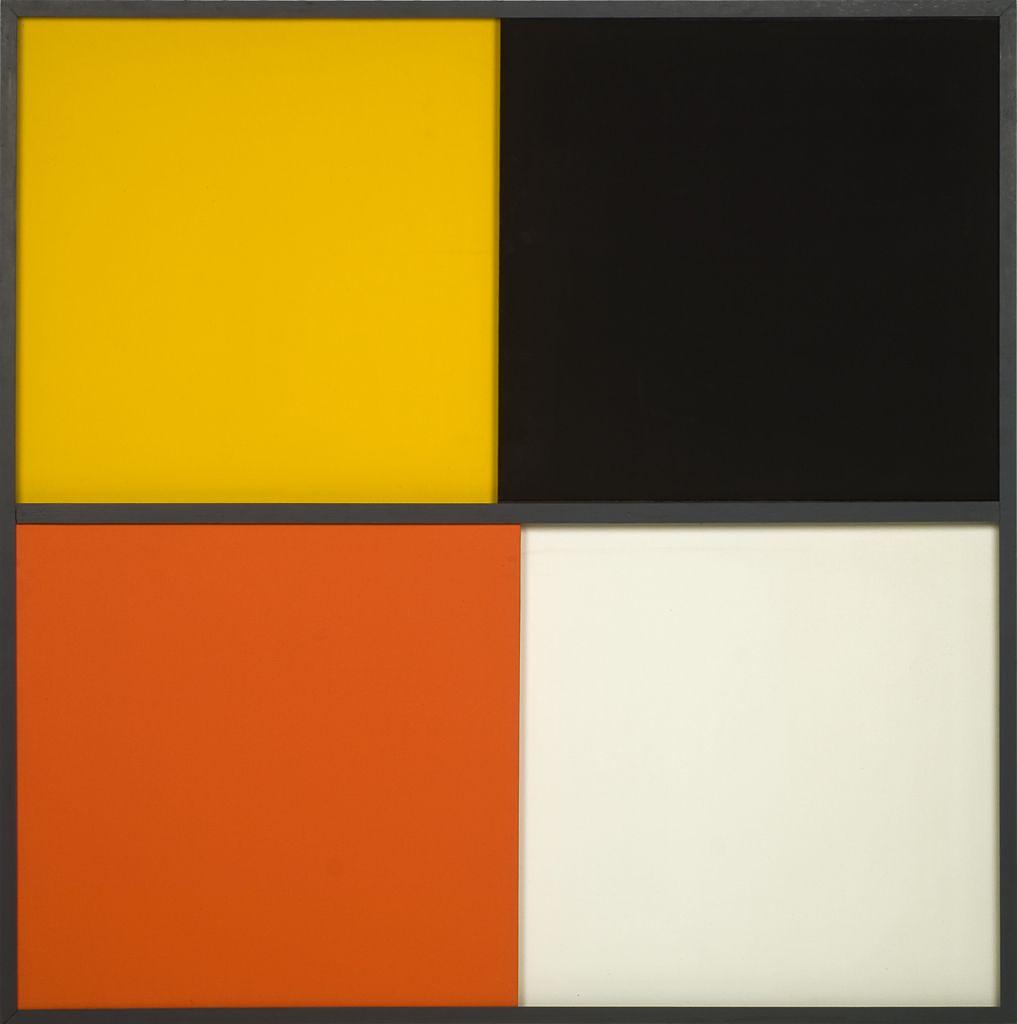
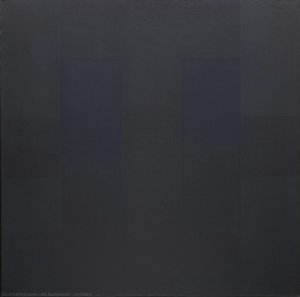
StatsMobile Painting 34

 詳細を見る
詳細を見る
手描き油彩複製画
当社のアーティストが、お客様のご希望のサイズと額縁に合わせて、キャンバスに手描きで制作する油彩画です。 ( Switch to Print Switch to Digital Image)




































作品のオリジナル比率に合わせた、当店の規定サイズからお選びください。

特定のフレームやスペースに合わせて、ご希望のサイズをご入力いただけます。選択されたサイズが元の画像の比率と異なる場合、アートワークをトリミングするか、手描きで要素を追加して絵画を拡張いたします。デジタルモックアップ を制作し、制作開始前にご確認(承認)をいただきます。
画面上のプレビューは、実際のトリミングや拡張を正確に反映しているものではありません。最終的な構図は、モックアップによってのみ正確にご確認いただけます。
カスタムサイズもご利用いただけますが、元の比率を維持するためには、あらかじめ用意されたリストからサイズを選択することをお勧めいたします。
ご注文後、ArtsDot.com チームより詳細な指示をお送りするとともに、仕上がりイメージ(モックアップ)をご提供いたします。


 ガラスオプションは、110cm未満のサイズでのみご利用いただけます。

Mobile Painting 34
複製技法
複製画のサイズ
-


合計金額
$ 263
関連作品


アーティストの略歴
Jerry Okimoto: Minimalism and Geometric Abstraction
Jerry T. Okimoto (Jerry Tsukio Okamoto, 1924–1998) was born in Waianae, Hawaii—a location that profoundly shaped his artistic vision and deeply informed the aesthetic principles underpinning his groundbreaking minimalist paintings and sculptures. Growing up amidst the lush landscapes of Oahu instilled a fascination with natural forms and textures, which would later translate into an exploration of geometric abstraction as a means of capturing essence rather than literal representation. His formative years were marked by exposure to Japanese American culture—a heritage that fostered a contemplative spirit and a sensitivity to subtle nuances of color and form.- Early Life & Education: Okimoto’s formal artistic training began at Yale University, where he studied sculpture under Josef Albers, whose teachings emphasized the importance of color theory and perceptual experience—influences that would become central to Okimoto's artistic practice.
- The Metcalf Chateau Group: Alongside fellow artists Satoru Abe, Bumpei Akaji, Edmund Chung, Tetsuo Ochikubo, James Park, and Tadashi Sato, Okimoto formed the Metcalf Chateau group—a collective dedicated to fostering dialogue about Asian American identity and artistic expression within Honolulu. This collaborative spirit nurtured experimentation and encouraged a shared pursuit of aesthetic innovation.
Minimalist Paintings: Exploring Geometric Forms
Okimoto’s signature style revolved around meticulously crafted canvases featuring simple geometric shapes—primarily squares, rectangles, and circles—rendered in muted hues of gray, black, and occasionally vibrant shades of purple or red. These paintings eschewed illusionistic depth and perspective, prioritizing instead the interplay of color and texture to convey emotional resonance. His approach mirrored the tenets of Color Field Painting, championed by artists like Mark Rothko and Barnett Newman—a movement that sought to evoke profound psychological states through expansive areas of pigment. The canvases themselves were often constructed from multiple panels joined together seamlessly—a technique that further emphasized the materiality of the artwork and challenged conventional notions of painting as a purely visual medium.- “Mobile Painting 25” (1964): Considered one of Okimoto’s most iconic works, “Mobile Painting 25” exemplifies his minimalist aesthetic. The canvas is dominated by two large panels—one dark gray and the other black—that are positioned at slightly different angles to create a dynamic visual effect.
- Emphasis on Texture: Okimoto meticulously applied pigment to achieve subtle variations in texture—creating surfaces that invited tactile engagement and subtly disrupted the viewer’s perception of space.
Sculptural Explorations: Embracing Materiality
Expanding beyond painting, Okimoto ventured into sculpture using materials such as laminated white pine and plywood—a deliberate choice to confront the limitations of two-dimensional representation and to explore the expressive potential inherent in solid forms. His sculptures often consisted of interlocking geometric shapes—similar to his paintings—but executed in three dimensions—resulting in striking visual contrasts and reinforcing his commitment to minimalist principles. These works served as a testament to Okimoto’s belief that sculpture could communicate emotion and ideas just as effectively as painting—albeit through different sensory channels.Legacy & Recognition
Jerry Okimoto's artistic contributions have been recognized by prominent institutions including the Whitney Museum of American Art, Hirshhorn Museum, Chrysler Museum of Art, and Cleveland Museum of Art. His work continues to inspire artists and scholars alike—serving as a cornerstone of Color Field Painting and Minimalist Sculpture movements. Okimoto’s unwavering dedication to exploring fundamental aesthetic concepts solidified his place as one of Hawaii's most influential visual artists—a figure whose legacy persists in the enduring beauty and intellectual depth of his groundbreaking creations.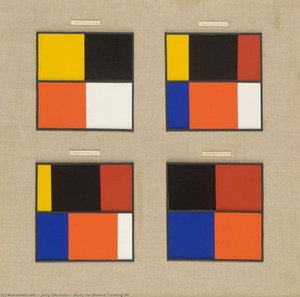
jerry okimoto
1924 - 1998
基本情報
- Artistic Movement Or Style: Minimalist
- Artists Or Movements Influenced By This Artist: ['Geometric Art']
- Artists Who Influenced This Artist:
- Satoru Abe
- Bumpei Akaji
- Edmund Chung
- Tetsuo Ochikubo
- James Park
- Tadashi Sato
- Date Of Birth: 1924
- Date Of Death: 1998
- Full Name: Jerry Tsukio Okimoto
- Nationality: American
- Notable Artworks:
- Mobile Painting 25
- Double Image
- Place Of Birth: Waianae, Hawaii