 プレビュー
プレビュー
 プリントを購入
 シェアする
シェアする シェアする
シェアする
 詳細を見る
詳細を見る

 ダウンロード
 似ている作品
 X線調査
X線調査 スライドショー
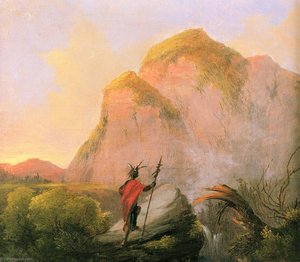
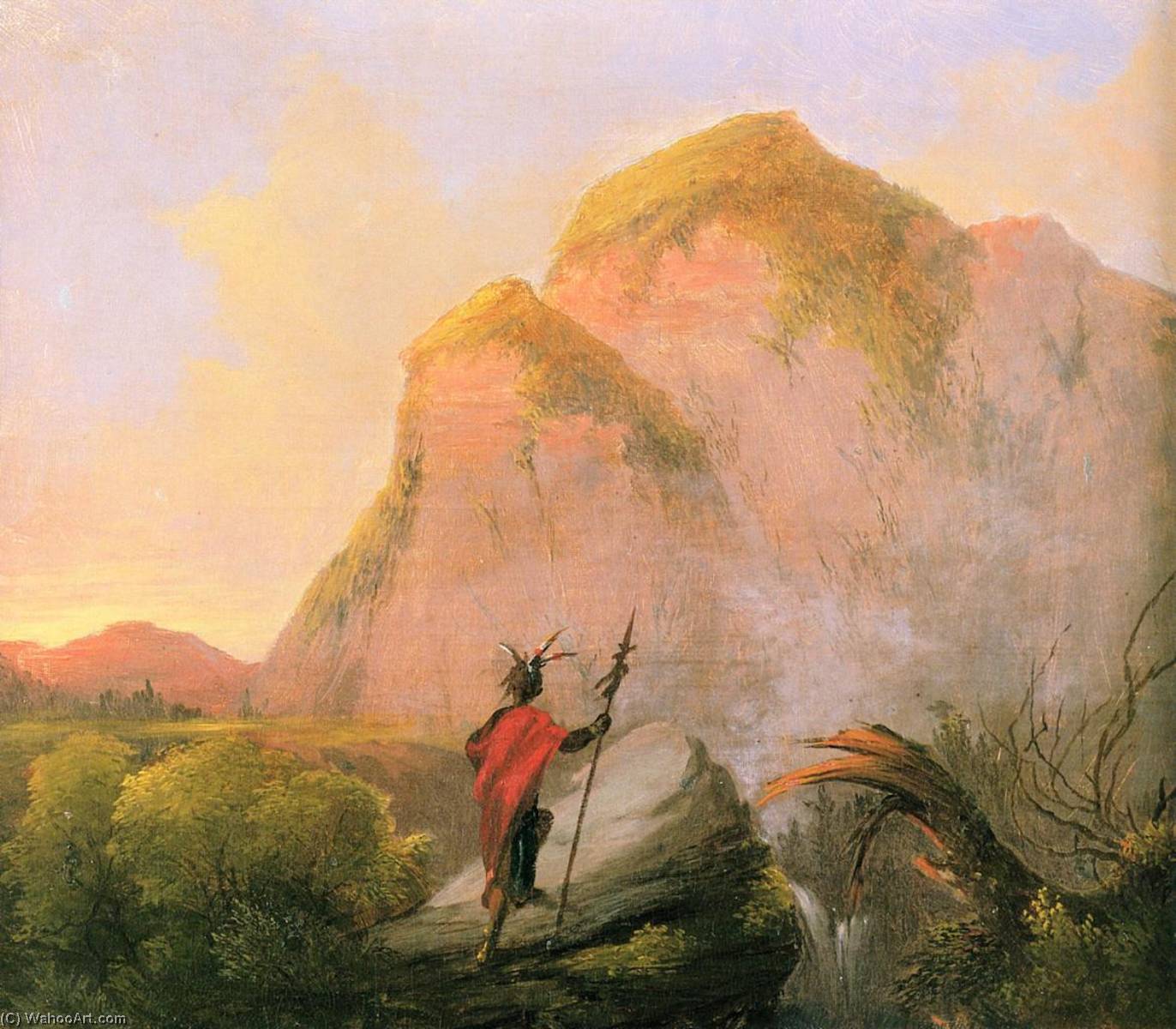
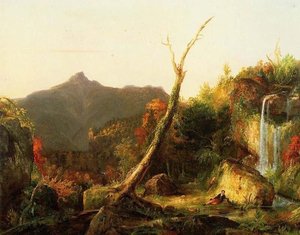
Indian Climber in the Adirondacks

Discover Jesse Talbot, a renowned 19th-century American landscape painter of the Hudson River School. Explore his atmospheric scenes, spiritual themes, and his connection with Walt Whitman, capturing America's natural beauty.
 詳細を見る
詳細を見る




































標準サイズ
オーダーメイド
CM
INCH
作品のオリジナル比率に合わせた、当店の規定サイズからお選びください。
Loading sizes...

幅
高さ
特定のフレームやスペースに合わせて、ご希望のサイズをご入力いただけます。選択されたサイズが元の画像の比率と異なる場合、アートワークをトリミングするか、手描きで要素を追加して絵画を拡張いたします。デジタルモックアップ を制作し、制作開始前にご確認(承認)をいただきます。
画面上のプレビューは、実際のトリミングや拡張を正確に反映しているものではありません。最終的な構図は、モックアップによってのみ正確にご確認いただけます。
カスタムサイズもご利用いただけますが、元の比率を維持するためには、あらかじめ用意されたリストからサイズを選択することをお勧めいたします。
カスタマイズの例:顔をお客様の写真に置き換える、ペットを追加する(例:猫を犬に変更)、背景に隠れたメッセージを入れる、背景の風景や要素を変更するなど。
ご注文後、ArtsDot.com チームより詳細な指示をお送りするとともに、仕上がりイメージ(モックアップ)をご提供いたします。
ご注文後、ArtsDot.com チームより詳細な指示をお送りするとともに、仕上がりイメージ(モックアップ)をご提供いたします。


 ガラスオプションは、110cm未満のサイズでのみご利用いただけます。

Indian Climber in the Adirondacks
複製技法
複製画のサイズ
-


合計金額
$ 263
関連作品



アーティストの略歴
A Visionary of the American Sublime: Jesse Talbot and the Hudson River School
Jesse Talbot, a name perhaps less immediately recognized than his contemporaries in the illustrious Hudson River School, nonetheless occupies a vital and deeply resonant position within the pantheon of 19th-century American landscape painters. Born into an era captivated by the burgeoning nation’s natural grandeur, Talbot dedicated his life to capturing not merely the *appearance* of the American wilderness, but its very soul. His canvases are imbued with a spiritual quality, reflecting a profound connection to the land and a belief in its power to uplift and inspire. While biographical details remain somewhat sparse, the impact of his work—particularly his evocative depictions of the White Mountains and the atmospheric scenes reminiscent of the Hudson River Valley—speaks volumes about his artistic sensibility and enduring legacy. Talbot wasn’t simply painting landscapes; he was crafting visual hymns to a new American Eden.Early Life and Artistic Formation
The details surrounding Jesse Talbot's early life are shrouded in some mystery, a common characteristic for artists of the period whose personal histories weren’t as meticulously documented as their artistic output. What is known is that he emerged during a pivotal moment in American art history—a time when artists were actively seeking to define a uniquely national style, distinct from European traditions. The Hudson River School, with its emphasis on realism, dramatic lighting, and the sublime power of nature, provided fertile ground for Talbot’s developing talent. He absorbed the lessons of Thomas Cole, Frederic Church, and Asher B. Durand, but quickly forged his own path, characterized by a softer palette and a more introspective mood. His early works demonstrate a keen observational skill coupled with an emerging ability to convey atmosphere and emotional resonance. It is believed he received formal training, though the specifics remain elusive; however, the sophistication of his technique suggests mentorship from established artists within the New York art community.The Influence of Walt Whitman and Spiritual Themes
Talbot’s life took a particularly fascinating turn through his close friendship with the poet Walt Whitman. The two men shared a deep appreciation for the American landscape and a belief in its democratic spirit, finding common ground in their celebration of nature's beauty and inherent spirituality. This connection profoundly influenced Talbot’s artistic vision. While not overtly religious in a conventional sense, his paintings are often imbued with a transcendental quality—a sense of awe and reverence that echoes Whitman’s poetic explorations of the human soul and its relationship to the natural world. The vastness of the landscapes he depicted wasn't merely geographical; it was symbolic of the limitless potential within humanity itself. This spiritual dimension, often expressed through subtle gradations of light and shadow, sets Talbot apart from some of his more purely topographical contemporaries.The White Mountains and Mastery of Atmospheric Perspective
Talbot’s most celebrated works center on the majestic peaks and valleys of the White Mountains in New Hampshire. He was drawn to this region not only for its dramatic scenery but also for its sense of isolation and untamed wilderness. His paintings of the Whites are masterful examples of atmospheric perspective, capturing the subtle nuances of light and shadow that define these imposing landscapes. He employed a delicate brushstroke and a muted color palette, creating scenes that feel both realistic and dreamlike. The mountains themselves become almost sentient beings, imbued with a sense of ancient wisdom and enduring power. He wasn’t simply recording the visual details of the landscape; he was attempting to capture its essence—its emotional weight and spiritual significance.Legacy and Historical Significance
Though not as widely recognized during his lifetime as some of his peers, Jesse Talbot's work has experienced a resurgence in recent years, fueled by a growing appreciation for his unique artistic vision. His paintings offer a compelling glimpse into the American psyche of the 19th century—a time of rapid expansion, profound social change, and an increasing awareness of the nation’s natural beauty.- Talbot's contribution lies in his ability to blend realism with spirituality
- His atmospheric landscapes capture a sense of awe and reverence for nature.
- His friendship with Walt Whitman highlights the interconnectedness of art, poetry, and national identity.