

 プレビュー
プレビュー
 シェアする
シェアする シェアする
シェアする
 詳細を見る
詳細を見る

 ダウンロード
 似ている作品
 X線調査
X線調査 スライドショー
 統計情報
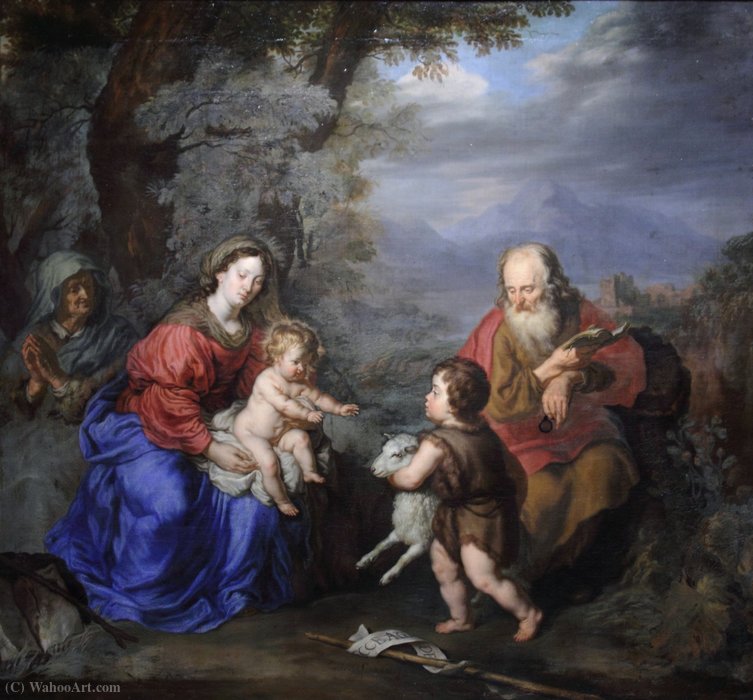
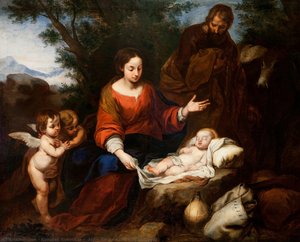
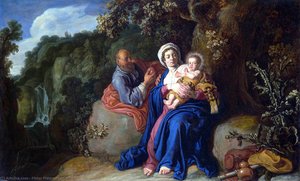
統計情報Holy Family in a Landscape
 詳細を見る
詳細を見る
オンラインプレビューをはるかに凌ぐ、高解像度で鮮明なデジタル画像をご購入いただけます。
各ファイルは、社内の専門家が高度なツールと熟練した手作業によるレタッチを用いて、細心の注意を払って準備されています。すべての画像において、卓越した鮮明度、正確な色彩再現性、そして繊細なディテールを保証いたします。
最終ファイルは、プロフェッショナルな編集・印刷環境ですぐにご利用いただけるよう最適化された状態で、72時間以内にメールにてお届けいたします。これは、一流のデザインスタジオ、出版社、ギャラリーから信頼されているものと同等の品質です。
デジタルアート
個人での鑑賞、印刷、クリエイティブなプロジェクト用に、高解像度ファイルをダウンロードできます。 ( プリント版に切り替え 手描きの絵画を購入)
デジタル画像のご注文に付随する特典
高品質なデジタル画像配信を、確かな品質で。
ArtsDot.com を選ぶことは、単に画像を手に入れることではありません。それは、プロの手によって精密に仕上げられ、満足保証が付いた高品質なデジタルアートワークを受け取ることを意味します。ご注文いただいた際に自動的に付随する内容は、以下の通りです:

メールですぐにお届け
ご注文から72時間以内に、高解像度のデジタル画像ファイルがメールでお手元に届きます。すぐにそのままご利用いただけます。

AI技術で最適化されたデジタルファイル
お客様の作品は、高度なAIツールと専門家による手作業の編集を組み合わせてプロフェッショナルに最適化されており、細部のディテール、鮮明さ、そして正確な色再現性を最大限に引き出しています。

一生涯無料の再送サービス
ファイルを誤って削除したり、紛失してしまったりしましたか?ご安心ください。いつでも無料で再送いたします。

輸入手数料は一切かかりません
関税や手数料、配送料を気にすることなく、お気に入りのアートワークをすぐにお楽しみいただけます。デジタルダウンロードは常に免税です。

色彩再現の保証
プロ仕様のツールとカラーマネジメント技術を用いることで、デジタル画像が元の色を最大限に忠実に再現することを保証いたします。

100日間満足保証
ご購入いただいたデジタル画像にご満足いただけない場合は、100日以内であれば、理由を問わず修正または100%の返金対応をさせていただきます。

100% 返金保証
ご満足いただけない場合は、デジタルファイルを受け取ってから100日以内であれば、理由を問わず全額返金いたします。

まとめ買い割引
3枚購入で10%OFF - 5枚購入で15%OFF - 10枚以上購入で20%OFF。クリエイティブなプロジェクト、ギャラリー、エージェンシーに最適です。
関連作品

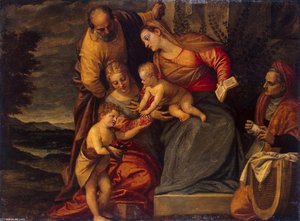
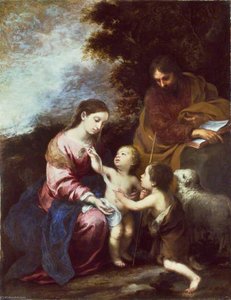
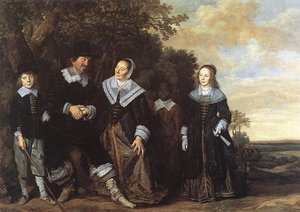
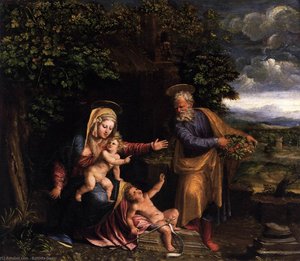
作家の略歴
A Life Bridging Art and History: The World of Joachim von Sandrart
Joachim von Sandrart, a name perhaps less instantly recognizable than those of his Baroque contemporaries, occupies a unique and vital position in the history of 17th-century art. Born in Frankfurt am Main in 1606 to a family with roots in Mons, he was not merely a painter but a pivotal figure who straddled the worlds of artistic creation and historical documentation. His life unfolded as an adventurous journey across Europe, absorbing diverse influences that shaped both his artistic style and his enduring legacy as an art historian. Sandrart’s early exposure to the world of art came through familial connections; he received initial instruction from Johann Theodor de Bry’s son and associates of Matthäus Merian, laying a foundation for his future pursuits. However, it was a youthful ambition for mastery in engraving that propelled him towards Prague at the age of fifteen, where he became a pupil of Aegidius Sadeler, a prominent member of a renowned family of engravers. It was Sadeler who astutely recognized Sandrart’s potential and encouraged his exploration of painting, setting him on a path that would lead to Utrecht and an apprenticeship under Gerrit van Honthorst.From Caravaggisti Shadows to Italian Light
Utrecht in 1625 proved to be a formative experience for Sandrart. Van Honthorst was a leading figure within the Utrecht *Caravaggisti* movement, and it was here that Sandrart began to absorb the dramatic use of light and shadow—the *tenebrism*—that characterized this style. A defining moment arrived in 1627 when Peter Paul Rubens visited Honthorst seeking collaborators for his monumental Marie de' Medici cycle. Sandrart accompanied Honthorst on this venture, gaining invaluable experience working alongside one of the Baroque period’s most celebrated masters. This collaboration extended to London, where they created copies of Holbein portraits for Henry Howard, 22nd Earl of Arundel. This early exposure to Rubens’ dynamism and Honthorst's dramatic realism would profoundly influence Sandrart’s own artistic development. However, the young artist was driven by an insatiable curiosity that propelled him further afield. He embarked on a grand tour of Italy in 1627, sailing from London to Venice where he found acceptance into the esteemed *Bentvueghels* brotherhood—a society of predominantly Dutch and Flemish artists who embraced a spirit of artistic freedom and often adopted satirical nicknames. His journey continued through Bologna, Florence, and Rome, each city offering new artistic stimuli and opportunities for growth. He established himself as a portrait painter during this period, skillfully capturing the likenesses of his sitters while simultaneously honing his skills in genre scenes. Naples and Malta also beckoned, providing inspiration from literary sights and further commissions that allowed him to refine his technique.Amsterdam’s Embrace and Artistic Recognition
By 1637, political unrest and the looming threat of plague prompted Sandrart and his wife to seek refuge in Amsterdam. This relocation marked a significant chapter in his career. He flourished as both a painter of genre scenes and portraits, quickly gaining recognition within the vibrant artistic community of the Dutch Golden Age. The pinnacle of his success during this period arrived with a prestigious commission from the Bicker Company of the Amsterdam *Schutterij* (militia). He was tasked with creating a large commemorative piece celebrating the state visit of Maria de' Medici in 1638. This painting, now housed within the Rijksmuseum, is a masterful depiction of the *Schutterij* members posed around a bust of the visiting queen, accompanied by a poem penned by the renowned Dutch poet Joost van den Vondel. The commission not only showcased Sandrart’s artistic prowess but also symbolized Amsterdam's formal recognition on the European stage through its connection with France. It solidified his reputation as a leading painter and a respected member of the city’s cultural elite.From Painter to Historian: The Legacy of the *Teutsche Academie*
In 1645, Sandrart returned to Frankfurt following an inheritance, rebuilding the family homestead before its unfortunate destruction by fire. He subsequently relocated to Augsburg, where he continued to paint for the Bavarian Electors. However, a shift in his focus occurred after the death of his wife in 1672. Settling in Nuremberg, and later marrying Hester Barbara Bloemaart, daughter of a magistrate, Sandrart dedicated himself to a monumental undertaking: the writing of art history. This endeavor culminated in the publication of the *Teutsche Academie der edlen Bau-, Bild- und Mahlerey-Künste* between 1675 and 1680. Inspired by Karel van Mander’s *Schilder-boeck* and Giorgio Vasari's biographies, Sandrart compiled a comprehensive collection of biographical sketches of Dutch and German artists. The *Teutsche Academie* became an invaluable resource for understanding the artistic landscape of the time, offering insights into the lives, techniques, and influences of numerous painters, sculptors, and architects. While not without its inaccuracies—notably his misattribution regarding Hendrick ter Brugghen—the work remains a vital primary source for scholars studying 17th-century art. Sandrart’s dedication to documenting the contributions of his contemporaries ensured that their achievements would not be forgotten, cementing his place as an important figure in the history of art and establishing him as one of the earliest systematic art historians of the German-speaking world. He died in Nuremberg in 1688, leaving behind a legacy that extends far beyond his paintings—a legacy rooted in his commitment to preserving and celebrating the artistic heritage of his time.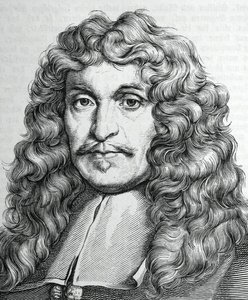
Joachim von Sandrart
1606 - 1688