


 プレビュー
プレビュー
 シェアする
シェアする シェアする
シェアする
 詳細を見る
詳細を見る

 ダウンロード
 似ている作品
 X線調査
X線調査 スライドショー
 統計情報
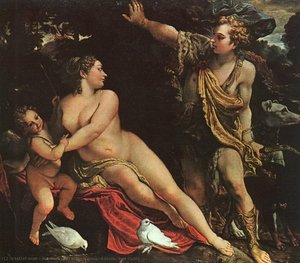
統計情報Mars, Venus and Cupid
 Oil
Oil- WallArt
- Baroque Art
 1630
1630- Early Modern
 112.0 x 80.0 cm
 エルミタージュ美術館
 詳細を見る
詳細を見る
ジークレー/アートプリント
迅速な制作と多彩な仕上げオプションを備えた、ミュージアムクオリティのジークレーまたはキャンバスプリント。 ( 手描きの絵画を購入 デジタル画像販売へ切り替え)




P118B $10

P118H $10

P118W $10

P438Z $10

P508JH $12

P508YH $12

P805H $10

P805Z $10

P919BZ $10

P919G $10

P919XJ $10

P959ZH $10

P968JZ $12

W106C $8

W218G $10

W218JH $8

W218Y $10

W307PJ $10

W316G $10

W316PJ $8

W316Y $10

W398PJ $8

W4111J $10

W500HY $15

W500JH $15

W692G $12

W849H $8

W940BG $15

W953PJ $8




作品のオリジナル比率に合わせた、当店の規定サイズからお選びください。

特定のフレームやスペースに合わせて、ご自身でサイズを指定することも可能です。選択されたサイズが元の画像の比率と一致しない場合、作品をトリミングするか、鏡面反射または単色での塗りつぶしによって画像を拡張いたします。制作を開始する前に、ご確認用のデジタルモックアップをお送りいたします。
画面上のプレビューには、実際のトリミングや拡張は反映されませんのでご注意ください。最終的な構図を正確に確認できるのは、モックアップのみとなります。
カスタムサイズも承っておりますが、元の比率を維持するためには、あらかじめ用意されたリストからサイズを選択することをお勧めいたします。


 ガラスオプションは、110cm未満のサイズでのみご利用いただけます。

Mars, Venus and Cupid
ジークレー/アートプリント
複製画のサイズ
-


合計金額
$ 62
A Portrait of Mythic Harmony: Exploring Joachim von Sandrart’s Mars, Venus and Cupid
Joachim von Sandrart's “Mars, Venus and Cupid,” painted circa 1630, transcends mere visual representation; it embodies a profound engagement with humanist ideals and the burgeoning spirit of Baroque art. More than just a depiction of three figures—the warrior god Mars, the goddess Venus, and Eros (Cupid)—this artwork speaks volumes about the artistic sensibilities of its time and continues to resonate with audiences today. Produced during the Heidelberg Catechism era, a period marked by fervent religious reform in Protestant Germany, Sandrart’s work reflects a desire for intellectual clarity alongside aesthetic grandeur.- Subject Matter & Composition: The painting portrays Mars, Venus, and Cupid in an opulent setting, seated upon a chair—a deliberate choice that elevates the figures to a position of authority and dignity. Their postures convey composure and grace, indicative of the humanist preoccupation with idealized beauty and virtue. The inclusion of a bowl adds a subtle element of domestic tranquility, juxtaposed against the mythological drama unfolding before us.
- Style & Technique: Sandrart’s style aligns squarely within the Baroque tradition, characterized by dramatic chiaroscuro—the masterful manipulation of light and shadow—that imbues the scene with palpable emotion. The artist employs meticulous detail in rendering textures and drapery, demonstrating a commitment to realism tempered by artistic license. His brushstrokes are smooth and confident, conveying both precision and expressive dynamism.
Symbolism: Echoes of Classical Mythology & Renaissance Humanism
The figures themselves carry significant symbolic weight. Mars represents military strength and courage—values championed during the Reformation’s defense against Catholic Habsburg rule. Venus embodies feminine beauty, fertility, and love—concepts central to humanist thought that celebrated human potential and spiritual aspiration. Cupid, as Eros, symbolizes desire and divine grace, mediating between earthly passions and celestial harmony. These mythological references weren't simply decorative; they served as vehicles for conveying moral lessons about virtue and righteousness – a hallmark of the Baroque’s didactic purpose.- Historical Context: “Mars, Venus and Cupid” emerged from Heidelberg University, where Sandrart lectured on classical literature and philosophy. This intellectual milieu profoundly influenced his artistic vision, prompting him to explore themes of heroism, piety, and the pursuit of spiritual enlightenment—values that mirrored the broader cultural landscape of 17th-century Germany.
- Emotional Impact: The painting’s luminous chiaroscuro creates an atmosphere of contemplative grandeur. Viewers are drawn into a scene brimming with emotional intensity, capturing not only the physical beauty of the figures but also their inner states—a testament to Sandrart's ability to translate philosophical concepts into compelling visual narratives.
Sandrart’s Legacy: Shaping Art History & Inspiring Reproduction
Joachim von Sandrart’s contribution extends far beyond the canvas itself. He is credited with establishing ‘Teutsche Academie,’ a German equivalent of the Dutch Accademia Naturae et Arte—a pivotal institution for fostering artistic scholarship and promoting the study of classical art. His meticulous cataloguing of paintings in Prague, undertaken before his departure for Rome, remains an invaluable resource for scholars investigating Baroque aesthetics. Today, ArtsDot offers exceptional reproductions of “Mars, Venus and Cupid,” allowing collectors and interior designers alike to experience Sandrart’s masterpiece's beauty and intellectual depth—a timeless reminder of the power of art to illuminate both history and human emotion.関連作品
関連記事

The Dramatic Flourish: Exploring the Baroque Movement's Enduring Legacy in Art History
Explore the dramatic world of Baroque art! Discover iconic artists like Caravaggio & Rubens, defining techniques, and its lasting impact on art history. Expert insights for collectors & enthusiasts at ArtsDot.
Decoding Baroque Grandeur: A Guide to the Drama and Emotion of 17th-Century Art
Explore the breathtaking drama of 17th-century Baroque art. Our expert guide decodes the use of chiaroscuro, emotional intensity, and historical grandeur to help you appreciate and curate timeless masterpieces for your collection.

バロックのドラマ:現代のインテリアに壮麗さと情感を取り込む
バロック様式の歴史、絵画、家具の魅力をご紹介。ArtsDotでは、高品質な油絵複製やカスタムポートレートをご提供し、現代のインテリアに壮麗さと情感を取り入れます。アートコンサルテーションも承ります。

バロック美術を極めた至宝:時代を彩る10大名作の世界
バロック美術の華!カラヴァッジョ、ベルニーニら巨匠が創り上げた10大名作を徹底解剖。ドラマチックな色彩と豪華絢爛の世界観に触れ、至宝のアートプリントで空間を彩ろう。ArtsDot.comで美術館品質の複製と洗練されたインテリアを見つけましょう!

The Visceral Stage: Exploring Dramatic Narratives & Emotional Intensity in Baroque Art
Explore the dramatic world of Baroque art! Discover iconic masters like Caravaggio & Rembrandt, their techniques, and the movement's lasting impact. Expert insights for collectors & enthusiasts at ArtsDot.