

 プレビュー
プレビュー
 シェアする
シェアする シェアする
シェアする
 詳細を見る
詳細を見る

 ダウンロード
 似ている作品
 X線調査
X線調査 スライドショー
 統計情報
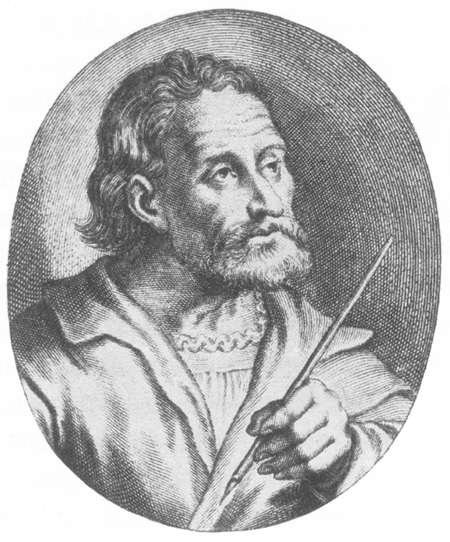
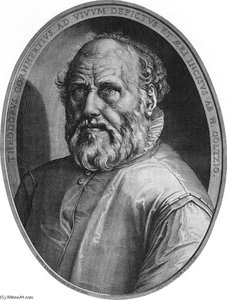
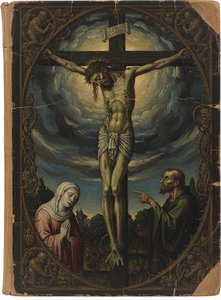
統計情報The Old Matthias Grünewald
 Engraving
- WallArt
- Baroque
 1683
1683 9.0 x 7.0 cm
 Germanisches Nationalmuseum
 詳細を見る
詳細を見る
ジークレー/アートプリント
迅速な制作と多彩な仕上げオプションを備えた、ミュージアムクオリティのジークレーまたはキャンバスプリント。 ( 手描きの絵画を購入 デジタル画像販売へ切り替え)




P118B $10

P118H $10

P118W $10

P438Z $10

P508JH $12

P508YH $12

P805H $10

P805Z $10

P919BZ $10

P919G $10

P919XJ $10

P959ZH $10

P968JZ $12

W106C $8

W218G $10

W218JH $8

W218Y $10

W307PJ $10

W316G $10

W316PJ $8

W316Y $10

W398PJ $8

W4111J $10

W500HY $15

W500JH $15

W692G $12

W849H $8

W940BG $15

W953PJ $8




作品のオリジナル比率に合わせた、当店の規定サイズからお選びください。

特定のフレームやスペースに合わせて、ご自身でサイズを指定することも可能です。選択されたサイズが元の画像の比率と一致しない場合、作品をトリミングするか、鏡面反射または単色での塗りつぶしによって画像を拡張いたします。制作を開始する前に、ご確認用のデジタルモックアップをお送りいたします。
画面上のプレビューには、実際のトリミングや拡張は反映されませんのでご注意ください。最終的な構図を正確に確認できるのは、モックアップのみとなります。
カスタムサイズも承っておりますが、元の比率を維持するためには、あらかじめ用意されたリストからサイズを選択することをお勧めいたします。


 ガラスオプションは、110cm未満のサイズでのみご利用いただけます。

The Old Matthias Grünewald
ジークレー/アートプリント
複製画のサイズ
-


合計金額
$ 62
The Old Matthias Grünewald: A Window into Faith and Suffering
Matthias Grünewald’s “The Mocking of Christ,” painted between 1503 and 1505, is not merely a depiction of a biblical event; it's a profoundly moving exploration of human cruelty, divine suffering, and the fragile nature of faith. This arresting oil on wood panel, now housed in the Alte Pinakothek in Munich, immediately commands attention with its stark contrasts and emotionally charged atmosphere. The painting’s power lies not just in its technical brilliance but also in its ability to evoke a visceral response from the viewer – a sense of unease mingled with sorrow and contemplation.
The scene unfolds within a dimly lit, almost claustrophobic space. Christ, blindfolded and bound, sits passively on a rough stone wall, his posture conveying both vulnerability and quiet dignity. The figures surrounding him are rendered with remarkable detail – the torturer pulling at his hair, the musician playing his flute, the young man observing with a mixture of curiosity and complicity, and the older man attempting to restrain the aggressor. Each character embodies a specific role in this tableau of humiliation, contributing to the painting’s complex narrative.
A Masterclass in Early Renaissance Technique
Grünewald's mastery is evident in every brushstroke. The artist employs a technique characteristic of the early Renaissance, utilizing rich, layered applications of oil paint to create a remarkable sense of texture and depth. Note particularly the meticulous rendering of Christ’s beard – each strand meticulously defined with fine lines that suggest both softness and resilience. Hatching and cross-hatching are skillfully employed to build up tonal variations, creating a dramatic interplay of light and shadow that emphasizes the figures' forms and imbues the scene with an almost sculptural quality.
The use of color is equally significant. The palette is dominated by dark browns, blues, and greens, reflecting the somber mood of the event. However, flashes of brighter hues – a crimson cloak, a golden halo – punctuate the darkness, drawing attention to Christ’s divinity amidst the surrounding brutality. The artist's understanding of perspective is also noteworthy; the figures are arranged in a shallow space that draws the viewer into the scene, creating a sense of immediacy and involvement.
Symbolism and Spiritual Resonance
Beyond its technical merits, “The Mocking of Christ” is rich in symbolic meaning. The act of mocking itself represents a profound betrayal – not just of Christ’s physical presence but also of his spiritual ideals. The figures surrounding him can be interpreted as representing the diverse facets of human nature: cruelty, indifference, curiosity, and even a hesitant attempt at compassion. The blindfold symbolizes Christ's surrender to God’s will, while the rope represents the bonds of earthly suffering.
Furthermore, the painting resonates with broader theological themes – the sacrifice of innocence for the salvation of humanity. The scene powerfully conveys the idea that true faith requires enduring hardship and injustice without complaint. The muted colors and somber atmosphere contribute to a sense of profound melancholy, reminding us of the cost of redemption.
A Timeless Image of Suffering and Hope
“The Mocking of Christ” remains a profoundly moving work of art centuries after its creation. Its enduring appeal lies in its ability to capture the essence of human suffering and the complexities of faith. It’s a testament to Grünewald's artistic genius – a painting that continues to challenge, inspire, and provoke reflection long after it was first created. Reproductions offer an accessible way to experience this masterpiece, bringing its powerful message into any space.
関連作品
関連記事

バロックのドラマ:現代のインテリアに壮麗さと情感を取り込む
バロック様式の歴史、絵画、家具の魅力をご紹介。ArtsDotでは、高品質な油絵複製やカスタムポートレートをご提供し、現代のインテリアに壮麗さと情感を取り入れます。アートコンサルテーションも承ります。

Engraving's Golden Age: 10 Masterpieces That Redefined Art | ArtsDot
Journey through art history with our Top 10 Legendary Engravings! Explore masterpieces by Dürer, Rembrandt & Goya. Discover the stories behind these iconic prints and find museum-quality reproductions for your home at ArtsDot.com.

The Dramatic Flourish: Exploring the Baroque Movement's Enduring Legacy in Art History
Explore the dramatic world of Baroque art! Discover iconic artists like Caravaggio & Rubens, defining techniques, and its lasting impact on art history. Expert insights for collectors & enthusiasts at ArtsDot.
Engraving: A Historical Survey of Technique, Artistic Expression & Enduring Legacy
Explore the rich history of engraving with ArtsDot. Discover techniques, iconic artists like Dürer & Callot, collecting tips, and expert guidance for preserving your art investment. Learn about intaglio printing & more!
Matthias Grünewald: Devotion, Distortion & Spiritual Turmoil in Renaissance Art
Explore the profound religious art of Matthias Grünewald, master of the Isenheim Altarpiece. Discover his unique expressionism, symbolism & lasting impact on Renaissance painting. A guide for collectors and enthusiasts.