 プレビュー
プレビュー
 プリントを購入
 シェアする
シェアする シェアする
シェアする
 詳細を見る
詳細を見る

 ダウンロード
 似ている作品
 X線調査
X線調査 スライドショー
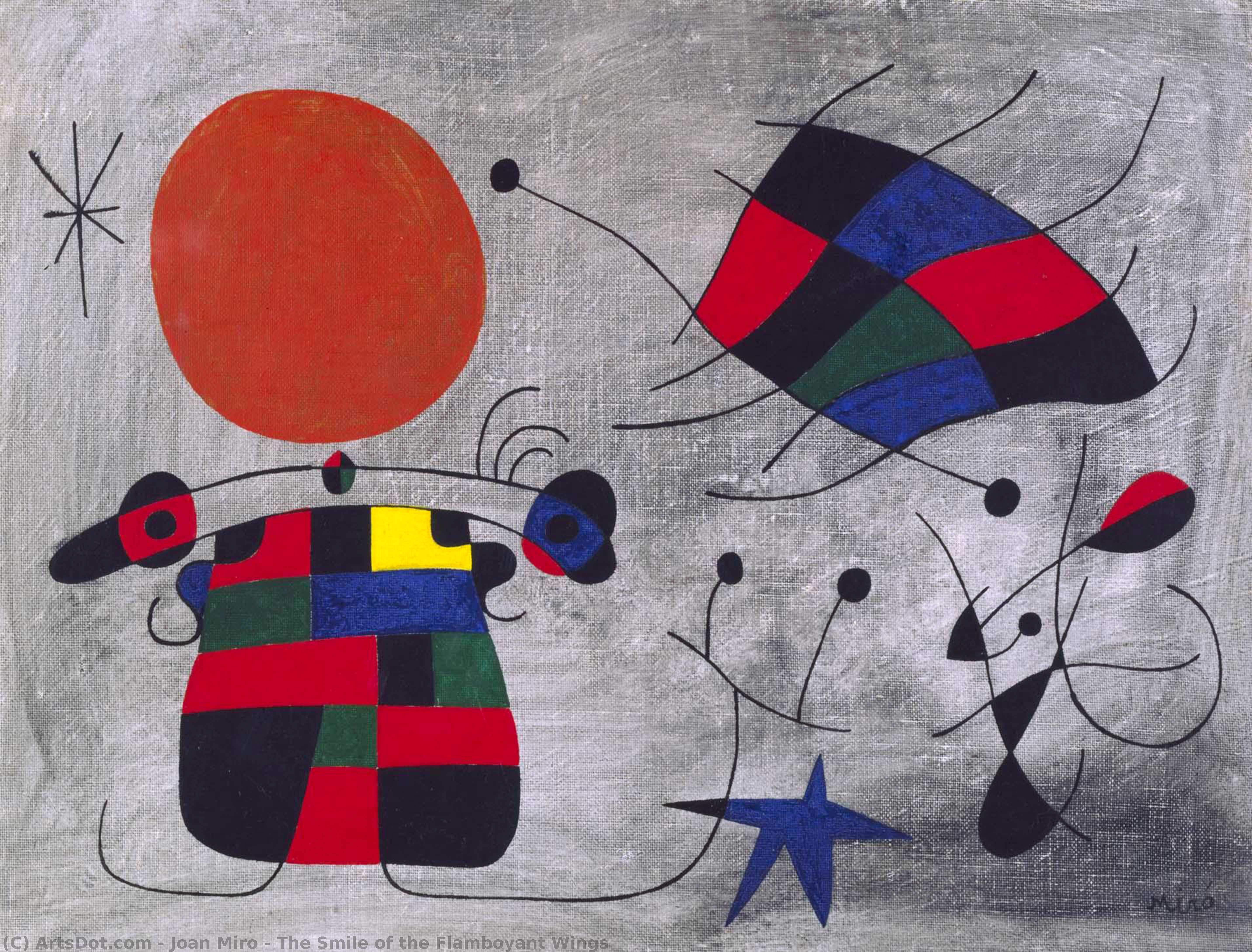
The Smile of the Flamboyant Wings


 詳細を見る
詳細を見る




P118B $10

P118H $10

P118W $10

P438Z $10

P508JH $12

P508YH $12

P805H $10

P805Z $10

P919BZ $10

P919G $10

P919XJ $10

P959ZH $10

P968JZ $12

W106C $8

W218G $10

W218JH $8

W218Y $10

W307PJ $10

W316G $10

W316PJ $8

W316Y $10

W398PJ $8

W4111J $10

W500HY $15

W500JH $15

W692G $12

W849H $8

W940BG $15

W953PJ $8




作品のオリジナル比率に合わせた、当店の規定サイズからお選びください。

特定のフレームやスペースに合わせて、ご希望のサイズをご入力いただけます。選択されたサイズが元の画像の比率と異なる場合、アートワークをトリミングするか、手描きで要素を追加して絵画を拡張いたします。デジタルモックアップ を制作し、制作開始前にご確認(承認)をいただきます。
画面上のプレビューは、実際のトリミングや拡張を正確に反映しているものではありません。最終的な構図は、モックアップによってのみ正確にご確認いただけます。
カスタムサイズもご利用いただけますが、元の比率を維持するためには、あらかじめ用意されたリストからサイズを選択することをお勧めいたします。
ご注文後、ArtsDot.com チームより詳細な指示をお送りするとともに、仕上がりイメージ(モックアップ)をご提供いたします。


 ガラスオプションは、110cm未満のサイズでのみご利用いただけます。

The Smile of the Flamboyant Wings
複製技法
複製画のサイズ
-


合計金額
$ 263
The Smile of the Flamboyant Wings
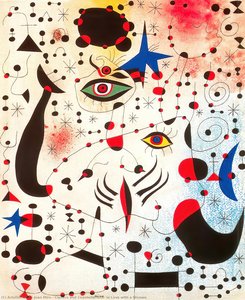
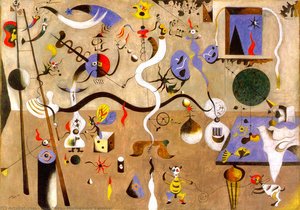
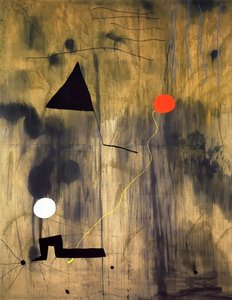
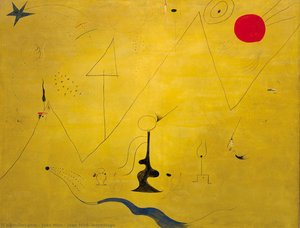
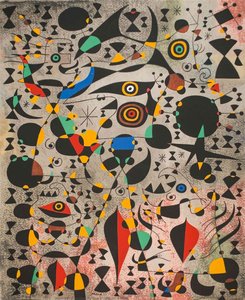
Joan Miró’s The Smile of the Flamboyant Wings is a vibrant and dynamic abstract art piece created in 1953 by renowned Spanish artist Joan Miró. This artwork exemplifies Miró’s unique style, which blends elements of surrealism with bold colors and imaginative figurations. Composition and Symbolism The painting features a large red circle at its center, reminiscent of a sun, surrounded by various shapes and colors that create a sense of movement and energy. The use of bright hues and sinuous lines contributes to the overall feeling of freedom and spontaneity, characteristic of Miró’s surrealist approach.- The central red circle symbolizes warmth, vitality, and perhaps even divine presence – a recurring motif in Miró's oeuvre.
- Surrounding shapes—circles, squares, triangles—represent both stability and dynamism, reflecting the artist’s fascination with geometric forms alongside organic imagery.
- Color palettes are deliberately chosen to evoke emotion; reds convey passion and intensity, while blues and greens suggest tranquility and connection to nature.
Artistic Style and Influence
Miró was a pre-eminent figure in the history of abstraction and had a significant influence on 20th-century art. His work often balanced sophistication with innocence, reflecting his deep conviction about the relationship between art and nature. This balance is evident in The Smile of the Flamboyant Wings, where abstract forms are juxtaposed to create a visually captivating composition. He drew inspiration from artists like Picasso and Klee, but developed his own distinctive visual language—one that prioritized intuition over rational calculation. Technique Miró employed a technique known as “automatism,” allowing subconscious impulses to guide the creation process. This resulted in spontaneous brushstrokes and textures that convey an immediacy and emotional intensity rarely found in traditional painting. The artist’s handprints are often incorporated into his canvases, symbolizing a deliberate rejection of artistic conventions and embracing the unpredictable nature of creativity.Historical Context
Created during Miró's mature period, The Smile of the Flamboyant Wings reflects the broader artistic trends of Surrealism and Expressionism—movements that sought to explore the depths of human psychology and challenge established aesthetic norms. Miró’s work aligns with a desire to express inner feelings and emotions without resorting to representational imagery. The painting embodies the spirit of its time, capturing a moment of artistic innovation and intellectual curiosity.Relevance and Legacy
The Smile of the Flamboyant Wings continues to resonate with audiences today due to its enduring beauty and enigmatic quality. It invites viewers to contemplate themes of joy, innocence, and primal instinct—concepts that remain relevant in contemporary culture. Miró’s influence extends beyond painting into sculpture, ceramics, and printmaking, establishing him as one of the most prolific and versatile artists of the 20th century. Its presence at MACBA underscores its importance within Catalan art history and contributes to a broader understanding of Surrealist aesthetics.For art enthusiasts and collectors interested in owning a piece of Miró’s legacy, The Smile of the Flamboyant Wings is available as a handmade oil painting reproduction at ArtsDot.com. This platform offers high-quality reproductions that capture the essence and beauty of original artworks.
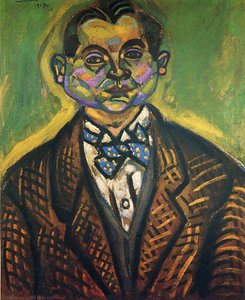
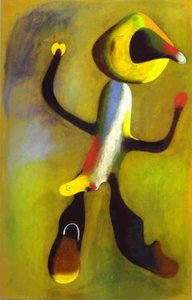
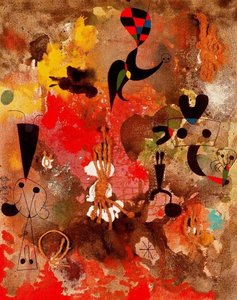
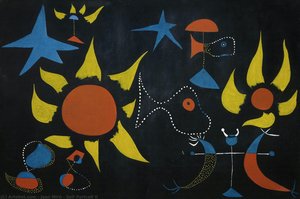
Other Notable Works by Joan Miró
Museum Collections
Miró’s artworks are part of several prestigious museum collections, including the Museu d'Art Contemporani de Barcelona (MACBA) in Spain. For more information on Miró’s contributions to contemporary art and his presence in museums worldwide, visit Museu d'Art Contemporani (Barcelona, Spain) - A Comprehensive Guide at ArtsDot.com.
アーティストの略歴
カタルーニャの visionary: ホアン・ミロの生涯と芸術
ホアン・ミロ・イ・フェラーは、1893年4月20日にバルセロナで生まれ、20世紀美術における最も重要な人物の一人として知られています。彼の芸術的探求は単なる様式変遷ではなく、夢、記憶、そしてカタルーニャのアイデンティティを独自の詩的な視覚言語を通してキャンバスに翻訳する内面の世界の探求でした。幼少期には病気と親からの芸術への取り組みに対する当初の躊躇がありましたが、彼は目に見えないものを表現するという生まれつきの衝動によって推進され、粘り強く努力しました。バルセロナの伝統に浸された彼の初期の人生は、アントニ・ガウディのおかげで建築的な驚異にあふれた都市であり、ミロの後の抽象化に微妙な影響を与えました。父親の金細工職人としての経験は、緻密な職人技への感謝を育み、一方、険しいカタルーニャの風景は彼のキャリアを通して繰り返されるモチーフとインスピレーションの源となりました。アバンギャルドへの目覚めとシュルレアリスムとの出会い
ミロの正式な芸術的訓練はバルセロナのラ・リョットヤで始まり、伝統的な技術を磨きました。しかし、彼を真に創造的に進化させたのは、パリを席巻したアバンギャルド運動への接触でした。 Fauvism の鮮やかな色彩と Cubism の断片化された形態が深く共鳴し、1920 年に彼をパリへと駆り立てました。この時期は画期的であり、彼はパブロ・ピカソに出会い、ますます抽象的な構成で実験を開始しました。しかし、ミロはこれらのスタイルを単に採用したのではなく、独自の独特の美学を築き上げました。彼は形態をその本質にまで蒸留し、表現主義的詳細を放棄して象徴的な形状と喚起する色彩に取って代わりました。この探求は彼を 1924 年にシュルレアリスムグループへと導きました。マックス・エルンストやサルバドール・ダリのような芸術家たちとの連携を通じて、彼は無意識へのシュルレアリストの関心を受け入れました。しかし、ミロは独自の感性を維持し、彼の作品は衝撃的なイメージやフロイト心理学的な象徴主義ではなく、遊び心のある形態と詩的な暗示の世界を創造することに重点を置いていました。象徴の言語:主要な作品と芸術的革新
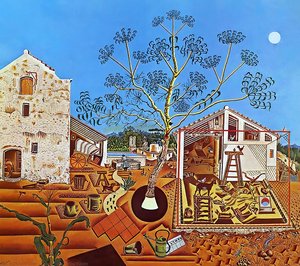
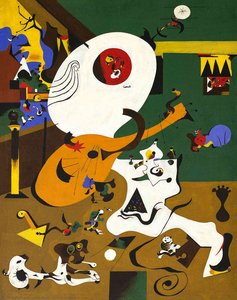
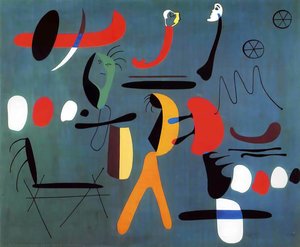
1920 年代から 30 年代にかけて、ミロは鮮やかな色彩と簡略化された形状で特徴づけられる独自の視覚語彙を開発しました。しばしば彼の作品の礎石と考えられている『農場』(1922)は、この移行を体現しており、単なる田園生活の描写ではなく、カタルーニャのアイデンティティの喚起と自然界の象徴的な表現です。彼の協調的な精神は、セルゲイ・ディアギレフのバレエのために考案されたデザインでマックス・エルンストと共に先駆的に行った *グラタージュ* といった革新的な技術につながりました。 オランダのインテリア(1928) シリーズは、彼の現代的なレンズを通して旧様式を再解釈する能力を示し、家庭的なシーンを夢のような抽象化へと変えました。絵画 (1933) は、大胆な色彩と簡略化された形態で、ミロの無意識への探求と従来の芸術的境界線の拒絶を体現しています。絵画以外にも、ミロは陶芸や版画など、さまざまなメディアに果敢に挑戦し、創造的な地平線を広げ、目覚ましい多才さを示しました。遺産と永続的な影響
ホアン・ミロの 20 世紀美術への影響力は否定できません。彼は単なる画家ではなく、芸術的表現そのものを定義に挑戦した先見の明のある人物でした。彼の作品は抽象表現主義への道を開き、現在もさまざまな分野のアーティストにインスピレーションを与え続けています。彼はバルセロナのホアン・ミロ財団(1975 年)とパルマ・デ・マヨルカのピラール・イ・ホアン・ミロ財団(1981 年)という 2 つの財団を設立し、彼の遺産が永続することを保証し、芸術的探求と教育のためのスペースを提供しました。彼の長いキャリアを通して、彼は境界線を押し広げ、慣習に疑問を投げかけ、人間の想像力の深さを探求することへの献身を維持していました。ミロの芸術は抽象化、象徴主義、そして詩的な表現の力に対する証であり、人生、夢、そしてカタルーニャ文化の不朽の精神を祝う鮮やかな賛歌です。彼の作品は今日でも世界中の聴衆に共鳴し、あらゆるものが可能で、現実と幻想の境界線が魅惑的な色彩と形態のダンスの中でぼやけていく世界へと私たちを誘います。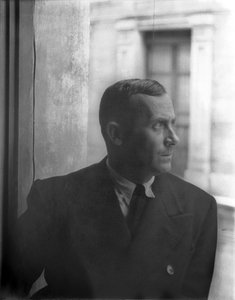
ジョアン・ミロ
1893 - 1983 , スペイン
基本情報
- フルネーム: ジョアン・ミロ・イ・フェラー
- 主な作品:
- ザ・ファーム
- オランダの室内
- 絵画
- 出身地: バルセロナ、スペイン
- 国籍: スペイン
- 影響を与えたアーティストまたは運動:
- シュルレアリスム
- 抽象表現主義
- 影響を受けたアーティスト:
- パブロ・ピカソ
- セザンヌ
- 死亡年月日: 1983年12月25日
- 生年月日: 1893年4月20日
- 芸術運動またはスタイル: シュルレアリスム、抽象芸術
関連記事
ジョアン・ミロ傑作25選:夢と色彩が織りなす芸術の世界|ArtsDot
ジョアン・ミロの傑作25選🎨 シュルレアリスムを代表する巨匠、ミロの世界へ。色彩と象徴に満ちた絵画の物語を紐解き、インテリアアートのインスピレーションを得ましょう。ArtsDotで高品質なアートプリントをお探しください✨
Kandinsky's Masterpieces: 25 Paintings That Define Abstract Art | ArtsDot
Journey through Wassily Kandinsky's 25 most iconic abstract paintings. Explore his revolutionary use of color, form & spiritual expressionism. Find museum-quality Kandinsky reproductions and elevate your home decor with ArtsDot.com. Discover all masterpieces on ArtsDot.com!
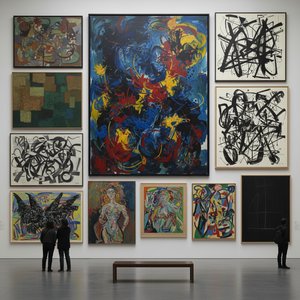
抽象表現主義を定義する十大傑作:芸術と装飾の深遠な旅
抽象表現主義を定義する10の傑作。ポロック、ロスコら巨匠たちの情熱と色彩の世界へ。各作品に込められた物語と技法を紐解き、至高のアート体験を。ArtsDot.comで、ミュージアムクオリティの複製画や洗練されたインテリアアイデアを発見してください。

幾何学的抽象絵画を定義した傑作10選|アート、アーティスト、インテリア装飾
モンドリアン、マレーヴィチ…幾何学的抽象絵画を代表する傑作10選。各作品の背景や色彩構成、アーティストの情熱に迫ります。美術館品質の複製画はArtsDot.comで。オンラインでアートコレクションをご覧ください。

マーク・ロスコ傑作25選:色彩が織りなす深遠な世界|ArtsDot
マーク・ロスコの傑作25選。抽象表現主義を代表する巨匠、色彩が織りなす深遠な世界を探求します。絵画の背景や技法、感動的なストーリーを紐解き、ArtsDotで高品質なアートプリントをお楽しみください。リビングやオフィスにモダンアートを飾るなら!