

 プレビュー
プレビュー
 シェアする
シェアする シェアする
シェアする
 詳細を見る
詳細を見る

 ダウンロード
 似ている作品
 X線調査
X線調査 スライドショー
 統計情報
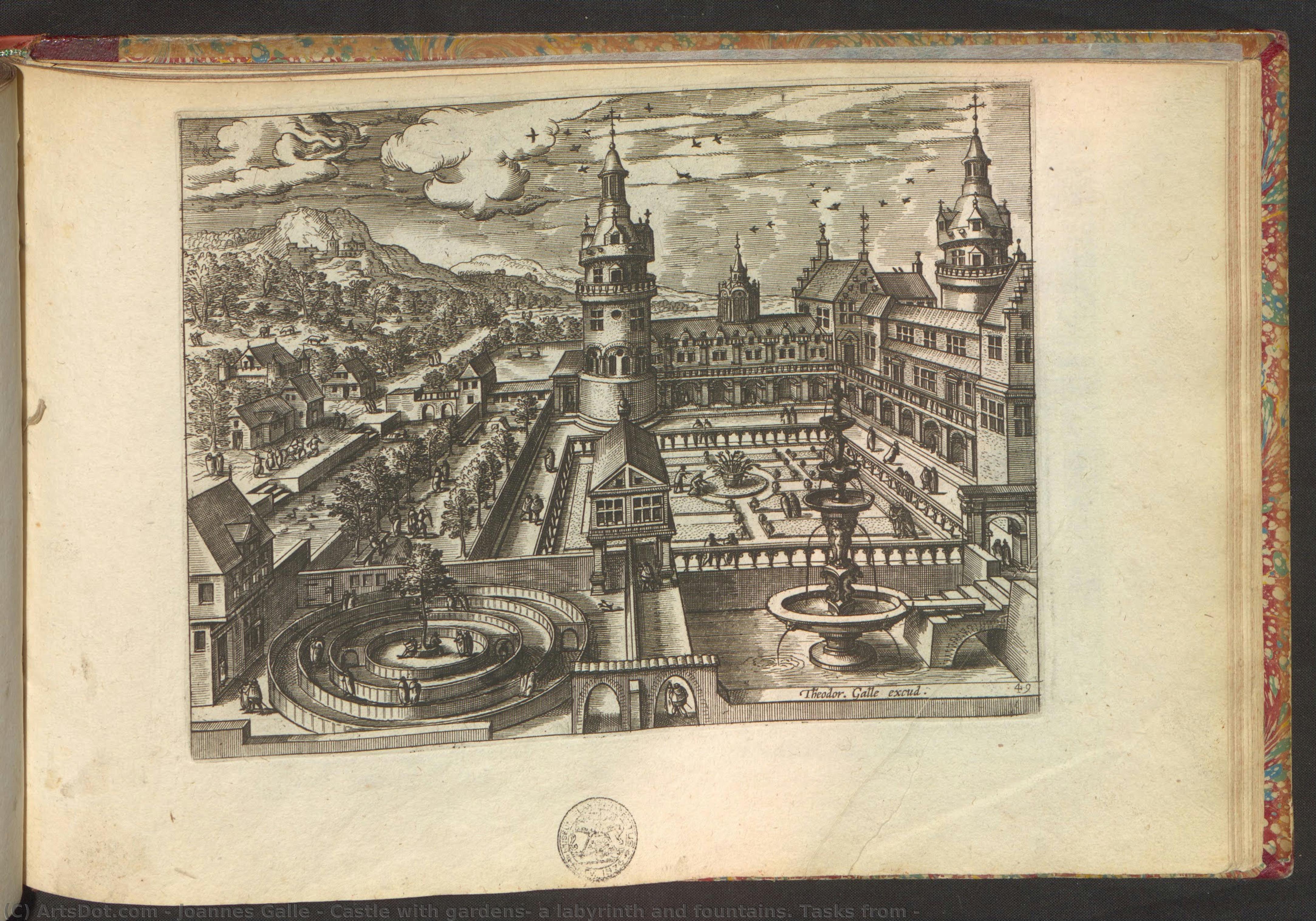
統計情報Castle with gardens, a labyrinth and fountains. Tasks from


 詳細を見る
詳細を見る
オンラインプレビューをはるかに凌ぐ、高解像度で鮮明なデジタル画像をご購入いただけます。
各ファイルは、社内の専門家が高度なツールと熟練した手作業によるレタッチを用いて、細心の注意を払って準備されています。すべての画像において、卓越した鮮明度、正確な色彩再現性、そして繊細なディテールを保証いたします。
最終ファイルは、プロフェッショナルな編集・印刷環境ですぐにご利用いただけるよう最適化された状態で、72時間以内にメールにてお届けいたします。これは、一流のデザインスタジオ、出版社、ギャラリーから信頼されているものと同等の品質です。
デジタルアート
個人での鑑賞、印刷、クリエイティブなプロジェクト用に、高解像度ファイルをダウンロードできます。 ( プリント版に切り替え 手描きの絵画を購入)
デジタル画像のご注文に付随する特典
高品質なデジタル画像配信を、確かな品質で。
ArtsDot.com を選ぶことは、単に画像を手に入れることではありません。それは、プロの手によって精密に仕上げられ、満足保証が付いた高品質なデジタルアートワークを受け取ることを意味します。ご注文いただいた際に自動的に付随する内容は、以下の通りです:

メールですぐにお届け
ご注文から72時間以内に、高解像度のデジタル画像ファイルがメールでお手元に届きます。すぐにそのままご利用いただけます。

AI技術で最適化されたデジタルファイル
お客様の作品は、高度なAIツールと専門家による手作業の編集を組み合わせてプロフェッショナルに最適化されており、細部のディテール、鮮明さ、そして正確な色再現性を最大限に引き出しています。

一生涯無料の再送サービス
ファイルを誤って削除したり、紛失してしまったりしましたか?ご安心ください。いつでも無料で再送いたします。

輸入手数料は一切かかりません
関税や手数料、配送料を気にすることなく、お気に入りのアートワークをすぐにお楽しみいただけます。デジタルダウンロードは常に免税です。

色彩再現の保証
プロ仕様のツールとカラーマネジメント技術を用いることで、デジタル画像が元の色を最大限に忠実に再現することを保証いたします。

100日間満足保証
ご購入いただいたデジタル画像にご満足いただけない場合は、100日以内であれば、理由を問わず修正または100%の返金対応をさせていただきます。

100% 返金保証
ご満足いただけない場合は、デジタルファイルを受け取ってから100日以内であれば、理由を問わず全額返金いたします。

まとめ買い割引
3枚購入で10%OFF - 5枚購入で15%OFF - 10枚以上購入で20%OFF。クリエイティブなプロジェクト、ギャラリー、エージェンシーに最適です。
A Window into the Baroque Grandeur
In the delicate, monochromatic lines of Joannes Galle’s 1640 etching, Castle with gardens, a labyrinth and fountains, we are transported to an era of architectural splendor and meticulously manicured nature. This masterful print serves as more than just a topographical record; it is a window into the soul of the Flemish Baroque period. The scene unfolds with a breathtaking sense of scale, where the imposing silhouette of a castle dominates the horizon, its intricate masonry suggesting a world of power, stability, and enduring legacy. Through Galle’s expert use of etching, the viewer is invited to wander through a landscape that balances the structured geometry of human design with the fluid vitality of life.
The composition is a masterclass in depth and perspective. As the eye travels across the estate, it encounters the rhythmic beauty of fountains that dance amidst the greenery, their presence adding a sense of movement to the otherwise still atmosphere. The labyrinth, a symbol of both intellectual complexity and the journey of life, winds through the gardens, offering a visual metaphor for the mysteries hidden within the grandeur of the aristocracy. Scattered throughout this sprawling estate are tiny, spirited figures—people engaged in the quiet rhythms of daily existence, whether strolling near the water or tending to the grounds. These small details breathe life into the etching, transforming a structural study into a living, breathing narrative of a bygone age.
The Mastery of the Flemish Line
Joannes Galle, a scion of the illustrious Antwerp printmaking tradition, utilizes the etching technique to achieve a level of detail that is nothing short of extraordinary. Every stroke of his needle carries weight and intention, creating a rich tapestry of textures—from the rugged stone of the castle walls to the soft, ephemeral spray of the fountains. The absence of color allows the viewer to focus entirely on the interplay of light and shadow, or chiaroscuro, which lends the piece its profound emotional depth. This monochromatic palette emphasizes the structural integrity of the architecture while imbuing the gardens with a dreamlike, almost nostalgic quality.
For the discerning collector or interior designer, this artwork offers a timeless elegance that transcends modern trends. The etching’s ability to evoke a sense of serene movement and historical weight makes it an ideal centerpiece for a sophisticated study, a classic library, or a grand hallway. As a high-quality reproduction, this piece brings the intellectual rigor of 17th-century Flemish art into the contemporary home, providing a focal point that invites contemplation and conversation. It is not merely a decoration; it is an invitation to step back in time and experience the quiet majesty of a world where every garden path and fountain held a story of its own.
関連作品

作家の略歴
The Master of the Flemish Line: The Life and Legacy of Joannes Galle
In the vibrant, bustling heart of seventeenth-century Antwerp, a period defined by unparalleled artistic flourishing, the name Joannes Galle resonated as a symbol of technical precision and Baroque grandeur. Born in 1600 into a lineage deeply embedded in the prestigious printmaking traditions of Flanders, Galle was more than just an engraver; he was a custodian of a visual language that sought to capture both the divine and the earthly with equal fervor. As the son and devoted pupil of the renowned Theodoor Galle, his early years were shaped by the rigorous discipline of the workshop, where the rhythmic scratch of the burin against copper became the soundtrack to his artistic awakening. This apprenticeship did not merely impart the mechanics of etching and engraving but also provided him with a profound understanding of the commercial and intellectual currents that drove the Antwerp art market.
Galle’s artistic development was characterized by an extraordinary ability to synthesize the influences of his predecessors into a style that was uniquely his own. He drew deep inspiration from the dramatic chiaroscuro and psychological intensity found in the works of Hendrick Goltzius, as well as the narrative complexity of Maerten de Vos. His mastery lay in his capacity to translate these grander painterly visions into the delicate, monochromatic realm of print. Through painstaking hatching and meticulous shading, he breathed life into static metal, creating textures that ranged from the rugged, weathered stone of architectural ruins to the soft, ephemeral spray of a garden fountain. His work often functioned as a window into a meticulously constructed world, where illusionistic perspective invited the viewer to step beyond the frame and wander through landscapes of both immense scale and intimate detail.
Narrative Depth and Symbolic Grandeur
The breadth of Galle’s subject matter reflects the multifaceted intellectual landscape of the Flemish Baroque. His oeuvre is a tapestry woven from biblical narratives, mythological allegories, and topographical studies, each plate serving as a meditation on the human condition. In his engravings based on the works of Pieter Bruegel the Elder, such as The fat Cook and the thin Cook, Galle captured the earthy, often satirical vitality of Flemish life, blending humor with a keen observation of social types. Conversely, his religious plates, including depictions of the Old Testament History or Christ surrounded by the Instruments of His Passion, utilized the dramatic tension of the era to evoke profound spiritual contemplation. In these works, the interplay of light and shadow does not merely define form; it serves a symbolic purpose, illuminating the divine presence amidst the darkness of mortal struggle.
Beyond the purely religious or mythological, Galle possessed a remarkable talent for capturing the architectural and natural splendor of his era. His 1640 etching, Castle with gardens, a labyrinth and fountains, stands as a testament to his ability to render the structured geometry of human design alongside the fluid vitality of nature. In this piece, the labyrinth serves as a poignant metaphor for the complexities of life, while the imposing silhouette of the castle suggests a sense of enduring legacy and power. Through these works, Galle achieved a level of atmospheric depth that transformed simple topographical records into immersive, living narratives, allowing his audience to experience the theatricality and grandeur that defined the seventeenth-century Flemish soul.
A Lasting Impression on the Printmaking Tradition
The historical significance of Joannes Galle extends far beyond the individual beauty of his prints. As a pivotal figure in the Antwerp artistic landscape, he acted as a vital link in the chain of Flemish printmaking, bridging the gap between the late Renaissance masters and the subsequent generations of engravers who would carry the Baroque torch across Europe. His dedication to the craft ensured that the technical innovations of his father’s generation were preserved and refined, contributing to the enduring reputation of Antwerp as a global center for high-quality print production. His ability to navigate the commercial realities of the trade while maintaining an uncompromising commitment to artistic excellence allowed his work to reach a wide audience, from scholarly collectors to the burgeoning middle class.
Ultimately, the legacy of Joannes Galle is found in the enduring power of his line. Even centuries after his death in 1676, his engravings continue to captivate viewers with their remarkable clarity and emotional resonance. He remains a master of the fine detail, an artist who understood that within the smallest stroke of a needle lay the potential to evoke entire worlds. His life’s work stands as a monumental achievement of the Flemish Baroque, a testament to a period when art, intellect, and technical mastery converged to create some of the most enduring visual legacies in Western history.
joannes galle
1600 - 1676 , Belgium
プロフィール概要
- Artistic Movement Or Style: Baroque
- Artists Who Influenced This Artist:
- Marten de Vos
- Hendrick Goltzius
- Pieter Brueghel the Elder
- Date Of Birth: 1600 Antwerp Belgium
- Date Of Death: 1676 Antwerp Belgium
- Full Name: Joannes Galle
- Nationality: Flemish
- Notable Artworks:
- The Wise and Foolish Virgins
- Twelve Plates of Old Testament History
- Christ Surrounded by the Instruments of His Passion
- The Fat Cook and the Thin Cook
- Lubricitas Vitae Humanae
- Judith Giving the Head of Holofernes
- Place Of Birth: Antwerp Belgium