

 プレビュー
プレビュー
 プリントを購入
 シェアする
シェアする シェアする
シェアする
 詳細を見る
詳細を見る

 ダウンロード
 似ている作品
 X線調査
X線調査 スライドショー
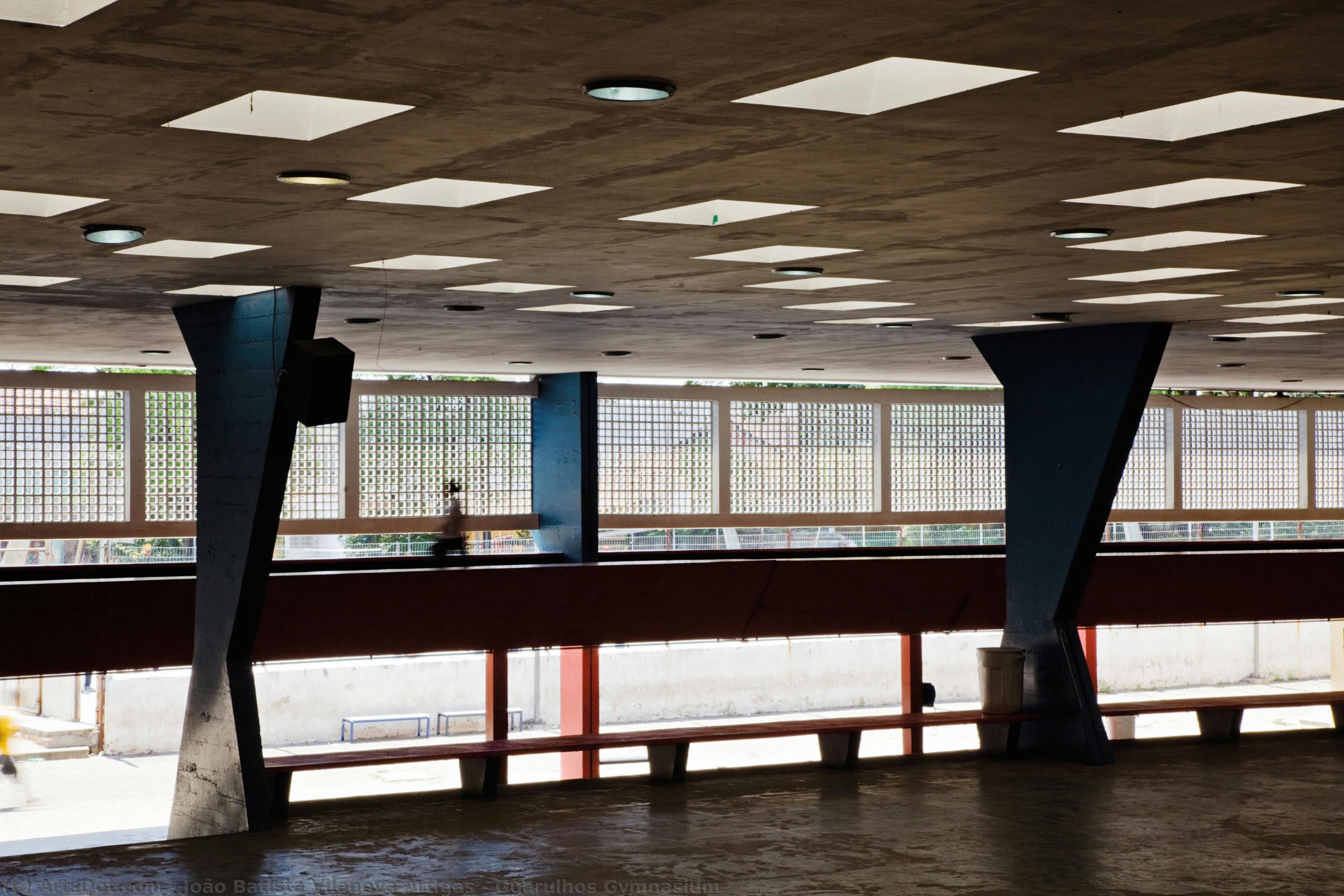
Guarulhos Gymnasium


 詳細を見る
詳細を見る




P118B $10

P118H $10

P118W $10

P438Z $10

P508JH $12

P508YH $12

P805H $10

P805Z $10

P919BZ $10

P919G $10

P919XJ $10

P959ZH $10

P968JZ $12

W106C $8

W218G $10

W218JH $8

W218Y $10

W307PJ $10

W316G $10

W316PJ $8

W316Y $10

W398PJ $8

W4111J $10

W500HY $15

W500JH $15

W692G $12

W849H $8

W940BG $15

W953PJ $8




作品のオリジナル比率に合わせた、当店の規定サイズからお選びください。

特定のフレームやスペースに合わせて、ご希望のサイズをご入力いただけます。選択されたサイズが元の画像の比率と異なる場合、アートワークをトリミングするか、手描きで要素を追加して絵画を拡張いたします。デジタルモックアップ を制作し、制作開始前にご確認(承認)をいただきます。
画面上のプレビューは、実際のトリミングや拡張を正確に反映しているものではありません。最終的な構図は、モックアップによってのみ正確にご確認いただけます。
カスタムサイズもご利用いただけますが、元の比率を維持するためには、あらかじめ用意されたリストからサイズを選択することをお勧めいたします。
ご注文後、ArtsDot.com チームより詳細な指示をお送りするとともに、仕上がりイメージ(モックアップ)をご提供いたします。


 ガラスオプションは、110cm未満のサイズでのみご利用いただけます。

Guarulhos Gymnasium
複製技法
複製画のサイズ
-


合計金額
$ 263
作品解説
João Batista Vilanova Artigas’s Guarulhos Gymnasium: A Concrete Manifesto of Brazilian Modernism
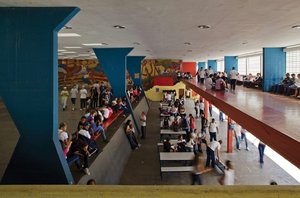
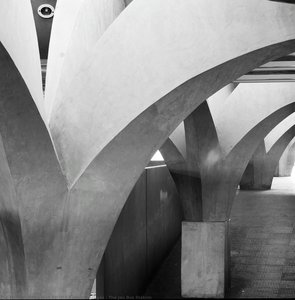
The photograph before us – a black and white study capturing the interior of the Guarulhos Gymnasium, designed by João Batista Vilanova Artigas – isn't merely a depiction of a building; it’s an embodiment of a national ethos. Constructed in 1960, this structure stands as a pivotal example of Brazilian Modernism, a movement deeply rooted in social responsibility and a profound engagement with the country’s unique identity. Artigas, born in Curitiba in 1915 and tragically silenced by the military dictatorship in 1985, envisioned architecture not just as shelter but as a powerful instrument for societal transformation – a belief powerfully reflected in every curve and plane of this remarkable space.
The gymnasium’s design immediately commands attention. It's a vast, open interior dominated by a soaring skylight that floods the space with natural light, creating an atmosphere of both grandeur and accessibility. The layout is deceptively simple: a series of linear seating arrangements converge towards a central point, while robust concrete benches offer respite to those passing through. Yet, within this apparent austerity lies a remarkable dynamism – a sense of movement conveyed by the interplay of shadows and light, and the strategic placement of furniture that encourages interaction and contemplation.
The Brutalist Soul: Concrete as Expression
Artigas’s approach to concrete is particularly noteworthy. He didn't simply utilize it as a structural material; he embraced its inherent qualities – its strength, its texture, its capacity for both solidity and lightness. The gymnasium’s pilasters, painted in a striking cobalt blue, are not merely decorative elements but assertive statements of architectural intent. Their robust presence anchors the space while their subtle recessing creates an intriguing visual dialogue with the surrounding walls. This careful manipulation of form and material is characteristic of Brutalism, a style that Artigas championed as a means of expressing honesty and functionality – rejecting ornamentation in favor of raw, unadorned beauty.
The use of cobogós – recessed panels with open spaces – further enhances the sense of airiness and light. These strategically placed openings allow natural light to penetrate deep into the interior, creating a dappled effect that transforms the space throughout the day. The interplay between solid concrete and open space is a defining feature of Artigas’s design philosophy, reflecting his belief in the importance of balance and harmony.
A Legacy Forged in Protest
Artigas's life was inextricably linked to Brazil’s turbulent political landscape. Persecuted by the military dictatorship for his communist affiliations, he was expelled from the University of São Paulo in 1969 – a tragic loss for Brazilian architecture. Despite these hardships, Artigas remained steadfast in his commitment to social justice and artistic expression. The Guarulhos Gymnasium stands as a testament to this resilience, embodying not only his architectural genius but also his unwavering belief in the power of design to shape a better future.
His work is considered foundational to the Paulista School, a movement that prioritized functional design, social responsibility, and a distinctly Brazilian aesthetic. The gymnasium’s influence extends far beyond its physical walls, shaping generations of architects and inspiring a renewed appreciation for the potential of concrete as a medium for artistic expression. It remains a powerful symbol of Brazil's modernist heritage – a building that speaks volumes about its history, its people, and its enduring spirit.
Collecting a Masterpiece: Reproduction Options
ArtsDot offers high-quality reproductions of Artigas’s Guarulhos Gymnasium, allowing you to bring this iconic piece into your own space. From digital mockups to meticulously hand-painted recreations, we provide options tailored to your individual needs and preferences. Each reproduction is created with the same attention to detail as the original, ensuring that you receive a faithful representation of Artigas’s vision – a concrete manifesto of Brazilian Modernism.
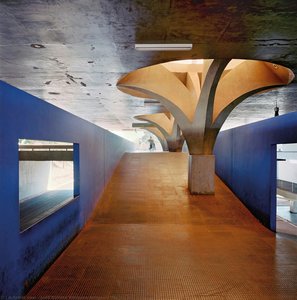
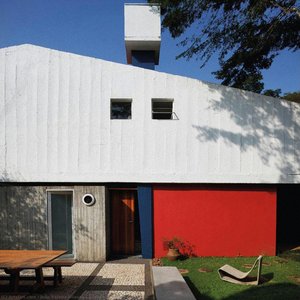
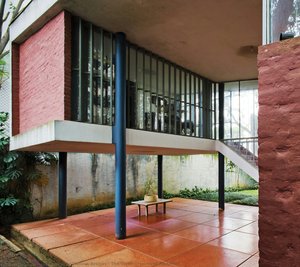
関連作品
アーティストの略歴
ブラジルモダニズムの先駆者:ジョアン・バチスタ・ヴィラノヴァ・アルティガスという生涯と遺産
1915年にブラジルのクリチバで生まれたジョアン・バチスタ・ヴィラノヴァ・アルティガスは、ブラジル建築の進化において記念碑的な存在として輝いています。彼は単なる構造物の建設者ではなく、自身のデザインに社会的な責任と芸術的表現を吹き込もうとした先見の明のある人物であり、最終的にはパウリスタ派(Paulista School)の創設者となりました。彼の歩みはサンパウロ大学工科学校から始まり、1937年に学位を取得しました。この学歴こそが、革新性とブラジル国民への深い献身によって特徴づけられるキャリアの礎となったのです。初期の形成期を過ごした経験の一つに、グレゴリ・ワルチャフチクと共にプラサ・ダ・レプブリカの大規模な改修を手掛けたことがあり、このプロジェクトは彼が後に提唱するモダニズム的な感性を予感させるものでした。1941年から1947年にかけて、アルティガスは学界に身を捧げ、サンパウロ大学で美学、建築、計画の教授として若き才能たちを育成しました。この期間は、1946年に授与された名誉あるグッゲンハイム・フェローシップによって頂点を迎え、建築界における彼の評価を確固たるものにし、国際的な経験という計り知れない機会をもたらしたのです。進化する様式と決定的な作品群
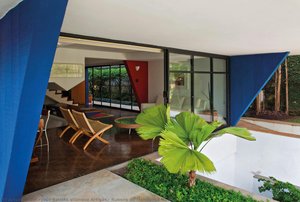
アルティガスの建築様式は静的なものではありませんでした。それは探求と洗練のダイナミックな過程であり、世界のデザインが移り変わる潮流と、彼自身の進化し続ける芸術的ビジョンを映し出していました。彼の作品は一般的に三つの明確な段階を通して理解することができます。初期の期間、1937年から1945年にかけては、特に住宅設計において、フランク・ロイド・ライトの影響が色濃く見られます。そこには有機的な形態と周囲の景観との調和のとれた統合へのこだわりが見て取れます。これに続き、約1945年から1950年代半ばにかけての過渡期があり、アルティガスは国際様式の要素を取り入れ始め、大規模なプロジェクトでカーテンウォールやピロティを実験的に用いました。しかし、真に彼自身の声を見出したのは、1960年代から1970年代という晩年の時期でした。そこでは、その生々しいコンクリートの美学と記念碑的なスケールを特徴とするブルータリズムに強く影響を受けた劇的な様式が花開きました。この段階で彼は、大胆さと表現力をもって大規模な公共建築に取り組むようになり、それが彼の代名詞となりました。最も称賛される作品の中には、ライトの影響を示す初期の例であるアリオスト・マルティラニ邸、印象的な幾何学的抽象とブルータリズムの響きを融合させたミニマリスト的な美学を示すエルザ・ベルクォ邸、そしてコンクリート表現主義を特徴とする晩年のより劇的な様式を体現するグアルーリョス体育館などがあります。これらのプロジェクト群は総じて、彼が素材――特に鉄筋コンクリート――を操る熟練度と、思慮深い建築設計を通じて社会的なニーズに応えようとする揺るぎない献身を際立たせているのです。政治的信念と芸術的表現
アルティガスの人生は、政治活動と切り離すことはできませんでした。ブラジル共産党の熱心な一員であった彼は、建築がより公正で平等な社会を形作る上で極めて重要な役割を果たすと信じていました。この確信こそが、ブラジルにおける激しい政治的抑圧の時代に、同僚の建築家パウロ・メンデス・ダ・ロシャと共に1969年にサンパウロ大学での教職を失う原因となりました。このような挫折にもかかわらず、アルティガスは自身の信念を曲げず、作品を通じて社会変革を提唱し続けました。彼の献身は最終的に認められ、彼とメンデス・ダ・ロシャの両名は1980年代に職務に復帰しました。これは彼らの不朽の影響力と、民主的理想が最終的に勝利したことの証左です。キャリア初期に得たグッゲンハイム・フェローシップは、彼の建築への多大な貢献をさらに認めました。今日、彼の作品はクリチバのアントニオ・パレイラレス美術館やオスカー・ニーマイヤー美術館といった施設に保存されており、その遺産が未来の世代にインスピレーションを与え続けています。彼は「細部(minutiae)」――小さなディテール――が、単なる構造物を芸術作品へと高め、あらゆるプロジェクトに独自の個性と場所の感覚を吹き込む力を持つと深く信じていたのです。パウリスタ派と永続する影響
ジョアン・バチスタ・ヴィラノヴァ・アルティガスがブラジル建築にもたらした影響は計り知れません。彼は単なる建築家ではなく、教師であり、政治活動家であり、国家のアイデンティティを定義する手助けをした文化的な象徴でした。彼が創設したパウリスタ派は、機能的なデザイン、特に鉄筋コンクリートといった構造要素の露出、そして社会的なニーズに対する深い配慮を重視しました。このアプローチは従来の建築規範に挑戦し、ブラジルの新世代の建築家たちが革新的な形態と素材を探求するための道を開きました。美観的でありながら社会的に責任ある空間を創造するという彼の強調点は、今なお世界中の現代の実践者たちに響き渡っています。アルティガスの作品は、芸術的ビジョン、社会的な価値観、そして奉仕する人々の生活を向上させるという深いコミットメントが建築にもたらし得る可能性を示す力強い記念碑です。彼が残したのは単なる建物群ではなく、一つの哲学――建築こそが世界における前向きな変化の原動力となり得るという信念でした。彼の遺産は残り続け、建築家たちに美しくも意味のある空間を創造するよう鼓舞し続けているのです。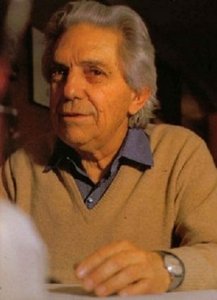
ジョアン・バチスタ・ヴィラノヴァ・アルティガス
1915 - 1985 , ブラジル
基本情報
- Artistic Movement Or Style: モダニズム、ブルータリズム
- Artists Or Movements Influenced By This Artist: ['パウリスタ・スクール']
- Artists Who Influenced This Artist: ['フランク・ロイド・ライト']
- Date Of Birth: 1915年
- Date Of Death: 1985年
- Full Name: ジョアン・バチスタ・ヴィラノヴァ・アルティガス
- Nationality: ブラジル人
- Notable Artworks:
- アリオスト・マルティラニの家
- エルザ・ベルクォの家
- グアルーリョス体育館
- Place Of Birth: クリチバ、ブラジル
関連記事
Alceu de Paula Penna: A Synthesis of Brazilian Modernism & Poetic Abstraction
Explore the captivating world of Alceu de Paula Penna, a pivotal figure in Brazilian Modernism. Discover his innovative concrete poetry & influence on Latin American art history. Expert insights for collectors.

Benedito Calixto: A Brazilian Modernist's Landscape of Memory & National Identity
Explore the captivating world of Benedito Calixto, a pivotal Brazilian Modernist painter. Discover his iconic landscapes, the story behind the famous Bandeirante portrait, and his lasting impact on Brazilian national identity. Learn more at ArtsDot.

Jean-Baptiste Debret: Witnessing Brazil’s Emergence Through Art & Identity
Explore the captivating art of Jean-Baptiste Debret, a key witness to Brazil’s imperial era. Discover his iconic portraits, historical scenes & insightful depictions of Brazilian life. Learn about his legacy and find museum-quality reproductions at ArtsDot.

The Gritty Muse: Industrial Vibe as Defining Aesthetic in Modern Artwork
Explore the captivating world of industrial aesthetics in modern art. Discover key movements, influential artists & collecting insights at ArtsDot.com – your source for museum-quality reproductions and expert art guidance.
Concrete Visions: Exploring the Urban Landscape in Painting – From Realism to Contemporary Art
Explore the evolution of cityscape painting from Realism to contemporary art with ArtsDot. Discover key artists & invest in timeless urban visions. Expert guidance, museum-quality reproductions.

